
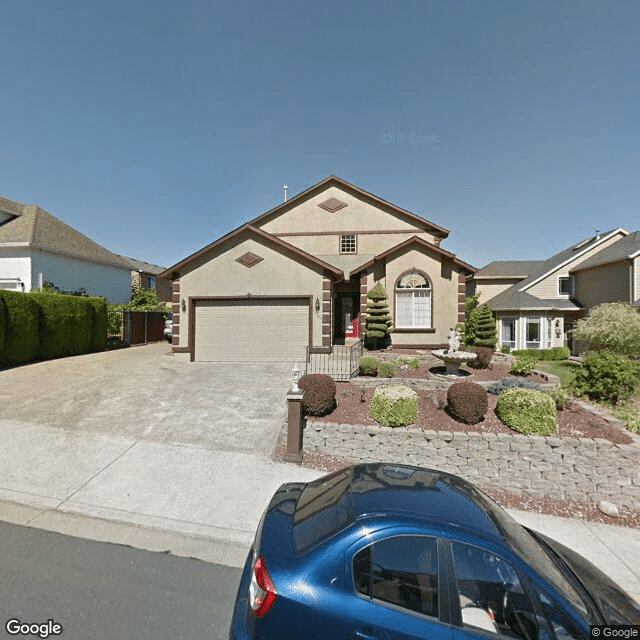
13785 Bean Ct., Oregon City, OR 97045
To contact a resident: (503) 723-8918
For more information about senior living options: (866) 208-4318
Willamette Falls Adult Foster Care Home Costs & Pricing
At Willamette Falls Adult Foster Care Home, the monthly cost for a private room is set at $3,500. This rate is slightly above the average costs observed in Clackamas County, which stands at $3,373, and also exceeds the state average for Oregon of $3,424. While this pricing may suggest a premium over local and state figures, it is important to consider the unique services and personalized care that Willamette Falls provides. The additional investment could reflect enhanced amenities or specialized support tailored to residents' needs, making it a competitive option for families seeking quality care in a nurturing environment.
| Floor plans | Willamette Falls Adult Foster Care Home | Clackamas County | Oregon |
|---|---|---|---|
| Private | $3,500 | $3,373 | $3,424 |
Senior living communities with a similar price nearby
-
from -$500 / mo
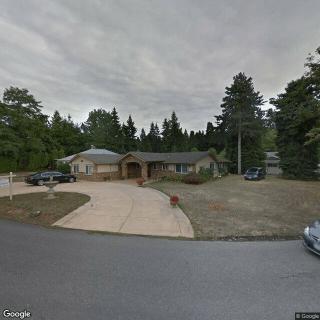
A Piece of Heaven
$3,000 / month4.8 miles away -
from +$500 / mo
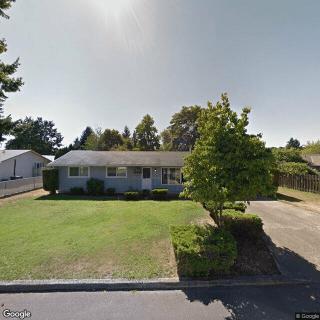
Oaktree Adult Care Home
$4,000 / month2.7 miles away -
from -$500 / mo
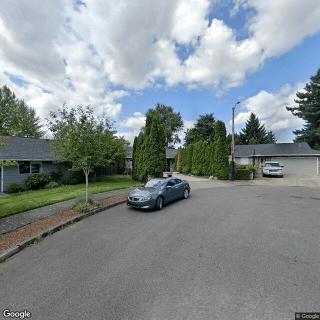
Yamhill Senior Care Home
$3,000 / month11.6 miles away -
from -$500 / mo
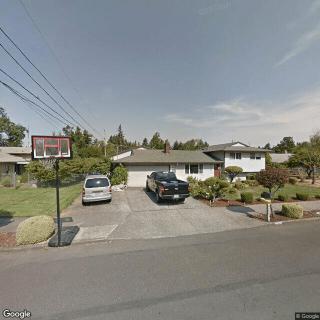
Peaceful Lighthouse Adult Care Home
$3,000 / month13.6 miles away -
About the same
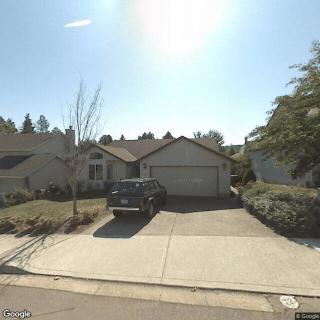
Fulga's ACH
$3,500 / month14.8 miles away
Overall Review of Willamette Falls Adult Foster Care Home
Pros
 The home is lovely and welcoming, with a cheerful atmosphere.
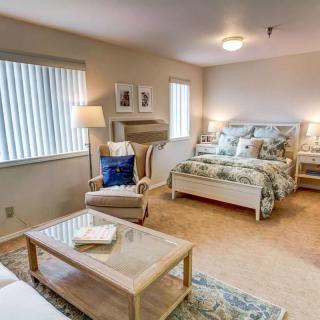
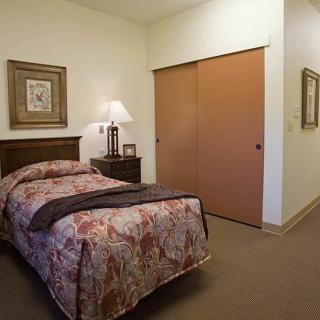
- It provides private bedrooms and bathrooms for a small group, creating a comfortable setting.
- The owner and caretaking team are wonderful, and communication is strong, making families feel at ease.
- The caregivers are fantastic and genuinely care about residents, making the environment feel like home and like family.
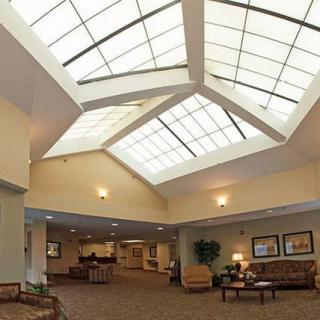
- The home is incredibly clean, offers activities and outings, has a welcoming family room, and serves good food.
Review
Willammette Falls Adult Foster Care Home in Oregon City is best suited for families seeking a deliberately intimate, home-like living arrangement for an aging loved one. With only four residents, each with private bedrooms and bathrooms, the setting feels more like a private residence than a facility. The owner, the caregiving couple, and the team deliver highly personalized attention, and families report communication that is clear, rapid, and genuinely warm. Residents benefit from cheerful routines, home-cooked meals, and a cadence of care that emphasizes dignity, predictability, and genuine regard. This is not a large-scale community; it is a small, carefully curated home where caregivers become trusted, almost family-like, partners in daily life.
Nevertheless, this model is not for everyone. The same small scale means fewer on-site resources for those who require intensive medical oversight, frequent clinical monitoring, or a bustling social calendar. Families needing a facility with broader nursing staff, specialized memory care with secured spaces, or a wide array of structured programming may find alternatives more suitable. Those who expect a busy, hospital-like cadence or access to numerous on-site amenities should look at larger assisted living communities. For residents with evolving medical needs, ensuring a clear plan for escalation and coordination with outside providers becomes essential when choosing this home.
Key advantages flow directly from the setting: privacy, attentiveness, cleanliness, and warmth. The private rooms and dedicated baths preserve autonomy and dignity; the four-resident complement allows caregivers to know daily rhythms, preferences, and medical signals fast. Cleanliness is consistently highlighted, and meals are described as home-cooked and satisfying. The environment feels like a welcoming family home rather than a business, which reduces anxiety and fosters meaningful connections with staff and fellow residents. On the downside, the small scale translates to quieter days, fewer simultaneous activities, and less formal medical oversight; some families worry about what happens if a medical issue arises outside regular hours. Yet the overall care quality, attentive, compassionate, and reliable, tends to offset these concerns for those who prioritize intimate, consistent care.
To determine fit, families should visit with a targeted checklist: exact caregiver-to-resident ratios during day and night; whether licensed professionals staff shifts; how care plans are created, updated, and communicated; what daily and weekly activities look like; whether outings can be customized; meal preferences; availability of a private family room for visits; and the process for handling emergencies and medical coordination. It also helps to see the living spaces in person, assess cleanliness and safety features, and talk with the owner about routines, flexibility, and expectations around family involvement. Clarify how changes in health status would be accommodated and what transitions would look like if more care becomes necessary.
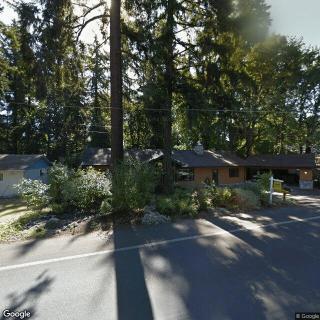
Location and pace matter. Oregon City offers a quiet, residential backdrop that supports predictable days and easy family access, which is a meaningful factor for ongoing involvement and peace of mind. The combination of private accommodations, a homelike atmosphere, and a strong emphasis on care relationships creates a sense of stability that benefits seniors who resist impersonal environments. The emphasis on meals, social interaction in a small group, and outings to nearby stores or walks outside reinforces wellness while preserving independence. For families weighing costs, this model usually translates to a different value proposition than larger facilities; the question becomes whether price aligns with the desire for privacy, trust, and frequent caregiver engagement.
For families prioritizing intimate, high-touch caregiving in a true home setting, Willamette Falls Adult Foster Care Home stands out as a practical, trustworthy choice. It excels where warmth, privacy, and personal attention trump the amenities of a busier, larger community. Those needing comprehensive medical staffing, specialized memory care with robust programming, or a wide array of on-site activities should consider alternatives. A structured visit focusing on staff continuity, care planning, and the ability to accommodate changing needs will finalize whether this configuration aligns with the loved one's goals, preferences, and safety. In the decision matrix, this home earns a strong recommendation for the right match.
 Board and Care Home
 Private
 Private bathrooms
 Portland International (16 miles away)
 Diabetic care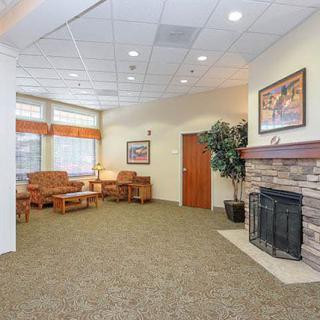



 Understanding the Sandwich Generation: Stress and Responsibilities for Multigenerational Caregivers
 8 Essential Assistive Devices for Older Adults
 Navigating the Financial Road to Nursing Home Care: In-Depth Guidance and Resources