Prestige Senior Living Arbor Place Costs & Pricing
Prestige Senior Living Arbor Place offers competitive pricing for its accommodations in comparison to both Jackson County and the state of Oregon. For a studio, residents can expect to pay $3,900 per month, which is notably lower than the county's average of $4,239 and slightly above the state's average of $3,815. One-bedroom units are priced at $4,350, aligning closely with Jackson County's average of $4,461 while remaining significantly higher than Oregon's average of $3,904. Those who opt for semi-private rooms will find Arbor Place's rate of $5,000 slightly above Jackson County's average of $4,919 but more in line with Oregon's broader market average of $4,457. Overall, Prestige Senior Living Arbor Place provides an appealing option within the regional landscape for seniors seeking comfortable living arrangements that balance quality care with affordability.
Floor plans
Prestige Senior Living Arbor Place
Jackson County
Oregon
Studio
$3,900
$4,239
$3,815
1 Bedroom
$4,350
$4,461
$3,904
Semi-Private
$5,000
$4,919
$4,457
Memory care communities with a similar price nearby
Overall Review of Prestige Senior Living Arbor Place
common26 reviews mention this
Staff care and responsiveness stand out
Residents and families consistently describe staff members as attentive, kind, and responsive.
Across reviews, families describe care teams who take time to get to know residents and follow through when questions come up. Several people specifically mention being able to approach staff with concerns and feeling heard, including during transitions and stressful moments like hospice. Multiple reviews also describe staff as supportive across different roles, not just caregivers.
caveat8 reviews mention this
Dining quality feels mixed
Dining is a common point of disagreement, with both praise and complaints.
Some reviewers say meals are delicious and nutritious, and others mention room service or the ability to get meals delivered. At the same time, multiple reviews call out bland food or not-good nutrition, and one notes the menu feels limiting. A few reviews describe food as a frequent concern or something that needs improvement, even while other aspects of the community earn strong praise.
caveat6 reviews mention this
Activities may be uneven by care level
Activities show up in reviews, but some residents need more for memory care.
Several reviews describe a calendar of activities, including events and outings, and some mention residents staying engaged. However, other reviewers specifically say activities are lacking, especially for memory care, or that they would like more going on. Even in positive reviews, the emphasis sometimes shifts from broad programming to smaller day-to-day options that feel sufficient for some families but not all.
caveat6 reviews mention this
Staffing and communication raise concerns
Some reviews report communication gaps and short staffing that can affect care.
A few reviewers describe difficulty with communication and follow-through, including concerns about how quickly needs get addressed. Several also reference understaffing or overwhelmed new staff, and one review describes a resident falling after moving in. Other reviews acknowledge staffing challenges while still saying the people they see are caring, which helps explain why experiences vary from reviewer to reviewer.
caveat3 reviews mention this
Pricing runs higher than many expect
Pricing is described as expensive, and some families saw increases after move-in.
A few reviews mention that the community is pricey, and one person says the rent was raised considerably, prompting them to leave. Another review notes the service plan cost went up after the initial period and describes confusion about how pricing was adjusted. This theme fits the published move-in range and suggests families may want to review pricing details carefully during the evaluation process.
How we summarize
Counts show how many written reviews mention each theme; a review can touch several themes, and only frequently mentioned themes are displayed.
Features
Housing
64 resident community capacity
1-bedroom apartments
Studio apartments
Types of Care
Assisted Living
Memory Care
Pets
Cats allowed
Dogs allowed
Amenities
Activities on-site
Air-conditioning
Beautician on-site
Beauty salon
Cable or satellite TV
Computer center
Devotional services off-site
Dining room
Financing advice
Fitness room
Fully furnished
Gaming room
Garden
Ground floor units
Guasts at mealtime
Guest parking
Handicap accessible
Housekeeping services
Indoor common areas
Kitchenette
Laundry
Located close to restaurants
Located close to shopping centers
Move-in coordination
Outdoor patio
Outdoor space
Overnight guests
Party space
Pet friendly
Private bathrooms
Private cleaning services
Religious/meditation center
Resident parking
Respite or short term stays offered
Restaurant-style dining
Small library
Spa
TV room
Telephone
Wellness center
Wheelchair accessible showers
Wi-Fi/high-speed internet available
Transportation
Rogue Valley International (5 miles away)
Community operated transportation
Transportation & parking
Transportation arrangement
Transportation arrangement (non-medical)
Care Services
12-16 hour nursing
24-hour call system
24-hour supervision
Activities of daily living assistance
Ambulatory care
Assistance with bathing
Assistance with dressing
Assistance with transfers
Coordination with health care providers
Dementia waiver
Diabetes diet
Diabetic care
Hospice care
Hospice waiver
Incontinence care
Meal preparation and service
Medication management
Mental wellness program
Mild cognitive impairment
Special dietary restrictions
Specialized memory care programming
Transportation arrangement (medical)
Transportation to doctors appointments
Dining
Diabetes diet
Guest meals
Low / no sodium
Meals provided
No Sugar
Professional chef
Restaurant style dining
Room service
Special dietary restrictions
Special dining programs
Activities
Activities off-site
Art classes
Arts and crafts
Bible study group
Book club
Community-sponsored activities
Concierge services
Cooking classes
Cooking club
Day trips and outings
Devotional activities offsite
Educational speakers / life long learning
Fitness programs
Games
Gardening club
Happy hour
Karaoke
Live musical performances
Planned day trips
Protestant services
Religious services
Resident-run activities
Scheduled daily activities
Stories
Tai Chi
Visiting chaplain or priest
Wii bowling
Wine tasting
Yoga / chair yoga
Languages Spoken
English
Nearby Places of Interest
This part of Medford, Oregon, offers a variety of healthcare options with several reputable physicians, pharmacies, and a hospital nearby. The area also features a selection of restaurants and cafes for dining out or grabbing a coffee. Additionally, there are several parks in the vicinity where residents can enjoy nature and outdoor activities. For those interested in spirituality, there are places of worship within a short distance. Overall, this neighborhood provides convenient access to essential services and amenities that cater to the needs of seniors looking for a comfortable and vibrant community to call home.
Physicians
Silver Falls Dermatology (0.2 miles)
Ventana Wellness PC (0.3 miles)
Age Defying Dermatology Medford OR (0.3 miles)
King Aesthetics (0.3 miles)
Southern Oregon Neurosurgical & Spine Associates, PC (0.3 miles)
Triune Integrative Medicine - Robin H Miller MD (0.4 miles)
DaVita Rogue Valley Dialysis (0.4 miles)
Pharmacies
Asante Medford Pharmacy (0.5 miles)
Black Oak Pharmacy (0.6 miles)
Fred Meyer Pharmacy (1.6 miles)
Walgreens (1.9 miles)
Good Neighbor Pharmacy (2.4 miles)
Mother Earth Medicines (2.6 miles)
Rite Aid (2.6 miles)
Hospitals
Hearthstone Nursing & Rehabilitation Center (0.5 miles)
Asante Health System (0.7 miles)
Restaurants
Bonsai Teriyaki & Sushi (1.1 miles)
2Hawk Winery (1.1 miles)
Cracker Barrel (1.3 miles)
Jalapenos Taco Shop (1.3 miles)
Black Bear Diner Medford (1.3 miles)
The Point Pub and Grill (1.5 miles)
Taco Bell (1.6 miles)
Cafes
The Human Bean Medford, E. Barnett Rd (1.1 miles)
The Human Bean Medford, S. Pacific Hwy (1.4 miles)
Prestige Senior Living Arbor Place offers competitive pricing for its accommodations in comparison to both Jackson County and the state of Oregon. For a studio, residents can expect to pay $3,900 per month, which is notably lower than the county's average of $4,239 and slightly above the state's average of $3,815. One-bedroom units are priced at $4,350, aligning closely with Jackson County's average of $4,461 while remaining significantly higher than Oregon's average of $3,904. Those who opt for semi-private rooms will find Arbor Place's rate of $5,000 slightly above Jackson County's average of $4,919 but more in line with Oregon's broader market average of $4,457. Overall, Prestige Senior Living Arbor Place provides an appealing option within the regional landscape for seniors seeking comfortable living arrangements that balance quality care with affordability.
Prestige Senior Living Arbor Place offers a comprehensive suite of features that are crucial for supporting residents with dementia or Alzheimer's disease. The 24-hour supervision ensures a safe environment where residents receive constant oversight, while assistance with daily living activities such as bathing and dressing fosters independence and dignity in their routines. Coordination with healthcare providers is vital for tailored medical interventions, while the dementia waiver allows flexibility in care approaches suited to individual needs. Incontinence care and meal preparation address essential health and nutritional requirements, promoting overall well-being. Furthermore, medication management minimizes the risk of errors, ensuring that residents adhere to their treatment plans effectively. The mental wellness program and specialized memory care programming engage residents cognitively, enhancing their quality of life through structured activities. Lastly, transportation arrangements for medical appointments ensure continuity of care, reducing stress on both residents and families while supporting overall health management.
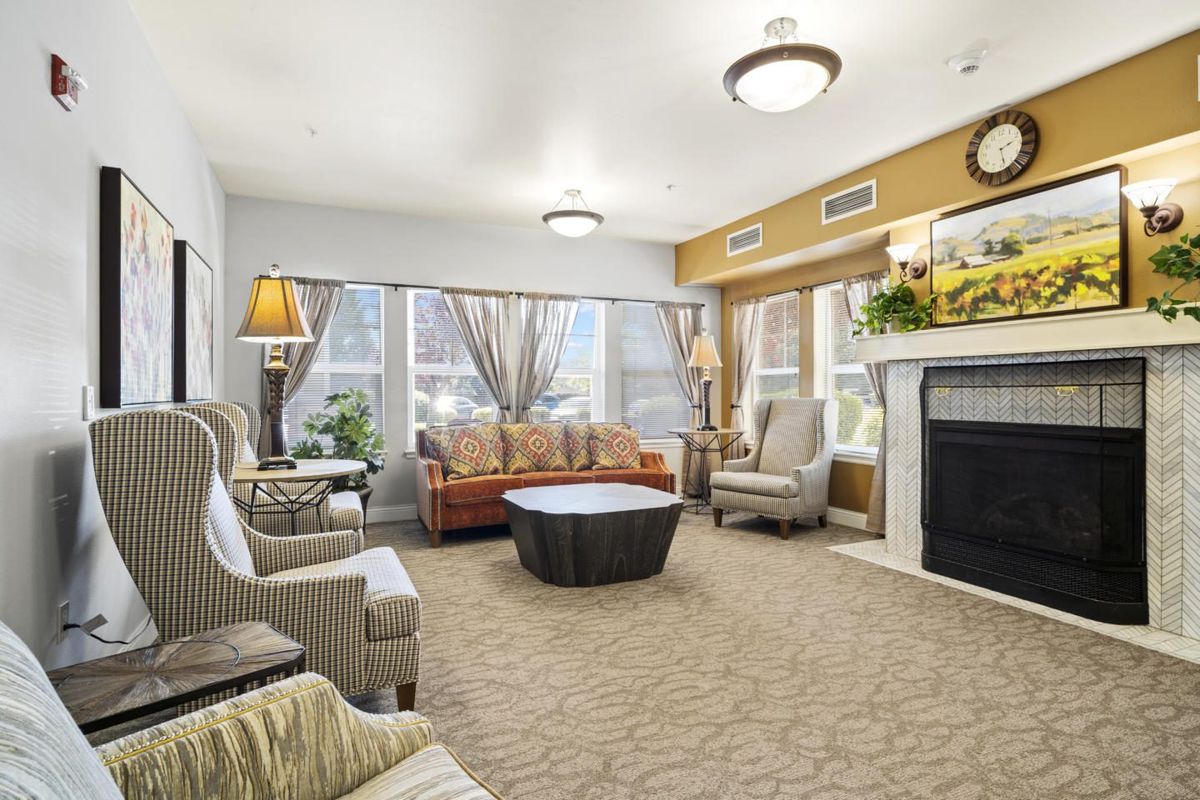
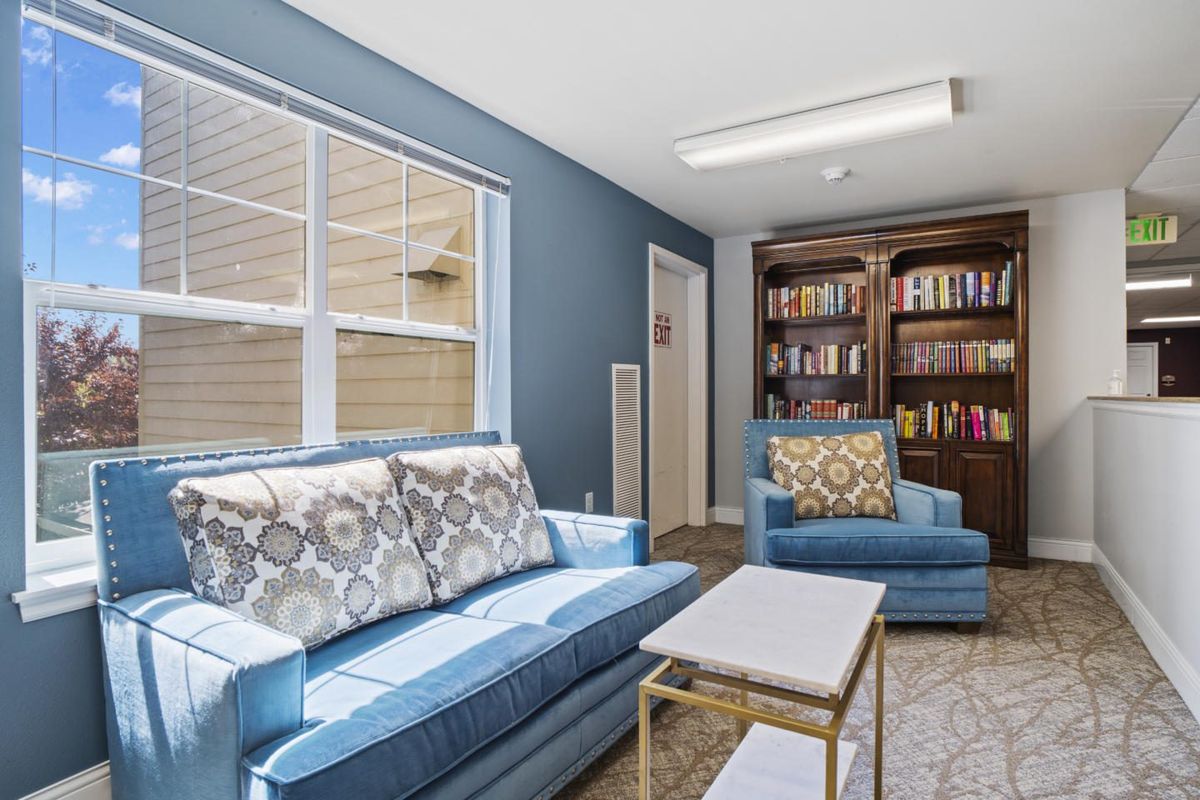
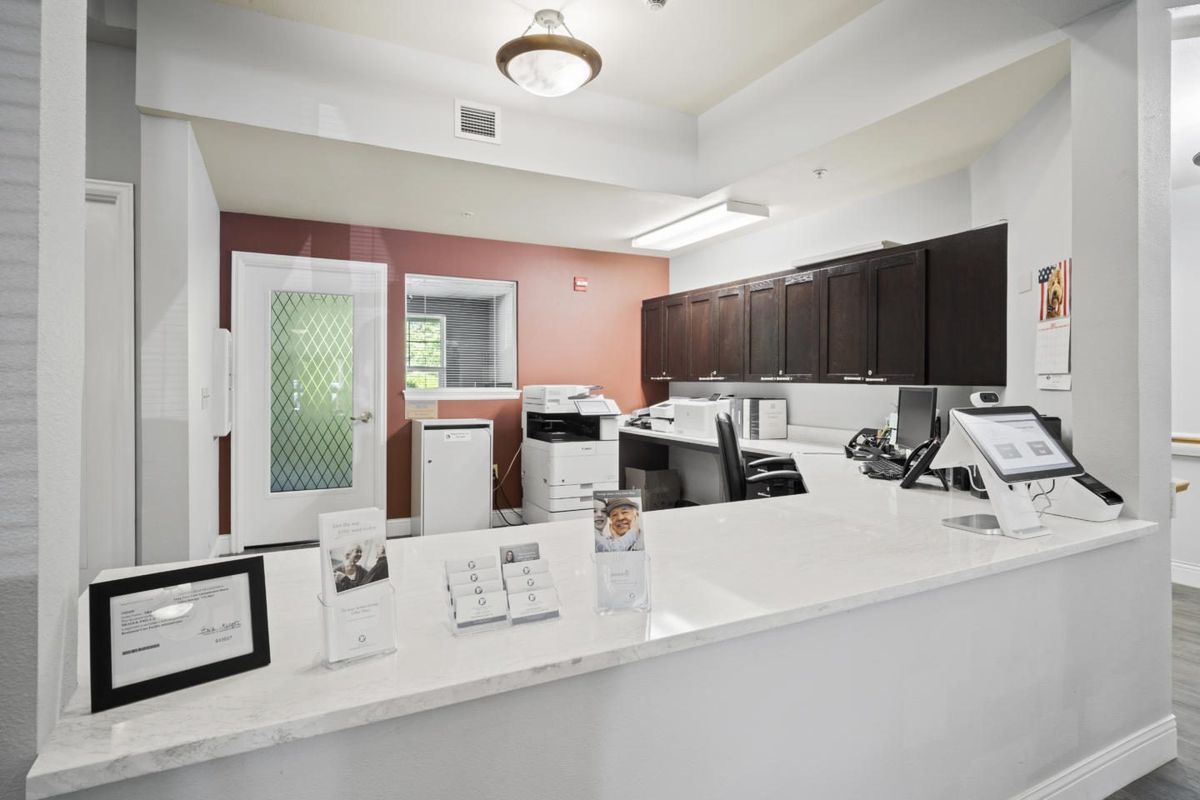
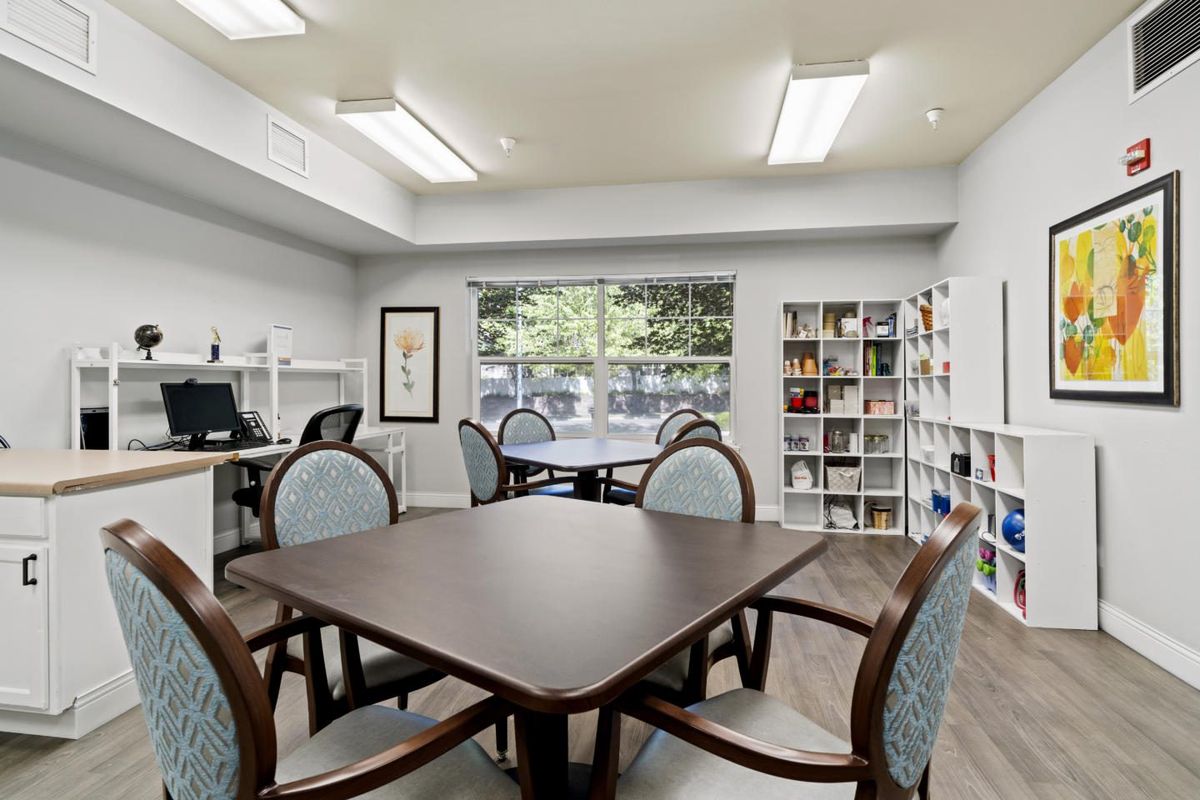
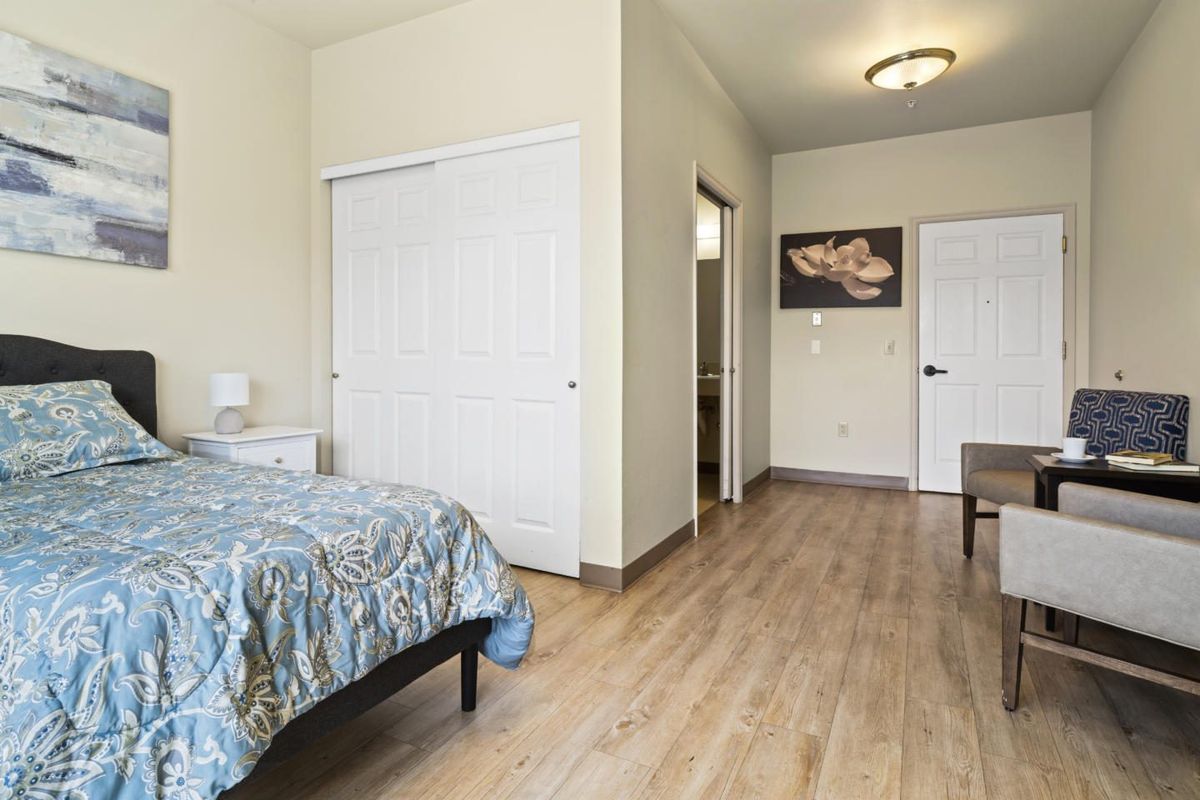
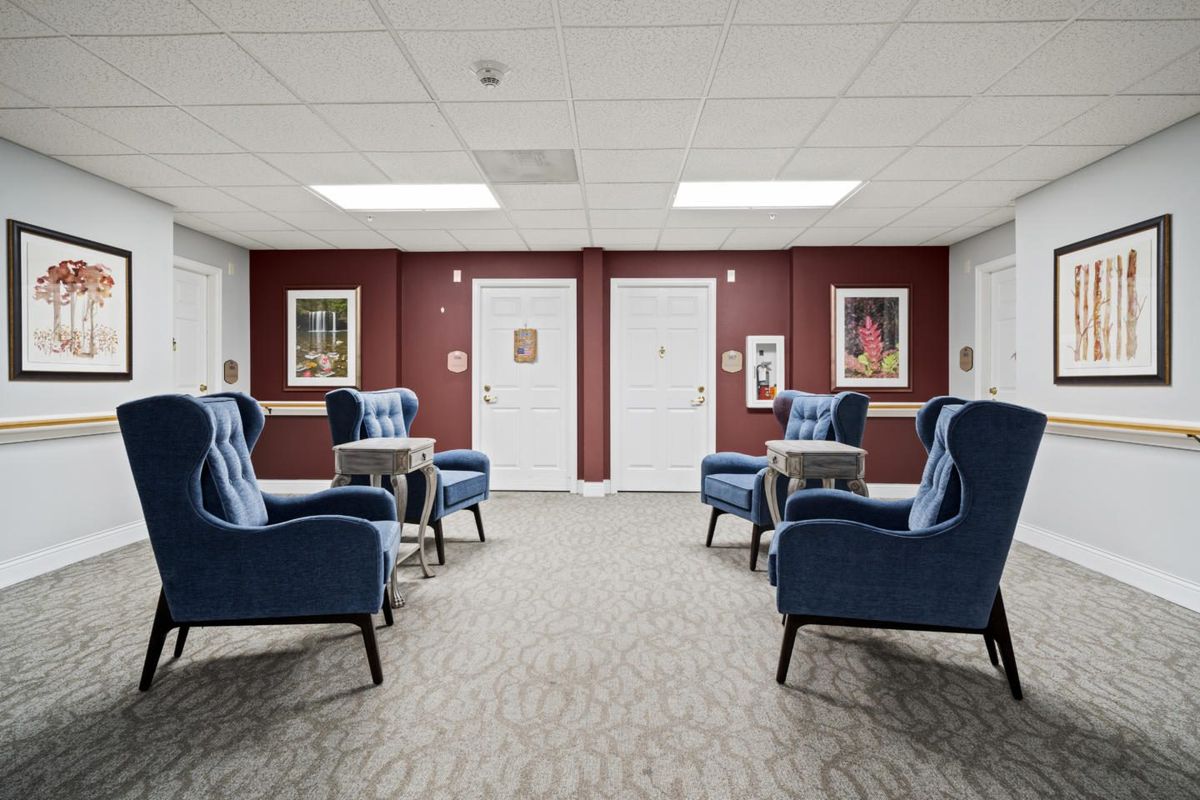
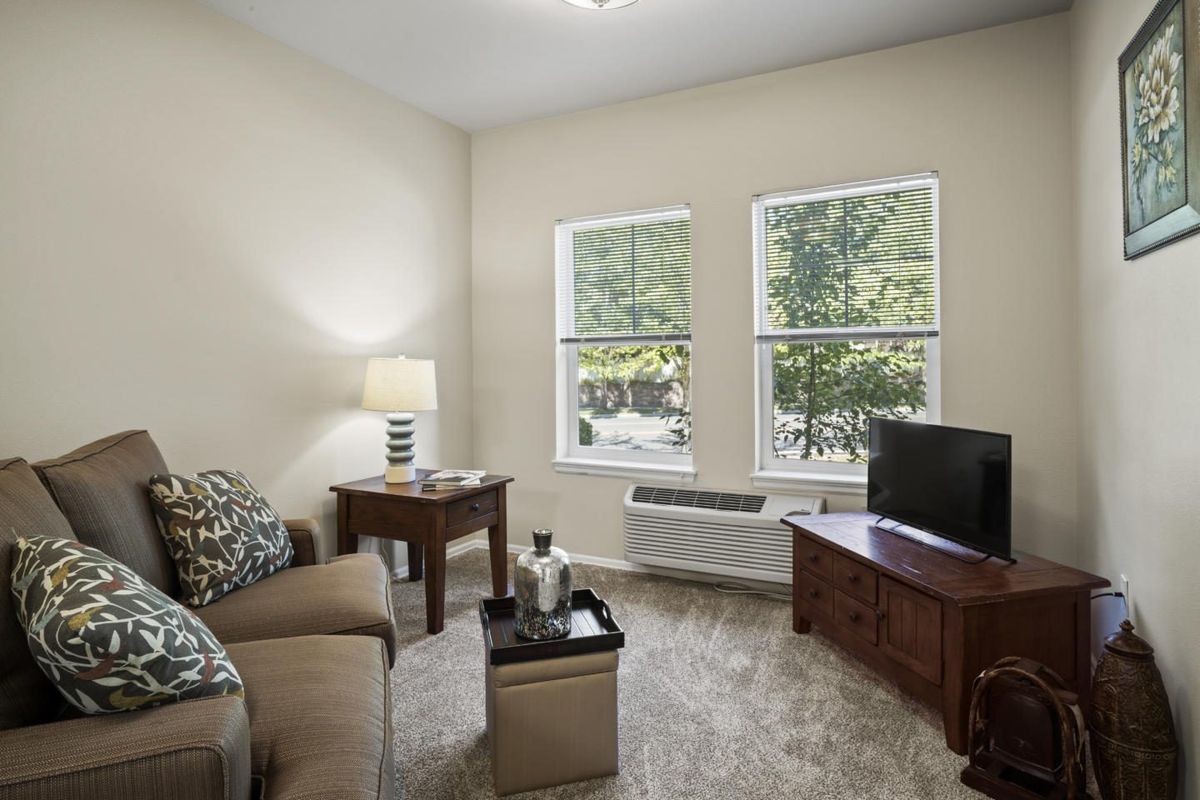
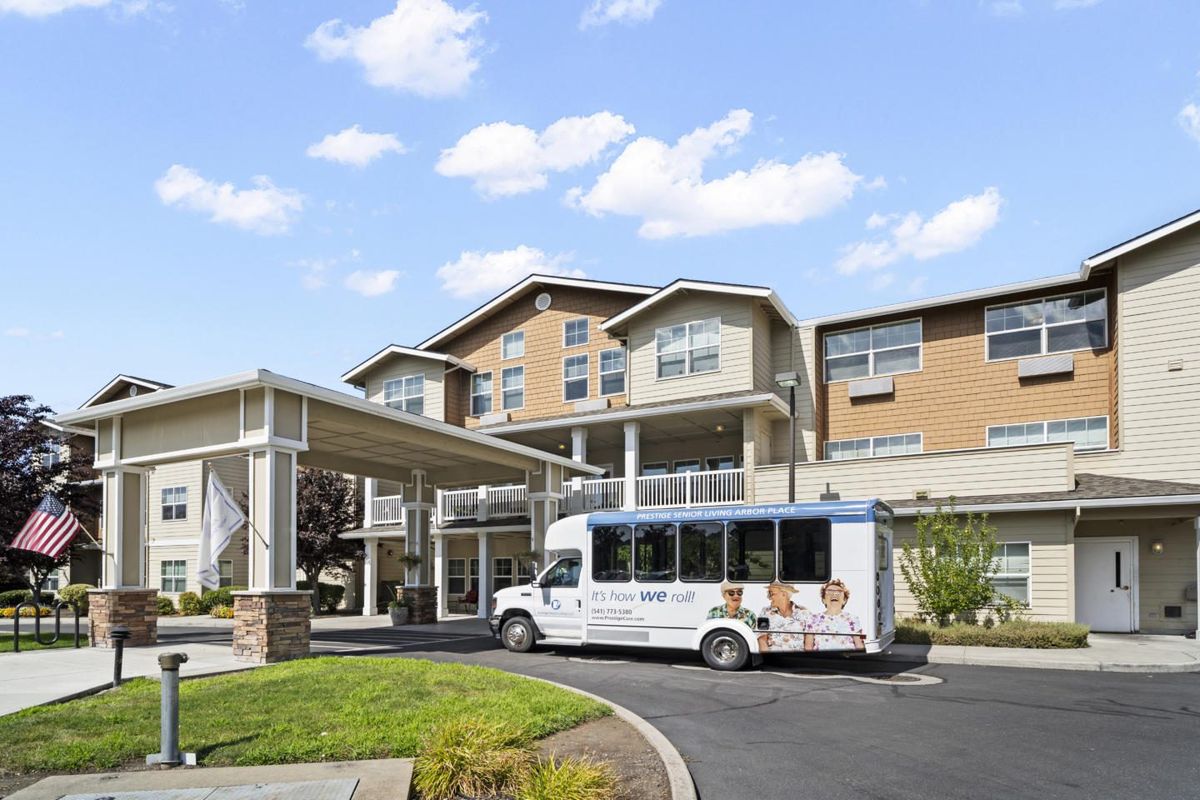
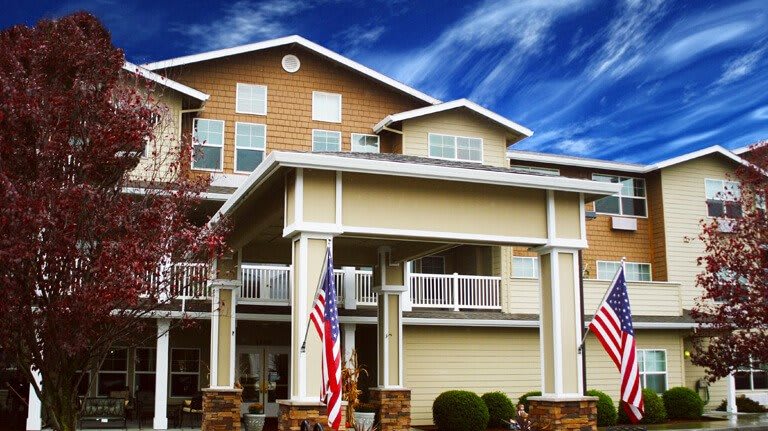
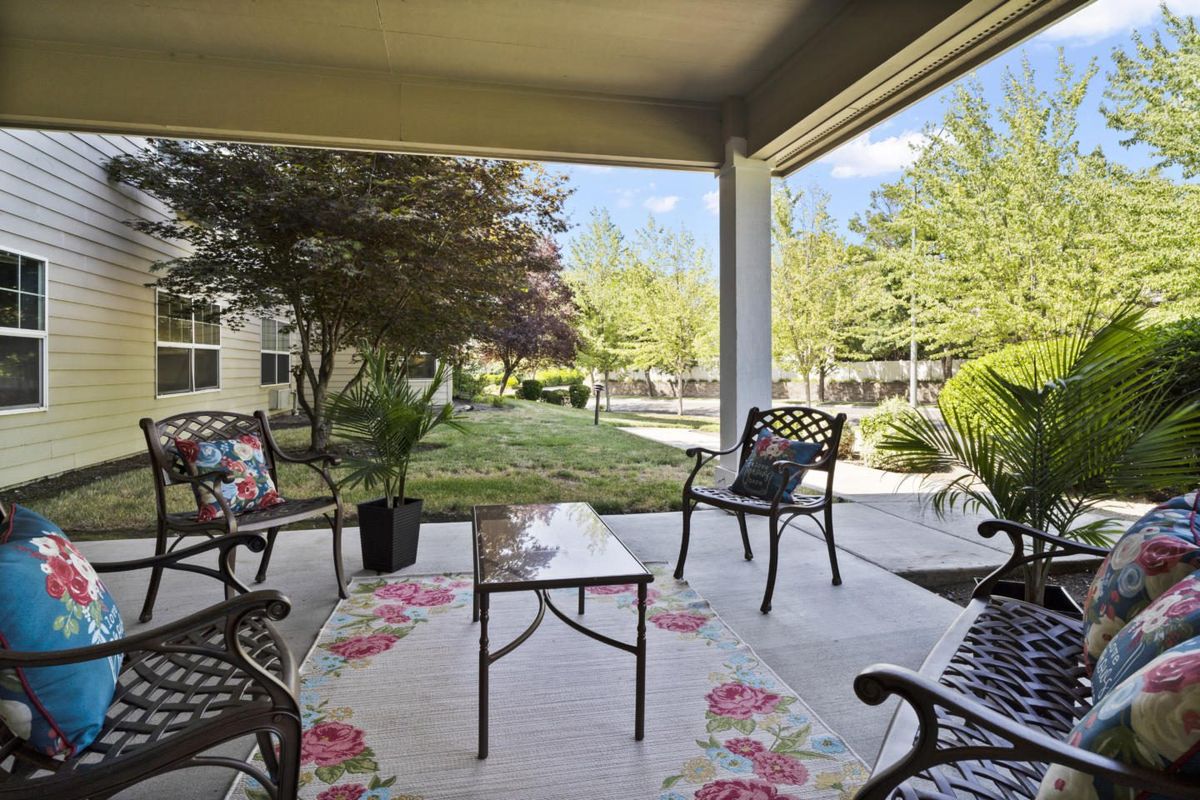
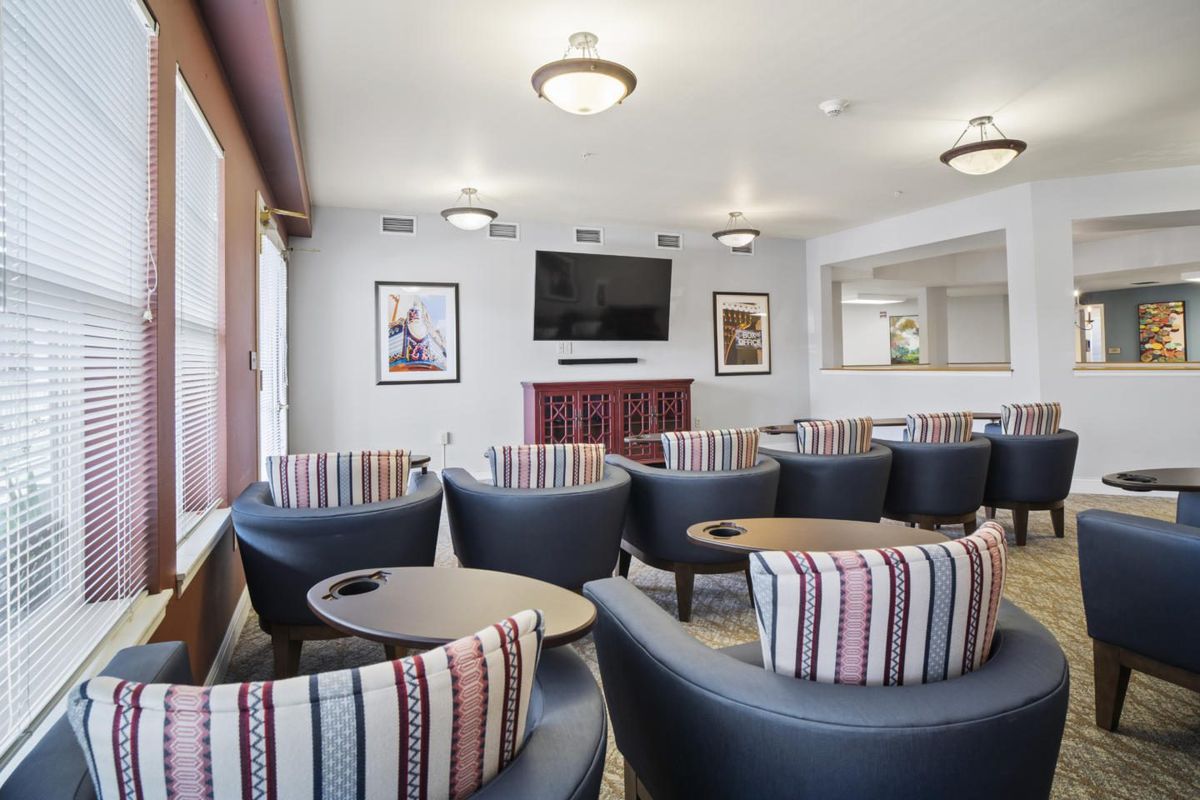
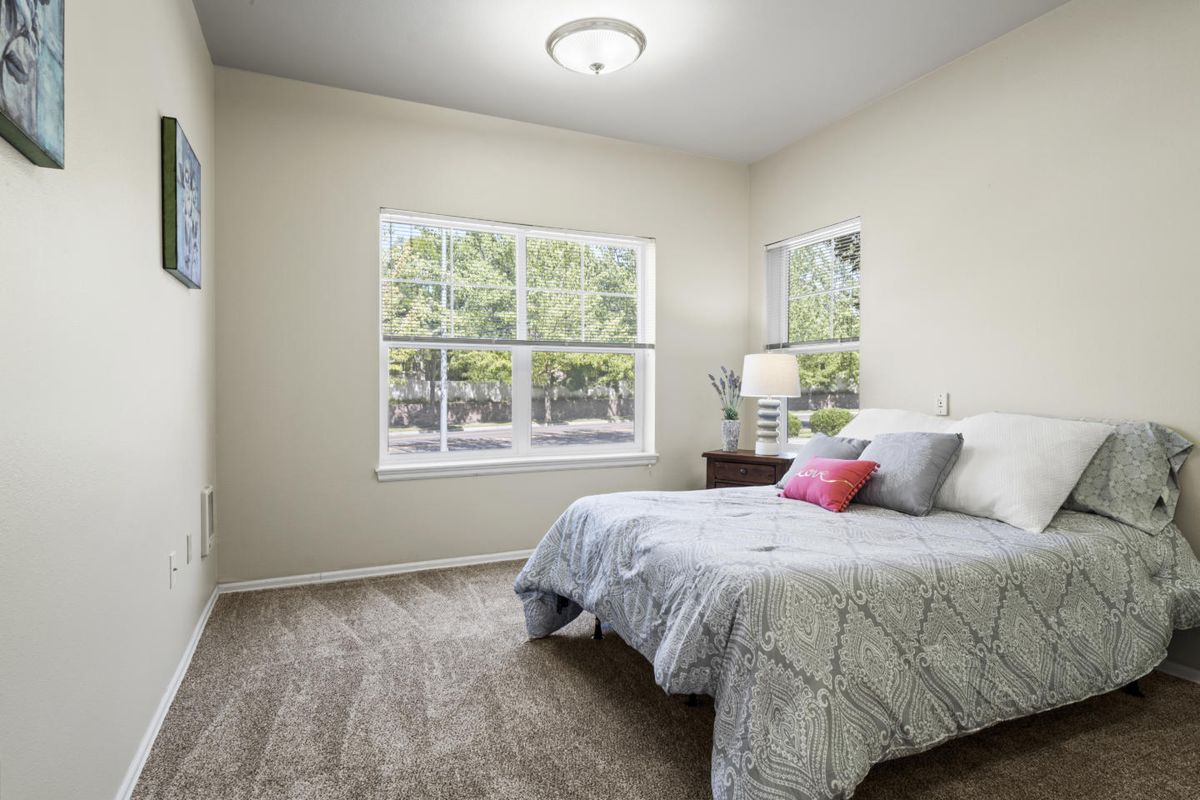
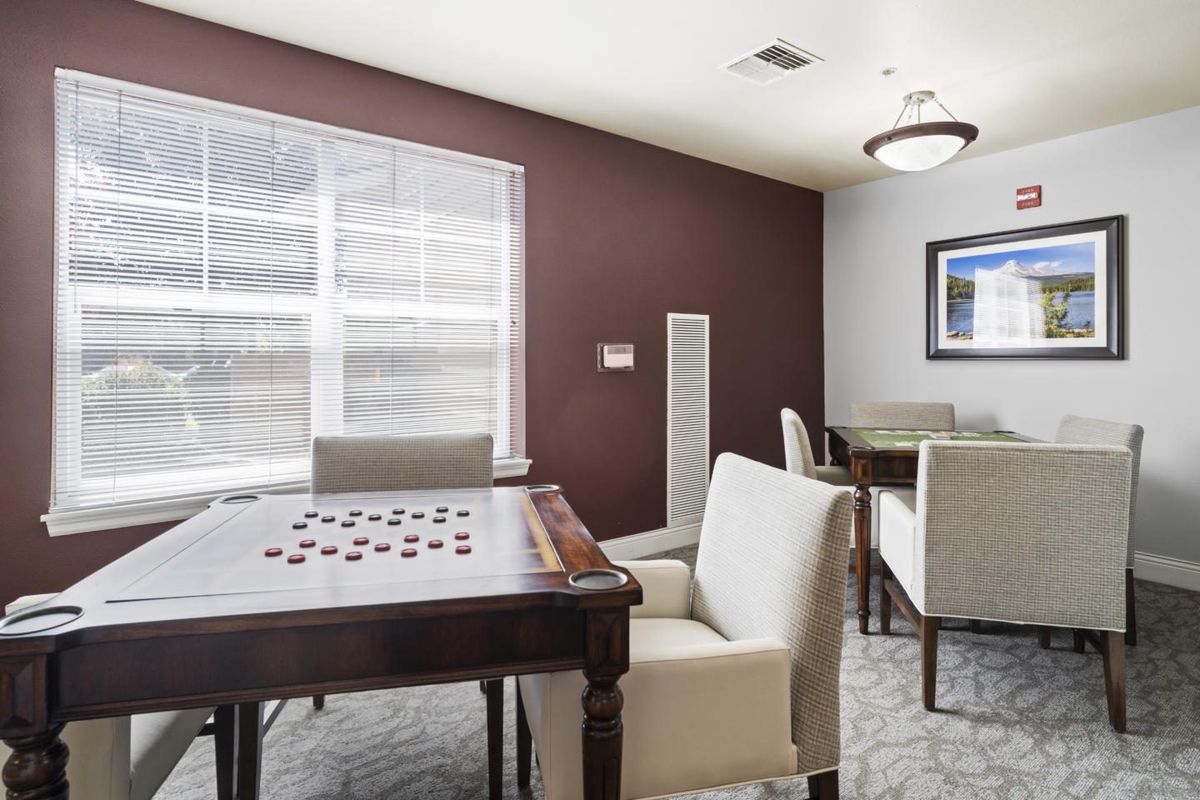
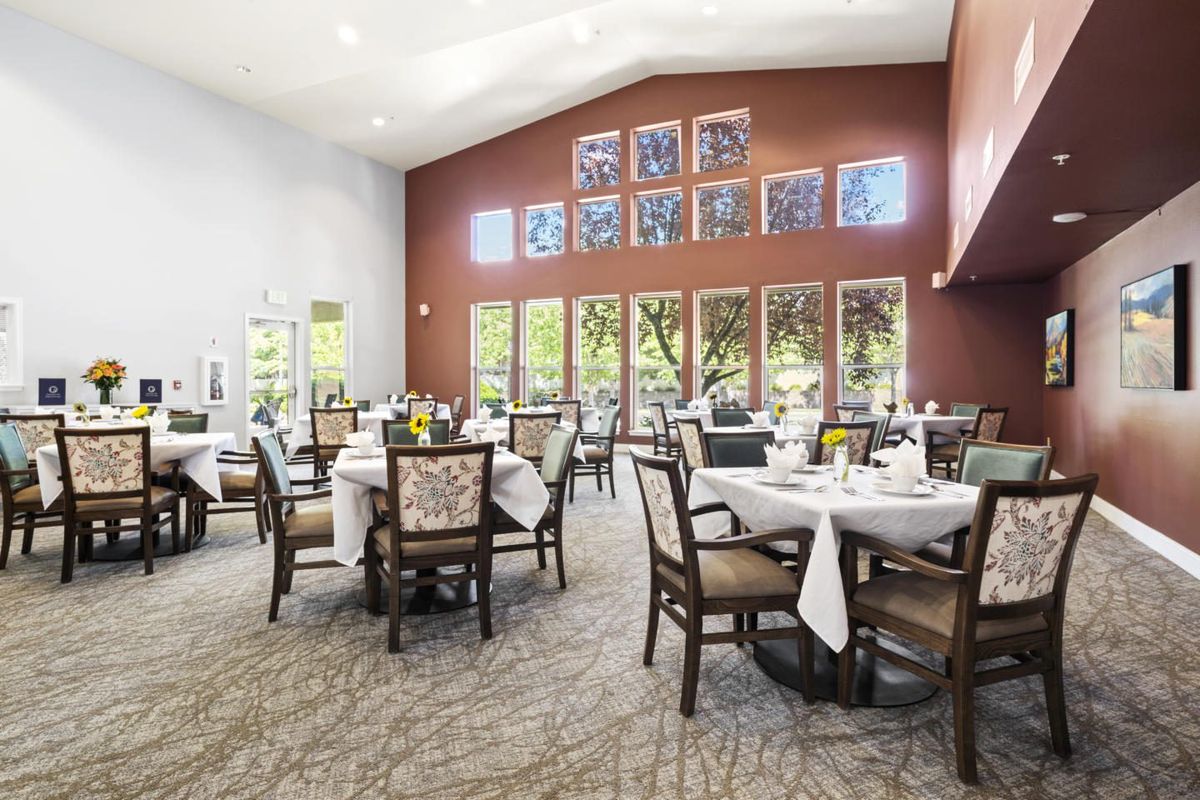
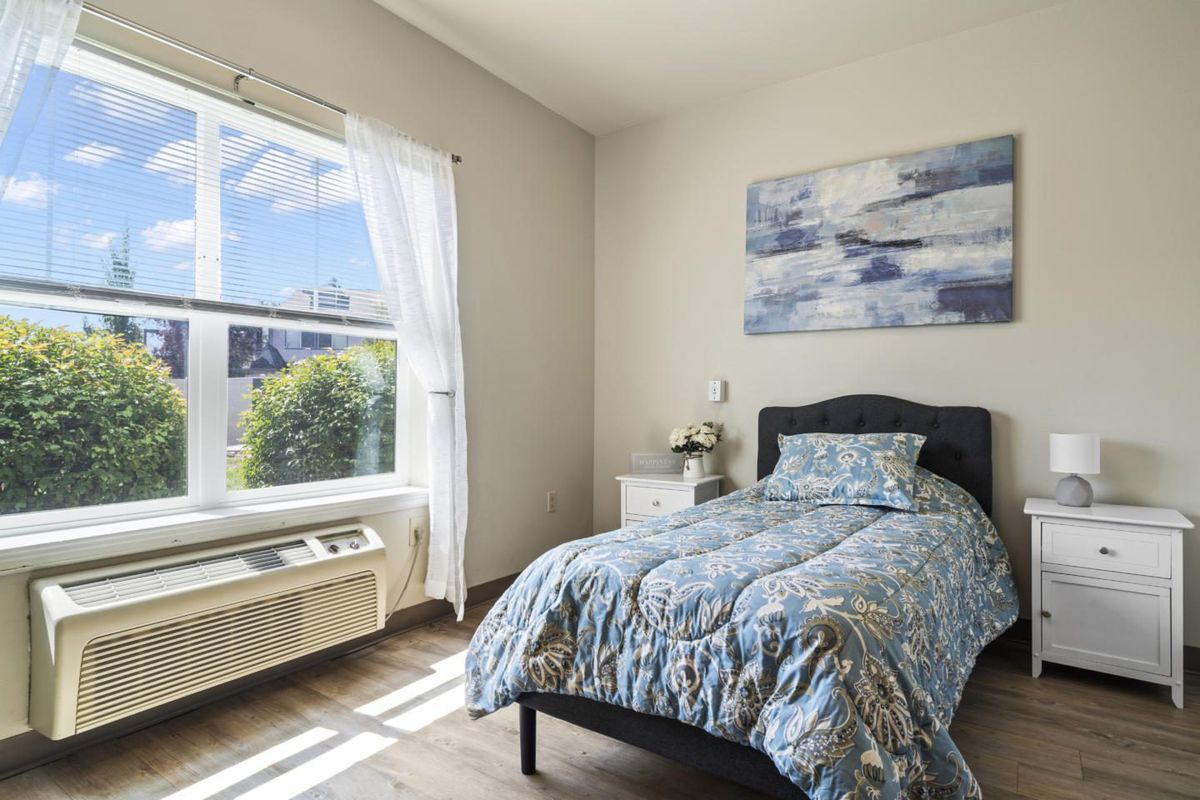
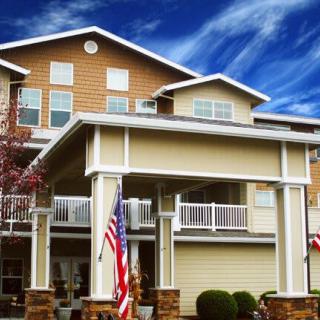
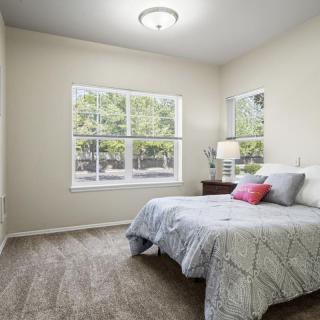
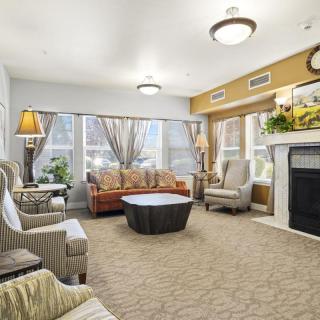
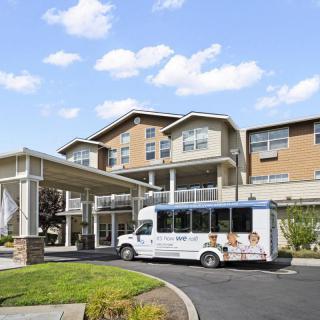
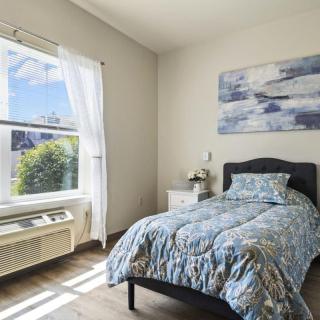
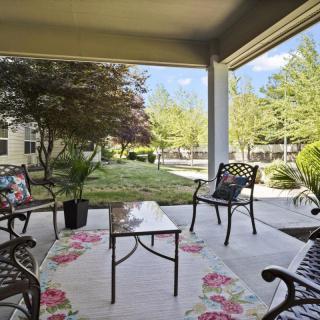
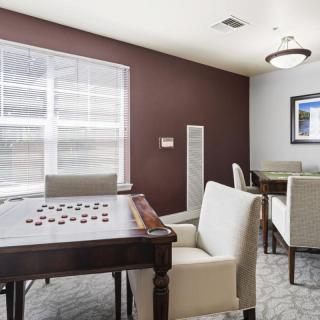
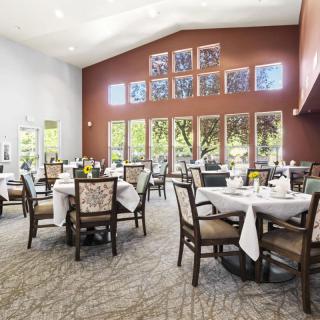
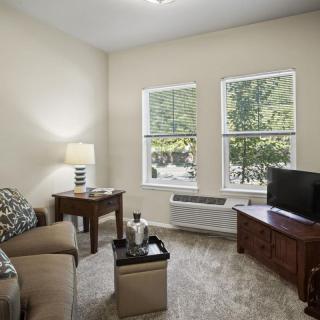
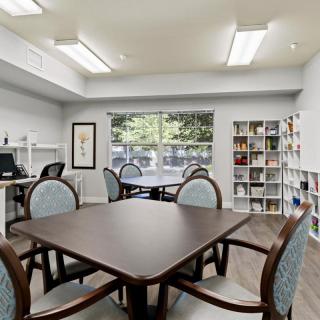
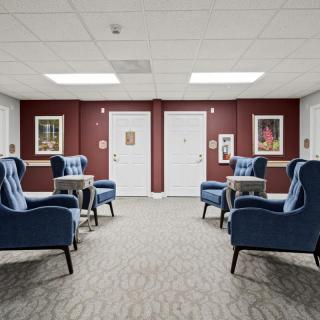
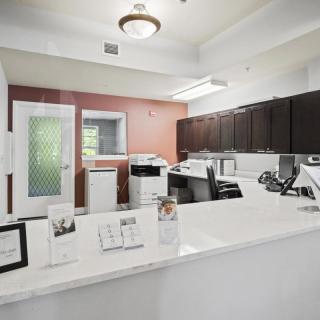
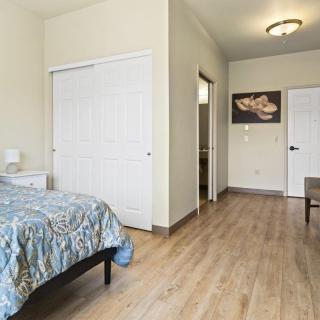
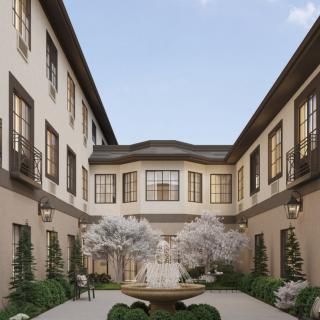
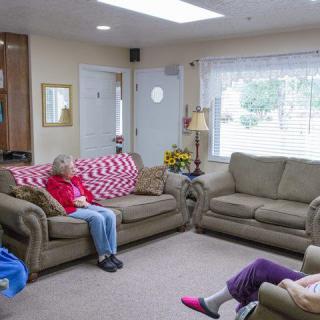
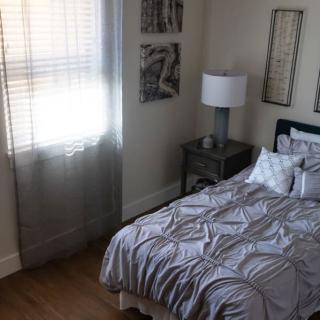
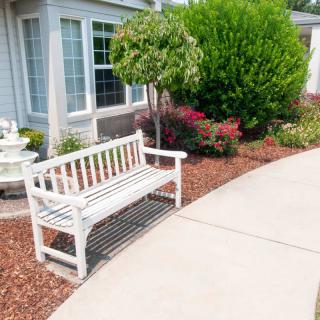
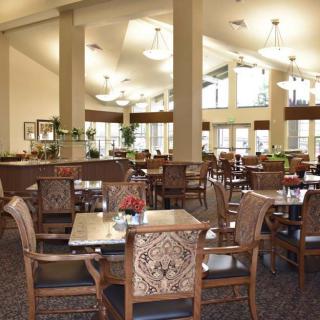
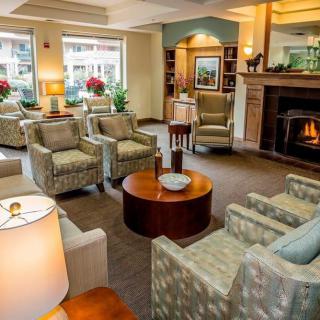
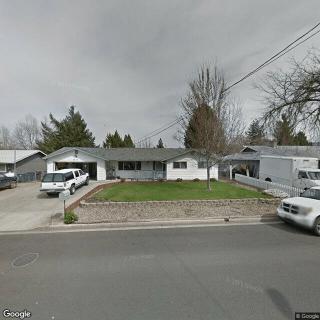
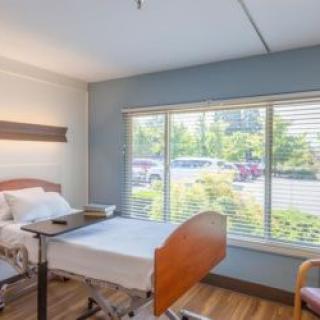
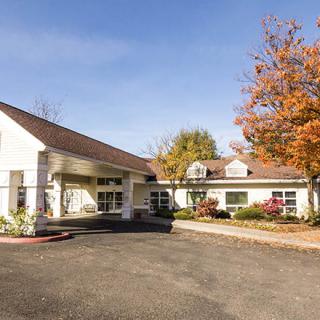
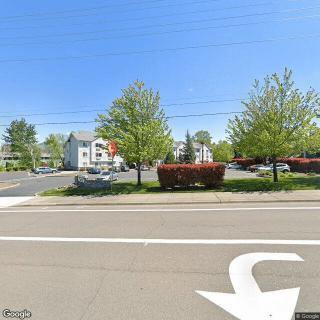
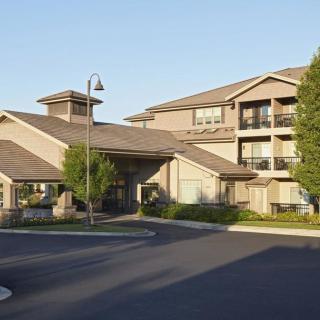
Prestige Senior Living Arbor Place on seniors.fyi includes 15 photos including images showing interior, windows, decor, bedroom, living room, dining, building, television, and more.
Nearby Communities
West Wind Ecu
Medford, OR
3.8 from 13 reviews
Small, intimate 16-unit community with comprehensive assisted living services and furnished living spaces.
Ridgeview Assisted Living Center
Medford, OR
3 from 2 reviews
$6,251 / month
Strong amenity and care package (24/7 supervision, salon, fitness, restaurant-style dining)
The Springs at Anna Maria
Medford, OR
4.6 from 87 reviews
$3,150 to $5,618 / month
Attentive staff, welcoming atmosphere, and an active, well-maintained community.
Serenity Harbor AFH
Medford, OR
4.4 from 7 reviews
$2,190 to $3,800 / month
Friendly staff and good meals in a clean, home-like setting.
Barnett Woods
Medford, OR
4.6 from 54 reviews
$2,300 to $2,750 / month
Friendly staff and a wide range of on-site activities
Hearthstone Nursing & Rehabilitation Center
Medford, OR
2.5 from 67 reviews
Robust amenities and 24/7 nursing care.
Brookdale Medford
Medford, OR
4.2 from 122 reviews
$3,380 to $4,060 / month
Warm, caring staff in a clean, welcoming community with engaging activities.
Larson Creek Retirement Ctr
Medford, OR
4.6 from 13 reviews
Excellent access to nearby healthcare, dining, and parks.
The Springs at Veranda Park
Medford, OR
4.5 from 55 reviews
$2,995 to $4,995 / month
Excellent dining and an active community with diverse housing options.
Transitioning from assisted living to memory care is driven by an individual's cognitive decline and specific needs, requiring careful evaluation of indicators like increased confusion and wandering. The process involves consulting medical professionals, researching suitable communities, considering financial and legal aspects, and ensuring effective communication for personalized care plans.
The article differentiates between assisted living and memory care, explaining that assisted living supports seniors with daily activities while promoting independence, whereas memory care provides specialized services for individuals with dementia, focusing on secure environments and cognitive support. It also addresses staff training, safety considerations, costs, family involvement, and transition strategies for families navigating these care options.
The article outlines effective communication strategies for interacting with loved ones with dementia, highlighting the need for empathy, patience, and understanding while emphasizing supportive approaches like using simple language, minimizing distractions, and focusing on feelings over facts to maintain dignity and foster connection. It also suggests seeking professional guidance when needed as communication challenges evolve.
Get PricingAsk A QuestionSchedule A TourContact Senior Advisor
By clicking submit, you agree to our Partner's Terms of Use. You
also consent to receive calls and texts, which may be autodialed, from our Partner. Your consent is not a condition to
using our Partner's service. Please visit our Partner's Privacy Policy for information about their privacy practices.

 64 resident community capacity
 1-bedroom apartments
 Assisted Living
 Memory Care
 Cats allowed
 Dogs allowed
 Activities on-site
 Air-conditioning
 Beautician on-site
 Cable or satellite TV
 Computer center
 Devotional services off-site
 Dining room
 Financing advice
 Fitness room
 Fully furnished
 Gaming room
 Garden
 Ground floor units
 Guest parking
 Handicap accessible
 Housekeeping services
 Indoor common areas
 Kitchenette
 Laundry
 Located close to restaurants
 Located close to shopping centers
 Move-in coordination
 Outdoor patio
 Outdoor space
 Overnight guests
 Party space
 Pet friendly
 Private bathrooms
 Respite or short term stays offered
 Restaurant-style dining
 Small library
 Spa
Spa Telephone
 Wheelchair accessible showers
 Wi-Fi/high-speed internet available
 Rogue Valley International (5 miles away)
 Community operated transportation
 12-16 hour nursing
 24-hour call system
 Ambulatory care
 Assistance with bathing
 Assistance with dressing
 Assistance with transfers
 Diabetes diet
 Diabetic care
 Hospice care
 Incontinence care
 Medication management
 Mental wellness program
 Special dietary restrictions
 Transportation arrangement (medical)
 Art classes
 Bible study group
 Book club
 Concierge services
 Cooking classes
 Day trips and outings
 Educational speakers / life long learning
 Games
Games Happy hour
 Karaoke
 Live musical performances
 Wii bowling
 Wine tasting
 English
 Small, intimate 16-unit community with comprehensive assisted living services and furnished living spaces.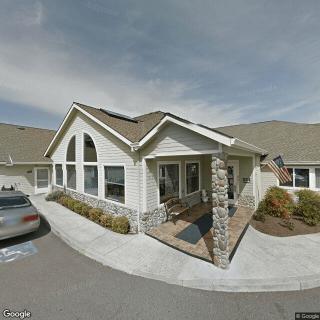
 When to Transition from Assisted Living to Memory Care: Key Indicators, Steps, and Finding the Right Community
 Understanding the Distinctions: Assisted Living and Memory Care Explained
 How to Communicate with a Loved One Living with Dementia: 10 Supportive Strategies