
3130 Juanipero Street, Medford, OR 97504
For more information about senior living options: (866) 208-4318
Overall Review of West Wind Ecu
Pros
 It is one of the few enhanced care facilities in Oregon, offering amazing care for loved ones.
- It is managed by and staffed with amazing people and has amazing tenants as well.
- The job application process is easy.
Cons
 The nursing home is understaffed and merely an average facility.
- It lacks community-oriented amenities like outdoor space, a patio, ping pong, or corn hole.
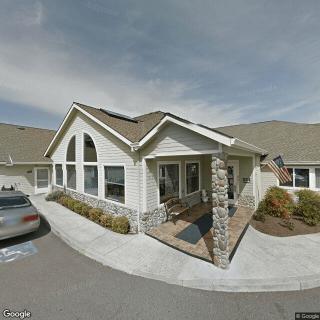
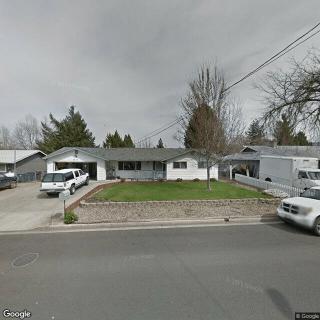
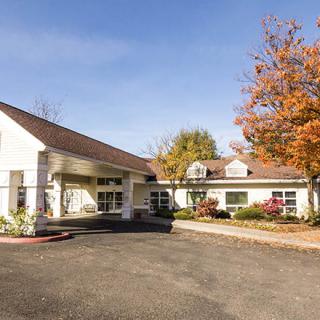
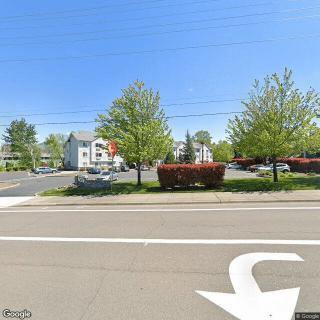
- The facility is difficult to find, and nobody in the neighborhood seems to know it exists.
- It is hard to locate on Google.
Review
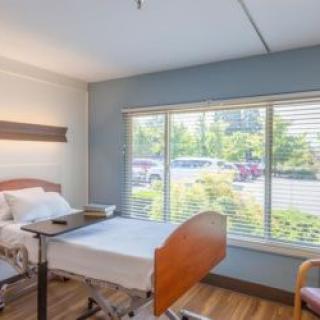
West Wind Ecu in Medford, Oregon is best suited for families that prioritize strong, attentive caregiving delivered by a steady, professional staff. The community is clearly built around enhanced care, with management and frontline caregivers described as genuinely committed to residents’ safety and comfort. In practice, this translates to reliable daily assistance, careful medication support, and a respectful, dignified approach to personal routines. Several reviews single out the care as a standout asset, noting residents as “amazing tenants” who contribute to a calm, orderly atmosphere. For families where the reassurance of competent hands and compassionate interaction is non-negotiable, West Wind Ecu delivers in spades, offering a foundation of trust that helps ease the burden of a caregiving transition.
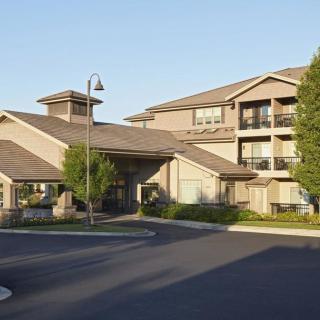
But this facility is not the right fit for everyone. Those who expect a lively, outward-looking community with abundant social programming may be left wanting. Complaints about understaffing point to slower responses and less opportunity for spontaneous engagement, which in turn dulls the social experience that many seniors and families value. The environment also lacks outdoor amenities, no patio, no visible communal recreation spaces, which can make the campus feel enclosed rather than inviting. Compounding this is a navigation hurdle: the building is hard to find and not well known in the neighborhood, creating friction for visitors and new residents alike. A quick read of the feedback suggests turnover dynamics that can further affect daily consistency.
The core pros, high-quality care, dedicated staff, and solid management, do provide meaningful offsets against these cons, yet only to a point. When staffing is adequate, caregivers can deliver attentive, personalized support that supports independence and reduces anxiety for families. The caring demeanor of the staff, combined with administrative leadership, reinforces a sense of safety and continuity that families crave during a move into assisted living. That foundation matters more when activity options are limited; it creates a dependable baseline of resident well-being and reduces the risk that residents feel neglected or isolated. In other words, the strength of caregiving can compensate for some environmental and programmatic gaps, but it does not erase them.
Where the gaps are most felt is in the social and environmental realm. Without built-out outdoor spaces or a robust activity calendar, residents may have fewer structured opportunities for movement and interaction, which can impact mood and overall quality of life. The absence of communal outdoor areas also dampens family experiences during visits, as there are simply fewer settings for casual interaction or outdoor enjoyment. Additionally, the limited visibility within the local market can influence the sense of connection to the broader Medford community, making it harder for families to engage in local routines and for outsiders to discover the facility. These factors collectively shape the day-to-day experience beyond the core medical and personal care.
For families evaluating options, West Wind Ecu is a meaningful pick for care-first considerations but may fall short for those who insist on a vibrant, activity-rich environment and a campus that’s easy to locate and navigate. Alternatives are worth exploring if a more social atmosphere, greater outdoor access, and stronger neighborhood visibility are non-negotiables. Prospective residents should walk the campus during active hours, speak with several caregivers, and ask pointed questions about staffing ratios, response times, and how activities are actually executed for residents with varying mobility levels. A candid tour will reveal whether the current care strengths can coexist with a more energized community life.
In the end, West Wind Ecu earns its place for families prioritizing consistent, compassionate care delivered with professional restraint. When care quality and staff reliability are the top criteria, this community can deliver peace of mind that many families seek. If, however, the desire is for a more animated daily schedule, outdoor recreation options, and a clearly prominent local footprint, it is prudent to compare with alternatives that emphasize those elements. The decision hinges on balancing the undeniable care strengths against the practical realities of community life and site accessibility, and choosing the option that aligns with the resident’s social needs as firmly as the medical and daily living supports.
 16 resident community capacity
 Assisted Living
 Cable or satellite TV
 Dining room
 Fully furnished
 Garden
 Housekeeping services
 Move-in coordination
 Outdoor space
 Telephone
 Wi-Fi/high-speed internet available
 Rogue Valley International (5 miles away)
 24-hour supervision
 Activities of daily living assistance
 Assistance with bathing
 Assistance with dressing
 Assistance with transfers
 Diabetes diet
 Meal preparation and service
 Medication management
 Special dietary restrictions
 Transportation arrangement (medical)
 Transportation to doctors appointments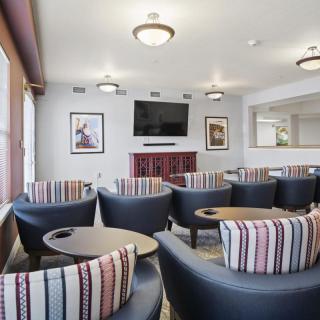

 Understanding the True Cost of Assisted Living in 2025: A Comprehensive Guide
 Understanding Medicaid Coverage for Assisted Living: A Comprehensive Guide
 How and When Medicaid May Cover Assisted Living Costs