For more information about senior living options: (866) 208-4318
4.2 from 41 reviews
5 stars
31
4 stars
2
3 stars
0
2 stars
1
1 stars
7
Overall Review of Mary's Woods at Marylhurst
differentiator9 reviews mention this
Dining quality comes up often
Dining quality is a frequent point of praise, with a few serious complaints.
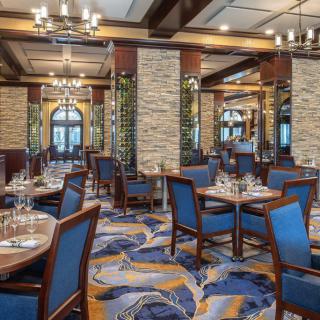
Several reviews describe the food as very good or excellent, including comments that it feels more like restaurant dining than institutional meals. Some residents and family members also mention trying meals or tasting the food during visits. A smaller set of reviews is sharply negative, citing issues with food quality alongside broader concerns about care.
common17 reviews mention this
Staff support is a mixed story
Residents and families consistently mention staff kindness, responsiveness, and help.
The most consistent positive theme is the way staff treat residents, with multiple reviewers describing friendly, caring, and responsive interactions. Some also note helpful communication in day-to-day situations like support with moving, meals, and logistics. At the same time, a couple of reviews raise serious concerns about care management, staff treatment, and morale under leadership changes.
common9 reviews mention this
Activities and campus life feel full
Residents describe a lot to do, including organized activities and campus spaces.
Many reviews highlight scheduled activities, functions, and exercise options, plus the sense that there is always something going on. Several also point to the campus setting—describing attractive grounds, common spaces, and easy access outdoors or to nearby routes and trails. One review notes that activities were more limited during a later period, with live streaming mentioned as a way to stay engaged.
caveat5 reviews mention this
CCRC levels are a key factor
Care varies by level, and skilled nursing needs may require leaving campus.
Some reviews describe the community as offering multiple care levels under one umbrella, including independent and assisted settings and access to nursing-home care on site. Others flag an important limitation: one reviewer specifically says skilled nursing is not available there and that hospital rehab can mean going to another facility nearby. A separate review questions whether there are enough assisted living and memory care options for people who need that support.
caveat6 reviews mention this
Costs and buy-in are recurring concerns
Price is a major factor, with several reviewers calling it very expensive.
Several reviews raise cost directly, describing the community as expensive and also discussing the buy-in concept when sharing their experience. One review says the community’s costs are more than they could afford elsewhere, while another calls out very high costs and additional charges beyond what was disclosed. There’s also a separate perspective that the facility felt upscale and high-income oriented, even if the price fit some families better than others.
caveat2 reviews mention this
Recent leadership changes worry families
A few reviews describe uncertainty and morale problems tied to leadership changes.
Two reviews tie negative experiences to changes under a new CEO, describing fragmentation, lowered morale, and concerns about the direction of the community. These accounts also connect staffing and care outcomes to leadership decisions, including turnover affecting residents and families. Other reviews are more positive about staff and culture, but these messages stand out as a distinct concern.
How we summarize
Counts show how many written reviews mention each theme; a review can touch several themes, and only frequently mentioned themes are displayed.
Features
Housing
79 resident community capacity
Types of Care
Assisted Living
Continuing Care Retirement Community (CCRC)
Independent Living
Memory Care
Amenities
Air-conditioning
Beauty salon
Cable or satellite TV
Computer center
Fitness room
Fully furnished
Gaming room
Garden
Housekeeping services
Kitchenette
Move-in coordination
Outdoor space
Overnight guests
Private bathrooms
Resident parking
Restaurant-style dining
Security gate
Small library
Swimming pool
Telephone
Wellness center
Wi-Fi/high-speed internet available
Transportation
Portland International (13 miles away)
Community operated transportation
Transportation & parking
Transportation arrangement
Transportation arrangement (non-medical)
Care Services
24-hour call system
24-hour supervision
Activities of daily living assistance
Assistance with bathing
Assistance with dressing
Assistance with transfers
Diabetes diet
Meal preparation and service
Medication management
Special dietary restrictions
Dining
Diabetes diet
Special dietary restrictions
Activities
Community-sponsored activities
Concierge services
Fitness programs
Planned day trips
Resident-run activities
Scheduled daily activities
Nearby Places of Interest
Cafes
Starbucks (1.2 miles)
Starbucks (3.4 miles)
Dutch Bros Coffee (3.7 miles)
Panera Bread (4.9 miles)
Peet's Coffee and Tea (4.9 miles)
Well & Good Coffee House (5.3 miles)
Starbucks (5.8 miles)
Parks
Stringfield Family Park (1.3 miles)
Mary S Young State Park Dog Run (1.5 miles)
George Rogers Park (1.5 miles)
Rivervilla Park (1.5 miles)
Dahl Beach (3 miles)
Tryon Creek State Park (3.1 miles)
Sellwood Riverfront Park (4.5 miles)
Pharmacies
Rite Aid (1.4 miles)
Walgreens (3 miles)
Rite Aid (3.1 miles)
Walgreens (3.1 miles)
Rite Aid (3.5 miles)
Kaiser Sunnybrook Pharmacy (4.2 miles)
CVS Pharmacy (4.3 miles)
Restaurants
Taco Bell (2.8 miles)
McDonald's (3.1 miles)
Hanko's Sports Bar & Grill (3.3 miles)
High Rocks Steak and Chops (3.6 miles)
Oregon City Brewing Company (3.7 miles)
Mike's Drive In (4 miles)
The Old Spaghetti Factory (4.5 miles)
Physicians
Avada Hearing Care Center (3.4 miles)
Pacific Digestive Associates (4 miles)
Sellwood Medical Clinic (4.2 miles)
Providence heart clinic - Cardiology (4.3 miles)
Pacific Heart Associates (4.3 miles)
Oregon Neurology PC (4.3 miles)
Providence Medical Group (4.3 miles)
Hospitals
West Linn Clinic - US Department of Veterans Affairs (3.5 miles)
Providence Milwaukie Hospital (3.5 miles)
Hand Reconstructive Surgery NW (3.8 miles)
Legacy Meridian Park Hospital (4.7 miles)
Kaiser Sunnyside Medical Center (4.8 miles)
Theaters
Regal Bridgeport Village ScreenX & IMAX (4.9 miles)
The variety of support services offered at Mary's Woods, such as assistance with dressing and bathing, fosters a sense of dignity while also ensuring that residents' personal care needs are met, which is crucial for those experiencing cognitive decline. Medication management helps prevent errors in dosage and timing, providing peace of mind for both residents and their families. Meal preparation and service not only guarantee that residents receive nutritious meals tailored to their dietary requirements but also promote social interaction during dining. Activities of daily living assistance encourages engagement and maintains independence where possible, enhancing the quality of life for individuals with memory impairment. The provision of assistance with transfers ensures safety and mobility, thereby reducing the risk of falls. Furthermore, 24-hour supervision offers a reassuring presence for residents, allowing them to feel secure in an environment designed specifically for their unique challenges related to dementia or Alzheimer's disease.
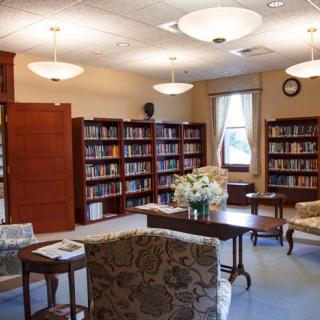
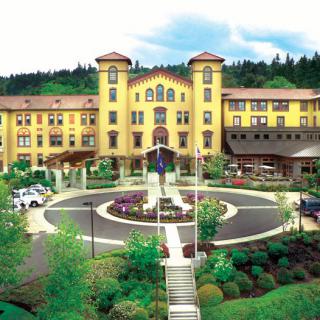
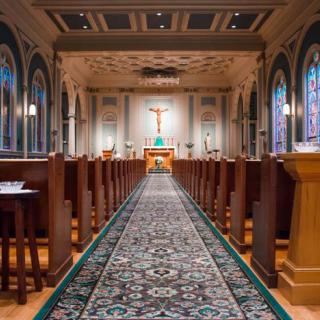
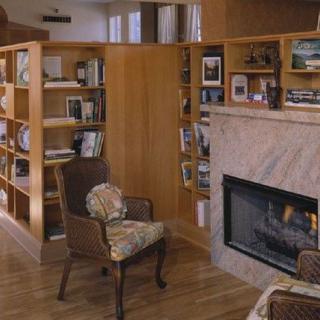
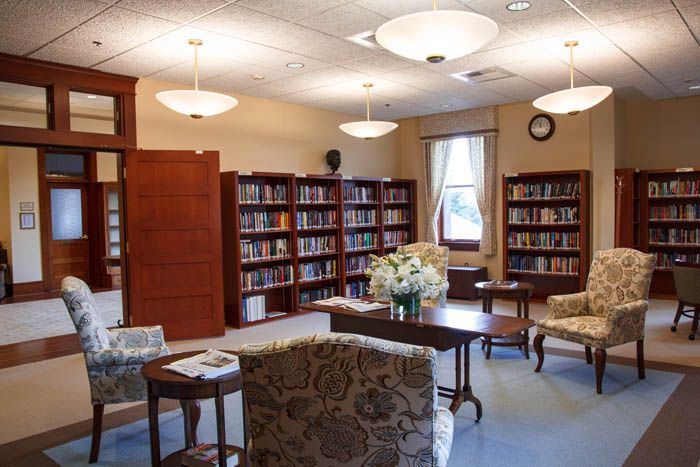
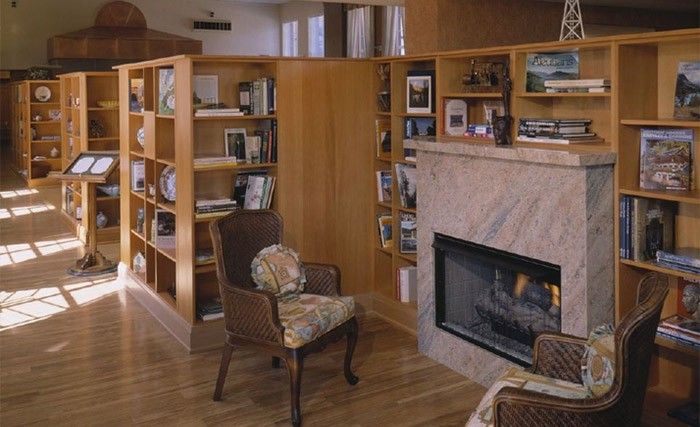
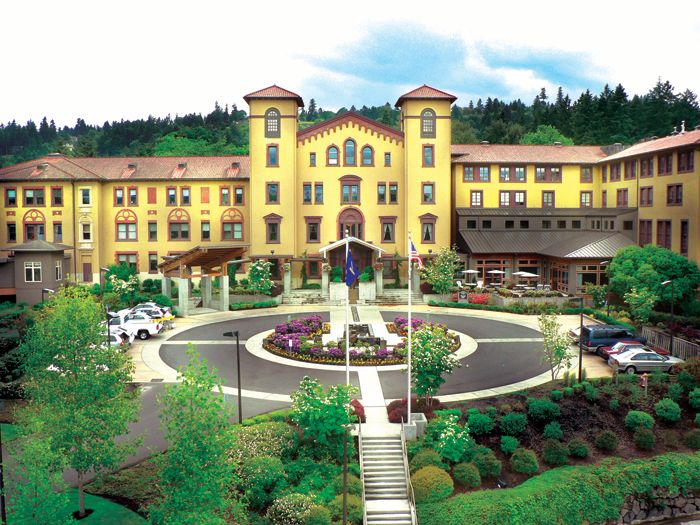
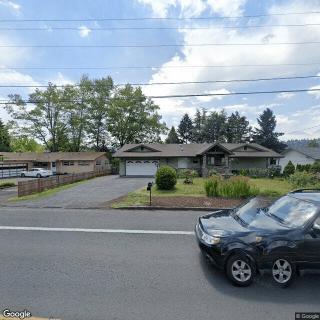
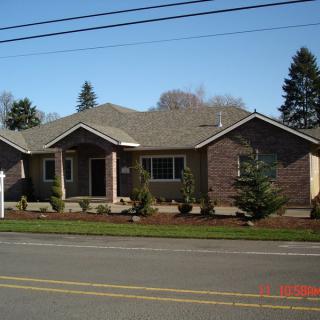
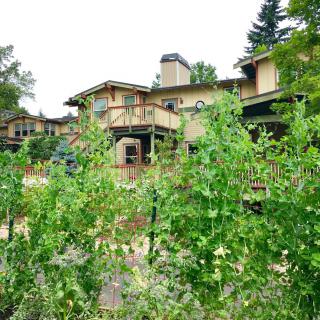
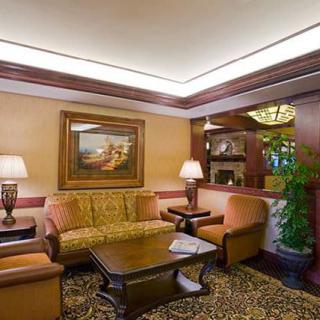
Mary's Woods at Marylhurst on seniors.fyi includes 5 photos including images showing interior, library, bookshelves, architecture, landscaping, reading area, church, building, and more.
Nearby Communities
Marie Rose Residential Care
Lake Oswego, OR
5 from 1 review
Comprehensive care and amenities (24/7 supervision, medication management, restaurant-style dining, housekeeping, mental wellness, outdoor spaces).
Marie Rose Center Assisted Living
Lake Oswego, OR
4.3 from 3 reviews
Caring, attentive staff; smooth transition and strong activities program.
Kellogg Assisted Living At Mary's Woods
Lake Oswego, OR
4.1 from 33 reviews
Independent living with extensive amenities and social activities.
G & D Adult Care Home
Milwaukie, OR
4.5 from 6 reviews
$2,000 / month
Spacious common areas and caring ownership.
Elite Eldercare PDX
Lake Oswego, OR
4.5 from 20 reviews
Compassionate, attentive caregivers with a trusted, family-like approach that aims to improve quality of life.
L & C Adult Care Home
Milwaukie, OR
5 from 4 reviews
$5,000 / month
Private rooms with private bathrooms, accessible design, on-site activities, and specialized care (diabetic and high-acuity) with medication management.
Homewoods On the Willamette
Milwaukie, OR
4.5 from 33 reviews
$1,469 to $2,241 / month
Affordable, scenic location with excellent care.
Elite Care at Oatfield Estates
Milwaukie, OH
3.8 from 63 reviews
$5,650 / month
Friendly, caring staff with a home-like atmosphere and engaging activities.
The Stafford
Lake Oswego, OR
4.5 from 48 reviews
$4,396 to $8,192 / month
Renovated, hotel-like setting with excellent dining and friendly, attentive staff.
Vibrant Senior Living emphasizes active senior living communities that promote independence and engagement through diverse amenities and activities, fostering wellness and social interaction among older adults. These communities range from independent to assisted living, with a focus on personal growth, family involvement, financial planning, and leveraging technology to enhance residents' experiences.
Assisted living provides moderate support for seniors seeking independence, while memory care offers specialized support for individuals with dementia or cognitive impairments through structured routines and trained staff. Key differences include care approaches, environment security measures, staff training levels, activity types, and cost considerations.
Choosing between assisted living and nursing homes involves evaluating emotional and financial factors, with assisted living offering independence and support for daily activities at a lower cost, while nursing homes provide intensive medical care for individuals with significant health needs. The decision is influenced by personal preferences, health status, cognitive function, and varying Medicaid coverage across states.
Get PricingAsk A QuestionSchedule A TourContact Senior Advisor
By clicking submit, you agree to our Partner's Terms of Use. You
also consent to receive calls and texts, which may be autodialed, from our Partner. Your consent is not a condition to
using our Partner's service. Please visit our Partner's Privacy Policy for information about their privacy practices.



 79 resident community capacity
 Assisted Living
 Continuing Care Retirement Community (CCRC)
 Independent Living
 Memory Care
 Air-conditioning
 Beauty salon
 Cable or satellite TV
 Computer center
 Fitness room
 Fully furnished
 Gaming room
 Garden
 Housekeeping services
 Kitchenette
 Move-in coordination
 Outdoor space
 Overnight guests
 Private bathrooms
 Resident parking
 Restaurant-style dining
 Security gate
 Small library
 Swimming pool
 Telephone
 Wellness center
 Wi-Fi/high-speed internet available
 Portland International (13 miles away)
 Community operated transportation
 24-hour call system
 Activities of daily living assistance
 Assistance with bathing
 Assistance with dressing
 Assistance with transfers
 Diabetes diet
 Medication management
 Special dietary restrictions
 Concierge services
 Planned day trips
 Comprehensive care and amenities (24/7 supervision, medication management, restaurant-style dining, housekeeping, mental wellness, outdoor spaces).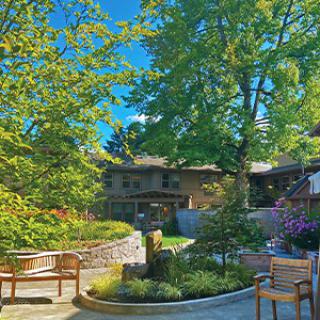


 Vibrant Senior Living: A Comprehensive Guide for Active Older Adults
 Assisted Living and Memory Care: Understanding Their Core Differences
 Choosing the Right Senior Care: A Detailed Exploration of Assisted Living and Nursing Homes