17360 Holy Names Drive, Lake Oswego, OR 97034
For more information about senior living options: (866) 208-4318
Overall Review of Marie Rose Center Assisted Living
Pros
 Marie Rose is an excellent facility staffed and managed by quality, caring people.
- The Marie Rose staff provide a kind and warm reception that helps new residents transition smoothly.
- In-room care is consistent, efficient, and kind.
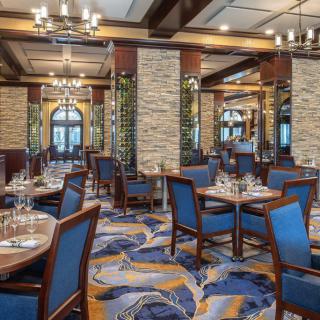
- Meals are varied and well prepared, served in a resident dining room.
- There are numerous in-house events and activities, and transportation is provided to medical appointments and shopping.
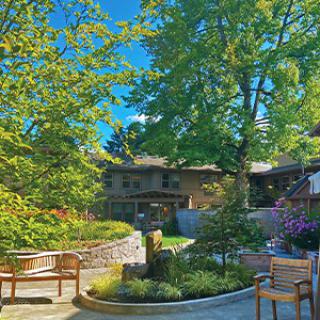
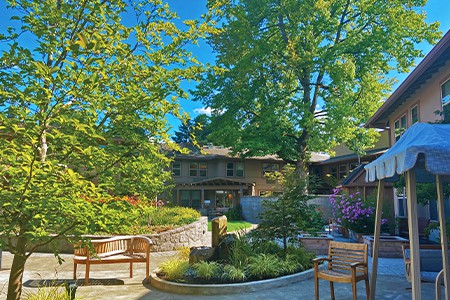
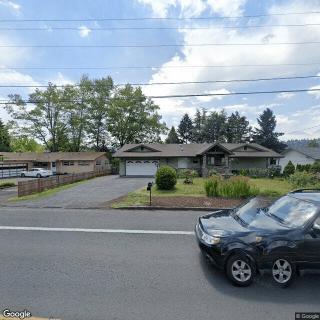
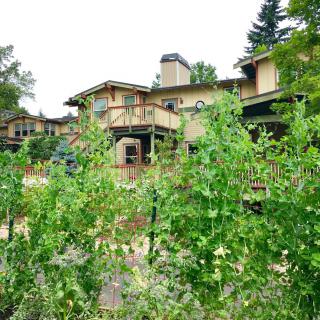
- The original building is quaint and well kept, with landscaped grounds and an onsite chapel.
- There is a very good activities program offering more than the usual array, including an arts program, university class auditing, and outdoor activities like hiking.
- The staff are thoughtful and attentive to residents, and the staff-to-resident ratio seems adequate.
Cons
 The biggest drawback is cost: it is very expensive compared to other facilities in the Portland area.
- There is always a waiting list.
- The skilled nursing facility, Marie Rose Center, is very small and not always able to meet end of life care needs for all residents.
- The memory care unit is small and there is currently talk of expanding that to accommodate growing needs.
- This facility is a niche for a certain type of person; for others, it may not be such a comfortable fit.
- There is less choice of menu than the independent living dining room.
Review
Marie Rose Center Assisted Living in Lake Oswego is best suited for financially established seniors who want a continuing care option with a strong, church-rooted culture, a highly social resident community, and reliable on-site conveniences. The setting rewards continuity: long-tenured staff, well-maintained grounds, and a built-in network of activities and resident governance that keeps people connected. It works especially well for those who value formal social atmospheres, extensive resident engagement, and the peace of mind that comes with a visible pathway to future care within the same campus.
That clarity, however, comes with clear caveats. Prospective residents who are cost-sensitive should seriously weigh the investment, because Marie Rose operates at a premium relative to many peers in the Portland area. The buy-in structure, typical of a continuing care retirement community, adds a substantial upfront hurdle, with about 80 percent of the amount refundable to the estate at death. The Christian foundation is a strength for many, but it also marks a cultural divide for those seeking a secular or non-denominational environment. For individuals who do not anticipate needing ongoing care within the same campus, or who anticipate frequent transitions, alternatives may offer more flexibility and lower long-term cost.
The upsides are substantive and, in many cases, offset the financial heft. In-room care is consistently, efficiently delivered with genuine kindness, reducing the strain of everyday caregiving for families. Meals are thoughtfully prepared and served in two dining rooms, supporting social interaction and routine that helps residents stay engaged. Transportation to medical appointments and shopping is a practical advantage that minimizes logistical stress. A robust activities program, ranging from arts classes to university-level auditing and outdoor pursuits, keeps the community dynamic, with residents who often take leadership roles on boards and in local volunteering. The staff-to-resident ratio is adequate, and turnover is low, which translates into steadier, more familiar care. Even the physical setting, an 1890s building that has been modernized, with a chapel and well-kept grounds, contributes to a dignified, stable atmosphere prized by residents and families alike.
Yet two meaningful gaps temper the appeal. The most significant is cost, Marie Rose is effectively a luxury option, and that premium can overwhelm other practical concerns for many families. The memory care unit is notably small and currently may not meet broader end-of-life or higher-acuity needs; expansion plans exist, but families must plan for the possibility of moving elsewhere if needs exceed current capacity. The buy-in model, while refundable to a large degree, still represents a substantial long-term commitment tied to the resident’s estate. Finally, this facility clearly serves a niche audience, wealthier, Christian-leaning, and comfortable in a more formal, tradition-rich environment. For some, that niche is precisely the draw; for others, it signals that alternatives with greater religious flexibility, lower cost, or different care configurations may be a better fit.
Families weighing Marie Rose should negotiate the practical details upfront. Confirm the exact current monthly carrying costs, what services are included versus charged separately, and how future care transitions would be handled on campus if long-term nursing needs arise. Probe the timeline and scope of the planned memory care expansion, and ask how changes would affect current residents’ care plans and costs. Evaluate the value of the campus’s transportation, social programming, and staff continuity against the overall price tag, and consider how the community’s Christian orientation aligns with the resident’s preferences and daily routines. Finally, assess personal tolerance for a potential waitlist and the degree to which the social culture and formal atmosphere will feel like home.
In practical terms, Marie Rose serves best those who are ready to invest in a comprehensive lifestyle and care continuum within a single, storied campus. For families prioritizing cost efficiency, secular settings, or large-scale memory care capacity, alternatives, such as more affordable assisted living options, different religious or non-denominational communities, or independent living with independent care extensions, will often be more suitable. When alignment is strong, finances, faith orientation, social fit, and the desire for seamless future care, the community’s strengths can be decisive: predictable, attentive care; vibrant, engaged resident life; and a dignified environment that makes long-term planning feel manageable rather than daunting.
 56 resident community capacity
 Assisted Living
 Air-conditioning
 Beauty salon
 Cable or satellite TV
 Computer center
 Dining room
 Fitness room
 Fully furnished
 Gaming room
 Garden
 Housekeeping services
 Kitchenette
 Move-in coordination
 Outdoor space
 Private bathrooms
 Restaurant-style dining
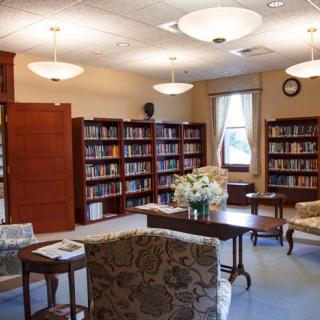
 Small library
 Telephone
 Wellness center
 Wi-Fi/high-speed internet available
 Portland International (13 miles away)
 Community operated transportation
 24-hour call system
 Activities of daily living assistance
 Assistance with bathing
 Assistance with dressing
 Assistance with transfers
 Diabetes diet
 Medication management
 Special dietary restrictions
 Concierge services
 Planned day trips


 Comprehensive Residential Support and Assisted Living Solutions for Individuals with Disabilities
 Comprehensive Supportive Living Arrangements for Adults with Disabilities
 Funding and Affording Assisted Living: A Thorough Overview