
31026 SE Dodge Park Blvd, Gresham, OR 97080
To contact a resident: (503) 663-4054
For more information about senior living options: (866) 208-4318
Countryside Adult Care Home Costs & Pricing
Countryside Adult Care Home offers competitive pricing for its private rooms at $3,000 per month, which is notably lower than the average costs in both Multnomah County and across the state of Oregon. In Multnomah County, the average monthly fee stands at approximately $3,227, while statewide, the cost rises further to around $3,424. This positioning not only reflects Countryside's commitment to providing quality care at an accessible price point but also highlights its potential as a cost-effective option for families seeking adult care services without compromising on quality.
| Floor plans | Countryside Adult Care Home | Multnomah County | Oregon |
|---|---|---|---|
| Private | $3,000 | $3,227 | $3,424 |
Senior living communities with a similar price nearby
-
About the same
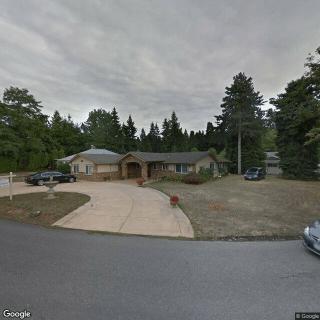
A Piece of Heaven
$3,000 / month12.9 miles away -
from -$500 / mo
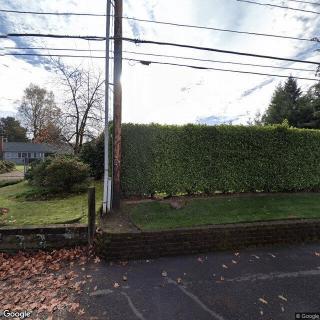
Mapleview Manor, LLC
$2,500 / month12.4 miles away -
About the same
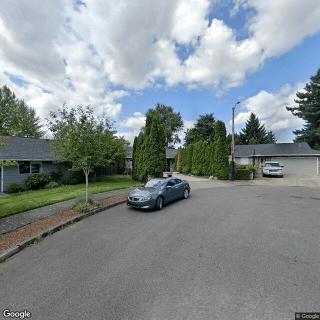
Yamhill Senior Care Home
$3,000 / month8.4 miles away -
About the same
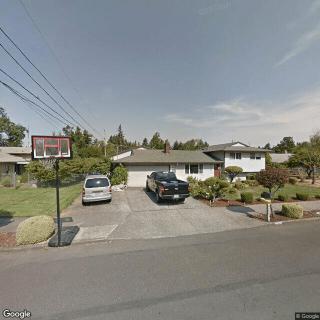
Peaceful Lighthouse Adult Care Home
$3,000 / month7.1 miles away -
from +$500 / mo
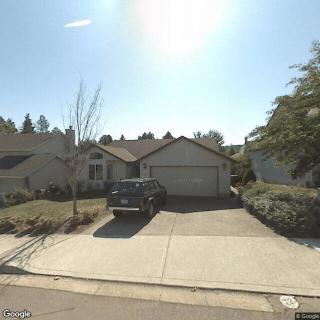
Fulga's ACH
$3,500 / month24.4 miles away
Overall Review of Countryside Adult Care Home
Pros
 The home is truly a home.
- It is run by a modern-day Wonder Woman with a heart of gold.
- Loved ones are treated as individuals, not just as patients or residents.
- The care home comes highly recommended for personalized, attentive care.
- A neighbor is sincerely cared for very well at the facility.
- The atmosphere is a genuinely warm home where residents form a kind, supportive community.
Cons
 This isn't a facility with unhappy overworked and under paid employees that do not like their job or their boss so on and so on...
- Just know that your loved one will never be treated like just another patient or a resident.
Review
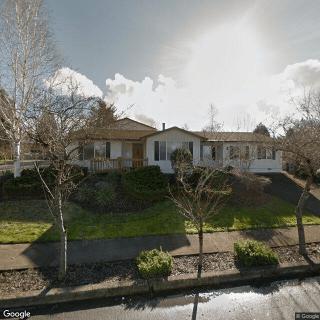
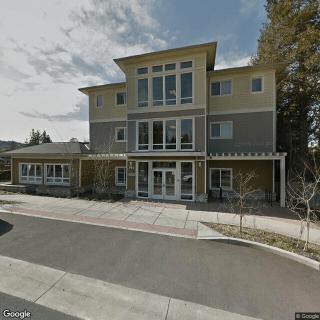
Countryside Adult Care Home in Gresham, Oregon is best suited for families seeking a small, private, home-like setting where care feels personal and truly attentive. This community projects the feel of a residence more than a medical facility, with an ownership and management approach described as deeply compassionate and hands-on. Reviews portray a culture where staff are invested in the well-being of each resident, and where being treated as a person with history, preferences, and dignity is the operating norm. The impression is of a warm household rather than a checklist-driven environment, led by an owner who embodies the ethos of neighborly, individualized care. For families who want genuine warmth translated into daily routines, this option stands out.
However, Countryside may not be the best fit for every scenario. Residents with complex medical needs requiring round-the-clock nursing supervision, specialized memory care for advanced dementia, or highly structured programming may be happier in larger facilities with more formal medical staffing and a broader array of on-site services. Families seeking a calendar packed with supervised activities, diversified social programming, or easy access to specialists may prefer a community with bigger scale. Additionally, those prioritizing wide availability of amenities and predictable, standardized operations may find a private care home too intimate or limited. In short, this option excels in personalized attention but is naturally less comprehensive than bigger campuses.
Pros center on the human touch. The environment feels like a genuine home, not a clinical zone, and residents are treated as individuals rather than patients. Staffing appears engaged and motivated by a warm culture, with employees who take pride in their work and appear to stay connected with residents. Families report that loved ones are cared for in a way that mirrors what they would do at home, with good communication and a sense of daily continuity. The owner’s leadership, described in almost heroic terms, injects credibility and a deep sense of responsibility that translates into consistent, attentive care. In this setting, the emotional security and relational quality often outweigh what is found in larger, more impersonal facilities.
Yet the strengths must be weighed against practical constraints. The intimate scale of Countryside means fewer on-site resources and less formal programming compared with bigger communities. Staffing coverage may hinge on a small team, which can affect availability during busy periods or after-hours. Prospective residents should confirm the specifics of medical oversight, medication management, and access to in-house therapies. There is an implicit reliance on the owner’s approach and the team’s cohesion, which can be wonderful when things run smoothly but may be more vulnerable if turnover occurs. Understanding these dynamics is essential to determine if the personal care meets ongoing medical and activity needs.
Decision guidance centers on fit. Families should verify the staff-to-resident ratio during peak times, clarify who handles medical appointments, and determine how changes in health status are escalated. Observing a visit to see how staff interact with residents, whether conversations are individualized, how preferences are honored, and how privacy is maintained, helps gauge everyday quality. Ask for a sample daily schedule, nearby resources for emergencies, and how family updates are communicated. For those prioritizing independence and companionship in a homelike setting, Countryside offers a compelling alignment; for those who need abundant clinical services on site, it may be prudent to compare with other options before deciding.
In the judgment of seasoned senior living advisors, Countryside Adult Care Home represents a strong choice for families valuing warmth, personal attention, and a home atmosphere. It is especially well-suited for residents who prize intimate community bonds and a caregiver-led culture over formal programs. Alternatives should be on the radar for any family facing significant medical complexity, memory-care needs at a high level, or a demand for extensive on-site amenities. The prudent path is to visit, meet the care team, and observe how daily routines unfold in practice, then weigh the emotional benefits against the practical coverage to determine the best long-term fit.
 Board and Care Home
 Activities off-site
 Bath tubs
 Beautician on-site
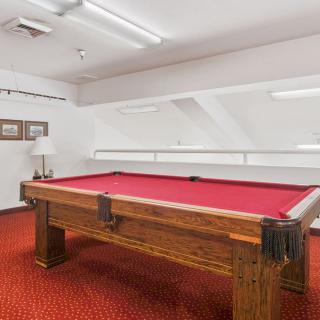
 Indoor common areas
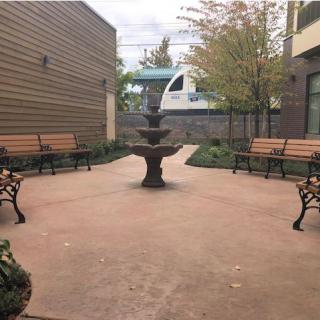
 Outdoor common areas
 Private
 Private bathrooms
 Respite or short term stays offered
 Wheelchair accessible showers
 Portland International (15 miles away)
 Diabetic care
 High acuity care
 Incontinence care
 Meals provided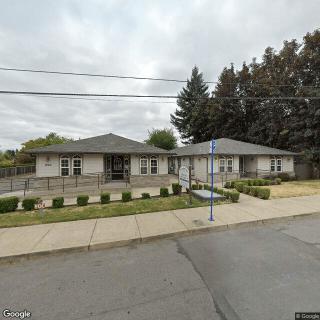

 Understanding Hospice Care at Home: Comprehensive Services, Key Benefits, and Eligibility
 Understanding the Full Cost of 24/7 In-Home Care: A Detailed Overview
 Exploring the World of Home Health Nurses: Qualifications, Roles, and Hiring Tips