
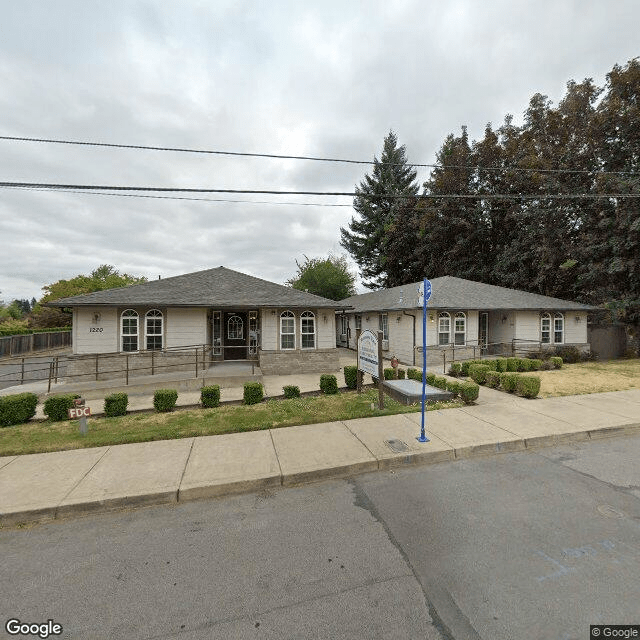
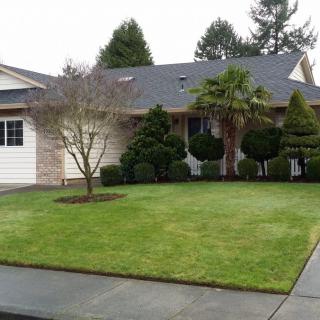
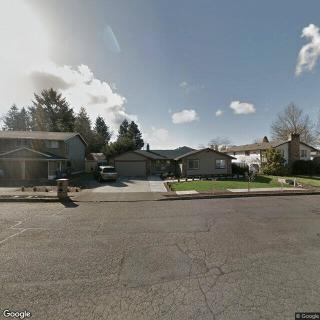
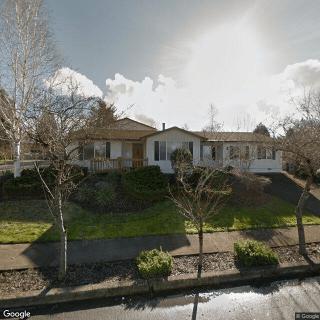
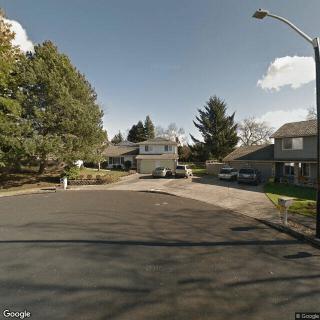
1220 SE 282nd Ave, Gresham, OR 97080
To contact a resident: (503) 665-0792
For more information about senior living options: (866) 208-4318
Mountain View RCF and Homes Costs & Pricing
Mountain View RCF and Homes offers competitive pricing for its studio accommodations at $3,300 per month, which is notably lower than the average costs in both Multnomah County at $3,455 and across the state of Oregon at $3,815. This pricing not only positions Mountain View as an attractive option for individuals seeking residential care but also reflects a commitment to providing quality living environments at a more accessible rate. As families and individuals weigh their options, the cost-effectiveness of Mountain View RCF and Homes stands out in comparison to broader regional benchmarks.
| Floor plans | Mountain View RCF and Homes | Multnomah County | Oregon |
|---|---|---|---|
| Studio | $3,300 | $3,455 | $3,815 |
Memory care communities with a similar price nearby
-
from +$200 / mo
American Living Adult Family Home LLC
$3,500 / month13.9 miles away -
from -$300 / mo
Elder Garden Care Home, LLC
$3,000 / month4.6 miles away -
from +$200 / mo
Northwest Home Health
$3,500 to $3,700 / month11.3 miles away -
from -$300 / mo

Rivercrest Adult Care
$3,000 to $3,700 / month15.0 miles away -
from -$500 / mo
Aging Gracefully Family Home
$2,800 to $3,500 / month13.2 miles away
Overall Review of Mountain View RCF and Homes
Cons
 Mt. View's team has no initiative to provide the minimal basic service to residents and their families who keep their existing insurance.
- They are completely incompetent and unprofessional.
- They overwhelm people with daily calls, texts, and emails seeking information already provided weeks prior.
- They text pictures of a loved one’s bed accidents.
- The improvements implemented at Mt. View are evidence of how unorganized and dysfunctional the facility was long before arrival.
- The reviewer advises others to pass on this center, especially if they’re not covered under the Providence Health Care plan.
Review
Mountain View RCF and Homes in Gresham is best suited for residents whose care plan is tethered to the Providence Health Care network and whose families are prepared to operate with a hands-off level of staff engagement. In practical terms, this community may work for those who prioritize staying within a familiar payer framework and are comfortable accepting minimal proactive service, provided cost pressures or network constraints are the primary drivers. It is not a strong fit for families seeking dependable care coordination, regular professional advocacy, or a high-touch approach to daily living needs.
Those who should seriously consider alternatives are families not covered by Providence Health Care or anyone who places a premium on responsive communication, privacy, and incident-free transparency. The review paints a stark picture for anyone who expects consistently organized operations or discreet handling of sensitive information. The described pattern, repeated outreach for information already supplied, plus the unsettling practice of sending images of a resident’s bed accidents, signals a fundamental misalignment with standards of privacy and professional boundaries that many families require.
The core drawbacks are systematic and relentless. The staff’s apparent lack of initiative to deliver even basic services underscores a broader deficiency in care coordination and accountability. In addition, the volume and tone of daily communications feel overwhelming and inefficient, suggesting a workflow that loses track of prior submissions rather than building a clear, effective care plan. These issues are not incidental glitches but indicators of an organized dysfunction that undermines trust in the facility’s capacity to safeguard a resident’s well-being and dignity.
There is little to offset these substantial cons. The only remotely constructive signal, the mention of implementing monthly invoices, reads as evidence of process tinkering rather than a meaningful improvement in day-to-day care quality or resident experience. The absence of concrete, credible benefits beyond administrative adjustments means families cannot rely on Mountain View to compensate for its service gaps with any meaningful pros. In practical terms, the balance sheet tilts heavily toward risk and dissatisfaction.
For families evaluating options, a practical pathway is to scrutinize care coordination frameworks at competing communities. Look for facilities with dedicated care managers, clear escalation paths, and predictable, privacy-respecting communication channels. Demand a written care plan that assigns a primary point of contact, a defined schedule for updates, and a transparent billing process that stops the flood of informal requests. Inquire about staff turnover, training in resident privacy, and the facility’s protocol for handling incidents or accidents, including how families are notified and what remediation is offered. Visiting multiple communities and speaking directly with prospective caregivers and current families can reveal the difference between polished marketing and real-day support.
The bottom line is decisive: Mountain View RCF and Homes should not be the first choice for most families. The stated fit is narrow and brittle, hinging on Providence plan alignment while delivering uncertain levels of care and troubling privacy handling. Alternatives that promise stronger care coordination, steadier staff reliability, and professional communication are the safer bet for anyone facing long-term living arrangements. If this community is still under consideration, approach with rigorous expectations, a tightly negotiated care plan, and explicit benchmarks for privacy, responsiveness, and accountability.
 Assisted Living
 Memory Care
 Activities on-site
 Devotional services off-site
 Indoor common areas
 Outdoor common areas
 Portland International (13 miles away)
 Diabetic care
 Incontinence care
 Medication management
 Meals provided
 24-hour supervision with daily living assistance and engaging activities

 A Detailed Exploration of Assisted Living Medicaid Waivers Across the United States
 Exploring the Contrasts Between Assisted Living and Skilled Nursing
 Vibrant Senior Living: A Comprehensive Guide for Active Older Adults