
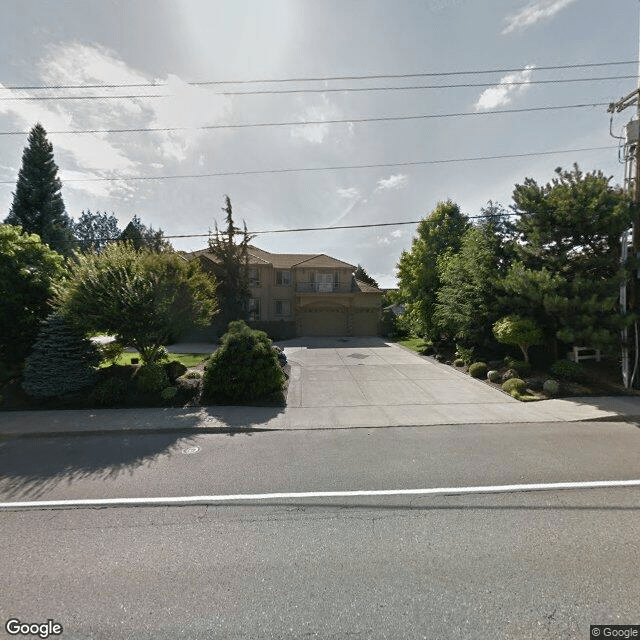
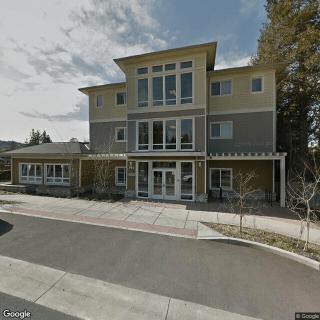
2853 SW Pleasant View Dr., Gresham, OR 97080
To contact a resident: (503) 491-9269
For more information about senior living options: (866) 208-4318
Cornelia Marcan Costs & Pricing
Cornelia Marcan currently incurs a monthly expense of $3,000 for her private room, which positions her below the average costs observed in both Multnomah County and across the state of Oregon. In Multnomah County, similar accommodations average around $3,227, while the state-wide figure reaches approximately $3,424. This indicates that Cornelia is benefitting from a cost-effective option compared to her local and state counterparts, allowing her to allocate resources more efficiently while still enjoying the privacy and comfort that comes with a private living space.
| Floor plans | Cornelia Marcan | Multnomah County | Oregon |
|---|---|---|---|
| Private | $3,000 | $3,227 | $3,424 |
Senior living communities with a similar price nearby
-
About the same
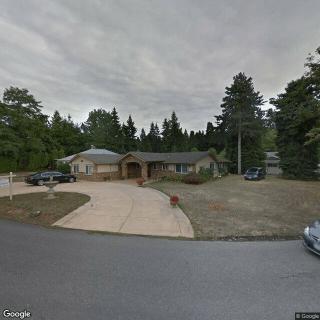
A Piece of Heaven
$3,000 / month7.4 miles away -
from -$500 / mo
Mapleview Manor, LLC
$2,500 / month7.0 miles away -
About the same
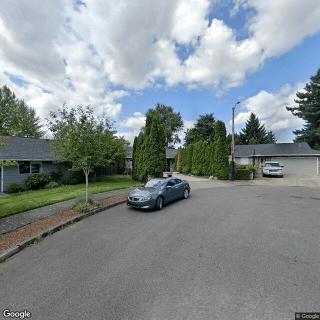
Yamhill Senior Care Home
$3,000 / month3.2 miles away -
About the same
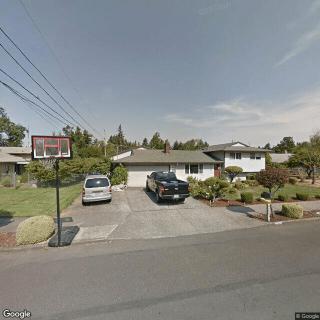
Peaceful Lighthouse Adult Care Home
$3,000 / month3.9 miles away -
from +$500 / mo
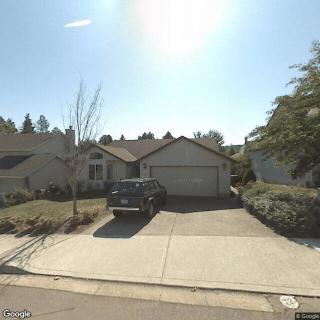
Fulga's ACH
$3,500 / month18.4 miles away
Overall Review of Cornelia Marcan
Pros
 The care and love at Cornelia's impressed the reviewer and it is highly recommended for anyone who needs foster care.
- It is a nice place with a Romanian castle.
- The Christian home features a very beautiful room with a bathroom.
Cons
 They were never able to get a phone call back or anyone to answer the phone for a simple question.
Review
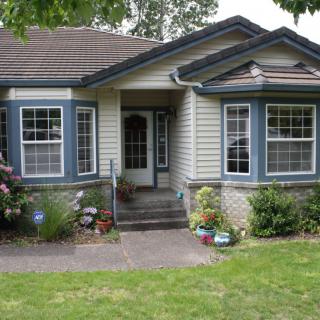
Cornelia Marcan in Gresham is best suited for adults who want a small, faith-forward residential setting where care comes through relationship and attention, not bureaucratic motion. This community reads like a home first, with a quiet pace, private rooms with bathrooms, and an ambiance that some would describe as comforting and character-driven rather than clinically polished. Families prioritizing intimate, caregiver-led attention over mass-market efficiency will find the core value here in the daily warmth of staff, a sense of belonging, and a genuinely homelike atmosphere. The facility’s Christian, home-style ethos and a decor that nods to a “Romanian castle” vibe create a distinctive emotional climate that can feel reassuring to residents and families seeking stability and familiarity.
The strongest positives are concrete: authentic care and love evident in daily interactions, a welcoming, family-like environment, and well-appointed private rooms with private baths. When present, those elements translate into meaningful consistency in small, day-to-day moments, help with personal routines, kind conversations, and a sense that residents are cherished rather than processed. The Christian orientation can be a meaningful anchor for families seeking spirituality-infused caregiving, and the overall setting supports a dignified, slower-paced lifestyle that can minimize confusion and agitation. The reviews repeatedly signal a place where residents are treated with courtesy and warmth, and where the physical space reinforces a sense of safety and comfort.
However, the downsides temper the enthusiasm. The most frequently cited friction is reliability of communication: callers report difficulty getting a phone call returned or answers to routine questions. In a setting where families need timely updates about care plans, schedules, or changes in a loved one’s day-to-day, this inconsistency can create anxiety and force families to chase information rather than rely on steady, proactive contact. For some households, this risk is offset by the quality of care once a conversation occurs, but for others it undermines confidence and complicates ongoing planning. Pros in the caregiving core do not completely cancel out the practical toll of uncertain responsiveness.
Additional considerations flow from the environment itself. The “no cat” note, while helpful for pet-free households, signals a restrictive policy that may deter families hoping for a pet-friendly option or for residents who form emotional bonds with animals. The strong Christian home identity, while a pro for many, may feel exclusive to those seeking a secular or interfaith setting, or to families hoping for a more diverse cultural atmosphere. In short, the very character that can comfort one family may feel constraining to another, especially for residents with different spiritual beliefs or preferences for less prescriptive daily rhythms.
Who should consider alternatives? Those who require consistently prompt communication and reliable administrative responsiveness should compare options with larger, more bureaucratically polished facilities that emphasize throughput and 24/7 accessibility to updates. Families seeking a fully secular environment or a highly pet-friendly setting will want to look elsewhere, as will anyone who wants a more modern, hospital-like care environment with a brisk, highly structured schedule. For residents whose priorities align with intimate, faith-infused care and a home-like vibe, and who can accept some variability in administrative responsiveness, Cornelia Marcan stands out for its warmth and its unique charm.
In the end, Cornelia Marcan offers a compelling blend of compassionate, relationship-centered care and a distinctive, homey setting that can feel like a comfortable alternative to larger, more impersonal facilities. The decision hinges on the balance between valuing tender, personal attention and accepting less predictable administrative responsiveness. Pros of genuine care, serene rooms, and a faith-forward environment are real and tangible, and they can offset most concerns for the right resident. Families should verify the current pet policy, confirm the level of Christian programming, and probe for expected response times before committing, then decide whether the trade-offs align with the resident’s needs and the family’s expectations.
 Board and Care Home
 Activities on-site
 Indoor common areas
 Outdoor common areas
 Private
 Private bathrooms
 Respite or short term stays offered
 Wheelchair accessible showers
 Portland International (10 miles away)
 Diabetic care
 High acuity care
 Incontinence care
 Meals provided
 Christian services

 Powerful Realities of Elder Abuse and the Most Effective Ways to Report It
 Ten Vital Duties of a Senior Caregiver: A Comprehensive Guide
 9 Stimulating Memory Activities for Seniors: Puzzles, Cards, and Much More