
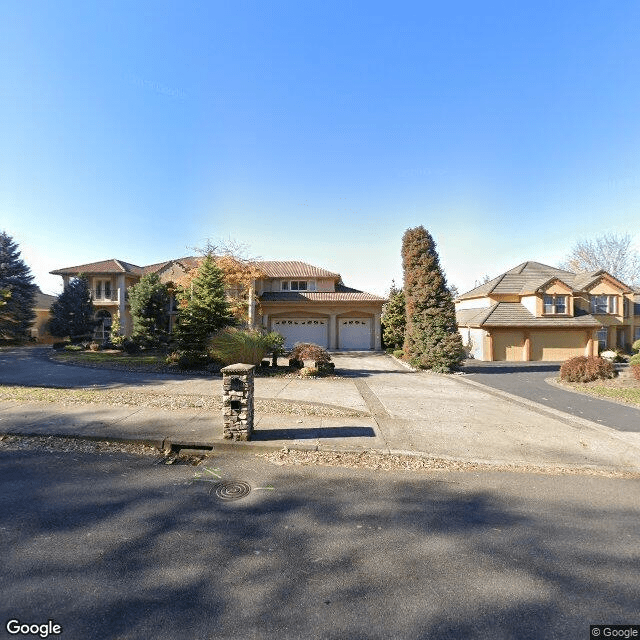
2770 Southwest Butler Road, Gresham, OR 97080
To contact a resident: (503) 665-7718
For more information about senior living options: (866) 208-4318
Monica’s Adult Care Home Costs & Pricing
Monica's Adult Care Home offers private rooms at a monthly cost of $4,500. This rate is notably higher than the average costs for comparable accommodations in Multnomah County, which stands at $3,227, and Oregon as a whole, where the average is approximately $3,424. While Monica's facility may be positioned above these regional averages, it could reflect additional services or amenities that cater to specific needs and preferences. Families considering Monica's Adult Care Home may find value in the personal care and community environment provided, despite the premium pricing compared to the broader county and state options.
| Floor plans | Monica’s Adult Care Home | Multnomah County | Oregon |
|---|---|---|---|
| Private | $4,500 | $3,227 | $3,424 |
Senior living communities with a similar price nearby
-
from -$700 / mo

The Inn at University Village
$3,800 to $7,500 / month19.2 miles away -
from -$500 / mo
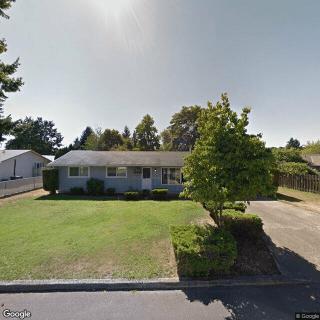
Oaktree Adult Care Home
$4,000 / month12.5 miles away -
About the same
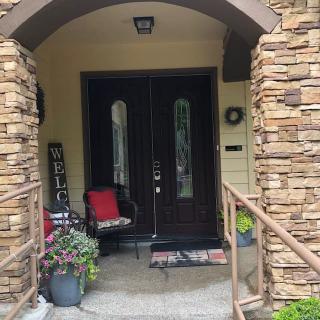
Casa Shattuck Senior Care
$4,500 / month13.1 miles away -
About the same
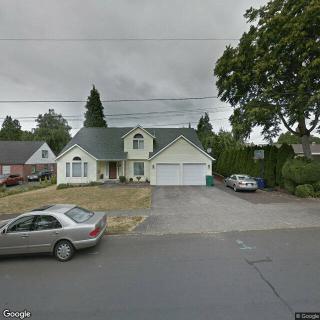
Genuine Senior Living
$4,500 / month8.6 miles away -
About the same

Best Care Adult Family Home
$4,500 / month17.1 miles away
Overall Review of Monica’s Adult Care Home
Pros
 The Miller family were devoted caregivers, offering endless patience, compassion, and respect.
- They created a calm, loving environment that made the mother feel safe and cared for, even on her hardest days.
- Beyond professionalism, they brought warmth and humanity into their home.
- They are attentive, reliable, and deeply kind.
- The mother experienced gentle dignity in her final years thanks to their care.
- Pleasant View is highly regarded for trustworthy, compassionate care for aging loved ones.
- Pleasant View stands out as a place that genuinely feels like home, blending a family setting with professional caregiving.
- The home is clean, well-kept, and thoughtfully arranged, with home-cooked meals and attention to dietary needs.
Cons
 There was no toilet in the room, forcing residents to use the bathroom in the next-door bedroom.
- The cat was only semi-ok, indicating limited acceptance of the environment.
Review
Monica’s Adult Care Home in Gresham is best suited for families seeking an intimate, home-like setting where a loved one can receive patient, individualized care delivered by a family-run team. It works well when the priority is warmth, dignity, and a steady, personal presence rather than a clinical, facility-like atmosphere. The strongest voices from families emphasize calm patience, respect, and a sense that caregivers treat residents like extended family. In practice, the home environment feels residential and serene, with caregivers who are attentive and dependable, which can translate into meaningful comfort for someone who benefits from consistent, human connections day after day.
That said, this setting is not the right fit for every situation. Prospective families should consider alternatives if a loved one requires ongoing, high-level medical oversight, complex nursing interventions, or a private bathroom in-room. A notable drawback in the feedback is the lack of an in-room toilet in at least one account, with residents needing to use a bathroom outside the bedroom. For individuals with significant mobility challenges, continence needs, or the expectation of hospital-style clinical care, a larger, more medically integrated community may deliver the safety and convenience that a smaller home sometimes cannot.
Evaluating the key positives against the downsides, the most compelling strengths lie in the caregiving relationship: devoted staff, a calm, respectful approach, and the sense that residents are treated with genuine kindness rather than as numbers. Families repeatedly highlight around-the-clock attention and a welcome-to-family spirit, which can make a substantial difference for someone with dementia or memory challenges who thrives on predictable routines and emotional reassurance. The absence of a stark, institutional atmosphere further reinforces dignity and comfort, crucial factors when a loved one spends years under care rather than months.
Those strengths partly offset the main drawbacks by delivering daily reassurance and continuity that larger facilities struggle to replicate. In a smaller home, the ability to know staff by name, see familiar patterns in daily schedules, and rely on consistent caregivers often translates into fewer transitions and less agitation for residents. Even when a room layout means stepping outside the bedroom for a bathroom, the intimate setting can foster quick, trustworthy communication with caregivers and faster response times when needs arise. For families who place a premium on humane treatment and personal connection, these advantages carry significant weight.
Prospective residents should verify a handful of practical details before deciding. It is essential to confirm the exact level of medical oversight and who is available for emergencies or medication administration, as well as the caregiver-to-resident ratio at the time of admission. Clarify the bathroom arrangement relative to the resident’s needs, including accessibility, and understand policies on mobility aids, incontinence support, and any pet-related considerations. Ask about dietary accommodations, cognitive-support strategies, and how daily activities are structured to ensure meaningful engagement. These specifics will determine whether the home’s warmth translates into durable safety and well-being for the individual.
Ultimately, Monica’s Adult Care Home is a compelling choice for families prioritizing warmth, dignity, and hands-on, family-style care in a home setting. It is best for a loved one who can thrive with intimate staffing, predictable routines, and personal attention, while not requiring constant clinical intervention or private in-room facilities. Families with higher needs for medical oversight or for a bathroom inside the living space should explore alternatives and visit first to assess layout, staff responsiveness, and overall compatibility. With diligent questions, careful observation, and a clear view of care expectations, Monica’s can be a remarkably reassuring home where a resident feels truly cherished.
 Board and Care Home
 Private
 Private bathrooms
 Portland International (10 miles away)
 Diabetic care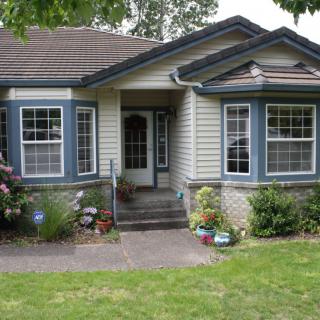





 Exploring the World of Home Health Nurses: Qualifications, Roles, and Hiring Tips
 Navigating Medicare Coverage for In-Home Care Services
 In-Home Care Costs in 2025: A Detailed State-by-State Exploration