
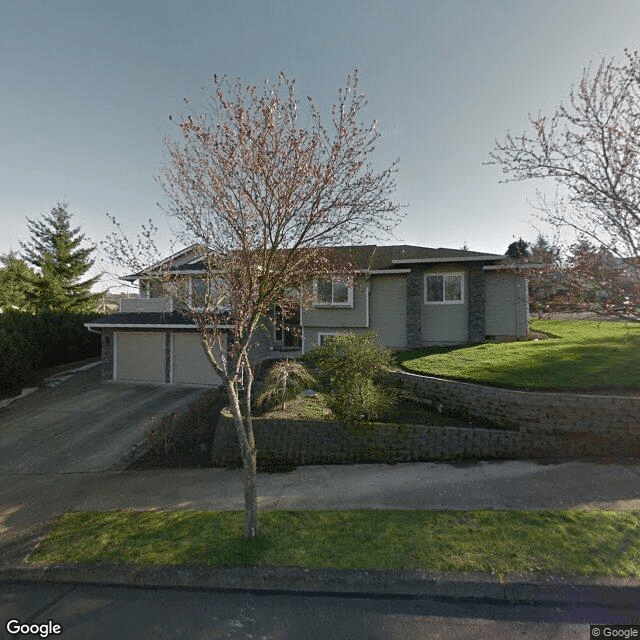
3648 SW 22nd Ct., Gresham, OR 97080
To contact a resident: (503) 998-0838
For more information about senior living options: (866) 208-4318
First Choice for Seniors Costs & Pricing
At First Choice for Seniors, the monthly cost for a private room is set at $3,500. This rate positions it slightly above the average in Multnomah County, where private room costs are approximately $3,227, and also above the statewide average of $3,424 in Oregon. While First Choice for Seniors may represent a higher investment compared to local benchmarks, it is essential to consider the unique services and quality of care that accompany this pricing. Families assessing long-term care options should carefully weigh these costs against the amenities and support provided to ensure they find a suitable match for their loved ones' needs.
| Floor plans | First Choice for Seniors | Multnomah County | Oregon |
|---|---|---|---|
| Private | $3,500 | $3,227 | $3,424 |
Senior living communities with a similar price nearby
-
from +$300 / mo

The Inn at University Village
$3,800 to $7,500 / month18.4 miles away -
from -$500 / mo
A Piece of Heaven
$3,000 / month7.5 miles away -
from +$500 / mo
Oaktree Adult Care Home
$4,000 / month12.8 miles away -
from -$500 / mo
Yamhill Senior Care Home
$3,000 / month2.9 miles away -
from -$500 / mo
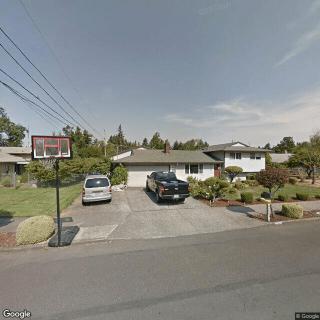
Peaceful Lighthouse Adult Care Home
$3,000 / month3.6 miles away
Overall Review of First Choice for Seniors
Pros
 The facility is clean and well-run.
- The staff are excellent and provide very good care.
- Medical treatment is handled well.
- Communication is very good.
- Care and compassion are excellent.
- Families would choose this home again and would highly recommend it to others.
- The staff are kind and attentive to residents' needs.
Cons
 The author's mother was diagnosed with dementia at a young age, which has brought many challenges.
Review
First Choice for Seniors in Gresham, OR, is best suited for families seeking a warm, home-like setting where a loved one, particularly someone dealing with dementia or early memory challenges, receives consistent, compassionate attention. The model centers on relationships: owners who are directly involved, a staff team that remains familiar to residents, and a small, stable community where daily care feels personal rather than institutional. This is the option to pursue when reliability in daily support, clear and timely communication, and a clean, well-run environment are non-negotiable priorities. Those who prize a quiet, predictable routine with caregivers who truly know the resident will find the fit compelling. It is, however, important to recognize that this is an Adult Foster Care-style operation, not a large multi-wing facility.
There is a coherent consensus in the reviews about three standout strengths. First, the care is marked by genuine kindness and attentiveness; staff consistently respond to needs with warmth and patience. Second, residents receive high-quality daily care, with attention to medical treatment handled in a capable fashion and professionals who communicate effectively with families. Third, the facility’s upkeep and the competence of hired staff create a dependable platform for daily living: clean surroundings, reliable routines, and a culture of respect. Taken together, these elements translate into a sense of security for families that the loved one is in capable hands and that concerns will be heard promptly.
Yet the model does carry natural trade-offs that prospective residents should weigh. The small, home-like scale of an AFC setting means resources and on-site services are not as expansive as those found in larger, traditional assisted living communities. The reviews do not flag concrete drawbacks, but the practical implication is clear: less dedicated memory-care programming, fewer on-site specialists, and potentially slower access to certain advanced medical supports than a bigger campus with a full-time nursing team. For families facing complex medical needs or seeking a broad menu of therapeutic activities, this could translate into feeling pinned to a tighter set of options.
Those trade-offs are not unmanageable, however, because the very strengths noted earlier actively offset them. The owners’ direct involvement and the staff’s familiarity with residents foster exceptional responsiveness and continuity of care. Cleanliness and well-maintained environments reinforce daily safety, while the consistently high level of communication provides families with reassurance about treatment plans and progress. When a caregiver knows a resident well, subtle shifts in health or mood are more likely to be noticed early, enabling timely adjustments to care. In short, the personal touch and steady governance become a practical shield against the limitations of scale.
For families making a decision, the question becomes one of needs alignment. If dementia management, steady supervision, and a respectful, low-traffic atmosphere are top priorities, this community offers a powerful match. If however the loved one requires robust, around-the-clock nursing, or participation in extensive, structured memory-care programming, alternatives at larger facilities with broader clinical resources should be explored. It is prudent to verify specifics such as staff-to-resident ratios, care planning processes, availability of 24/7 nursing coverage, and opportunities to participate in meaningful activities that align with the resident’s interests. A candid tour and conversations with the owners and caregiving team will illuminate how well expectations align with daily practice.
Overall, First Choice for Seniors stands out as a practical, trusted option for Gresham families prioritizing warmth, reliability, and attentive, personalized care in a compact, home-style setting. It earns its strong reputation through compassionate staffing, transparent communication, and well-executed daily care that makes families feel confident about their loved one’s well-being. The clear caveat is that the model’s strength, the intimate, owner-led environment, also signals what may be missing: breadth of on-site medical resources and expansive programming. Weigh these realities against the loved one’s needs, then proceed with a direct inquiry and a visit to determine whether this community is the right home.
 Board and Care Home
 Activities off-site
 Beautician on-site
 Indoor common areas
 Outdoor common areas
 Private
 Private bathrooms
 Wheelchair accessible showers
 Portland International (10 miles away)
 Diabetic care
 High acuity care
 Incontinence care
 Medication management
 Anytime dining

 Compassionate Conversations: How to Comfort Someone Who Is Grieving
 Home Health Care Aides: Understanding Their Role and Supporting Your Family
 Urinary Tract Infections in Older Adults: Comprehensive Insights on Symptoms, Treatment, and Prevention