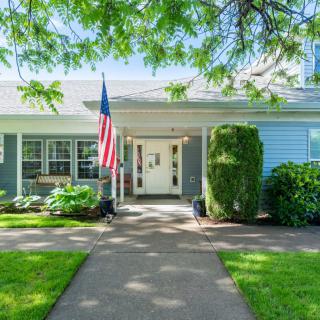
2635 21st Avenue, Forest Grove, OR 97116
For more information about senior living options: (866) 208-4318
Hawthorne House Costs & Pricing
At Hawthorne House, the monthly cost for a studio apartment is $4,520, which stands out as notably higher than the averages in both Washington County and the state of Oregon. In Washington County, similar accommodations are priced around $3,909 per month, while across Oregon, the average drops further to approximately $3,815. This pricing indicates that Hawthorne House may offer enhanced services or amenities that justify its premium rate. Potential residents should consider these factors when evaluating their options within the local market.
| Floor plans | Hawthorne House | Washington County | Oregon |
|---|---|---|---|
| Studio | $4,520 | $3,909 | $3,815 |
Memory care communities with a similar price nearby
-
from -$820 / mo
Cedar Highlands Care, Inc.
$3,700 / month23.9 miles away -
from -$646 / mo

Hearthstone of Beaverton
$3,874 to $7,500 / month14.7 miles away -
from -$520 / mo
Flowers Place AFH
$4,000 to $5,000 / month24.9 miles away -
from -$670 / mo
Farmington Square Beaverton
$3,850 to $4,760 / month13.5 miles away -
About the same
Jurgens Park Senior Living
$4,450 to $5,600 / month17.3 miles away
Overall Review of Hawthorne House
Pros
 The facility feels very home-like and the staff are wonderful.
- Tara provided a thorough tour and made visitors feel welcomed.
- Residents looked happy and enjoyed music and lunch in the main hall.
- Hawthorne House is a warm and welcoming community with caring staff.
- Tara is a joy to work with—kind, professional, and always willing to help.
- The Beehive has an amazing care team and a responsive front desk.
- Residents benefit from daily activities and socialization, leading to happiness.
Cons
 The staff members did not monitor the resident's medications well and did not have a good handle on that at all.
- The facility doesn't feel like one of those giant memory care centers in Portland, which feel a little cold.
Review
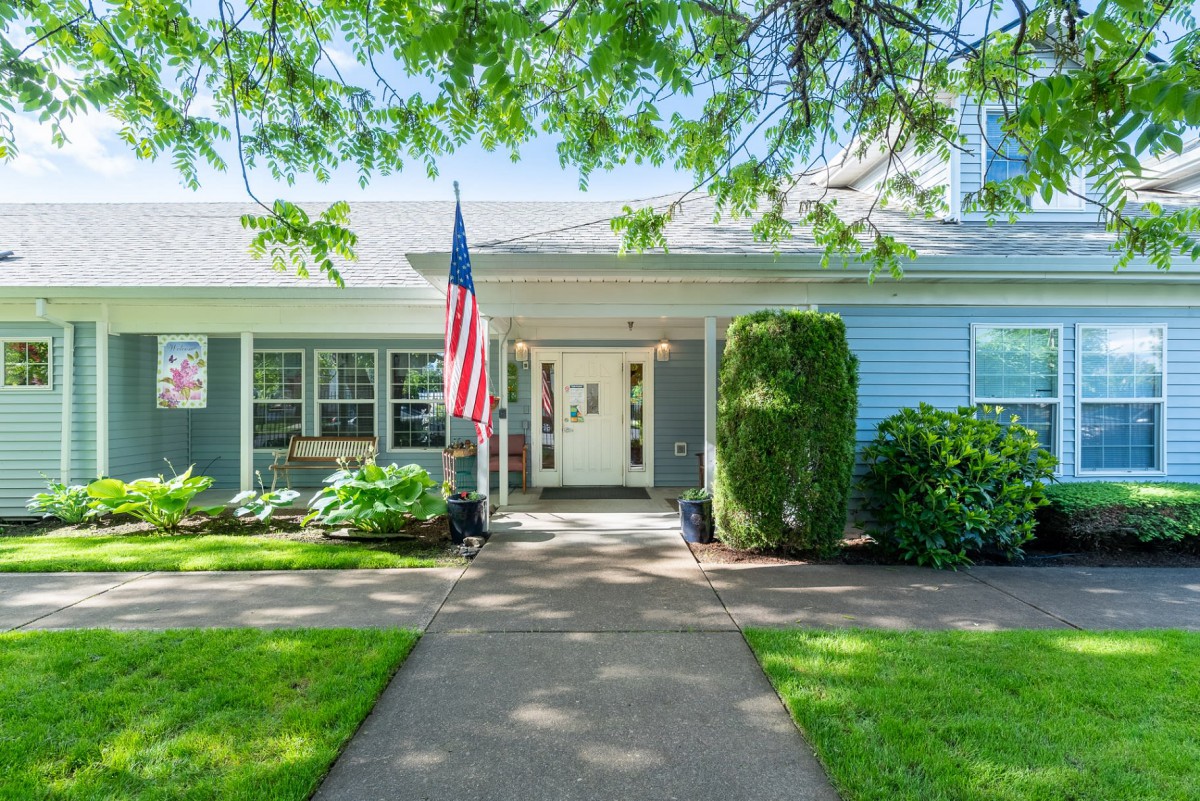
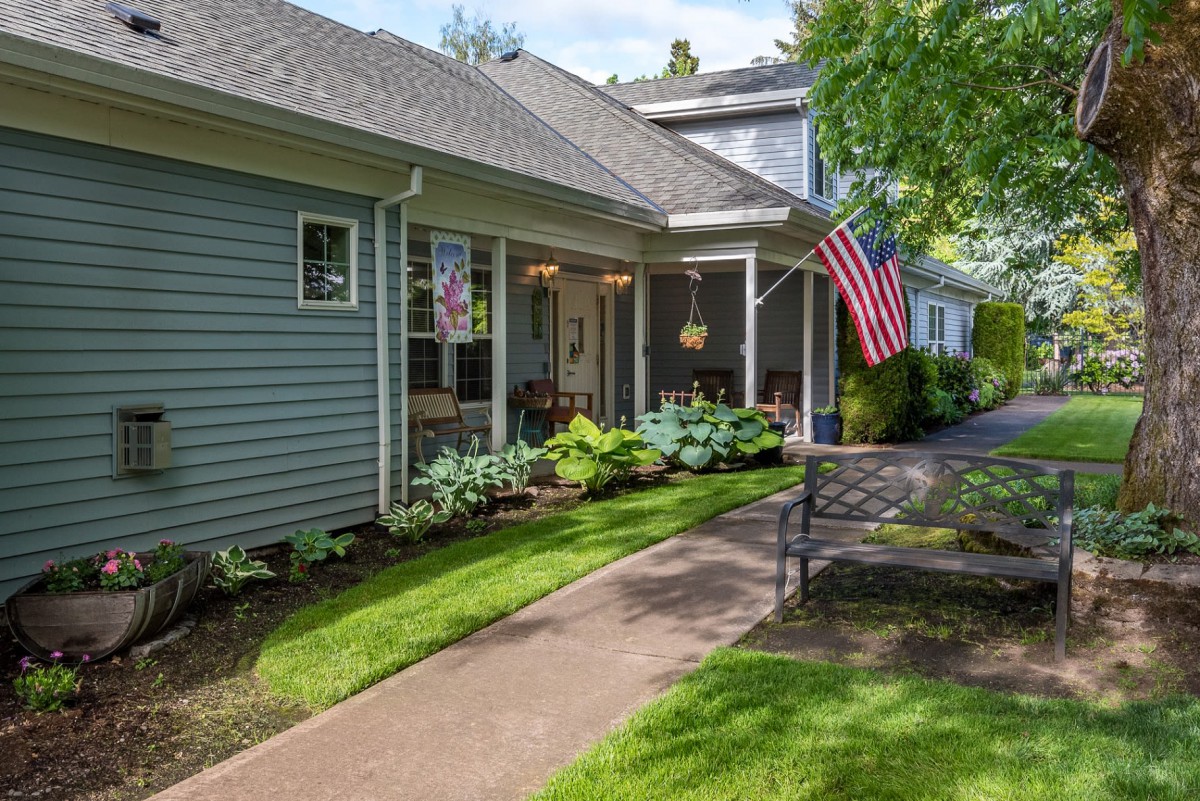
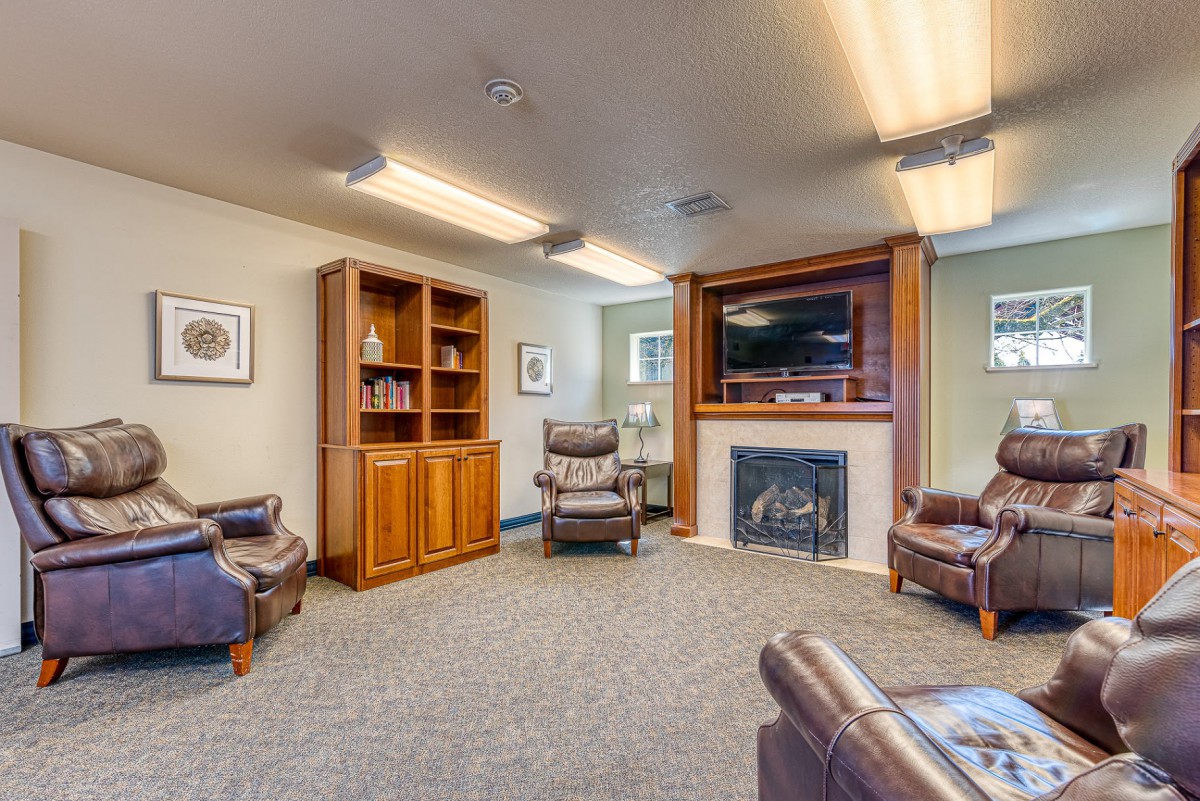
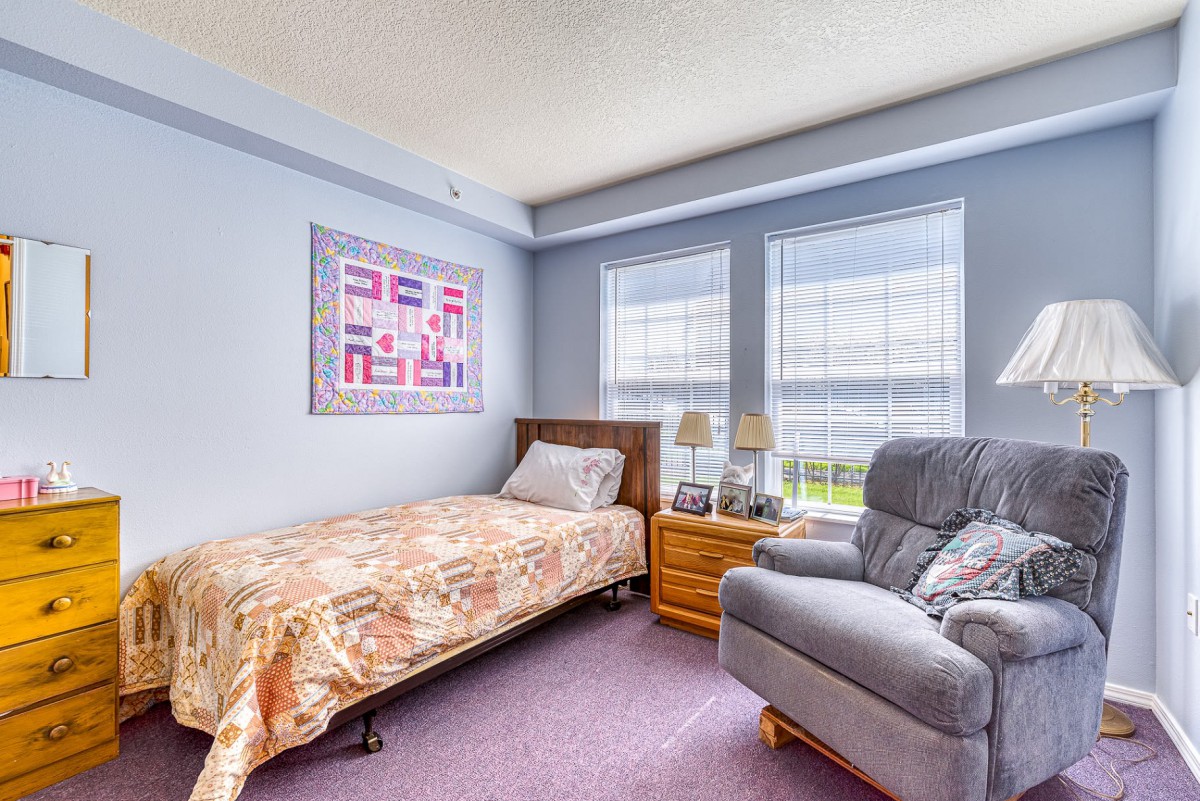
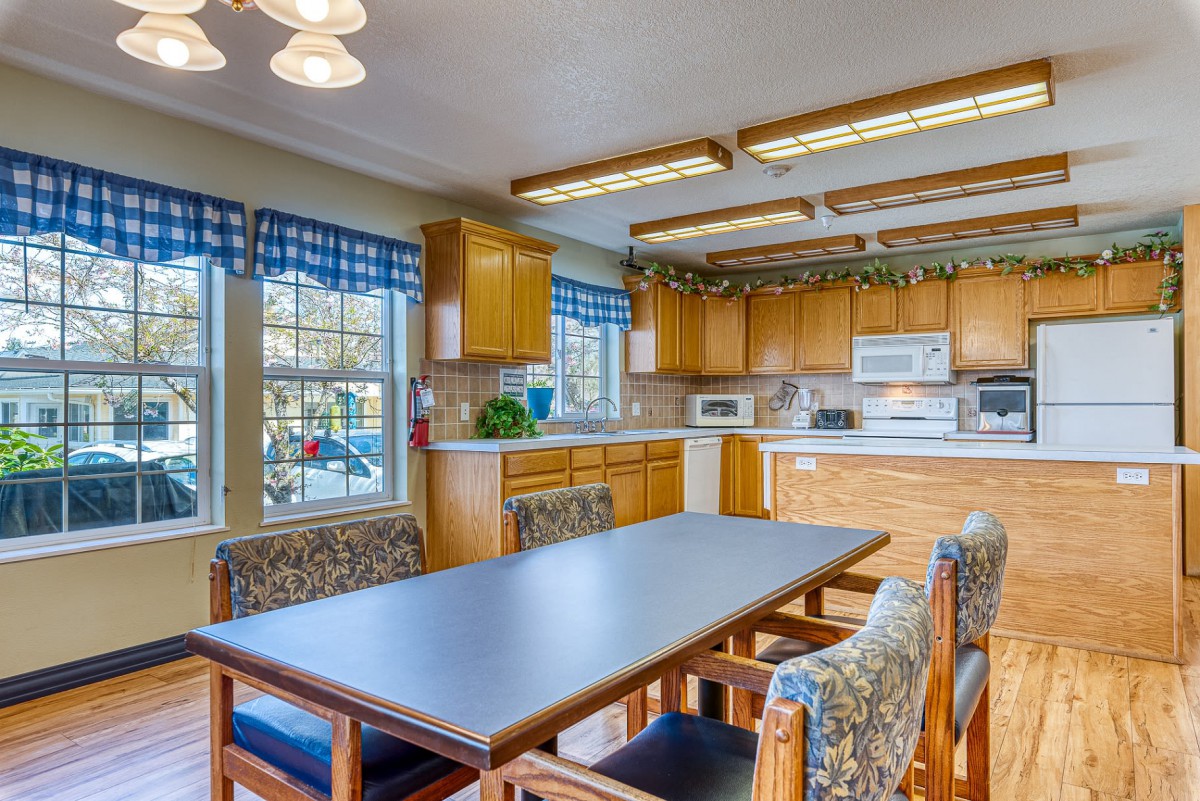
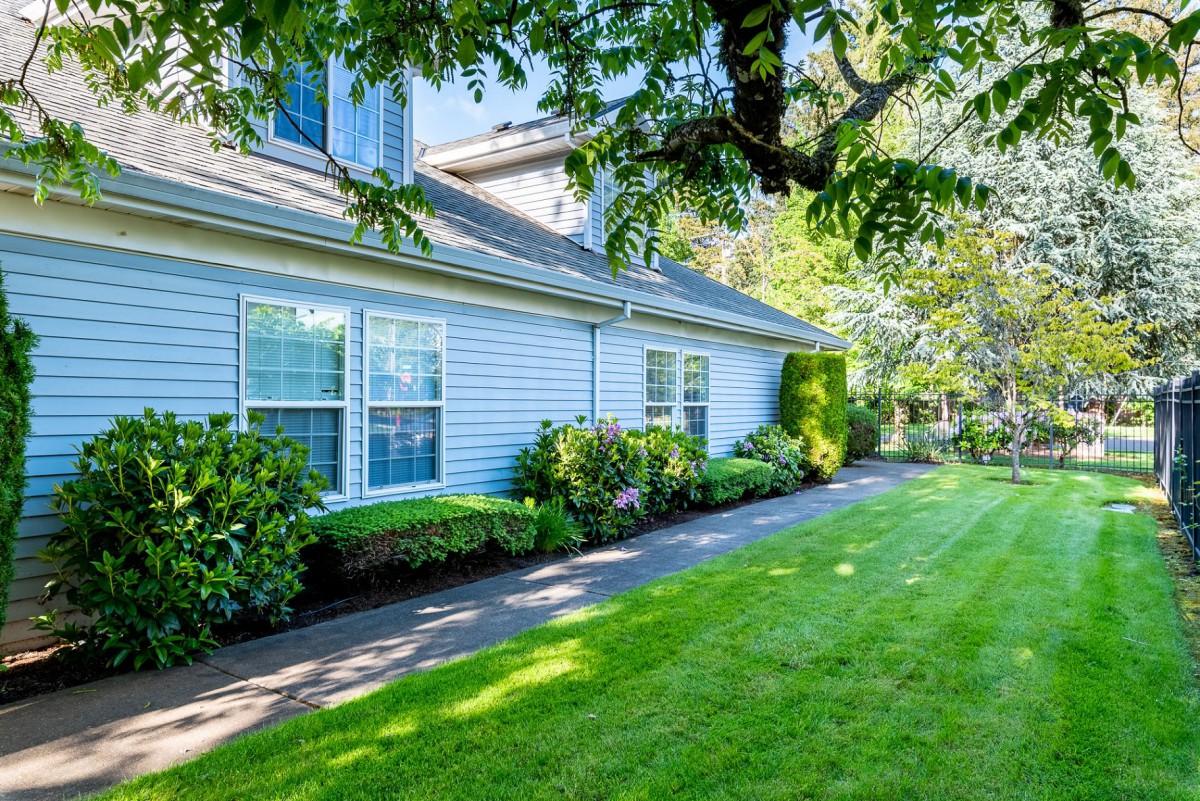
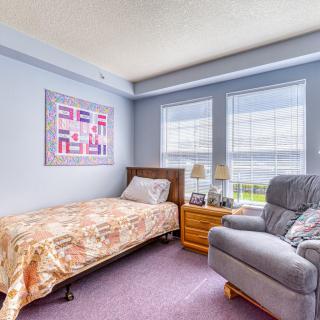
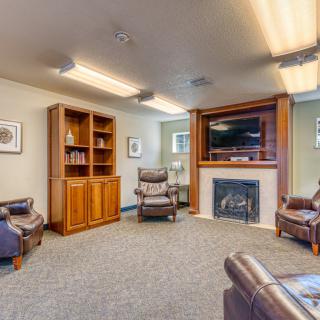
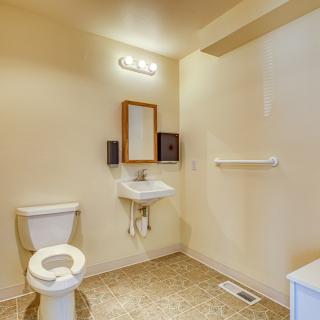
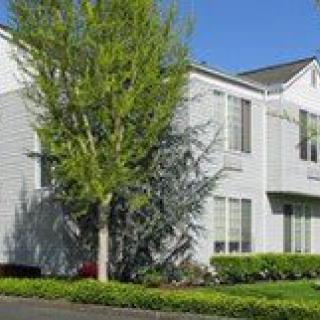
Hawthorne House in Forest Grove is best suited for families seeking an intimate, home-like assisted living environment where daily life centers on meaningful human connection, visible caregiver engagement, and a steady stream of social activities. The community exudes a residential warmth rather than a clinical or institutional feel, with residents often seen enjoying music, meals, and conversations in a welcoming main hall. The strongest draw is the staff, caring, approachable professionals who know residents by name and anticipate needs, making tours and introductions feel genuine and informative. This setting works best for seniors who prioritize daily interaction, a supportive atmosphere, and a sense of being part of a small, cohesive family rather than a large campus.
Those who may want to consider alternatives are typically individuals who require higher-intensity medical oversight or more formal, clinical memory-care infrastructure. If strict, around-the-clock medication management, rapid response to complex medical changes, or highly specialized dementia programming at scale are non-negotiables, a larger facility with deeper clinical resources could be preferable. Families should also weigh whether they prefer a more self-contained, campus-like environment with broader on-site services or a setting with fewer residents and a more clinical routine. In short, Hawthorne House excels as a warm, engagement-forward home base rather than as a high-acuity medical hub.
The core advantages, home-like ambiance, steadfast staff dedication, and robust social programming, offset most of the concerns that arise. Residents appear happy and well-integrated into daily life, with activities that encourage movement, music, dancing, and companionship. The front desk and care teams are repeatedly described as accessible and responsive, which translates into smoother question-asking cycles for families and quicker problem resolution. The setting’s cleanliness and lack of unpleasant odors reinforce a sense of well-being and dignity for those who live there, while the overall atmosphere conveys safety, predictability, and comfort.
A memory-care vibe at Hawthorne House comes across as thoughtfully intimate rather than clinical or impersonal. Several reviews emphasize that the environment avoids the cold feel that can accompany larger memory-care facilities and instead channels a friendly, inclusive energy. The emphasis on socialization, and the evidence of residents engaging in dances and group activities, helps keep participants engaged and emotionally connected. Even when individual experiences diverge, the consensus points to a community where daily life feels purposeful, with caregivers who are attentive to personal rhythms, meals that residents enjoy, and opportunities for meaningful participation.
One potential drawback centers on medication management. A single reviewer flagged concerns about monitoring and oversight of medications, suggesting that this area could be more consistently rigorous. While this is not the prevailing theme across reviews, it is a reminder to prospective families to verify the facility’s current medication administration processes, confirm who supervises dosing, and request a detailed care plan review. When weighed against the breadth of positive reports, strong staff relationships, a warm atmosphere, active residents, and a location convenient for visiting loved ones, the concern becomes a focused item to examine rather than a defining flaw.
In the end, Hawthorne House stands out for families who value a small, neighborly environment where staff presence translates into tangible daily support and social vitality. It is particularly well-suited for those whose loved ones benefit from routine, frequent activities, and easy access to a friendly front-desk team and caregivers who genuinely invest in residents’ well-being. For families prioritizing clinical intensity, large-scale memory-care programs, or expansive on-site medical services, exploring alternatives with more pronounced medical ecosystems is prudent. In selecting Hawthorne House, the decision aligns with stability, warmth, and ongoing connection, the factors that often matter most in sustaining dignity and happiness in later years.
 22 resident community capacity
 Assisted Living
 Memory Care
 Activities off-site
 Beautician on-site
 Cable or satellite TV
 Devotional services on-site
 Dining room
 Fully furnished
 Garden
 Housekeeping services
 Indoor common areas
 Kitchenette
 Move-in coordination
 Outdoor common areas
 Restaurant-style dining
 Small library
 Telephone
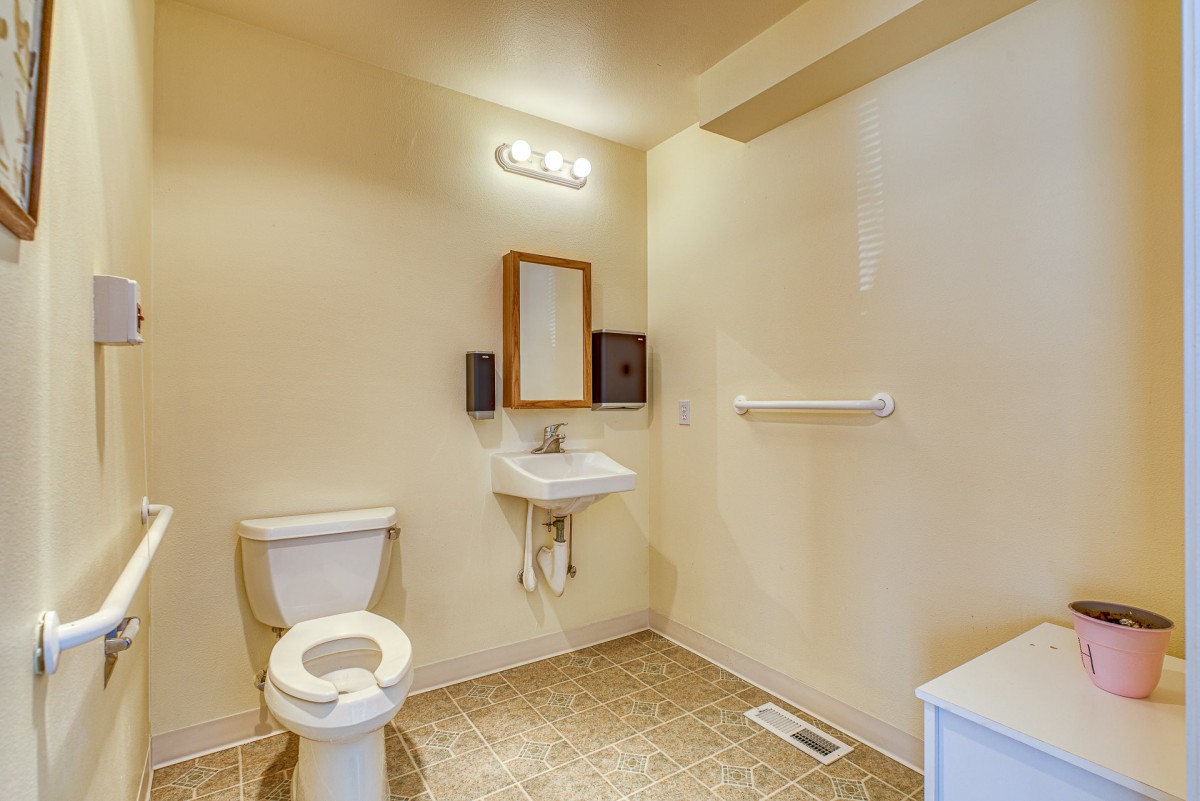
 Wheelchair accessible showers
 Wi-Fi/high-speed internet available
 Portland International (25 miles away)
 24-hour call system
 Ambulatory care
 Assistance with bathing
 Assistance with dressing
 Assistance with transfers
 Diabetes diet
 Diabetic care
 Incontinence care
 Medication management
 Mental wellness program
 Special dietary restrictions



 8 Important Indicators That Memory Care May Be Necessary
 Delving into the Inner World of Dementia: Insights into Thoughts and Awareness
 Five Subtle Dementia Indicators to Observe: An In-Depth Guide to Understanding “Does My Mom Have Dementia?”