
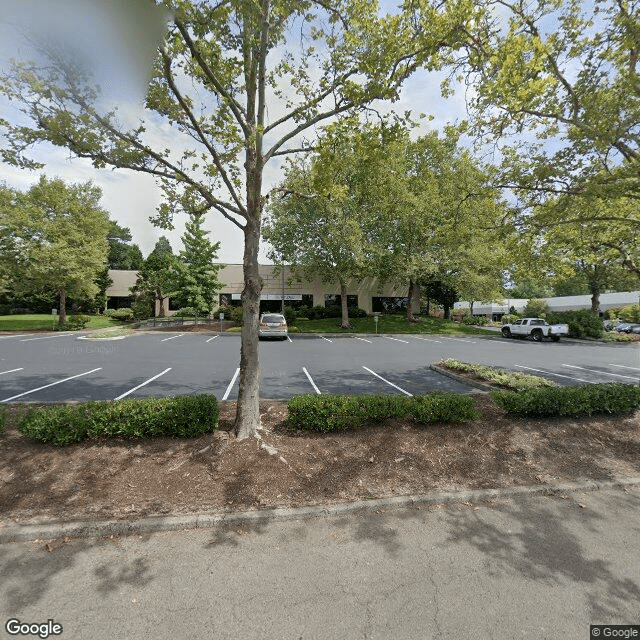
9640 SW Sunshine Ct Suite 400, Beaverton, OH 97005
To contact a resident: (503) 894-8796
For more information about senior living options: (866) 208-4318
Overall Review of Home Instead - Portland West
Pros
 The owners are sincere and hardworking locals who extend generosity to the community.
- The establishment offers an exceptional experience with a highly professional and supportive staff.
- Jeff Ho is responsive, easy to work with, and a reliable resource for residents and the community.
- Cindy is excellent; she is personable and delightful.
- The Home Instead location demonstrates attentive care and wonderful customer service.
- The caregivers provide daily assistance, including showers and dressing, improving clients’ quality of life.
- All representatives are polite, helpful, and enjoyable to be with.
- The administrative staff are quick to reply, and the team consistently makes requests happen.
Cons
 The Beaverton branch's experience was unimpressive and unprofessional.
- The owner was condescending and gaslighting customers to save his business rather than provide proper customer service.
- Reviewers paid caregivers to do nothing.
- The company lacks genuine, trustworthy, reliable, and well-trained caregivers.
- Caregivers are poorly trained and company communications are poor or non-existent.
- Most clients are not happy with the care they receive.
- The company treats its caregivers like trash, and the overall quality of care is not good.
- Home Instead does not protect its employees from their clients.
Review
This Portland West Home Instead is best suited for families that want to keep a loved one at home with practical, people-first support. The arrangement suits seniors who benefit from regular, shorter visits, respite for family caregivers, help with activities of daily living, and companionship that preserves independence. The local ownership and hands-on approach are repeatedly cited as real strengths, with caregivers described as professional, punctual, and responsive when a clear point of contact is present. For families seeking a neighborly, locally grounded service that can mobilize quickly to provide relief and regular assistance, this branch offers a compelling, chooser-friendly option.
Those who may want to consider alternatives are typically driven by a need for ultra-strong consistency or for more intensive clinical oversight. Several reviews highlight staffing gaps, shifts that go unfilled, frequent turnover, and caregivers with limited formal training. There are also serious concerns about management responsiveness, billing disputes, and promises that aren’t fulfilled. For elders with complex medical needs, or for families that cannot tolerate variability in who arrives on any given day, exploring providers with centralized supervision, stricter QA protocols, or even facility-based options becomes prudent.
The strongest pros, personal attention, timely office support, and a dependable, capable caregiver pool when matched well, can offset many concerns, provided the care team remains stable. Families repeatedly note the value of caregivers who log visits, adhere to tasks, and help maintain daily routines, enabling loved ones to stay at home and regain some independence. When these positives shine, the program delivers meaningful relief and peace of mind for caretakers. Yet when caregiver assignments shift, or communication falters, the same advantages erode quickly, leaving safety, comfort, and routine gaps that are hard to overlook.
Practical decision points center on how matching is done, how backup coverage is arranged, and how billing and communication are handled over time. Prospects should press for a dedicated care supervisor, a transparent caregiver roster, and a concrete contingency plan for unfilled shifts. Inquire about training standards, how care plans are updated, and how family notes are shared and acted upon. The office staff’s perceived responsiveness is a notable strength in many reviews, and the capacity to reduce household workload and support dressing, bathing, and mobility tasks is a real benefit, so confirm costs, cancellation terms, and escalation paths before committing.
In comparing to alternatives, the key trade-off is between the intimate, flexible at-home model and the greater predictability offered by larger agencies or facility-based settings. If a family prioritizes a predictable schedule and uniform oversight to minimize turnover risk, other providers with centralized management may offer stronger guarantees. For those needing more specialized medical attention or around-the-clock coverage, a home health agency or assisted living option could deliver steadier clinical oversight. The right choice hinges on how much tolerance exists for caregiver variability in exchange for personalized, in-home support, and whether the price aligns with the care objectives and daily living goals.
 Portland International (12 miles away)






 Effective Strategies for Keeping Seniors' Minds Active: A Deep Dive into Brain Games and Apps
 In-Depth Look at the VA Aid and Attendance Program
 Nurturing Our Loved Ones: A Daughter's Journey in Caring for Her Mother