
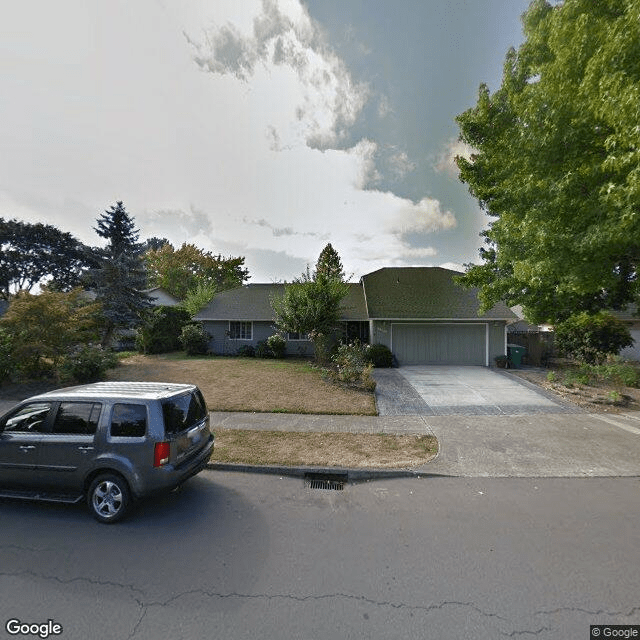
14510 NW Perimeter Ave, Beaverton, OR 97006
To contact a resident: (503) 645-8348
For more information about senior living options: (866) 208-4318
Flory's Care Home Costs & Pricing
At Flory's Care Home, the monthly cost for a private room is set at $3,200, which positions it competitively within both Washington County and the broader Oregon market. Specifically, the average cost in Washington County is slightly higher at $3,261, while state-wide figures reflect an even greater expense of $3,424. This pricing strategy not only makes Flory's Care Home an attractive option for families seeking quality care but also underscores its commitment to providing value without compromising on the level of service and amenities offered.
| Floor plans | Flory's Care Home | Washington County | Oregon |
|---|---|---|---|
| Private | $3,200 | $3,261 | $3,424 |
Senior living communities with a similar price nearby
-
from +$600 / mo

The Inn at University Village
$3,800 to $7,500 / month15.0 miles away -
from -$200 / mo
A Piece of Heaven
$3,000 / month13.5 miles away -
from -$200 / mo
Yamhill Senior Care Home
$3,000 / month15.7 miles away -
from -$200 / mo
Peaceful Lighthouse Adult Care Home
$3,000 / month17.8 miles away -
from +$300 / mo
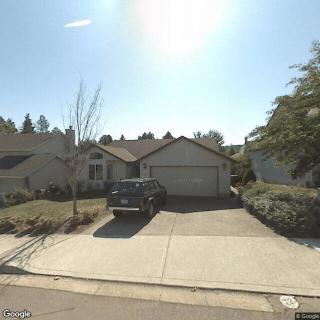
Fulga's ACH
$3,500 / month5.4 miles away
Overall Review of Flory's Care Home
Pros
 The caregivers are generally capable and attentive to residents’ needs.
- They demonstrate friendliness, which supports residents’ emotional well-being.
- The facility is pleasant, spotless, and well equipped to meet residents’ needs.
- Flory is a great caregiver who quickly bonds with residents and lights up the room.
- The care provided helps residents look and feel better, with improved color and appetite.
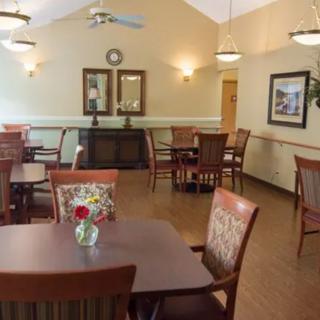
- The home is clean and well-maintained, with open common areas and a nice backyard deck.
- The staff are very nice, contributing to a welcoming atmosphere.
- The overall environment is described as a nice, family-friendly place.
Cons
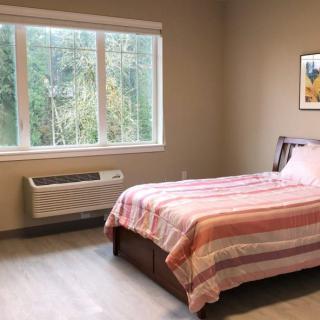
 The room is very small, not in good shape, and old.
- There is no community TV, and the mom does not want to be in her room alone.
- The bedrooms do not have half baths, which is a strike against for Mom.
- Night care is expensive.
- There isn’t a lot of activity coming into the home.
Review
Flory’s Care Home in Beaverton is best suited for families seeking a compact, home-like setting where a resident can receive very hands-on, compassionate care from a devoted caregiver cadre. The community shines when daily routines are tightly supervised and emotional well-being is prioritized through genuine, friendly interactions. It suits seniors who value cleanliness, calm surroundings, and the security of around-the-clock attention more than glossy amenities or expansive programming. In short, this is a small-house alternative for residents who thrive on personal connection with caregivers and are comfortable with a modest footprint and older-construction charm.
Those who should consider alternatives are residents who require more spacious accommodations, modern interior finishes, or robust, structured activity calendars. The most-discussed drawbacks center on the physical footprint: very small rooms, an older building, and limited in-house activities. A lack of community-wide television is noted, along with bedrooms not offering half-baths, which can affect daily living rhythms for some households. Families prioritizing a wide array of social programs, contemporary décor, and larger resident rooms should explore facilities designed to deliver those features.
The strongest positives, exceptional caregiver involvement, a consistently friendly staff, and a clean, pleasant home environment, do not merely soften the downsides; they redefine what success looks like in this setting. Caregivers are described as capable, attentive, and emotionally attuned to residents’ needs, with one standout caregiver, Flory, repeatedly named for the transformative impact she has on a resident’s health and mood. The ability to provide 24-hour care emerges as a critical differentiator, offering night-time reassurance and continuous support that can prevent withdrawal or decline. When a resident’s color, appetite, and overall vitality improve under attentive care, the intimate layout becomes less of a liability and more of a deliberate advantage.
That same intimate arrangement can, however, magnify certain trade-offs. The house’s age and the room sizes limit privacy and personal space, which matters for anyone who values larger living areas or the comfort of dedicated baths. Limited communal programming means residents may fare better with families who can supplement activity at home or with visits from outside entertainers or services. Yet the open common areas and deck provide flexible spaces for small-group socialization and outdoor moments, which can sustain engagement for residents who are content with a quieter, more manageable social pace. In balance, the care quality and warmth largely offset the architectural constraints for many families.
From a practical standpoint, families weighing this community should probe room options and the specifics of 24-hour care coverage, including what nights look like in terms of staffing and routines. A tour should focus on how meals, medications, and daily assistance are coordinated, and whether the resident’s preferred activities can be accommodated within the home’s available structure. It’s important to assess whether the outdoor spaces and common areas align with the resident’s mobility and social preferences. While the building’s age is a factor, the consistency of care and the emotional security offered by the team often compensates for a tighter, less polished footprint.
The bottom line is clear: Flory’s Care Home is a compelling choice for families seeking a deeply personal, caregiver-driven approach in a small, clean, and serene environment. It is particularly well-suited to residents who thrive on one-to-one attention, bond easily with a dedicated caregiver, and can accept a smaller room and fewer on-site amenities in exchange for around-the-clock support and high-quality emotional care. For those who require more space, more vigorous daily programming, or upscale accommodations, alternatives with larger rooms, more modern interiors, and expansive activity calendars are worth pursuing. In the Beaverton area, Flory’s presents a candid bargain: intimate care that can preserve dignity, mood, and appetite, at the cost of room size and built-in amenities.
 Board and Care Home
 Indoor common areas
 Outdoor common areas
 Private
 Wheelchair accessible showers
 Portland International (12 miles away)
 Diabetic care
 High acuity care
 Incontinence care
 Meals provided




 Essential Knowledge on Pneumonia in Older Adults
 Exploring Palliative Care in the Home: A Comprehensive Overview
 Comprehensive Insights into Palliative Home Care: What It Is and What to Expect