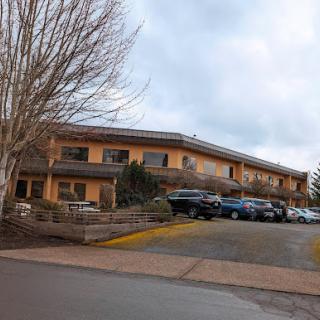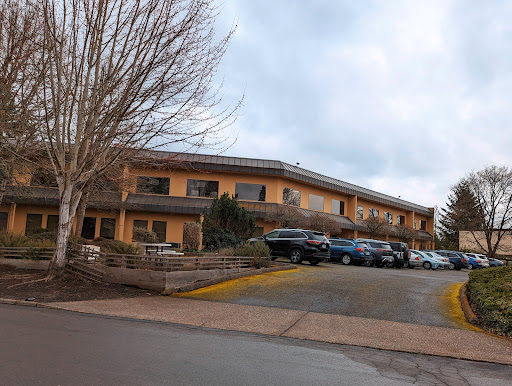



14745 Northwest Ridgetop Court, Beaverton, OR 97006
To contact a resident: (503) 617-9010
For more information about senior living options: (866) 208-4318
Comfort Life Home Care Costs & Pricing
Comfort Life Home Care offers competitive pricing in the context of Washington County and the broader state of Oregon. For a private room, Comfort Life's monthly rate stands at $3,200, which is slightly lower than the county's average of $3,261 and significantly more affordable compared to the state's average of $3,424. Similarly, for semi-private accommodations, Comfort Life maintains its price at $3,200 - considerably less than the county's average of $4,848 and also under the state's average rate of $4,457. These rates not only reflect Comfort Life's commitment to providing quality care but also underscore their dedication to affordability within the regional market.
| Floor plans | Comfort Life Home Care | Washington County | Oregon |
|---|---|---|---|
| Private | $3,200 | $3,261 | $3,424 |
| Semi-Private | $3,200 | $4,848 | $4,457 |
Senior living communities with a similar price nearby
-
from +$600 / mo

The Inn at University Village
$3,800 to $7,500 / month15.0 miles away -
from -$200 / mo
A Piece of Heaven
$3,000 / month13.6 miles away -
from -$200 / mo
Yamhill Senior Care Home
$3,000 / month15.9 miles away -
from -$200 / mo
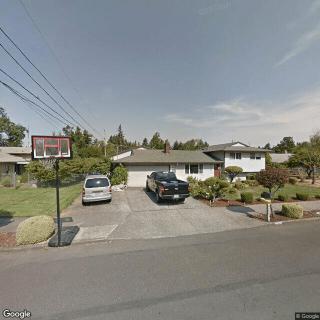
Peaceful Lighthouse Adult Care Home
$3,000 / month18.0 miles away -
from +$300 / mo
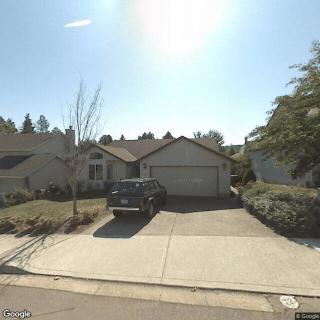
Fulga's ACH
$3,500 / month5.4 miles away
Overall Review of Comfort Life Home Care
Pros
 The home is great, small, and has only three residents.
- There is a neat lady with a CNA/CMA background.
Review
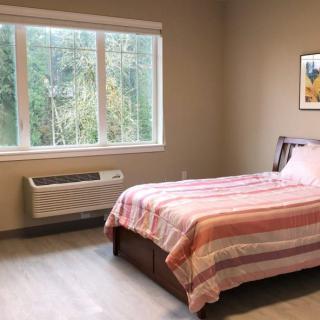
This Beaverton community is best suited for seniors who want a truly intimate, home-like living arrangement rather than a conventional campus. With only three residents, it promises a level of personalized attention and quiet daily life that larger facilities struggle to deliver. The caregiver leadership is anchored by a neat lady with CNA/CMA background, signaling capable, hands-on daily care, safety monitoring, and practical task management. The remodel adds a layer of freshness and comfort, which matters to families seeking a clean, light-filled space where residents can settle into a predictable routine without the bustle of a bigger operation.
That said, this option is not for every senior or family. Those requiring robust medical oversight, round-the-clock supervision, or a heavily structured activity calendar may find a larger assisted-living community a better fit. The note that the home is opening after a remodel in one month, and the recommendation to “check back”, introduces a real risk: current availability, staffing stability, and ongoing operations remain unproven. For anyone needing immediate placement or guaranteed, scalable programming, alternatives with established timelines and proven track records will likely be more dependable.
The strongest positives center on the strength of a small, tightly run home. A trio of residents enables caregivers to tailor each day to individual routines, preferences, and needs, with easier adjustments as health changes arise. The CNA/CMA background on the leadership side adds credibility for everyday tasks, medication assistance, and safety oversight, which translates into smoother transitions between activities and fewer missed routines. The fresh remodel can translate to cleaner living spaces, updated bathrooms, and improved lighting, factors that reduce fall risk and create a more comfortable, homelike environment.
Yet the same small scale can magnify drawbacks. The limited public detail about licensing, services included, and staffing schedules makes it essential to verify basics before committing. Questions about meal service, transportation, housekeeping, emergency response, and the availability of social and recreational activities deserve clear answers. The absence of a longer track record means there is less evidence to gauge consistency of care, staff reliability, and overall quality compared with more established operators. Families should demand concrete assurances, not hopeful assumptions.
The pros offset the cons when care priorities align with a homey, low-stimulation setting that emphasizes personal attention over broad programming. In that context, the intimate caregiver-resident dynamic can yield faster problem resolution, stronger trust, and a sense of security that larger campuses sometimes struggle to reproduce. The CNA/CMA background is a meaningful asset, providing practical know-how that supports daily living tasks, safety checks, and routine documentation. However, this advantage cannot fully compensate for a lack of documented operations, predictability, and stable staffing over time. A supervised trial stay or a clearly stated move-in timetable would be the definitive test of whether this model delivers as promised.
Ultimately, this Beaverton option deserves serious consideration for families prioritizing an authentic, home-like atmosphere with hands-on, personalized care. It is less suitable for those needing immediate, highly structured programming or intensive medical supervision from day one. Before committing, secure current licensing confirmation, administrative oversight, and a clear breakdown of services, fees, meal plans, activity options, and transportation arrangements. Arrange a guided tour, request a written care plan, and ask for a placement timeline or trial period. If those details cannot be furnished promptly, or if immediate placement is non-negotiable, exploring more established assisted living alternatives in Beaverton with transparent operations is a prudent, confidence-preserving step.
 Board and Care Home
 Private
 Wheelchair accessible showers
 Portland International (12 miles away)
 Diabetic care
 High acuity care
 Incontinence care
 Meals provided



 Urinary Tract Infections in Older Adults: Comprehensive Insights on Symptoms, Treatment, and Prevention
 California's Form 602A: An In-Depth Examination of Senior Care Assessment
 Comprehensive Look at Senior Blood Pressure Charts: Normal and Elevated Levels by Age