
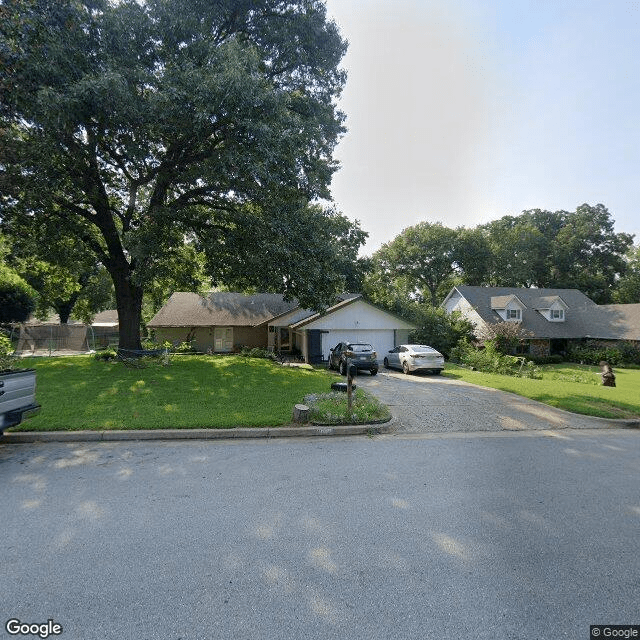
8234 S. Sandusky Ave, Tulsa, OK 74137
To contact a resident: (918) 629-9354
For more information about senior living options: (866) 208-4318
McNeal House Costs & Pricing
At McNeal House, the monthly costs for accommodations are notably competitive compared to broader regional averages. For a semi-private room, residents can expect to pay $3,000, which is significantly lower than the Tulsa County average of $3,624 and the state average of $4,053. Similarly, those opting for a private room will find that McNeal House offers a favorable rate of $3,500, in contrast to the county's average of $3,774 and the state's higher average of $4,618. These cost-effective options make McNeal House an appealing choice for individuals seeking quality care without compromising their financial wellbeing.
| Floor plans | McNeal House | Tulsa County | Oklahoma |
|---|---|---|---|
| Semi-Private | $3,000 | $3,624 | $4,053 |
| Private | $3,500 | $3,774 | $4,618 |
Senior living communities with a similar price nearby
-
from +$100 / mo
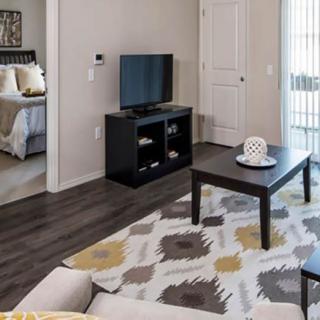
Cedarhurst of Woodland Hills
$3,100 to $3,600 / month3.6 miles away -
from +$400 / mo

Harvest Residential Care Home II
$3,400 to $3,700 / month1.4 miles away -
from +$100 / mo
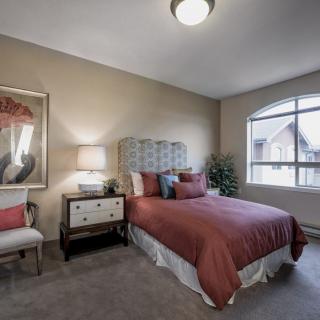
The Linden at Stonehaven Square
$3,100 to $5,800 / month4.2 miles away -
from +$500 / mo
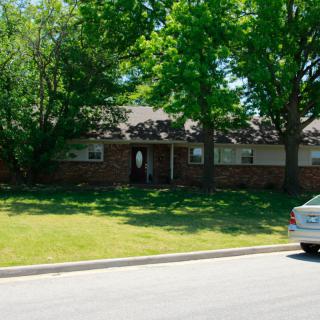
TrustedKare
$3,500 / month2.9 miles away -
from -$191 / mo
Holiday Prairie Rose
$2,809 to $4,159 / month2.8 miles away
Overall Review of McNeal House
Pros
 They appreciated that the setting is a group home, not a corporate facility.
- They liked the caregiver-to-patient ratio of 1 to 4, preferring it to 16 to 1.
- They viewed the small 4-bedroom house with caregivers as a favorable setup.
Cons
 The reviewer was frustrated by Aplaceformom.com for not matching them with the right communities.
- McNeal wasn’t what the reviewer was looking for.
Review
McNeal House in Tulsa is best suited for families seeking a truly home-like assisted living arrangement where a senior benefits from intimate, hands-on attention. This is a small group residence rather than a corporate campus, featuring a four-bedroom layout that keeps resident numbers low and staff readily accessible. The caregiver-to-resident ratio of 1 to 4 translates into visible attentiveness, faster responses, and the ability to tailor daily routines to personal preferences. For seniors who prize a sense of belonging and dislike impersonal, institutional environments, McNeal offers a compelling, practical match.
Those who should consider alternatives are families aiming for a more formal program, broader medical oversight, or a campus atmosphere with a wider array of services. The reviews emphasize that while McNeal isn’t “bad,” it simply wasn’t aligned with the reviewer’s needs and expectations. The smaller, non-corporate structure naturally yields less polish and fewer bells-and-whistles than larger facilities, and that matters when the priority is a robust schedule of activities, specialized care programs, or a hospital-like cadence. In short, compatibility with expectations is a decisive factor here.
The strongest pro is the high level of direct care that comes with the intimate setting. A 1:4 caregiver ratio in a compact home environment means caregivers know the resident’s routine, preferences, and health cues intimately, enabling quick assistance with daily living tasks and timely monitoring of changes. Families will likely experience greater visibility into day-to-day care and a sense of continuity that can feel stabilizing for a senior who thrives on routine and personal connection. In practice, these advantages often translate into calmer days for residents and more meaningful interactions with staff.
However, the same qualities that make McNeal appealing can feel restricting for some. The main trade-off is a potentially narrower scope of services and slower scalability when needs evolve. The small, homey model doesn’t replicate the breadth of programming or the extensive medical and recreational resources a larger campus can offer. For a senior requiring advanced memory care, specialized therapies, or a wide-ranging activity calendar, the intimate setting may seem limiting. The review’s caveat, that the community wasn’t the right fit for that particular family, highlights a real decision point: the strength of personal attention versus the comfort of a larger, more resource-rich environment.
When evaluating options, approach with a practical, must-ask mindset. Visit during a typical day and observe how staffing roles unfold across shifts; ask about medication management, safety and supervision, meal planning, and daily activities. Clarify what medical oversight looks like on-site, what services are included in the base arrangement, and what would require add-ons. It is equally important to understand privacy arrangements, roommate policies, and how flexible the schedule can be to accommodate unique routines. If the goal is to preserve a cozy, house-like feel and secure, individualized attention, McNeal House provides a credible and strong case.
The bottom line is clear: McNeal House serves as a practical, candid option for families prioritizing intimate, caregiver-led care within a home-like setting. It excels when personal attention, near-constant caregiver access, and a quieter, less institutional atmosphere are the decisive factors. Those who need a hospital-style campus, an expansive activity slate, or extensive medical resources should pursue alternatives that deliver on scale and formal programming. Use the intimate environment as the decision driver, then verify alignment through visits, conversations with current residents and staff, and concrete demonstrations of daily routines to ensure the balance of pros and cons matches the senior’s reality and the family’s expectations.
 Board and Care Home
 Activities off-site
 Bath tubs
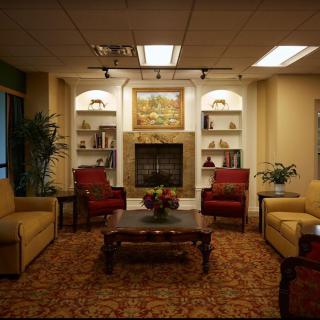
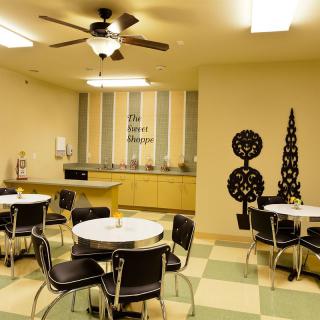
 Indoor common areas
 Outdoor common areas
 Private
 Respite or short term stays offered
 Wheelchair accessible showers
 Tulsa International (11 miles away)
 Ambulatory care
 Diabetic care
 Incontinence care
 Medication management
 Kosher



 Comprehensive Guide to Qualifying for Home Health Care Services
 Powerful Realities of Elder Abuse and the Most Effective Ways to Report It
 Ten Vital Duties of a Senior Caregiver: A Comprehensive Guide