Green Tree Assisted Living & Memory Care Costs & Pricing
Green Tree Assisted Living & Memory Care offers a range of accommodation options with monthly costs that reflect the premium services and quality care provided. For a studio, residents can expect to pay $3,780, which is slightly higher than the average rates in Tulsa County at $3,593 and the broader Oklahoma state average of $3,629. Those looking for more spacious living arrangements will find the one-bedroom option priced at $5,185, significantly above both county and state averages of $3,600 and $3,565 respectively. The two-bedroom offerings are priced at $5,780, outpacing the county's average of $4,169 and the state's average of $3,747. While Green Tree's pricing positions it on the higher end of the spectrum compared to local alternatives, it is reflective of its commitment to providing exceptional care and enriching lifestyle options for residents.
Floor plans
Green Tree Assisted Living & Memory Care
Tulsa County
Oklahoma
Studio
$3,780
$3,593
$3,629
1 Bedroom
$5,185
$3,600
$3,565
2 Bedrooms
$5,780
$4,169
$3,747
Memory care communities with a similar price nearby
Overall Review of Green Tree Assisted Living & Memory Care
common28 reviews mention this
Staff communication and care
Residents and families consistently describe attentive, understanding staff.
Many reviewers say staff communicate well and respond quickly when needs come up, especially in memory care and during complex situations. Several families describe the care team as thoughtful, kind, and supportive throughout transitions and day-to-day support. A minority of reviews are sharply negative, saying staff were uncaring, not organized, or dismissed visitors who weren’t designated family.
common7 reviews mention this
Clean, safe environment
Reviews frequently mention a clean, safe-feeling setting.
Multiple residents and families describe the facility as clean and free of unpleasant odors, and they also mention feeling safe and comfortable. One reviewer toured and still noted cleanliness even though they disliked the lighting and overall feel. On the negative side, at least one reviewer reported ongoing maintenance issues like bugs and a nonfunctioning bathroom.
common9 reviews mention this
Food quality and dietary limits
Food is a frequent topic, with both praise and concerns.
Several reviews highlight good-tasting meals, responsive kitchen staff, and special-request accommodations. A couple of reviews also mention food positively when describing the overall experience day to day. There are also concerns, including one about hair in food and another about not having enough vegetarian options despite being told otherwise.
common3 reviews mention this
Activities and outings
Residents appear to spend time with activities and outings.
Some reviewers say they see fun activities and also mention outings as part of life at the community. However, at least one memory care review says activities were lacking in that unit and that residents weren’t being kept active. That contrast suggests activity programming may vary by unit and resident needs.
caveat2 reviews mention this
Memory care and dementia support
Memory care experiences are mixed in reviews.
One reviewer is specifically thankful for the memory care setting and describes staff as communicating well and creating a safe, cheerful environment. Another reviewer reports serious concerns related to dementia care, including challenges with how the staff handled dementia needs and a lack of activities in the memory care unit. If memory care is your priority, these reviews suggest you may want to ask detailed questions about how care plans and daily engagement are managed for cognitive needs.
How we summarize
Counts show how many written reviews mention each theme; a review can touch several themes, and only frequently mentioned themes are displayed.
Features
Types of Care
Assisted Living
Memory Care
Amenities
Activities off-site
Activities on-site
Air-conditioning
Bath tubs
Beautician on-site
Cable or satellite TV
Devotional services off-site
Devotional services on-site
Ground floor units
Handicap accessible
Indoor common areas
Kitchenette
Outdoor common areas
Respite or short term stays offered
Wheelchair accessible showers
Wi-Fi/high-speed internet available
Transportation
Tulsa International (15 miles away)
Care Services
Ambulatory care
Diabetic care
Incontinence care
Medication management
Dining
Gluten-free
Guest meals
International cuisine
Low / no sodium
Meals provided
No Sugar
Professional chef
Restaurant style dining
Room service
Special dining programs
Activities
Art classes
Cooking classes
Day trips and outings
Devotional activities offsite
Devotional activities on-site
Educational speakers / life long learning
Happy hour
Karaoke
Live dance or theater performances
Live musical performances
Live well programs
Other religious services
Nearby Places of Interest
This part of Sand Springs, Oklahoma, offers a variety of amenities that cater to seniors looking for a peaceful and convenient place to live. With several places of worship nearby, such as the Sand Springs Congregations of Jehovah's Witnesses and Boston Avenue United Methodist Church, residents can nurture their spiritual well-being. The area also provides easy access to pharmacies like Walgreens and Med X Drug, ensuring quick and efficient healthcare services. Additionally, there are plenty of dining options including China OK and Chick-Fil-A for enjoyable meals out. For recreation, seniors can visit parks like Keystone State Park or the Gathering Place for outdoor activities. With hospitals such as St John Medical Center and Hillcrest Medical Center nearby, residents have access to quality medical care in case of emergencies. Overall, this part of Sand Springs offers a peaceful and convenient environment for seniors looking for a comfortable place to call home.
Places of Worship
Sand Springs Congregations of Jehova's Witnesses (0.7 miles)
Church That Matters (1.1 miles)
Keystone Hills Baptist Church (6.6 miles)
Tulsa Hills Church Of The Nazarene (8.6 miles)
Boston Avenue United Methodist Church (9.1 miles)
Brookside Baptist Church (9.1 miles)
First Baptist Church of Tulsa (9.1 miles)
Transportation
U-Haul Neighborhood Dealer (1.1 miles)
Christiansen Aviation (9.2 miles)
Richard Lloyd Jones Jr Airport (RVS) (9.4 miles)
Pharmacies
Walgreens (1.1 miles)
Med X Drug (1.1 miles)
Spoon Drug (1.3 miles)
Warehouse Market (2.6 miles)
Walmart Pharmacy (2.7 miles)
Warehouse Market (7.2 miles)
Med-World Pharmacy (7.4 miles)
Restaurants
China OK (1.3 miles)
Sonic Drive-In (7.3 miles)
McDonald's (7.6 miles)
Chick-Fil-A (8.1 miles)
Whataburger (8.1 miles)
Kai Vietnamese Cuisine (8.8 miles)
Antoinette Baking Co. (9 miles)
Physicians
Park Utica Clinic (1.4 miles)
Omni Medical Group (2.5 miles)
OSU Health Care Center (7.6 miles)
Eddy, William, Do - Osu College Of Osteopathic Med (7.9 miles)
Gill Raji M DO (8.4 miles)
Center For Orthopaedic Reconstruction & Excellence (8.8 miles)
Beatty John Saint John Clinic Family Medical Care Tulsa (9.7 miles)
Parks
Sand Springs City Parks & Rec (2.8 miles)
Keystone State Park (7.4 miles)
Gathering Place (8.6 miles)
Riverparks (8.6 miles)
Owen Park (9.3 miles)
Salt Creek Cove Recreation Area (10.2 miles)
Appalachia Bay Recreation Area (10.4 miles)
Cafes
Starbucks (8.3 miles)
Coffee House (9.7 miles)
Hospitals
Oklahoma State University Medical Center (8.3 miles)
Health Design (9.8 miles)
St John Medical Center (9.8 miles)
Hillcrest Medical Center (10 miles)
Hillcrest Medical Center Same Day Surgery (10 miles)
Green Tree Assisted Living & Memory Care offers a range of accommodation options with monthly costs that reflect the premium services and quality care provided. For a studio, residents can expect to pay $3,780, which is slightly higher than the average rates in Tulsa County at $3,593 and the broader Oklahoma state average of $3,629. Those looking for more spacious living arrangements will find the one-bedroom option priced at $5,185, significantly above both county and state averages of $3,600 and $3,565 respectively. The two-bedroom offerings are priced at $5,780, outpacing the county's average of $4,169 and the state's average of $3,747. While Green Tree's pricing positions it on the higher end of the spectrum compared to local alternatives, it is reflective of its commitment to providing exceptional care and enriching lifestyle options for residents.
Green Tree Assisted Living & Memory Care's medication management system ensures that residents receive their prescribed medications on time and in the correct dosages, which is crucial for individuals with dementia or Alzheimer's disease who may struggle with memory retention. By providing structured oversight, this service reduces the risk of missed doses or medication errors that could exacerbate cognitive decline or lead to adverse health effects. Additionally, incontinence care offers compassionate support and dignity for residents who may experience challenges related to bladder control often associated with neurological conditions. This specialized assistance not only enhances comfort but also promotes independence and a sense of well-being, allowing residents to engage more fully in daily activities without the stress of such personal concerns. Together, these features create a holistic approach that addresses both medical needs and emotional well-being, fostering a nurturing environment conducive to quality living for those facing memory impairments.
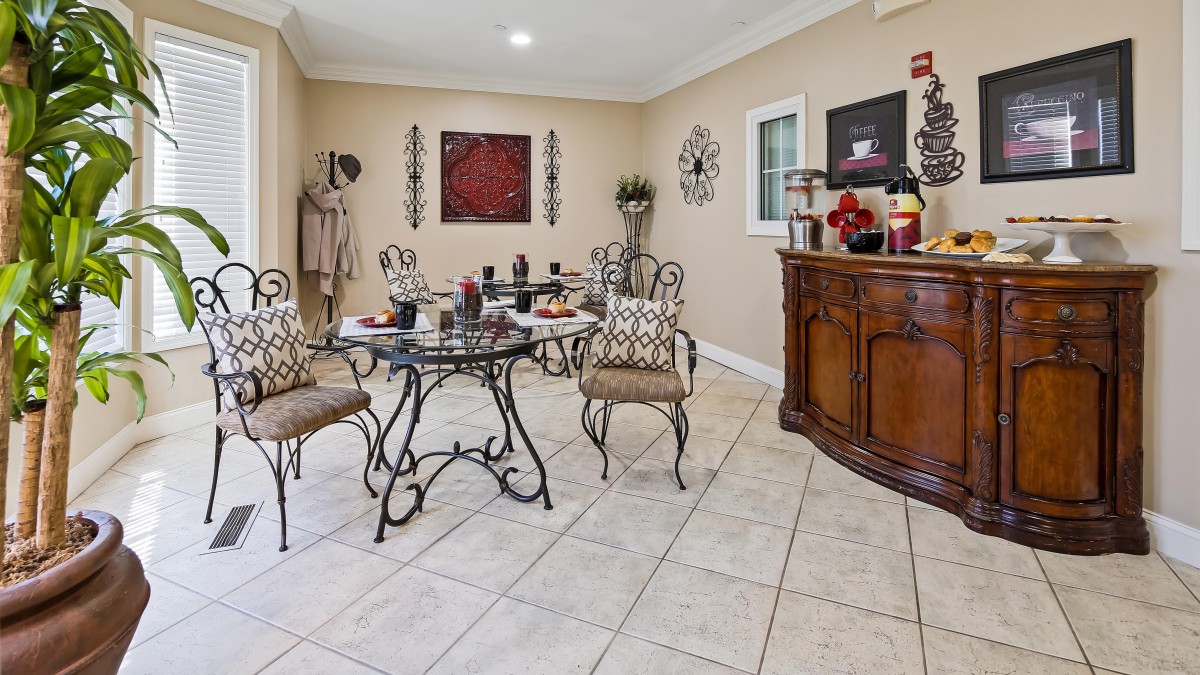
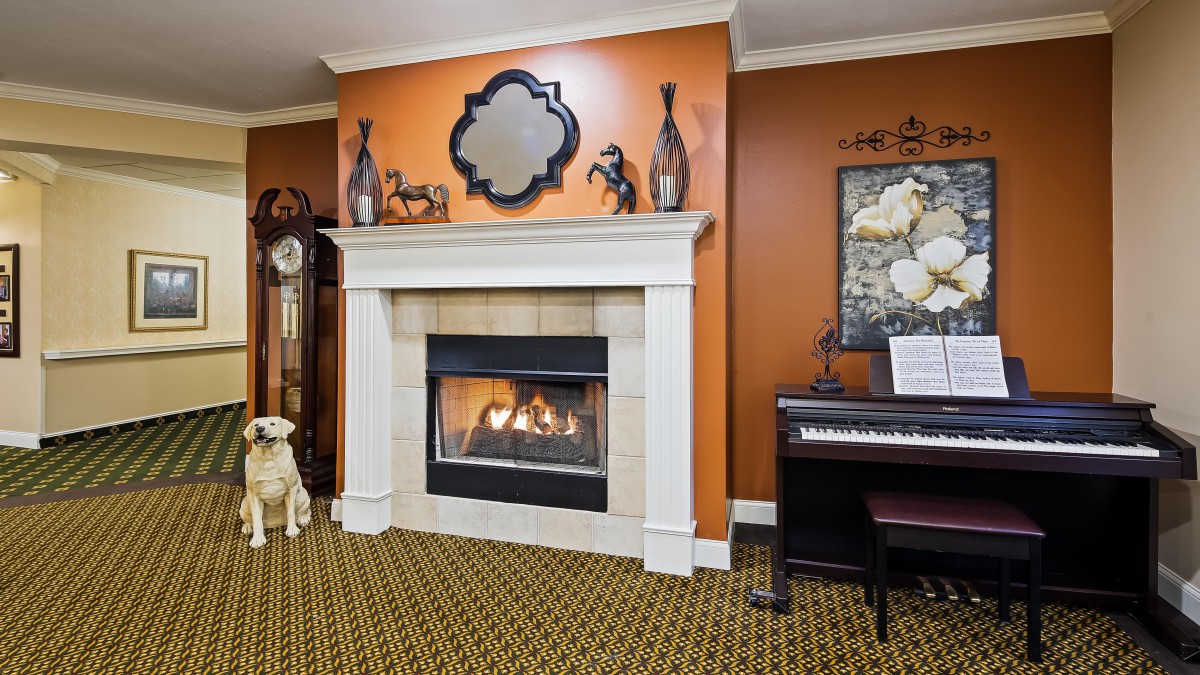
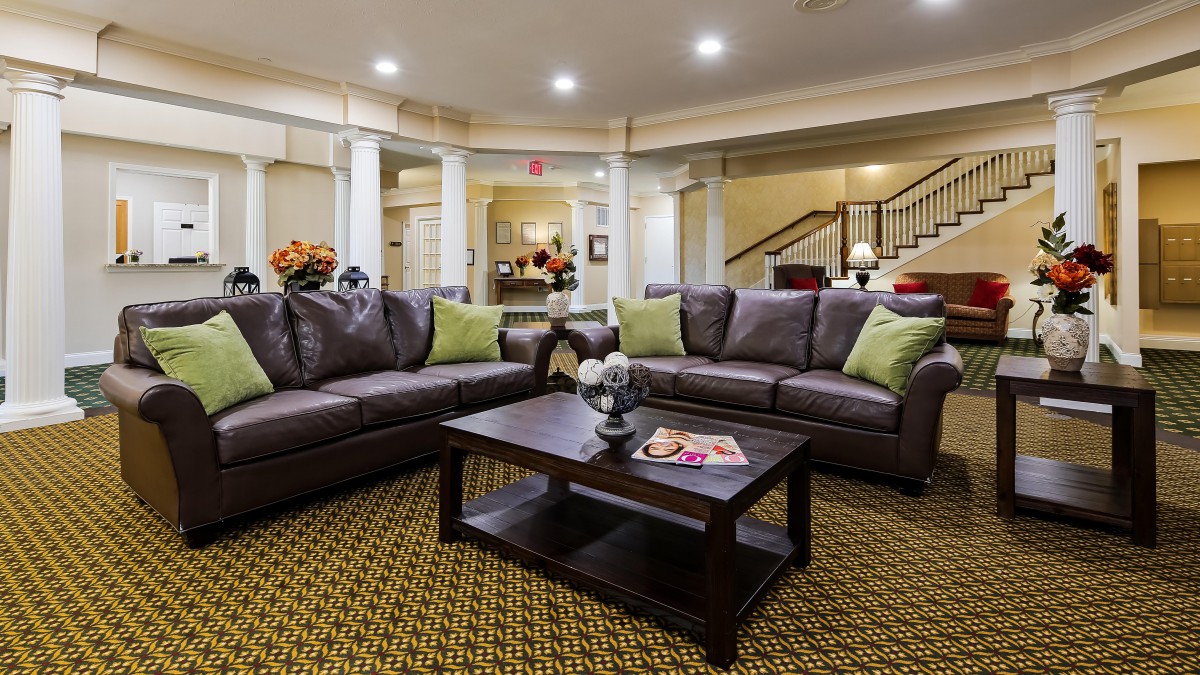
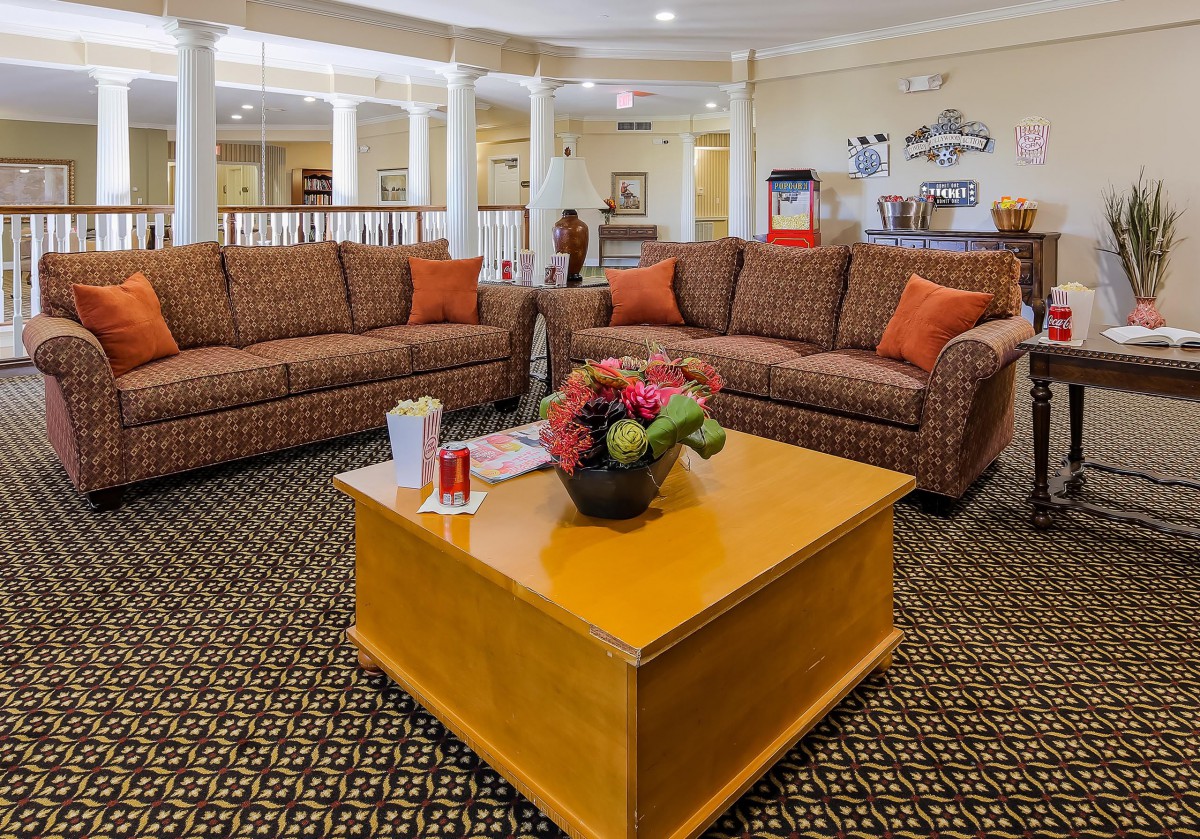
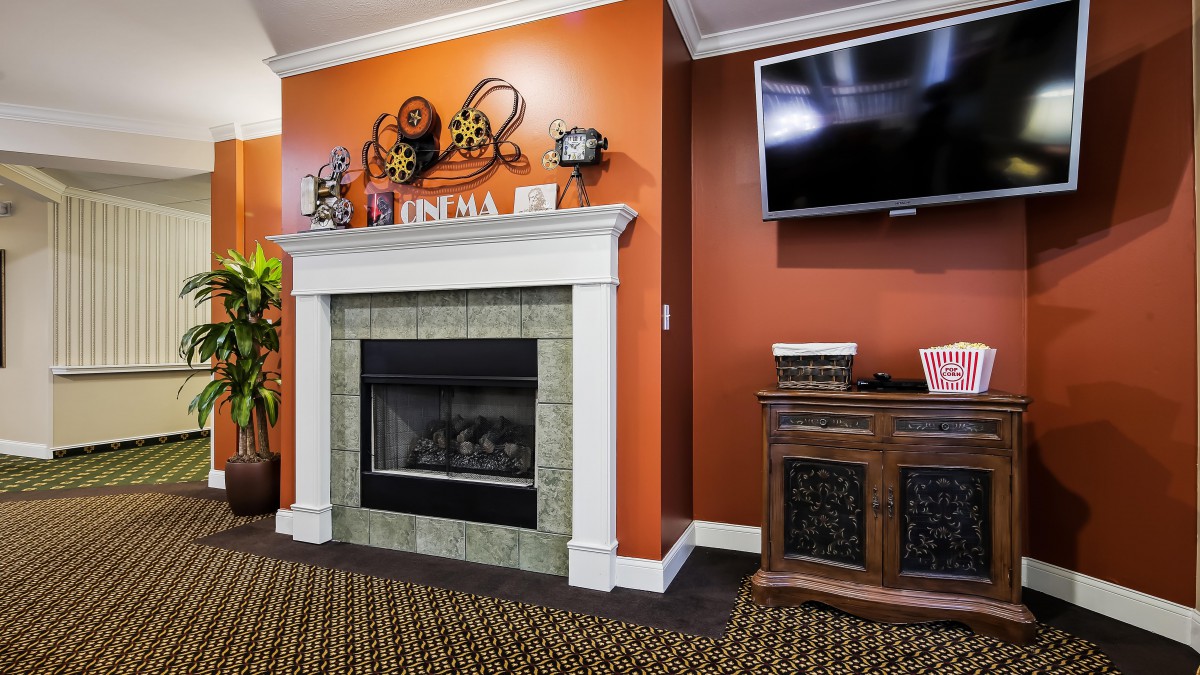
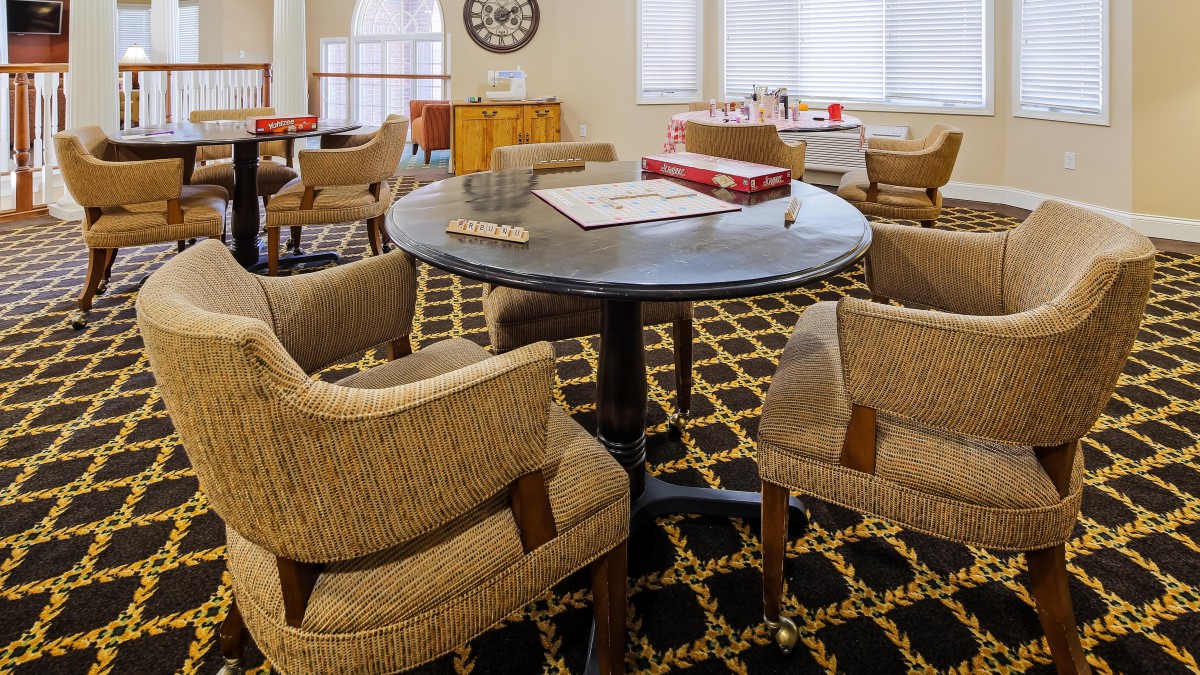
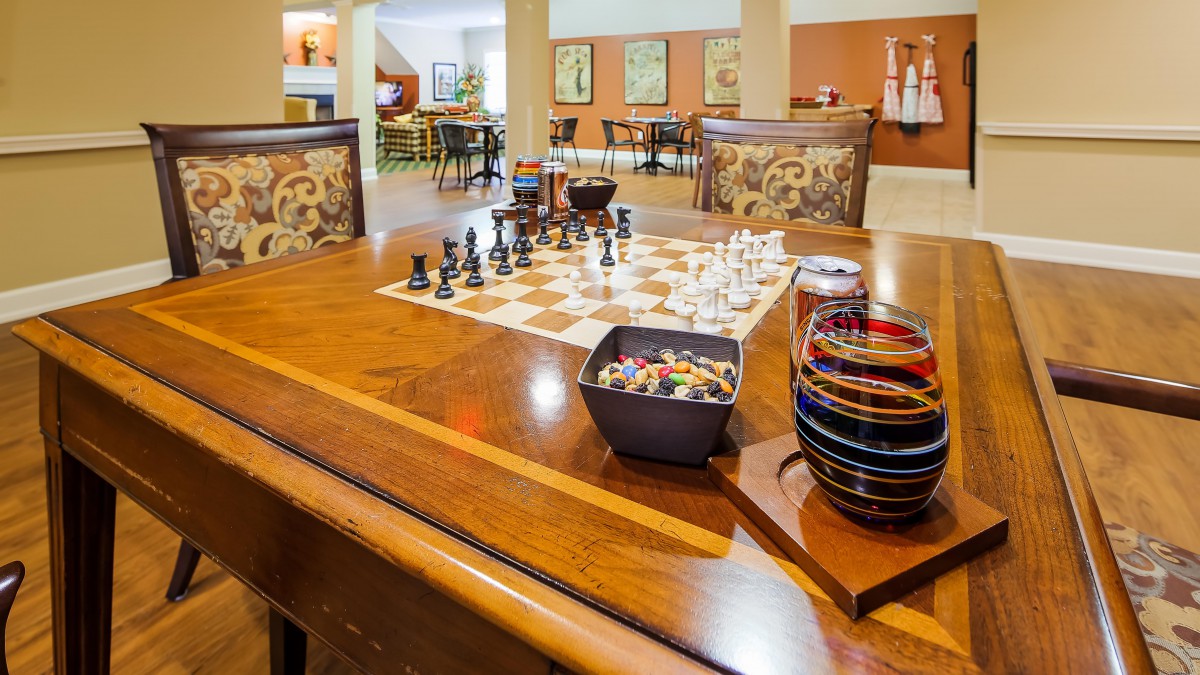
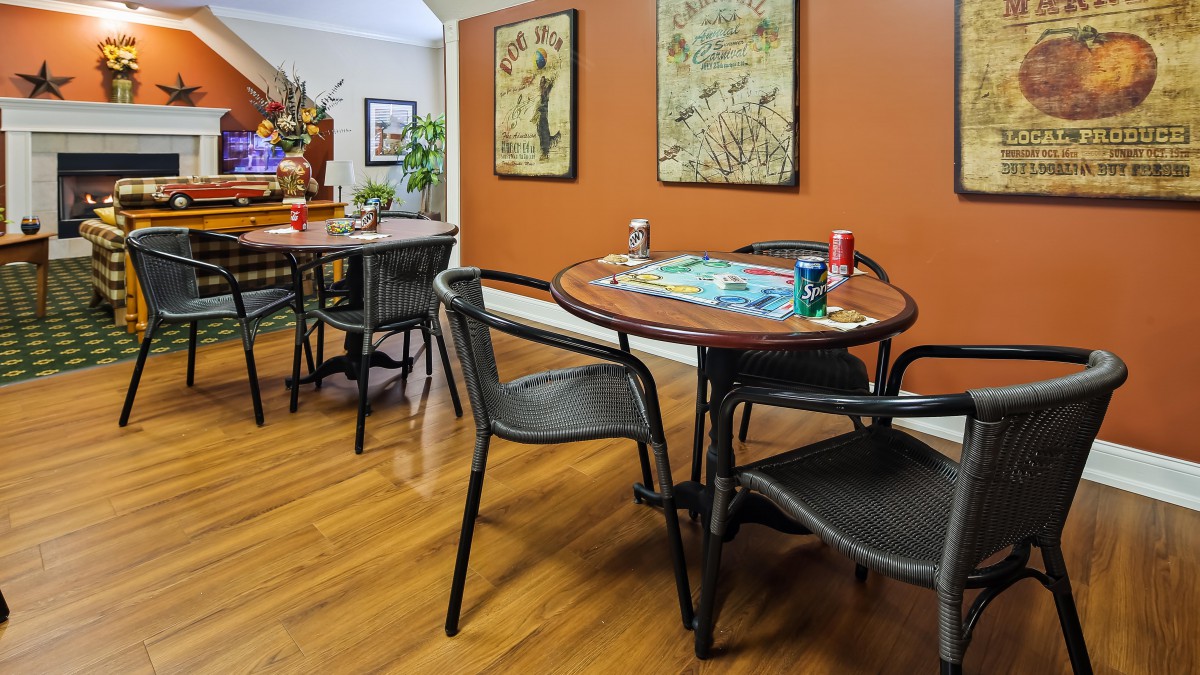
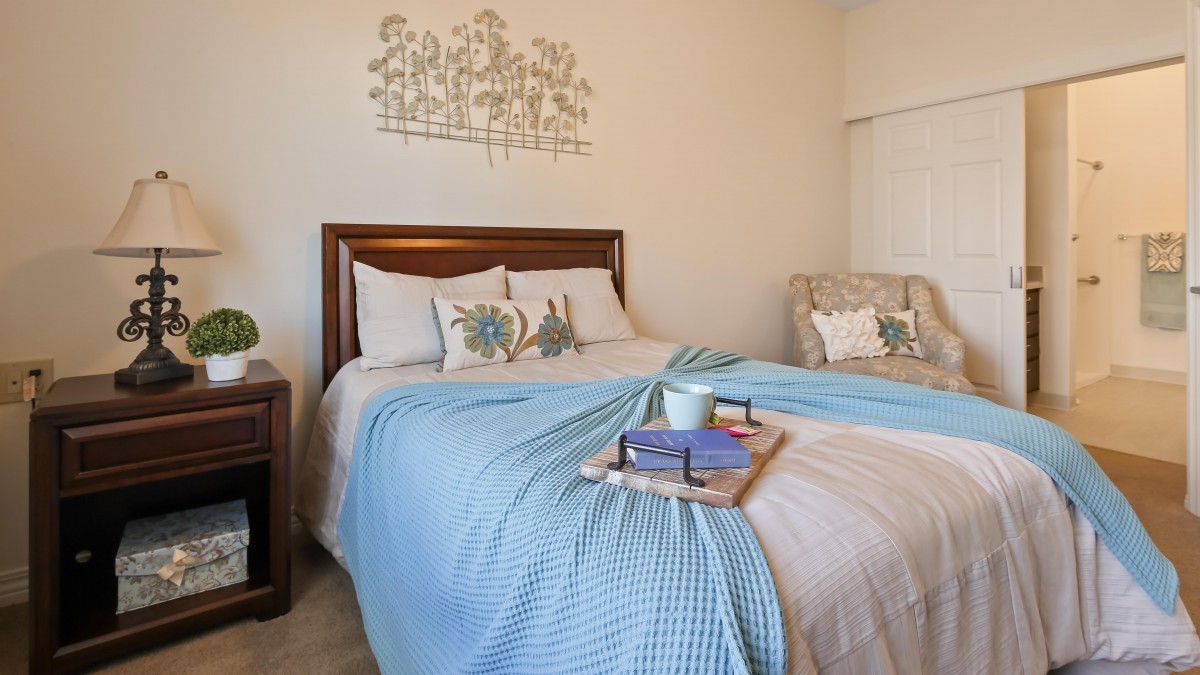
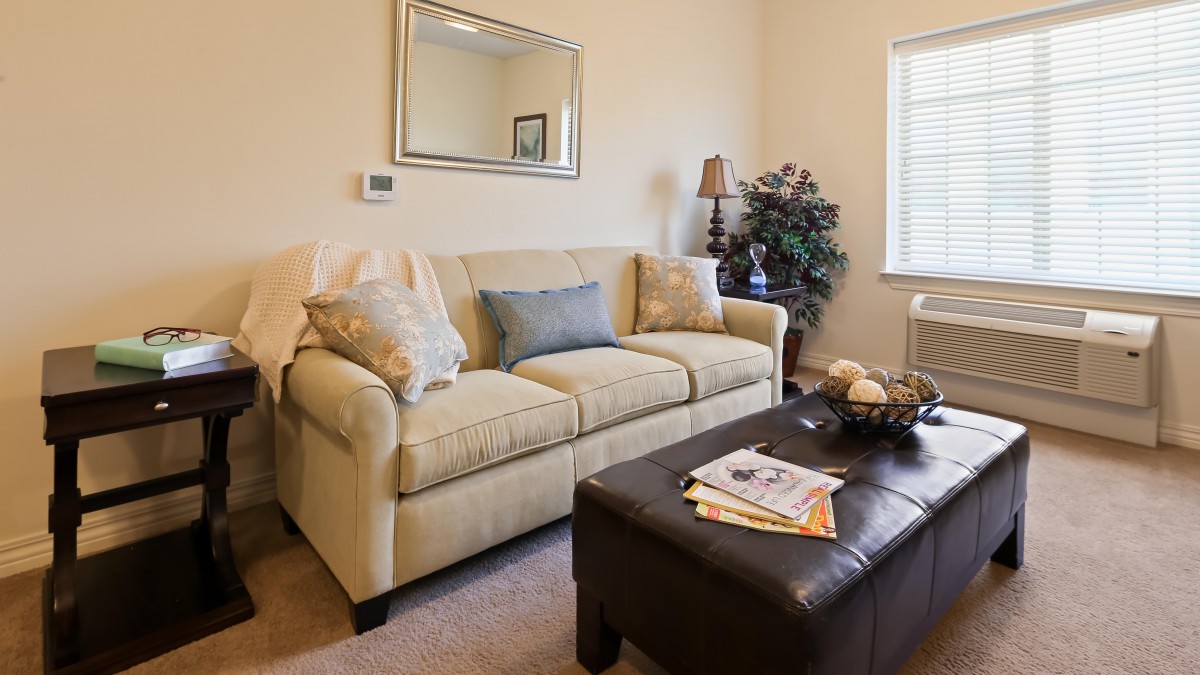
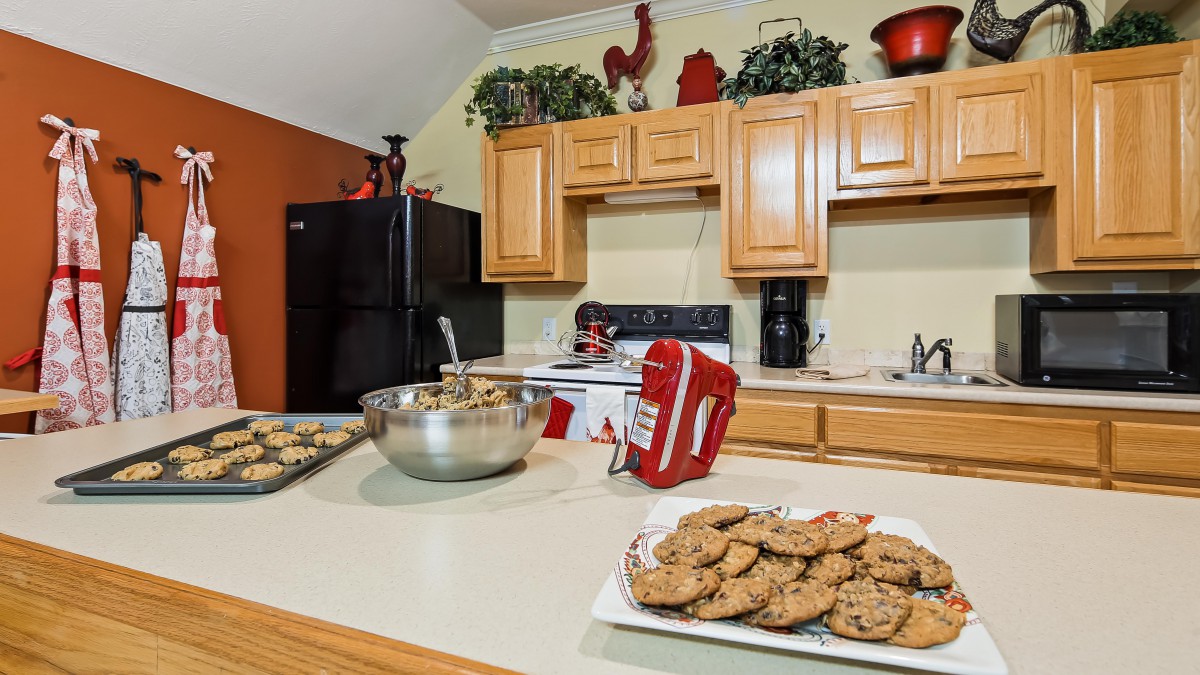
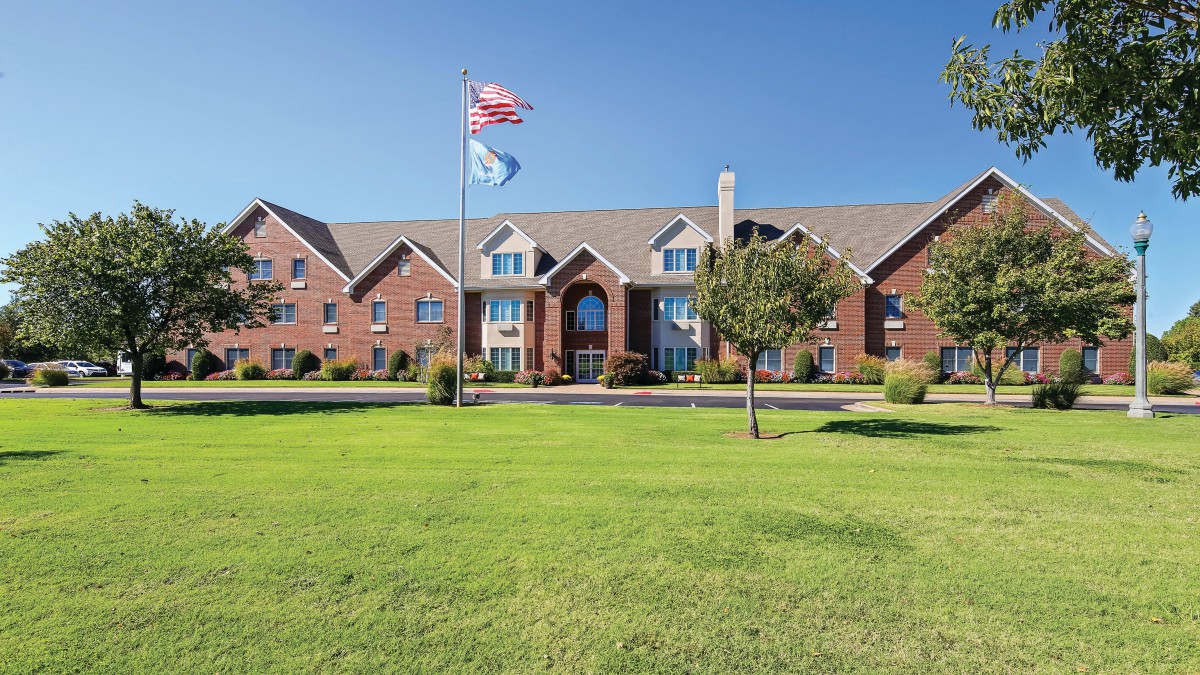
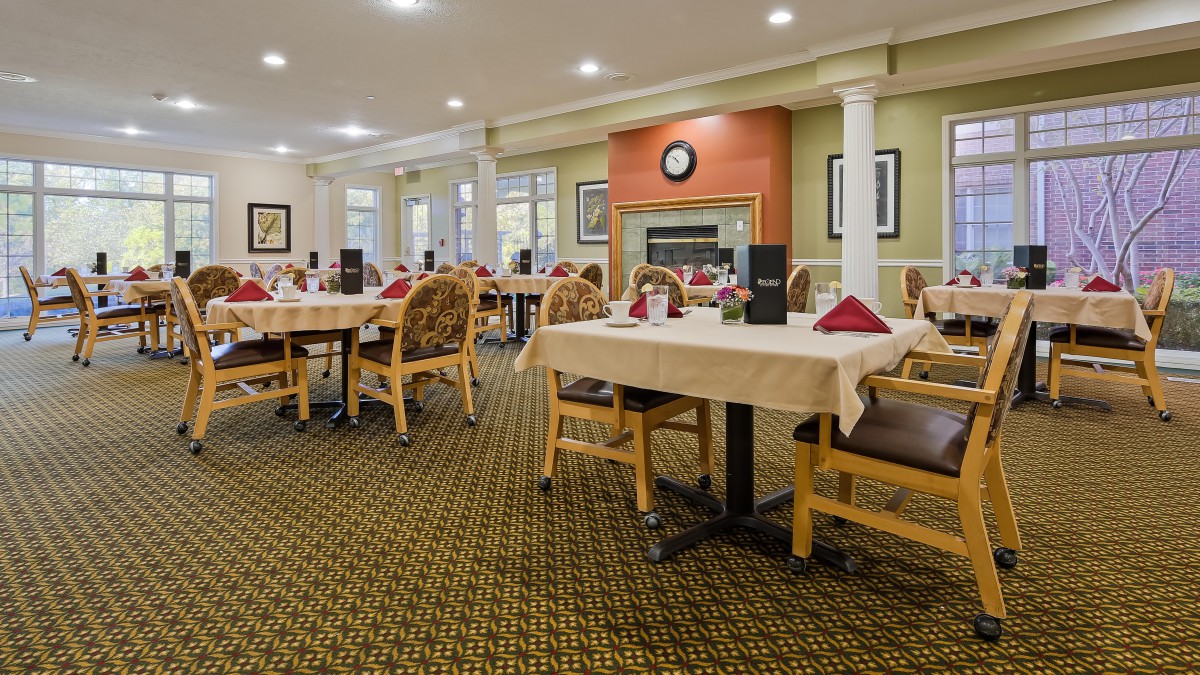
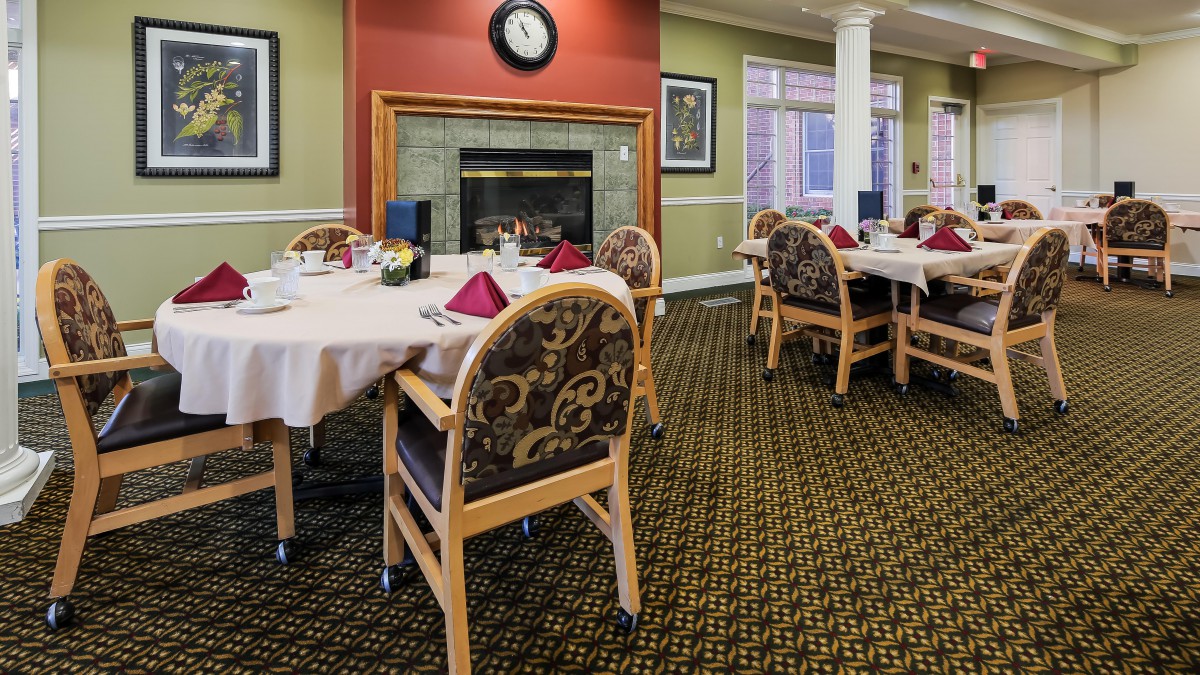
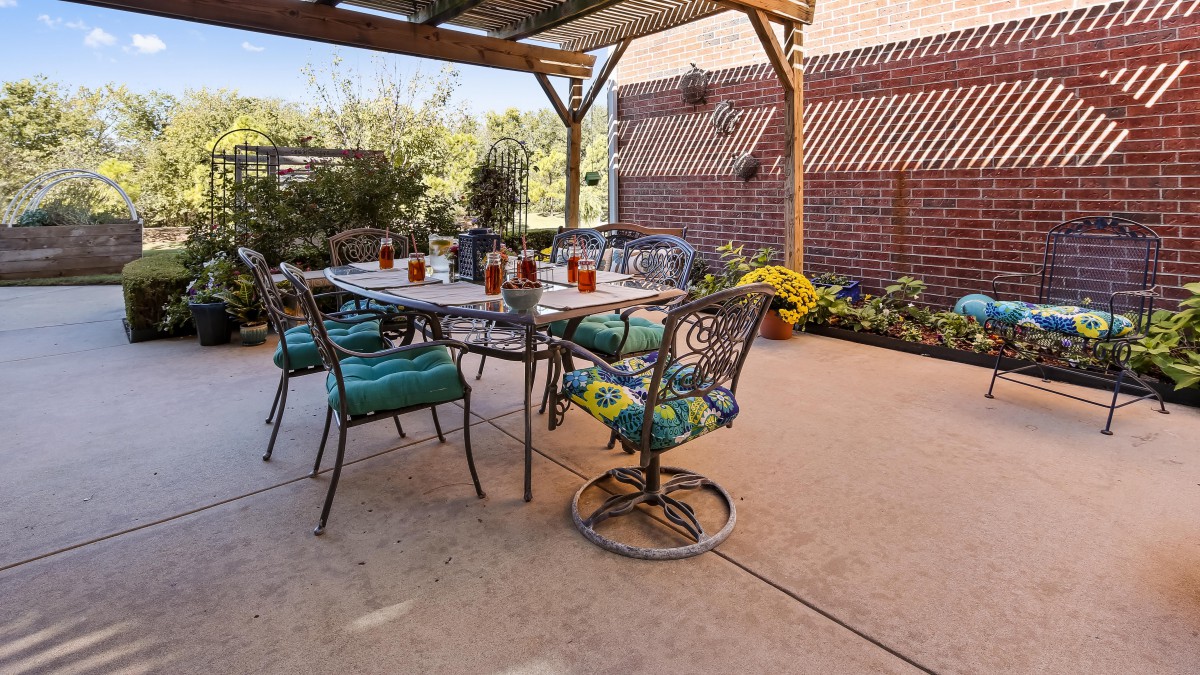
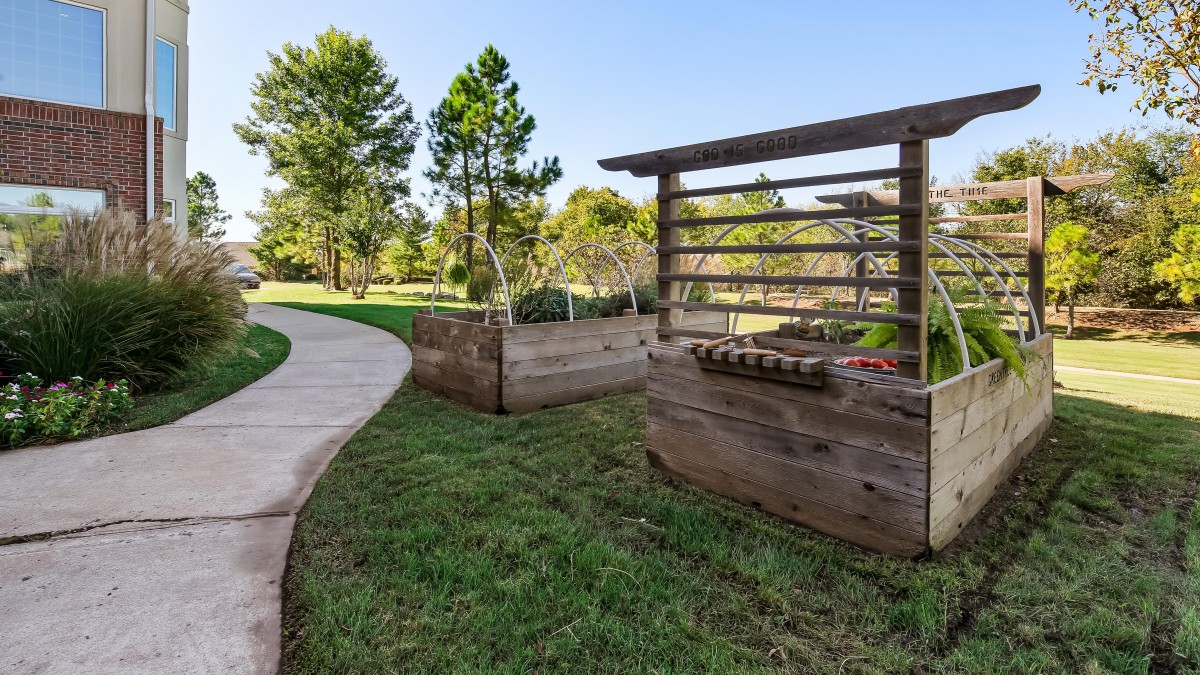
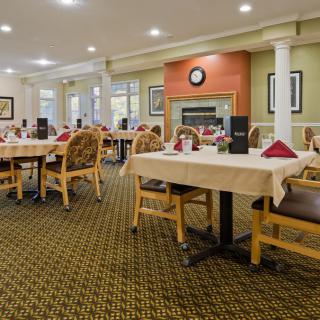
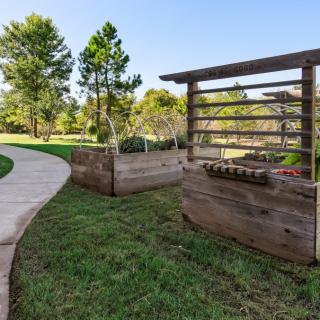
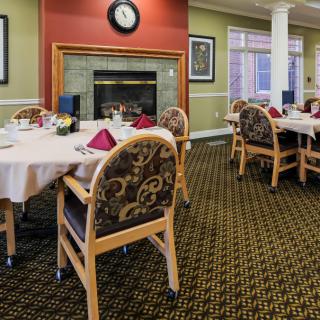
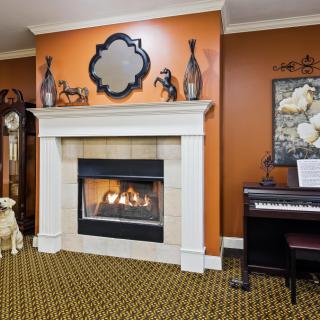
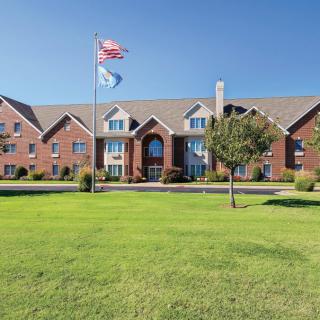
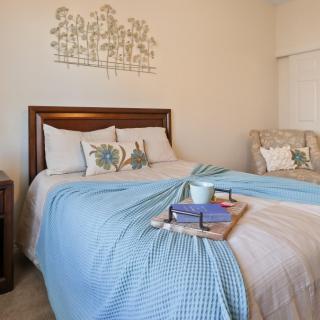
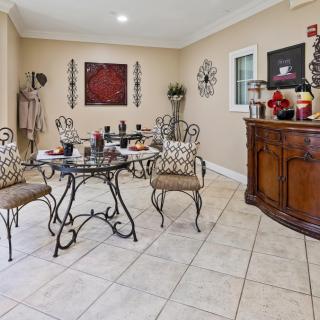
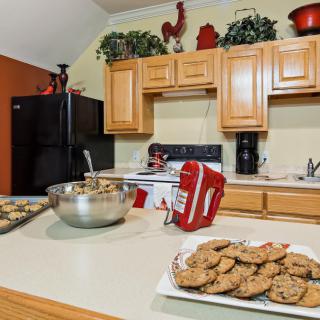
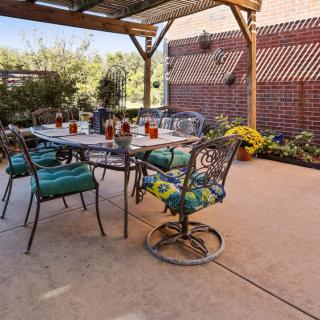
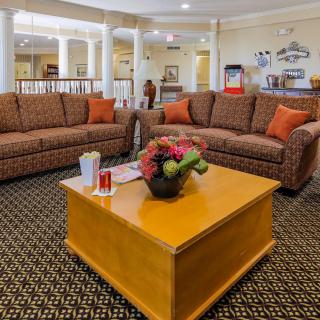
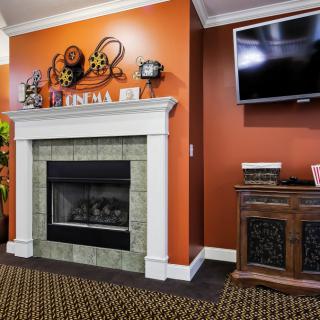
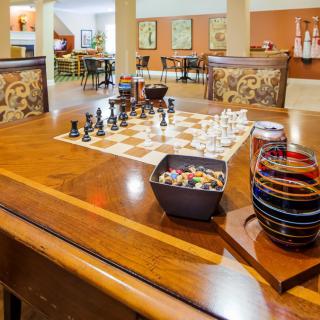
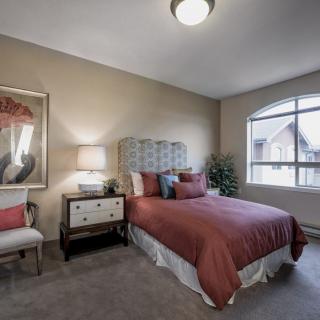
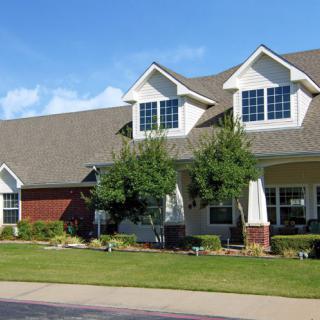
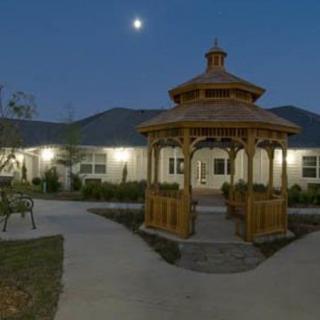
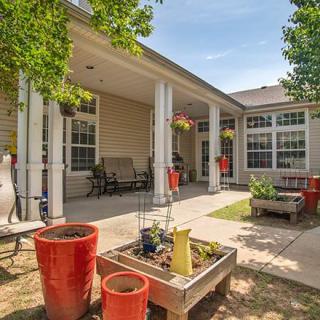
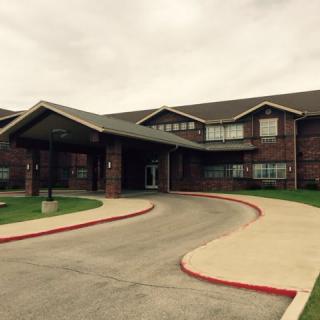
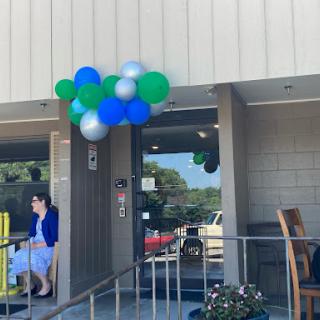
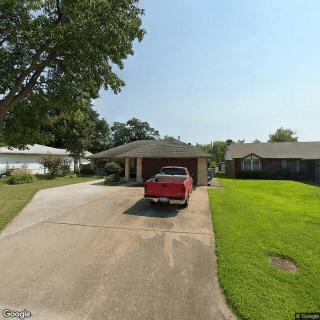
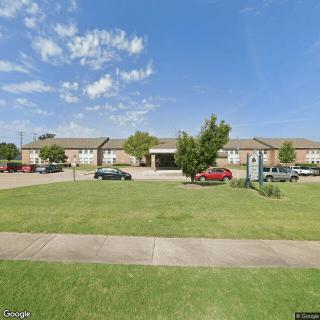
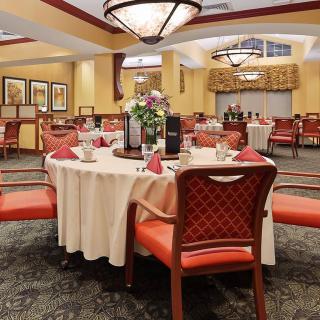
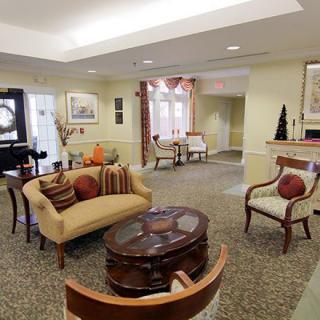
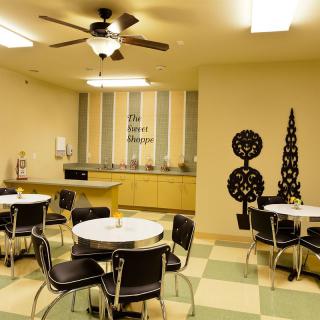
Green Tree Assisted Living & Memory Care on seniors.fyi includes 17 photos including images showing interior, decor, dining, living room, fireplace, game room, garden, bedroom, and more.
Nearby Communities
Green Tree
Sand Springs, OK
4.2 from 48 reviews
Home-like atmosphere with friendly, attentive staff and engaging daily activities.
River Ridge
Sand Springs, OK
3.8 from 22 reviews
Serene, nature-rich setting with nearby healthcare, dining, and transportation.
Sand Springs Nursing And Rehabilitation
Sand Springs, OK
Extensive amenities (salon, dining, fitness, activities) with 24/7 safety and transport.
Edgewood at the Gables
Tulsa, OK
3.7 from 57 reviews
$500 to $530 / month
Frankly Home
Tulsa, OK
1 from 1 review
$3,200 / month
Affordable private rooms with on-site activities and essential care services.
Country Oaks Retirement Ctr
Tulsa, OK
3.7 from 14 reviews
Convenient Tulsa location with easy access to dining, parks, healthcare, transportation, worship, and entertainment.
Legend at Tulsa Hills
Tulsa, OK
4.6 from 121 reviews
$4,680 to $7,245 / month
The Grove at Midtown Senior Living
Tulsa, OK
4.4 from 155 reviews
$2,415 to $5,775 / month
Caring, attentive staff in a clean, engaging memory-care setting.
The Villages at Southern Hills
Tulsa, OK
3.2 from 227 reviews
$3,085 to $4,011 / month
Clean, spacious rooms with friendly staff and engaging activities.
Reminiscence therapy helps individuals with dementia recall past memories through structured discussions and meaningful objects, enhancing mood, relationships, and sense of identity while celebrating their lives. It can be practiced in formal settings or at home, requiring sensitivity to personal histories and cultural backgrounds.
Reminiscence therapy is a structured method for older adults, especially those with dementia, to share life stories using prompts and sensory cues, fostering emotional well-being, social engagement, and self-identity. It aims to improve quality of life by enhancing interpersonal connections and cognitive stimulation while requiring careful facilitation to avoid distressing memories.
Dementia, particularly Lewy body dementia, often involves hallucinations that can significantly distress both patients and caregivers due to disruptions in sensory processing and neurotransmitter imbalances. Effective management includes compassionate communication, environmental adjustments, and a multidisciplinary approach to care while addressing the emotional needs of caregivers.
Get PricingAsk A QuestionSchedule A TourContact Senior Advisor
By clicking submit, you agree to our Partner's Terms of Use. You
also consent to receive calls and texts, which may be autodialed, from our Partner. Your consent is not a condition to
using our Partner's service. Please visit our Partner's Privacy Policy for information about their privacy practices.

 Assisted Living
 Memory Care
 Activities off-site
 Air-conditioning
 Bath tubs
 Beautician on-site
 Cable or satellite TV
 Devotional services off-site
 Ground floor units
 Handicap accessible
 Indoor common areas
 Kitchenette
 Outdoor common areas
 Respite or short term stays offered
 Wheelchair accessible showers
 Wi-Fi/high-speed internet available
 Tulsa International (15 miles away)
 Ambulatory care
 Diabetic care
 Incontinence care
 Medication management
 Gluten-free
 Art classes
 Cooking classes
 Day trips and outings
 Educational speakers / life long learning
 Happy hour
 Karaoke
 Live dance or theater performances
 Live musical performances
 Live well programs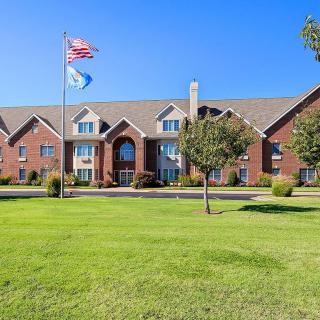
 Home-like atmosphere with friendly, attentive staff and engaging daily activities.

 Exploring the Power of Reminiscence Therapy for Individuals With Dementia
 An In-Depth Look at Reminiscence Therapy in Dementia Care
 Dementia-Related Hallucinations: Causes, Experiences, and Practical Approaches