1213 North West 122nd Street, Oklahoma City, OK 73120
For more information about senior living options: (866) 208-4318
3.5 from 38 reviews
5 stars
21
4 stars
2
3 stars
2
2 stars
0
1 stars
13
Overall Review of John H. Johnson Senior Apartments
common16 reviews mention this
Staff is caring and responsive
Residents and families often describe staff as caring and responsive.
Many reviews say staff members are friendly, professional, and willing to help, including during tours and move-in. Several residents or family members mention quick medication handling and feeling comfortable with the team. A smaller group of reviews, however, describe rude or unresponsive staff and poor follow-through, including unresolved concerns after reports.
common12 reviews mention this
Cleanliness stands out
Clean facilities and well-kept spaces show up in multiple reviews.
Several reviewers highlight that the building is very clean and sanitary, with a fresh, non-odor experience. Families also comment on cleanliness in common areas and residentsā€™ apartments, and one review praises the overall feel of the community. A few critical reviews disagree, citing issues like filthy dining or ongoing problems that they say never improved.
common7 reviews mention this
Dining quality is mixed
Food quality is a recurring point, with both praise and complaints.
Some residents and visitors describe the food as great, nutritious, and enjoyable, and one review notes a rotating menu with multiple options. Others complain that meals are lousy or inedible, and a separate review criticizes the dining room and the way meals are served. Reviews therefore point to inconsistent dining experiences depending on who you ask.
differentiator6 reviews mention this
Medication handling and medical follow-through
Medication and health oversight are described in both positive and negative ways.
Some reviewers say medications are prepared correctly and are always ready, and one family member praises specific nursing support. Other reviews describe missed or delayed medication, including concerns about blood pressure medicines and pain refills, and say the consequences were serious. Taken together, residents describe medication management as a key part of day-to-day experience, for better or worse.
caveat3 reviews mention this
Memory care eligibility confusion
Several reviewers report problems with eligibility or care-level fit.
A few reviews describe the admissions or assessment process as confusing, with families saying they were told the wrong care type or that a decision changed late in the process. One reviewer states the facility claimed to be memory care online but the person did not qualify based on the assessment outcome. Another review describes problems with hospice and returning to the facility after rehab, saying the family was not notified before the decision.
How we summarize
Counts show how many written reviews mention each theme; a review can touch several themes, and only frequently mentioned themes are displayed.
Features
Housing
51 resident community capacity
Types of Care
Assisted Living
Independent Living
Memory Care
Amenities
Air-conditioning
Beauty salon
Cable or satellite TV
Computer center
Dining room
Fitness room
Fully furnished
Gaming room
Garden
Housekeeping services
Kitchenette
Move-in coordination
Outdoor space
Private bathrooms
Restaurant-style dining
Small library
Telephone
Wellness center
Wi-Fi/high-speed internet available
Transportation
Will Rogers World (14 miles away)
Community operated transportation
Transportation arrangement
Transportation arrangement (non-medical)
Care Services
12-16 hour nursing
24-hour call system
24-hour supervision
Activities of daily living assistance
Assistance with bathing
Assistance with dressing
Assistance with transfers
Coordination with health care providers
Dementia waiver
Diabetes diet
Hospice waiver
Meal preparation and service
Medication management
Mental wellness program
Mild cognitive impairment
Special dietary restrictions
Specialized memory care programming
Transportation arrangement (medical)
Transportation to doctors appointments
Dining
Diabetes diet
Special dietary restrictions
Activities
Community-sponsored activities
Concierge services
Fitness programs
Planned day trips
Resident-run activities
Scheduled daily activities
Nearby Places of Interest
Restaurants
McDonald's (0.9 miles)
Uncle Julio's (0.9 miles)
Taco Bell (0.9 miles)
Braum's (1 miles)
Chick-Fil-A (1.5 miles)
Raising Cane's Chicken Fingers (1.6 miles)
Jersey Mike's (1.7 miles)
Pharmacies
Walgreens (1.9 miles)
Walgreens (2 miles)
CVS Pharmacy (2.2 miles)
Walgreens (2.2 miles)
CVS Pharmacy (2.3 miles)
Uptown Grocery Co (2.7 miles)
CVS Pharmacy (4.1 miles)
Physicians
Duhon, Lisa North May Va Clinic (2 miles)
Saints Dermatology Center of Excellence (2.1 miles)
The array of features at John H. Johnson Senior Apartments is designed to create a supportive environment for residents with memory care needs, facilitating their daily routines while promoting dignity and independence. Assistance with dressing, bathing, and transfers helps residents maintain personal hygiene and comfort, which are vital for self-esteem. Medication management ensures that medical regimens are followed accurately, thereby reducing the risk of health complications. Meal preparation and service cater to nutritional needs while considering dietary restrictions common in dementia patients, fostering both physical well-being and social interaction during mealtimes. Transportation arrangements for medical appointments ensure access to necessary healthcare services without added stress. The coordination with health care providers streamlines communication regarding each resident's health status, vital for effective memory care. Activities of daily living assistance is crucial in helping residents engage in meaningful tasks that reinforce their sense of purpose. With 24-hour supervision and specialized memory care programming available through a dementia waiver, residents receive the tailored support they need around the clock. Additionally, a mental wellness program specifically targets cognitive engagement and emotional health, addressing the complexities of mild cognitive impairment and enhancing overall quality of life.
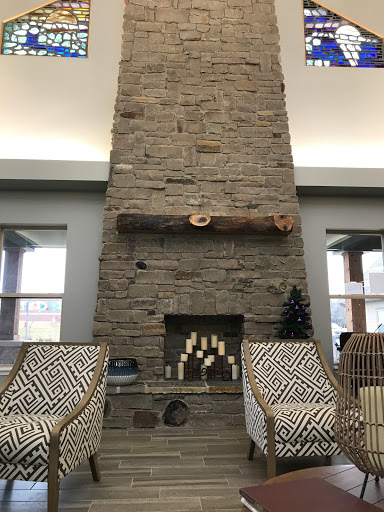
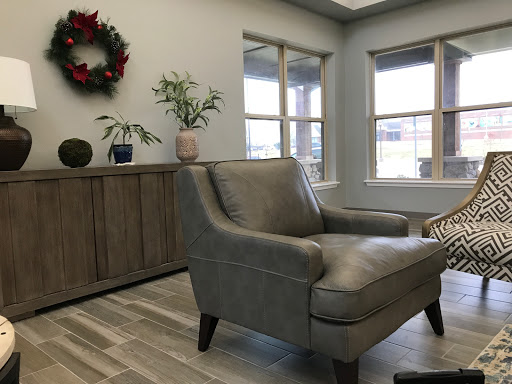
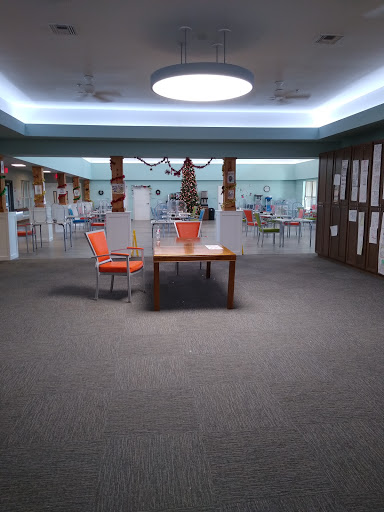
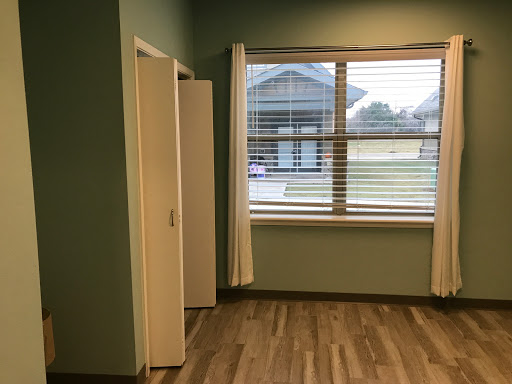
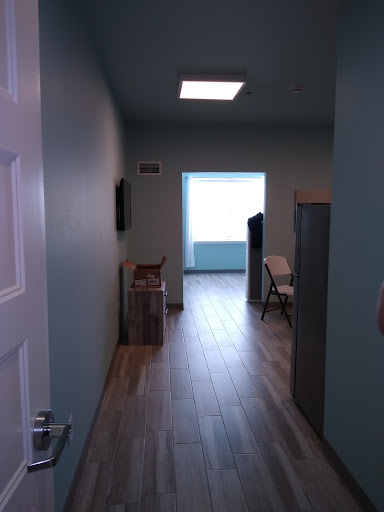
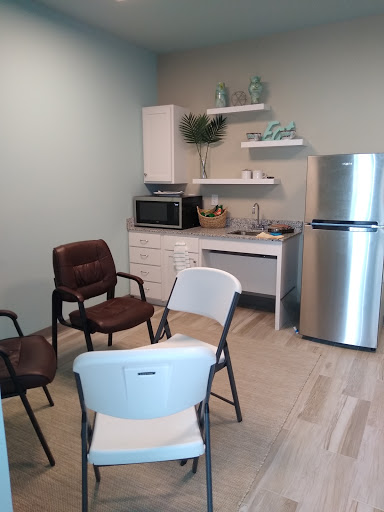
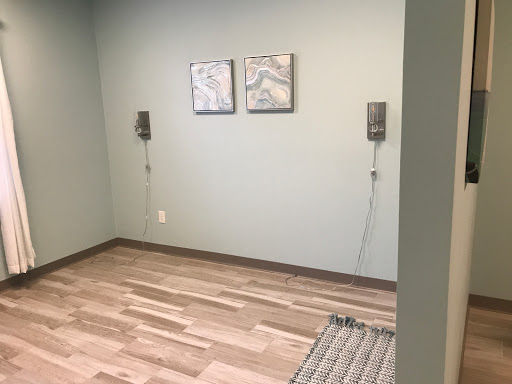
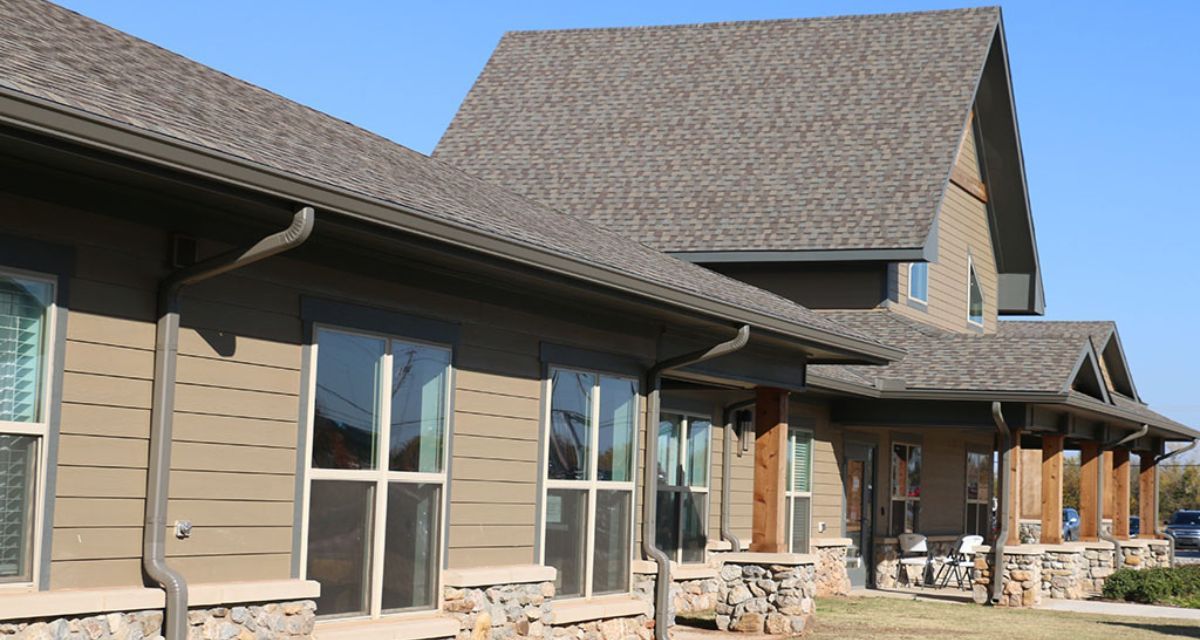
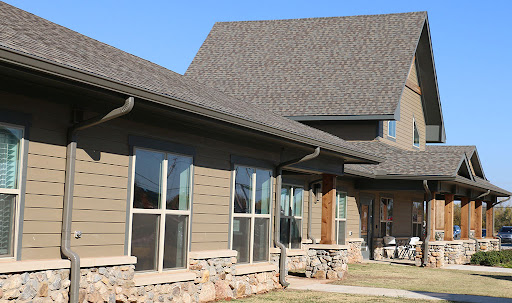
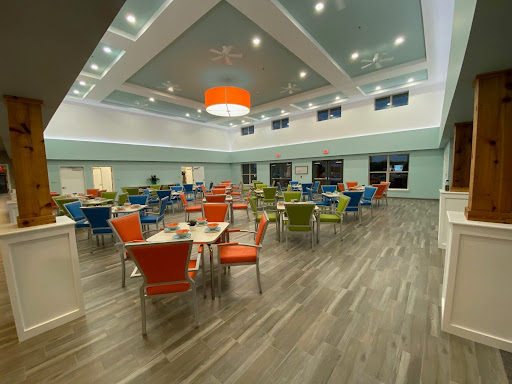
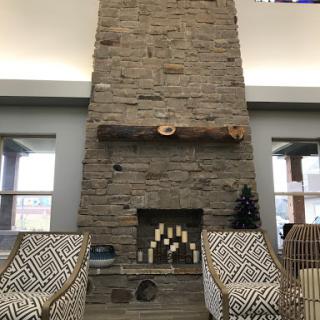
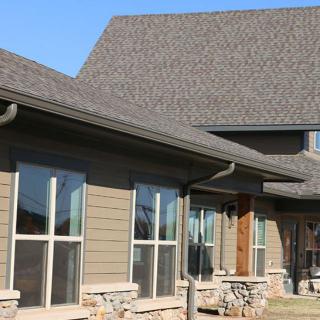
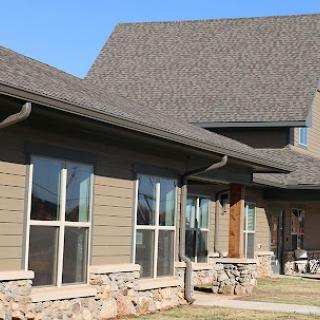
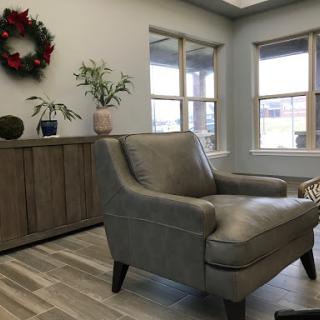
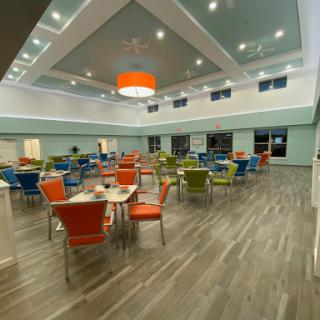
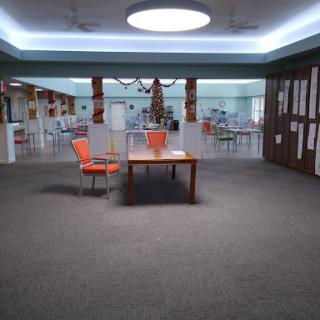
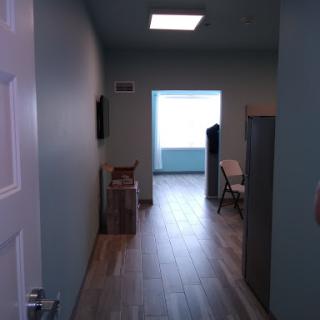
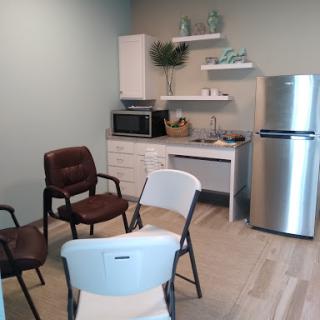
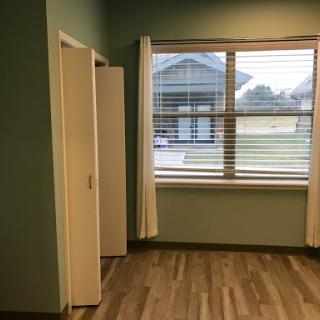
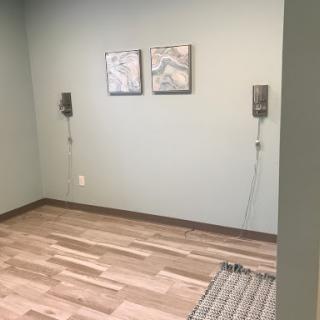
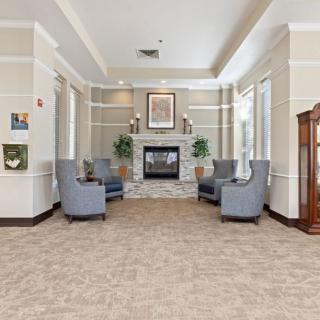
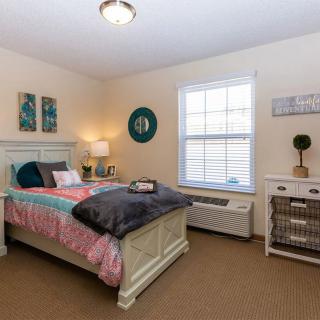
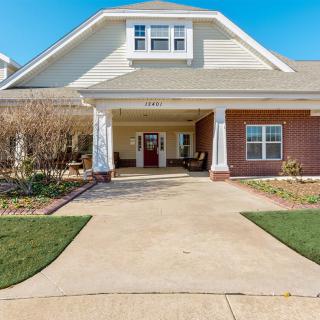
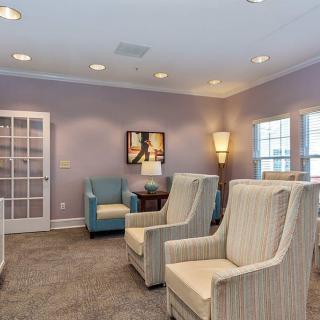
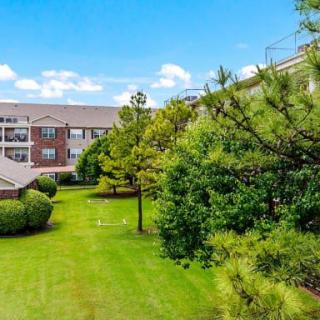
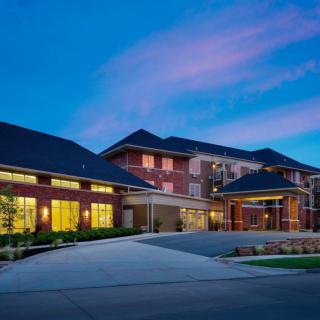
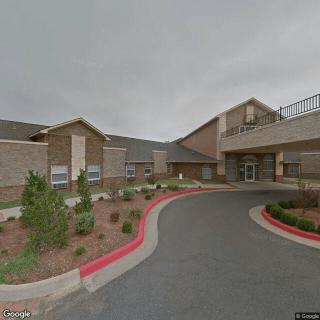
John H. Johnson Senior Apartments on seniors.fyi includes 12 photos including images showing interior, bedroom, windows, decor, lighting, minimalist, spacious, living room, and more.
Nearby Communities
The Fountains at Canterbury
Oklahoma City, OK
3.5 from 103 reviews
$2,495 to $3,275 / month
Clean, well-maintained community with compassionate staff and a strong memory care reputation.
The Fountains At Canterbury
Oklahoma City, OK
3.4 from 67 reviews
$3,500 to $5,000 / month
Clean, well-maintained campus with friendly staff and engaging activities.
Lionwood Senior Living
Oklahoma City, OK
4.7 from 100 reviews
$1,925 to $2,635 / month
Vibrant, engaging community with strong dining and attentive staff.
Dorset Place Assisted Living
Oklahoma City, OK
3.8 from 34 reviews
$2,340 to $3,769 / month
Knowledgeable, caring staff and a home-like atmosphere, with recent improvements.
Dorset Place - MC
Oklahoma City, OK
4.3 from 45 reviews
$4,220 to $6,140 / month
Responsive, friendly staff in a clean, home-like setting with good meals and engaging activities.
Dorset Place Memory Care
Oklahoma City, OK
4.5 from 33 reviews
Caring, attentive staff and engaging activities.
Elison of Statesman Club
Oklahoma City, OK
4.2 from 86 reviews
$2,555 to $3,535 / month
Clean environment with good dining quality, professional staff, and varied activities.
Quail Ridge Senior Living
Oklahoma City, OK
3.7 from 58 reviews
$3,000 to $5,600 / month
Clean, spacious apartments with friendly staff, robust dining options, and engaging activities.
Tuscany Village Nursing Center
Oklahoma City, OK
3 from 123 reviews
Some staff are friendly and responsive; meals can be adjusted and staff assist with benefits.
Reminiscence therapy helps individuals with dementia recall past memories through structured discussions and meaningful objects, enhancing mood, relationships, and sense of identity while celebrating their lives. It can be practiced in formal settings or at home, requiring sensitivity to personal histories and cultural backgrounds.
Reminiscence therapy is a structured method for older adults, especially those with dementia, to share life stories using prompts and sensory cues, fostering emotional well-being, social engagement, and self-identity. It aims to improve quality of life by enhancing interpersonal connections and cognitive stimulation while requiring careful facilitation to avoid distressing memories.
Dementia, particularly Lewy body dementia, often involves hallucinations that can significantly distress both patients and caregivers due to disruptions in sensory processing and neurotransmitter imbalances. Effective management includes compassionate communication, environmental adjustments, and a multidisciplinary approach to care while addressing the emotional needs of caregivers.
Get PricingAsk A QuestionSchedule A TourContact Senior Advisor
By clicking submit, you agree to our Partner's Terms of Use. You
also consent to receive calls and texts, which may be autodialed, from our Partner. Your consent is not a condition to
using our Partner's service. Please visit our Partner's Privacy Policy for information about their privacy practices.





 51 resident community capacity
 Assisted Living
 Independent Living
 Memory Care
 Air-conditioning
 Beauty salon
 Cable or satellite TV
 Computer center
 Dining room
 Fitness room
 Fully furnished
 Gaming room
 Garden
 Housekeeping services
 Kitchenette
 Move-in coordination
 Outdoor space
 Private bathrooms
 Restaurant-style dining
 Small library
 Telephone
 Wellness center
 Wi-Fi/high-speed internet available
 Will Rogers World (14 miles away)
 Community operated transportation
 12-16 hour nursing
 24-hour call system
 Activities of daily living assistance
 Assistance with bathing
 Assistance with dressing
 Assistance with transfers
 Diabetes diet
 Hospice waiver
 Medication management
 Mental wellness program
 Special dietary restrictions
 Transportation arrangement (medical)
 Concierge services
 Planned day trips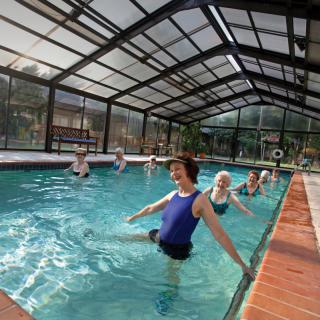
 Clean, well-maintained community with compassionate staff and a strong memory care reputation.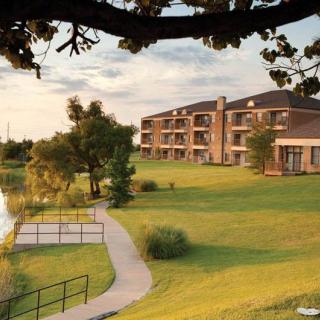
 Exploring the Power of Reminiscence Therapy for Individuals With Dementia
 An In-Depth Look at Reminiscence Therapy in Dementia Care
 Dementia-Related Hallucinations: Causes, Experiences, and Practical Approaches