

4825 Northwest 23rd Street, Oklahoma City, OK 73127
To contact a resident: (405) 945-0010
For more information about senior living options: (866) 208-4318
Fidelis One Assisted Living & Memory Care Costs & Pricing
Fidelis One Assisted Living & Memory Care offers competitive pricing for its services, especially when compared to both Oklahoma County and the wider state of Oklahoma. For example, a studio at Fidelis One is priced at $1,650 per month, significantly lower than the county average of $3,717 and the state average of $3,629. Similarly, their one-bedroom units are offered at $1,850, which again presents a more affordable option compared to the local average of $3,467 and the state's average of $3,565. These cost advantages not only highlight Fidelis One's commitment to providing accessible assisted living but also underline its potential appeal for families seeking quality care without the hefty price tag typically associated with such services in the region.
| Floor plans | Fidelis One Assisted Living & Memory Care | Oklahoma County | Oklahoma |
|---|---|---|---|
| Studio | $1,650 | $3,717 | $3,629 |
| 1 Bedroom | $1,850 | $3,467 | $3,565 |
Memory care communities with a similar price nearby
-
from +$100 / mo

Tealridge Retirement Community
$1,750 to $2,575 / month11.1 miles away -
from +$275 / mo
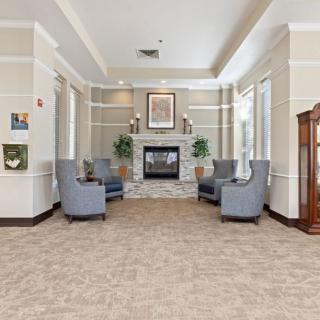
Lionwood Senior Living
$1,925 to $2,635 / month7.9 miles away -
from +$50 / mo

Epworth Villa a CCRC
$1,700 to $2,700 / month9.4 miles away
Overall Review of Fidelis One Assisted Living & Memory Care
Pros
 The staff is friendly and genuinely cares about the people they serve.
- The food is good, with home-cooked meals at every meal.
- The cost of living is a good value for the services provided.
- There are two different types of rooms available, with comfortable accommodations.
- Fidelis is a nice, affordable community in the heart of Oklahoma City.
Review
Fidelis One Assisted Living & Memory Care in Oklahoma City is best suited for families seeking an affordable, intimate environment with genuinely engaged staff and a resident mix that leans younger, including many veterans connected to the VA. This community works well for seniors who want day-to-day warmth and personal attention rather than a large, corporate campus feel. The heart of the offering is practical value: home-style meals, straightforward accommodations, and a setting that feels present and personal rather than distant. Its central Oklahoma City location adds the practical upside of easy visits, access to services, and neighborhood conveniences that matter to families.
Those weighing alternatives should note a few clear considerations. For residents with more intensive memory-care needs or those requiring robust, hospital-level oversight, a facility with a broader array of specialized services or a more traditional, older-adult atmosphere might be preferable. Families seeking a higher-end sense of campus life, a wider range of amenities, or a more established, larger community could find Fidelis’s smaller, pay-for-value model less aligned with those expectations. Additionally, since the community’s resident profile skews younger and VA-connected, those who prioritize a more conventional senior-population experience may want to compare with options that attract an older, more homogeneous peer group.
The strongest positives don’t just exist in isolation; they compound practical advantages. The staff’s approachable, genuinely caring demeanor translates into consistent daily reassurance for residents and their families, creating trust that is hard to quantify but essential in daily care decisions. A younger cohort, including many veterans, can cultivate a purposeful, engaged atmosphere where social life centers around meaningful connection and peer support, rather than a strictly traditional senior dynamic. Meals that are home-cooked and reliably palatable reinforce a comforting, home-like routine that eases transitions for residents and reduces the friction often associated with moving into care. Coupled with a solid value proposition and two room formats that accommodate different budgets and space needs, Fidelis offers a defensible balance between quality and affordability.
From a decision-making standpoint, there are concrete questions to guide visits and conversations. Confirm the continuum of care in practice: how well the memory-care component is integrated with assisted living, what specialized staff training exists, and how care plans get updated as needs shift. Probe affordability specifics, what exactly is included in the stated value, how fees may change over time, and whether there are predictable, capped increases. Ask about the VA connections and what benefits or respite options can be leveraged for eligible veterans and their families. Finally, assess the everyday rhythm: frequency and variety of activities, transportation options, and the degree to which the environment feels supportive rather than clinical.
One should neither overstate nor overlook the limited public footprint of resident experiences at Fidelis One, given only a single review to date. The rating sits solidly at four stars, signaling a favorable trajectory, but the lack of broader feedback suggests a prudent approach: visit, ask for recent resident and family references, and observe the pace and tone of interactions across shifts. The potential mismatch between a younger, VA-heavy population and someone seeking a more traditional, late-life community should be weighed carefully. Yet when those factors align, affordability, staff warmth, home-style meals, and central city convenience, Fidelis One makes a persuasive case.
In sum, Fidelis One stands out as a practical, candidate-friendly option for families prioritizing value, attentiveness, and a welcoming atmosphere in the heart of Oklahoma City. It is especially compelling for veterans and younger seniors who want a life-affirming community without the premium price tag. If care needs are straightforward, and the aim is steady, personal care delivered with sincerity, Fidelis One delivers. For those whose priorities include extensive memory-care specialization, upscale amenities, or a more traditional senior-population vibe, it is wise to explore alternatives that meet those specifics more directly. The bottom line: Fidelis One is a strong, pragmatic choice for a carefully matched subset of seniors and their families, with clear upside when its strengths align with the resident’s needs.
 Assisted Living
 Memory Care
 Activities off-site
 Beautician on-site
 Devotional services off-site
 Indoor common areas
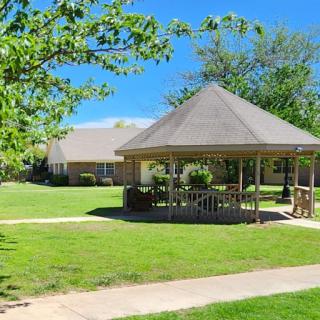
 Outdoor common areas
 Respite or short term stays offered
 Will Rogers World (7 miles away)
 Ambulatory care
 Diabetic care
 Incontinence care
 Medication management
 Meals provided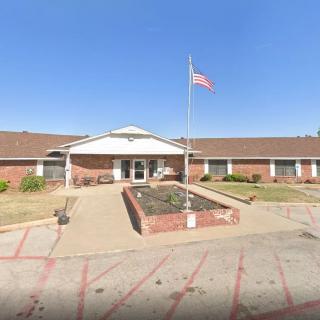



 When to Transition from Assisted Living to Memory Care: Key Indicators, Steps, and Finding the Right Community
 Understanding the Distinctions: Assisted Living and Memory Care Explained
 How to Communicate with a Loved One Living with Dementia: 10 Supportive Strategies