

4025 Apple Valley Dr, Oklahoma City, OK 73120
To contact a resident: (405) 607-2788
For more information about senior living options: (866) 208-4318
Compassionate Care Cottages Costs & Pricing
Compassionate Care Cottages offers a supportive living environment with monthly rates that reflect the quality of care provided. For a semi-private room, the cost is $5,000, which is notably higher than the average rate in Oklahoma County at $4,278 and the state average of $4,053. In contrast, their private rooms are priced at $5,200, slightly below the county's average of $5,637 but above the state average of $4,618. These figures highlight Compassionate Care Cottages' commitment to maintaining an elevated standard of care and comfort while remaining competitive within the broader market surrounding them.
| Floor plans | Compassionate Care Cottages | Oklahoma County | Oklahoma |
|---|---|---|---|
| Semi-Private | $5,000 | $4,278 | $4,053 |
| Private | $5,200 | $5,637 | $4,618 |
Senior living communities with a similar price nearby
-
from +$395 / mo

Legend at Rivendell Memory Care
$5,395 to $6,295 / month18.9 miles away -
from -$840 / mo
Legend At Jefferson's Garden
$4,160 / month2.7 miles away -
from -$230 / mo

Legend at Council Road
$4,770 to $6,705 / month3.7 miles away -
from -$855 / mo
Homestead of Bethany
$4,145 to $4,630 / month7.4 miles away -
from -$850 / mo

StoneCreek of Edmond
$4,150 to $6,080 / month4.6 miles away
Overall Review of Compassionate Care Cottages
Pros
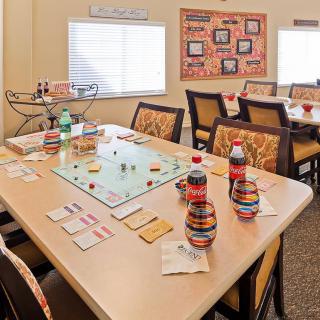
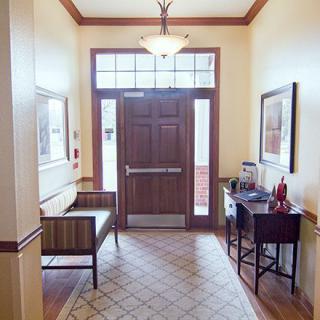
 Eden Care Homes is warm and inviting from the moment one steps inside.
- The caregivers treat Mom as if she were family.
- The yard and patio are beautiful, offering a pleasant outdoor space.
- Home-cooked meals are delicious and comforting.
- Activities and physical therapy keep Mom engaged, connected, and happier.
- Mom has a lovely bedroom retreat filled with her own furniture and cherished items.
- Families and friends are always welcome to visit Eden.
- Families can take guilt-free vacations knowing their loved one is being loved and well cared for.
Review
Compassionate Care Cottages in Oklahoma City is best for seniors who prize a small, home-like setting where care feels personal and social connections come naturally. This community appeals to families seeking living arrangements that resemble a cherished home: caregivers who treat residents as extended family, intimate common spaces, and a daily rhythm built on warmth and familiarity. Residents can settle into private bedrooms furnished with personal belongings, easing the transition and supporting independence. For those needing intensive medical supervision, highly specialized memory-care programming, or the scale of a large campus, alternatives with more clinical oversight may be a better match.
Key positives emerge from the firsthand feedback: a genuinely warm, inviting atmosphere and staff who treat residents like family. The yard and patio invite fresh air and outdoor time; meals are home-cooked and comforting; a steady stream of activities and physical therapy keeps residents active and engaged. Daily interactions with peers help conversation and mood stay lively, while the private bedroom space offers retreat and personalization. The open policy toward family visits creates a sense of community for both residents and relatives, supporting guilt-free stays for loved ones.
Notable drawbacks are not spelled out in detail in the review, but prudent families should consider typical trade-offs. A cottage-scale operation may offer fewer on-site medical resources than a larger campus, so clear plans for medical needs and emergencies are essential. Residents with advanced dementia, complex wound care, or continuous monitoring requirements may need a setting designed specifically for those conditions. Availability and variety of therapies beyond basic offerings, and the consistency of organized activities, are other factors to verify.
Despite these considerations, the strength of human connection and home-like routines largely offsets potential downsides for families prioritizing comfort and belonging. The intimate setting reduces isolation, caregiver relationships foster trust and responsiveness, and generous guest access makes family involvement easy, strengthening continuity of care. For residents who thrive on routine and meaningful conversation, the advantages tend to outweigh the limits of smaller-scale programming, provided medical care is coordinated with external providers as needed.
Families should conduct focused due diligence before committing. Confirm licensing and inspection history; ask about staffing ratios and training; clarify what on-site medical assistance is available, including medication management and emergency protocols. Inquire about the cadence of activities, transportation options, and how programming can be tailored to personal interests. Review dining standards and dietary accommodations, policies on guest access, and the practice for personalizing living spaces. Finally, discuss respite options and the plan if care needs evolve.
Bottom line: this community is a compelling option for seniors who want a loving, safe, home-like environment with engaged caregivers and steady social life. Families seeking warmth, belonging, and everyday companionship will find it hard to beat. Those whose priority is intensive medical oversight, dementia-specific programming, or the amenities of a larger campus should carefully compare alternatives. A thorough visit, observing staff interactions, testing fit with routines, and confirming ease of family involvement, will reveal whether Compassionate Care Cottages is the right home for a given loved one.
 Board and Care Home
 Activities off-site
 Beautician on-site
 Indoor common areas
 Outdoor common areas
 Private
 Respite or short term stays offered
 Wheelchair accessible showers
 Will Rogers World (15 miles away)
 Ambulatory care
 Diabetic care
 Incontinence care
 Medication management
 Meals provided







 Understanding the Nuances of Palliative Care and Hospice: A Comprehensive Exploration
 Fecal Incontinence in Older Adults: A Comprehensive Guide
 Nurturing Well-Being Through Gardening: A Detailed Guide for Senior Enthusiasts