
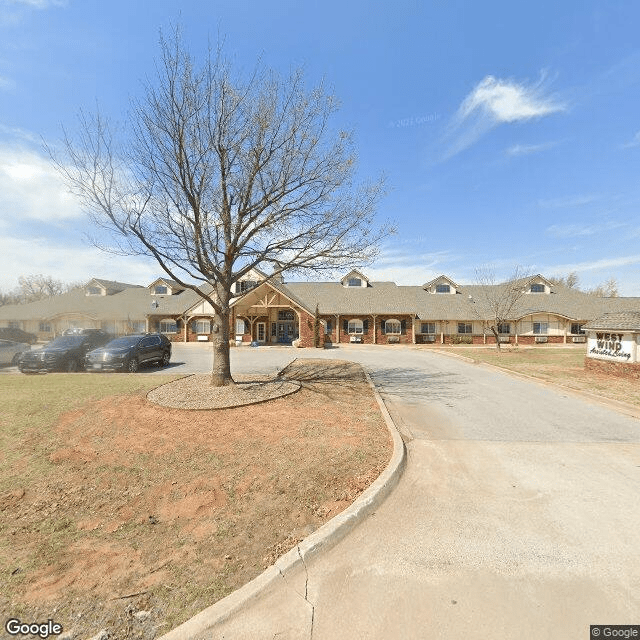
111 North 9th Street, Marlow, OK 73055
To contact a resident: (580) 658-1200
For more information about senior living options: (866) 208-4318
Overall Review of West Wind Assisted Living
Pros
 The staff are amazing and genuinely care for the residents.
- The facility is loved by residents and their families for its warm, home-like atmosphere.
- A resident’s mom is happy with her apartment, with daily trash pickup, weekly laundry, and meals she looks forward to.
- The studio apartments are large, airy, and clean, with 1- and 2-bedroom options available.
- There are many activities for residents and a van service for doctor appointments.
- Dining is restaurant-style with a flexible menu that residents and families enjoy.
- The staff treat residents like family and take pride in their work.
- The administration is accessible and engaged with families.
Cons
 The staff is poorly managed and underpaid.
- The facility allegedly forced an elderly man to stay at home via power of attorney, despite his impairments.
- The facility deleted its Facebook page and hid behind its money after the incident, showing a lack of accountability.
- They reportedly stated that it did not matter if someone was killed or hurt, as it was not their problem.
- There was no hot water last week.
- The food was horrible this week, and trash hadn't been emptied all week.
Review
West Wind Assisted Living in Marlow, Oklahoma, is best suited for seniors who prize a warm, family-style atmosphere, easy on-site neighborhoods, and a steady calendar of social and cultural activities. The community shines when daily life centers on cordial, attentive staff, comfortable living spaces, and restaurant-style meals delivered with routine housekeeping and dependable laundry service. It is a good fit for couples or small households seeking to stay socially engaged and independent with supportive services, provided a lively, home-like environment is the priority over clinical intensity.
Those with high medical needs or requiring intensive nursing oversight may want alternatives. The reviews reveal a swing in consistency and leadership, with some staff described as underpaid and needing persistent prompting, while others praise accessible management and a hands-on administrator. That kind variance matters when daily reliability governs safety, timely care, and predictable routines. Families who demand flawless maintenance, consistently high food standards, and rigorous safety protocols should compare other communities or larger operators with more standardized processes. For residents living with dementia or memory challenges, the level of supervision may be a decisive factor, and a more specialized setting could be a better match.
On the positive side, the strongest asset is the staff culture. Several residents and family members describe the team as genuinely caring, responsive, and invested in residents’ happiness. The apartments are repeatedly noted as spacious, airy, and easy to furnish, with practical housekeeping and laundry programs that remove common daily burdens. Dining is portrayed as flavorful and flexible, with a restaurant-style menu and meal-time options, plus transportation to appointments. The locally owned nature of the operation, the accessible presence of management, and the involvement of the nursing director contribute to a sense that family concerns can be heard and addressed, which is a meaningful trust signal for ongoing care.
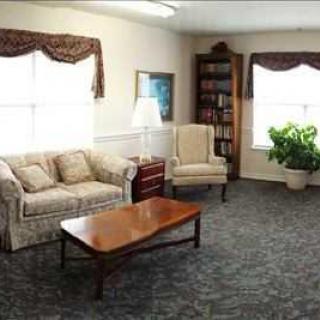
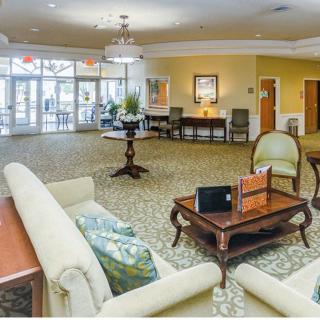
Residents also highlight a robust social engine: active programming, outings to plays and dinners, and welcoming common areas where visitors feel comfortable. The variety of layouts, large studios, one-bedroom, and two-bedroom options, gives families practical choices without sacrificing space. Several families report a home-like atmosphere that feels more like a neighborhood than a facility, enhancing emotional well-being and daily satisfaction. The willingness of staff to accommodate individual preferences and coordinate with administrators on care details helps round out a positive operating picture, particularly in a small-town context where personal connections matter.
Yet the negatives cannot be dismissed. An alarming anecdote describes a safety lapse around a cognitively impaired resident who was allowed access to a vehicle and drove away, raising serious questions about risk assessment and oversight. Other reviewers flag ongoing maintenance and service gaps, no hot water for a period, inconsistent food quality, trash not emptied, and doubts about shower scheduling, issues that erode reliability and trust. The recurrent comments about management and pay, with frontline staff needing to stay on top of routines, reinforce the impression that care remains good in moments but lacks unwavering systemwide consistency. These tensions point to a facility that can deliver warmth and engagement, but not with absolute predictability.
Decision-makers should approach with a practical, truth-testing mindset. Visit with current residents and families to verify what is happening today, review state inspection summaries, and ask for concrete responses on maintenance and food-service timelines. Probe how care plans are coordinated with the nursing director, how frequently administrators are on site, and how safety concerns are escalated and resolved in real time. West Wind is a strong pick for those who prize a warm, family-like environment, a lively social life, and transparent, accessible leadership. For families prioritizing perfect operational consistency or requiring high-level clinical oversight, it pays to compare alternatives with broader resources or tighter, more uniform quality controls to avoid unforeseen gaps in daily life.
 Assisted Living
 Independent Living
 Activities on-site
 Devotional services off-site
 Indoor common areas
 Ambulatory care
 Diabetic care
 Meals provided


 Assisted Living and Memory Care: Understanding Their Core Differences
 Beyond the Bingo Hall: 50+ Enriching Activities for Seniors in Assisted Living
 Understanding the Distinctions: Assisted Living and Memory Care Explained