
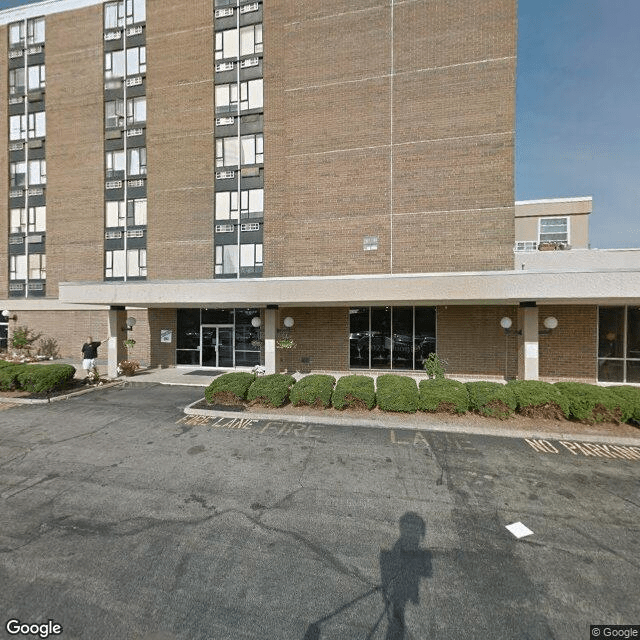
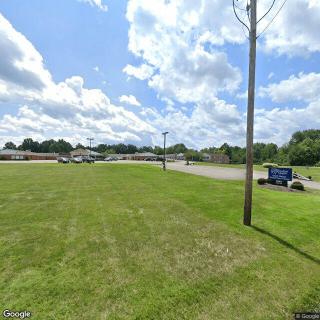
850 N Meridian Road, Youngstown, OH 44509
To contact a resident: (330) 792-1913
For more information about senior living options: (866) 208-4318
Austintown Studio Apartments Costs & Pricing
Austintown Studio Apartments offer a competitive rental rate of $618 per month for both studio and one-bedroom units, positioning themselves favorably within the broader context of Mahoning County and Ohio. In contrast, the average monthly rent in Mahoning County reaches approximately $3,570 for studios and $3,657 for one-bedroom apartments. When looking at statewide figures, Ohio's average rates are slightly higher at $3,727 for studios and $3,712 for one-bedrooms. This indicates that Austintown Studio Apartments provide an attractive option for renters seeking affordability while remaining within a thriving community.
| Floor plans | Austintown Studio Apartments | Mahoning County | Ohio |
|---|---|---|---|
| Studio | $618 | $3,570 | $3,727 |
| 1 Bedroom | $618 | $3,657 | $3,712 |
Senior living communities with a similar price nearby
-
from +$82 / mo
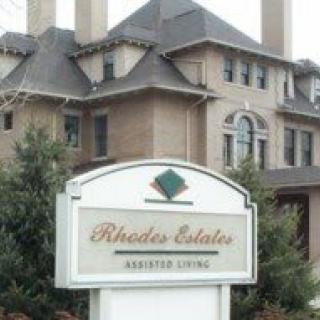
Rhodes Estates
$700 to $2,400 / month21.0 miles away -
from +$82 / mo
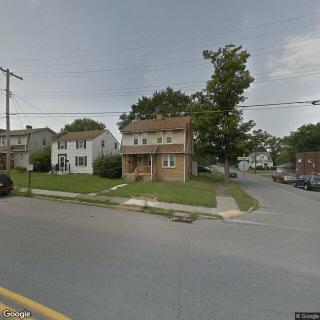
Ashby Personal Care Home
$700 to $1,100 / month13.4 miles away
Overall Review of Austintown Studio Apartments
Pros
 They like it here and have lots of friends.
- The staff are nice.
- The rent is cheap.
- The place offers excellent food and service.
Cons
 The lobby had a very strong pet urine smell.
- The landlord pressured the couple to rent an extra unit and asked them to pay for both because the girlfriend was unemployed.
- The landlord made the girlfriend feel very uncomfortable.
- During a showing of a unit being fixed up, there was a strong unpleasant odor, with light switches and outlets painted over, exposed wires, and mold on the walls.
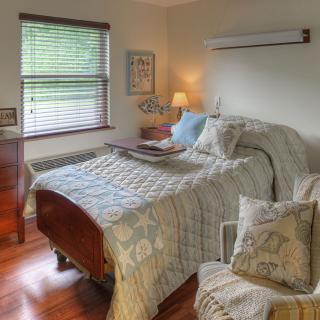
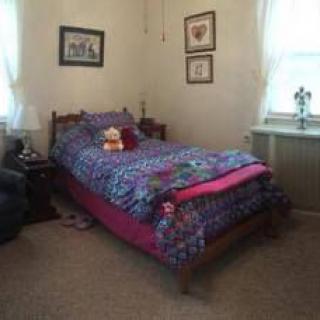
- The units were claustrophobically small.
- The property was described as a zoo, asylum, and adult daycare, with rude and vindictive management.
- The building is uninhabitable, with bedbug/gnat problems, unprofessional and uncaring management, and unsafe and unsanitary conditions.
Review
This community is best suited for budget-focused seniors who already have a built-in social circle in the building and can tolerate the realities of a compact, studio-style living environment. A notable minority of residents report enjoying the social life, friends nearby, and the autonomy that comes with renting a small, self-contained space. That said, the upside relies heavily on tolerating persistently tight quarters, inconsistent maintenance signals, and environmental quirks that can alter daily comfort. For someone who prioritizes cost above all else and can endure a less-polished living experience, this site can be workable; for everyone else, the risks loom larger than the savings.
Those who should seriously consider alternatives are caretakers and seniors who require predictably clean spaces, pest-free living, and professional, respectful management. Multiple reviews flag deep issues with pests (bed bugs and gnats), odors in the lobby and units, and maintenance that feels reactive rather than proactive. The characterization of management as rude or vindictive by long-term residents is a red flag for reliability and accountability. Prospective residents with mobility constraints, sensitivity to odors, or a strong priority on consistent upkeep will likely encounter ongoing friction that choices with stronger management and pest control histories avoid.
On the upside, a few practical advantages recur in the mix. Rent is described as cheap, which matters in a market where senior housing can be prohibitively expensive. Some residents report having real social connections and the comfort of “owning their place” while still staying close to neighbors. There is also intermittent praise for service quality in dining settings and some staff interactions, which can contribute to daily livability when other conditions are stable. These positives illustrate that the environment isn’t universally unbearable; rather, it’s inconsistent, with social assets layered atop a foundation that often fails to meet basic cleanliness and safety expectations.
The main cons, however, consistently overwhelm the potential gains. A long list of concrete failings appears across multiple reviews: bed bugs and pervasive insects, foul odors in common areas and living spaces, mold in walls and ceilings, and even exposed wiring that raises safety concerns. Unit sizes are described as claustrophobic, with reports of windows that don’t open limiting natural ventilation and light. The parking lot has been criticized for damage to vehicles, and laundry costs are cited as another ongoing friction point. These are structural problems that affect daily life, not merely cosmetic annoyances, and they undermine the ability to feel secure and comfortable over time.
For families evaluating options, a disciplined due-diligence process is essential. Tours should extend beyond surface impressions to inspect actual units for odors, mold, and ventilation, and to confirm the condition of electrical work and visible infrastructure. Request recent pest-control treatment records and remediation plans, not just promises, and ask current residents about response times to maintenance requests. Clarify lease terms, what is included in the rent, and any policies around parking, laundry, and service charges. If possible, speak with multiple residents about day-to-day experiences and obtain written assurances on pest control and safety commitments before signing anything.
In the end, this Austintown site should not be the first recommendation for a family seeking predictability, safety, and comfort in senior living. It may serve as a last-resort option for those with severe budget constraints who can actively manage risk and pursue aggressive due-diligence, but the pattern of pest problems, maintenance gaps, and management concerns strongly suggests looking elsewhere first. Better alternatives exist that offer cleaner environments, more reliable upkeep, and a management culture oriented toward resident well-being, even if they come at a higher monthly cost. If the decision is made to pursue this option, proceed with meticulous inspections, documented remediation promises, and a clear plan for ongoing pest control and maintenance accountability.
 Active Adult Communities (55+)
 Cats allowed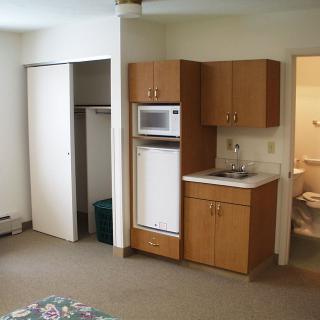


 Comprehensive Exploration of Living Wills and Other Advance Directives
 A Detailed Exploration of Living Wills and Advance Directives
 Comprehensive Guide to Medicare Coverage for Hospice Care