
175 North 8th Street Unit 6, Williamsburg, OH 45176
To contact a resident: (513) 724-0411
For more information about senior living options: (866) 208-4318
Harmony Senior Village Costs & Pricing
Harmony Senior Village offers an attractive pricing structure for its residents, particularly when compared to the broader market in Clermont County and the state of Ohio. For a two-bedroom unit, the cost at Harmony Senior Village is a remarkably affordable $636 per month. In contrast, similar accommodations in Clermont County average around $2,032, while statewide averages soar to approximately $3,501. This significant difference not only highlights Harmony Senior Village's commitment to providing accessible housing options but also makes it an appealing choice for those seeking quality living arrangements without the financial strain often associated with senior housing in both the county and state.
| Floor plans | Harmony Senior Village | Clermont County | Ohio |
|---|---|---|---|
| 2 Bedrooms | $636 | $2,032 | $3,501 |
Senior living communities with a similar price nearby
-
from -$101 / mo
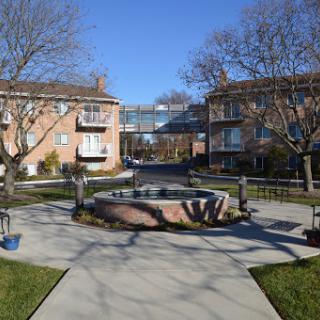
St Paul Village
$535 / month19.4 miles away -
About the same

SEM Terrace
$620 to $6,100 / month14.4 miles away -
from -$91 / mo
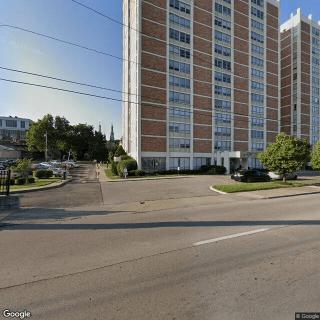
Panorama Senior Citizen Apt
$545 to $725 / month24.8 miles away -
from -$63 / mo
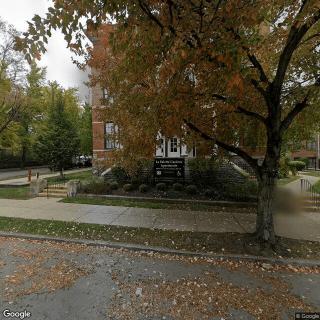
LaSalette Gardens
$573 to $692 / month23.9 miles away -
from -$101 / mo
Twin Pines Apartments
$535 to $680 / month20.2 miles away
Overall Review of Harmony Senior Village
Pros
 The staff treated the parents well.
- The mother's apartment accommodates easy wheelchair maneuverability.
- The unit offers ample space for 1–2 people.
- The environment is very safe.
- Emergency pull cords are provided in the bedroom and bathroom.
Cons
 The apartment has outdated appliances and light fixtures.
- The carpeted flooring is not ideal for wheelchair users, with hardwood floors being preferable for mobility and cleaning wheels.
- The unit could use some updating overall.
Review
Harmony Senior Village in Williamsburg, Ohio is the right choice for seniors who need reliable safety and a wheelchair-accessible, self-contained living space. The apartments are clearly laid out to support mobility devices, with room to maneuver between the living area, bedroom, and bath, and enough space for 1-2 residents to share without feeling crowded. For families evaluating a parent’s living situation, the setting offers privacy and independence within a protected, well-maintained environment. Emergency pull cords are installed in the bedroom and bathroom, and the staff appears attentive, contributing to a steady rhythm of daily life. This combination translates into predictable routines and visible reassurance for caregivers.
But those who demand modern interiors or more vibrant programming may want alternatives. The units come across as dated, with older appliances and light fixtures that could benefit from refreshing to reduce energy costs and improve usability. Carpeted floors, while comfortable, complicate wheel maintenance and may feel less practical for wheelchairs than hard surface options, especially in high-traffic areas like kitchens and entryways. If a contemporary look, refreshed kitchens, and up-to-date amenities are priorities, along with on-site activities and social opportunities, you may prefer communities that emphasize polish and variety, even if safety or staffing models differ.
From a practical standpoint, the positives are notable. Families describe respectful, attentive treatment of residents, which translates into reliable day-to-day care and smoother transitions during routine tasks. The space supports couples or a single resident with visitors, reducing the friction of shared housing arrangements and making it easier to maintain familiar routines. A calm, orderly environment paired with clear safety features minimizes stress for both residents and relatives, providing a stable platform for independent living with optional assistance on call and predictable access to help when needed.
Major drawbacks center on aging interiors. The lack of updated appliances and fixtures can feel outdated, and carpeted surfaces add a maintenance burden for wheelchair wheels and general cleanliness, potentially increasing housekeeping needs. The emphasis on safety can translate into a quieter program with fewer visible activities, which may disappoint those seeking more social engagement or a busier day. The overall aesthetic may feel dated to someone who expects a bright, modern look, and the gap between function and form could matter to residents who value atmosphere as part of daily satisfaction.
Still, the main value proposition remains strong for the right resident. The safety-first posture, accessible apartment design, and consistent staff support combine to create a dependable living situation that reduces risk and emotional strain for families. For those prioritizing predictable routines, quiet operation, and dignity in daily life, Harmony delivers where it counts most, providing steady care without the distractions of a busy campus. If the resident’s priority is a straightforward, secure home with solid caregiver presence rather than a showroom interior or heavy programming, Harmony is a compelling match that supports long-term comfort and independence.
Investors of time should plan a focused tour with specific questions. Verify the exact accessibility features in the chosen apartment, gauge staff responsiveness during routine needs, and ask about any upcoming updates to appliances or fixtures. Compare Harmony against communities that offer more modern finishes or richer activity calendars to identify the best alignment. When safety, space, and steady staffing trump cosmetic updates, Harmony Senior Village proves to be a practical, experienced choice for wheelchair-using seniors seeking dependable support and privacy, with clear expectations set for what daily life will feel like.
 Active Adult Communities (55+)
 Cats allowed
 Dogs allowed
 Activities on-site
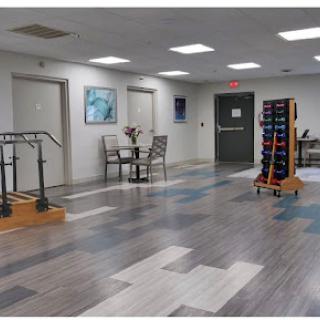
 Indoor common areas
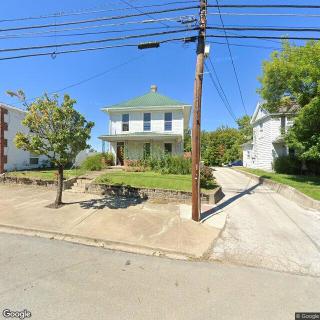
 Outdoor common areas





 Understanding the Full Cost of 24/7 In-Home Care: A Detailed Overview
 Exploring the World of Home Health Nurses: Qualifications, Roles, and Hiring Tips
 Navigating Medicare Coverage for In-Home Care Services