Luther House

Save
Luther House Luther House

Luther House

2154 Dover Center Road, Westlake, OH 44145

For more information about senior living options: (844) 490-3973

3.9 from 90 reviews
5 stars
55
4 stars
12
3 stars
3
2 stars
1
1 stars
19

Assisted Living Skilled Nursing Facility

What level of care are you interested in?

Assisted Living

Memory Care

Independent Living

Skilled Nursing Facility

Continuing Care Retirement Community (CCRC)CCRC

Other


Request a tour at Luther House

    Overall Review of Luther House

    Pros

    • pro The staff asked about her daily routine and tried to accommodate it as best as possible.
    • pro The care team was friendly and responsive to both the resident and the family.
    • pro They truly listened to her and to the family as needs arose.
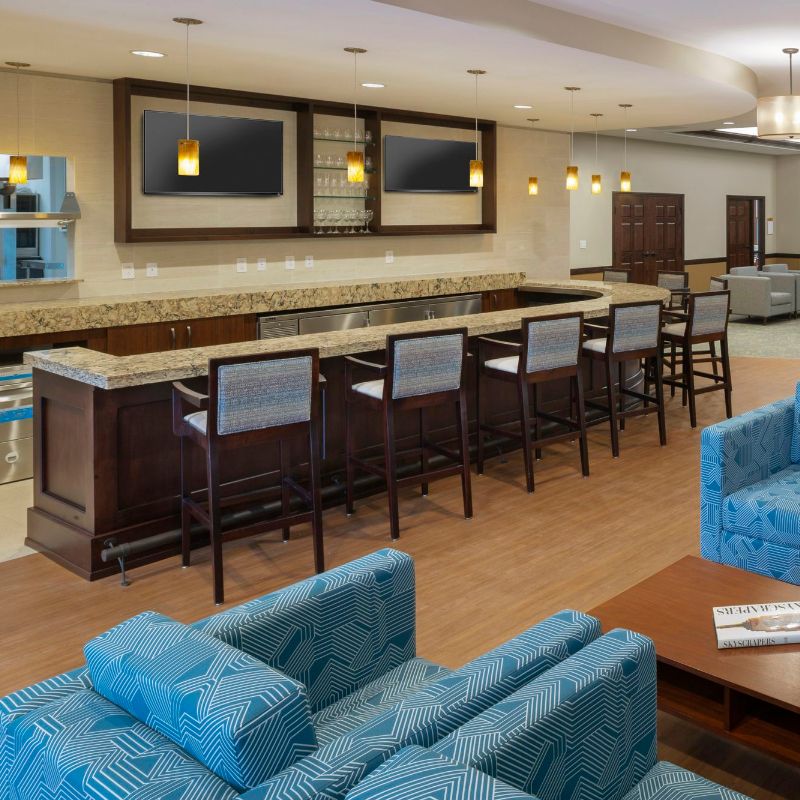
    • pro The facility is beautiful, updated, and clean.
    • pro The Concord Reserve dining program features top-quality food and thoughtful options.
    • pro Adam, in particular, goes above and beyond with exceptional service.
    • pro The staff are kind, patient, and attentive.
    • pro The center is welcoming and well-kept, with a clean, pleasant environment.
    • pro The rehab care at Concord Reserve is first-class, with a VIP-level experience.
    • pro The facility offers a range of care levels in a beautiful setting.

    Cons

    • pro The director is described as a bully and unprofessional.
    • pro The facility is dirty, with garbage in rooms and bathrooms not cleaned, and staff on cell phones neglecting patient care.
    • pro The care provided is terrible and negligent, with leadership described as arrogant and deceitful.
    • pro The center is understaffed, leaving many residents unhappy with the quality of care.
    • pro There are claims of abuse and neglect, including a resident who suffered a broken leg that was not promptly treated or reported.
    • pro The staff reportedly lack knowledge and training in elderly care, resulting in inadequate assistance.
    • pro The facility has been criticized for poor communication and neglect of basic human rights.
    • pro Staffing issues and agency nurses are described as uncaring, contributing to a negative environment.

    Review

    The collection of impressions about Concord Reserve and its related Concord facilities shows a strikingly wide spectrum of experiences. On one end are repeatedly glowing accounts of compassionate, attentive care that feels responsive to both residents and their families. On the other end are loud, specific accusations of neglect, poor leadership, and unstable staffing that sometimes eclipse the positives. Taken together, the reviews paint a picture of a place that can deliver excellent rehabilitation, therapy, and daily living when staffing and leadership align, but can be dangerously inconsistent when those elements fall short.

    Many reviews center on the care teams that residents and families interact with daily. Several reviewers describe LTC and rehab stays where staff asked about routines, listened carefully, and adapted care to fit personal needs. A recurring sentiment is that the care team was friendly, responsive, and attentive to both the resident and the family, with administrative staff who checked in and facilitated smooth experiences. Comments like "they truly listened to her and us as needs arose" capture a common thread: when communication is strong and people are willing to collaborate, residents feel seen and respected. One reviewer even conveyed a sense of gratitude that Concord would be at the top of their list if LTC were needed in the future because of this consistent, person-centered approach.

    Positive experiences are not limited to general caregiving. Rehab-focused accounts are especially vivid and consistently favorable. Several residents or family members describe rehab care that was thorough and effective, sometimes with a hospital stay followed by a "first class VIP treatment" from healthcare professionals. Specific praise is given to the ability of the staff to adapt to changing needs - such as a resident with a head injury - and to keep pace with evolving therapy requirements (PT and OT) to help get back on one's feet. The environment also plays a strong supporting role in these narratives: clean, updated facilities with engaging activities, festive d?cor, and accessible amenities.

    Dining and social life receive frequent positive mentions as well. A number of reviewers highlight top-quality food and thoughtful menu options, with particular praise for staff members who elevate the dining experience. In one instance, a name - Adam - is singled out for consistently going above and beyond in service, contributing to a sense that the place can feel homier and more welcoming than a typical facility. Alongside good meals, reviewers speak of a wide range of activities that foster connection - chapel services, libraries, movie nights, and organized therapy that couples recreation with recovery - creating a holistic atmosphere for residents who are there for rehab or long-term care.

    Beyond the positives, the reviews also recount significant concerns that, in some cases, are described in very stark terms. Several entries point to leadership and staffing issues that undermine care. One reviewer condemns a director as a bully and unprofessional, while others point to understaffing and reliance on agency nurses, with some residents feeling neglected as a result. Complaints frequently touch on the reliability of aides and nurses, the pace of care, and the perception that important tasks fall through the cracks when staff are stretched too thin. In particular, one reviewer notes that a nurse complained to a scheduler about being asked to help, an incident that spiraled into accusations of being placed on a DNR list and being accused of using pregnancy as an excuse not to work. The accounts around this incident are detailed and heated, underscoring how fragile trust can become when communication breaks down.

    A subset of reviews focuses on more overt failures in patient safety and basic hygiene. A highly troubling post describes a family's experience in which a grandmother allegedly suffered a broken leg that went untreated or unreported for days, followed by extended neglect of basic needs such as diaper changes and showers. The reviewer claims the staff failed to report the injury, did not wash hands, and did not provide timely attention, culminating in an ambulance call and a sharp critique of the facility's culture of accountability. This particular set of allegations is presented with intensity, highlighting fears about neglect and the risk to residents' well-being when oversight and responsiveness lapse.

    Other reviews reflect a more mixed or cautionary tone. Some comment on facilities' overall beauty and serenity, yet acknowledge gaps in staff training and knowledge about elderly care. Independent living reviews frequently note that while the amenities and atmosphere seem impressive, staff proficiency and the ability to handle residents' basic needs can fall short, making the environment feel less supportive than promised. A few reviewers point to specific personnel, such as a director or managers, who shaped their experience - positively or negatively - and remind readers that the facility's reputation can hinge on leadership style and the consistency of staff across shifts.

    Taken together, these accounts suggest Concord Reserve and its Concord facilities offer a compelling package when everything aligns: clean, well-maintained spaces; robust rehab programs with attentive physical and occupational therapy; well-regarded dining and social offerings; and a staff that listens and responds. But the same sources also warn that the quality of care can be highly variable, deeply affected by staffing levels, leadership approaches, and day-to-day operational culture. For families considering this setting, the message is clear: the strongest experiences come from environments where staff are adequately supported, leadership communicates openly, and there is reliable, consistent coverage across shifts. Prospective residents and families would do well to ask specific questions about staffing ratios, incident reporting, training programs, and how the facility manages changes in resident needs, as well as to seek firsthand observations of routine care interactions and the responsiveness of the admin team.

    Features

    Housing

    • 141 resident community capacity 141 resident community capacity

    Types of Care

    • Assisted Living Assisted LivingAssisted living facilities provide crucial support and care for seniors who may need help with daily tasks such as medication management, bathing, and meal preparation. These communities offer a safe and comfortable environment where seniors can maintain their independence while receiving the assistance they need to thrive in their golden years.
    • Skilled Nursing Facility Skilled Nursing FacilitySkilled Nursing Facilities are crucial for seniors as they provide round-the-clock medical care, rehabilitation services, and assistance with daily activities. These facilities ensure that seniors receive the specialized care they need to maintain their health and well-being as they age.

    Amenities

    • Air-conditioning Air-conditioningAir conditioning is important for seniors as they are more vulnerable to heat-related illnesses and may have underlying health conditions that make it difficult for them to regulate their body temperature. It helps to keep them comfortable, safe, and healthy in hot weather.
    • Beauty salon Beauty salonBeauty salons are important for seniors because they provide a space for them to feel pampered, socialize, and maintain their personal grooming and hygiene. Regular visits to a beauty salon can help boost seniors' self-esteem and overall well-being.
    • Cable or satellite TV Cable or satellite TVCable or satellite TV is important for seniors because it provides entertainment, news, and companionship, helping to combat loneliness and boredom. It also offers a wide range of programming options tailored to different interests and preferences.
    • Computer center Computer centerA computer center is essential for seniors as it provides access to technology, communication tools, and resources that can enhance their daily lives. It allows them to stay connected with loved ones, engage in online activities, and learn new skills, ultimately promoting socialization and mental stimulation.
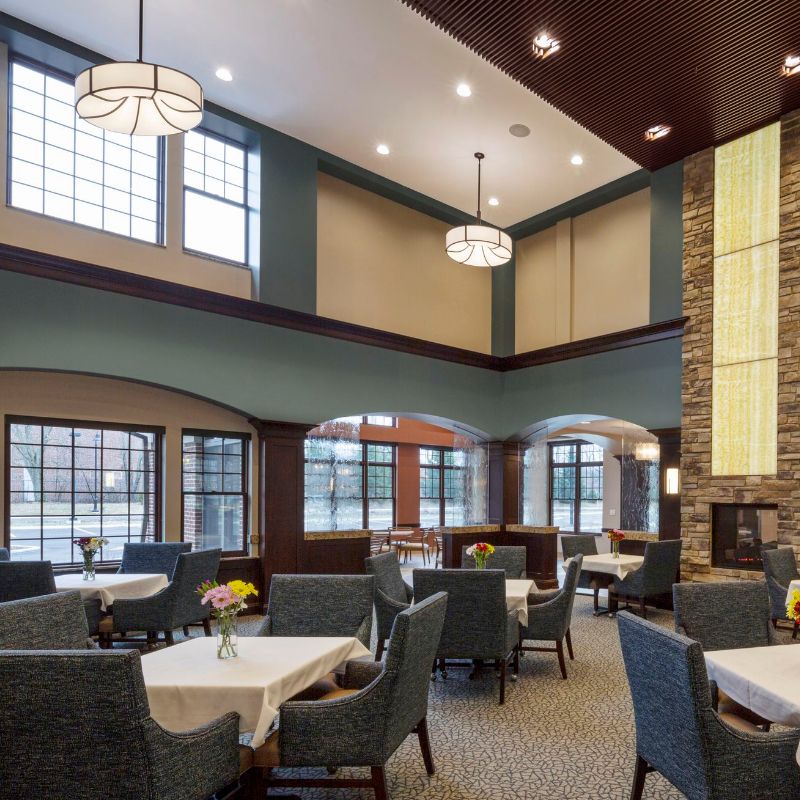
    • Dining room Dining roomDining rooms are important for seniors as they provide a space for socialization, connection, and nutritious meals. They offer opportunities for residents to bond over shared meals, foster a sense of community, and promote healthy eating habits. Dining rooms also ensure that seniors have access to well-balanced meals tailored to their dietary needs and preferences.
    • Fitness room Fitness roomHaving a fitness room in a senior living community is essential for seniors to stay active, maintain their physical health, and improve their overall well-being. Regular exercise can help prevent falls, reduce the risk of chronic diseases, and promote mental sharpness. It also provides social opportunities for residents to connect with others and enjoy a sense of community.
    • Fully furnished Fully furnishedFully furnished senior living communities are important for seniors because they provide convenience, comfort, and a hassle-free moving experience. Seniors can easily settle into their new living space without the stress of having to buy and move furniture. This allows them to focus on enjoying their new home and community.
    • Gaming room Gaming roomGaming rooms are important for seniors as they provide a fun and engaging environment for socializing, cognitive stimulation, and physical activity. Games can improve memory, problem-solving skills, and overall mental well-being while fostering friendships and reducing feelings of isolation.
    • Garden GardenGardens are important for seniors as they provide a peaceful and therapeutic environment for relaxation, physical activity, and socialization. Being in nature has been shown to reduce stress, improve mood, and promote overall well-being. Gardens also offer opportunities for seniors to engage in gardening activities, which can improve mobility, flexibility, and cognitive function. Additionally, gardens create a sense of community and connection with others who share a passion for plants and outdoor spaces.
    • Housekeeping services Housekeeping servicesHousekeeping services are important for seniors because they help maintain a clean and safe living environment, promote independence, and reduce the risk of accidents or illnesses. Additionally, having assistance with household chores can alleviate physical strain and allow seniors to focus on other aspects of their well-being.
    • Kitchenette KitchenetteKitchenettes are important for seniors living in senior living communities because they provide the convenience and independence of being able to prepare simple meals and snacks in the comfort of their own living space. This can help promote a sense of autonomy and well-being for seniors, allowing them to maintain some level of control over their dietary choices and daily routines.
    • Move-in coordination Move-in coordinationMove-in coordination is important for seniors because it helps ease the transition into their new living environment. It ensures that all logistics, such as packing, organizing movers, and setting up utilities are taken care of, allowing seniors to focus on settling in and adjusting to their new home. Having a smooth move-in process can alleviate stress and anxiety, making the transition smoother and more enjoyable for seniors.
    • Outdoor space Outdoor spaceOutdoor spaces are important for seniors as they provide opportunities for physical activity, social interaction, exposure to natural light and fresh air, and a sense of connection to nature. Having access to outdoor spaces can improve overall well-being and quality of life for older adults living in senior communities.
    • Private bathrooms Private bathroomsPrivate bathrooms are important for seniors in senior living communities because they provide independence, dignity, and comfort. Having a private bathroom allows seniors to maintain their personal hygiene routines without the need for assistance, promoting a sense of autonomy and privacy. Additionally, private bathrooms help prevent the spread of infections and provide a safe and clean environment for seniors to navigate safely.
    • Restaurant-style dining Restaurant-style diningRestaurant-style dining is important for seniors because it allows them to enjoy delicious, nutritious meals in a social and upscale setting. This enhances their dining experience, promotes healthy eating habits, and fosters socialization with fellow residents, ultimately contributing to their overall well-being and quality of life.
    • Small library Small librarySmall libraries are important for seniors as they provide access to a variety of reading materials, including books, newspapers, and magazines. This can help stimulate their minds, keep them engaged, and provide a sense of community through book clubs and other social activities. Additionally, reading has been shown to improve cognitive function and overall mental well-being in older adults.
    • Telephone TelephoneTelephones are important for seniors as they provide a lifeline for communication with loved ones, emergency services, and healthcare providers. They offer a sense of security and independence, enabling seniors to stay connected and access assistance when needed.
    • Wellness center Wellness centerWellness centers are important for seniors because they offer a variety of programs and services that promote physical, mental, and emotional well-being. These centers provide opportunities for exercise, socialization, education, and relaxation, helping seniors maintain their overall health and quality of life.
    • Wi-Fi/high-speed internet available Wi-Fi/high-speed internet availableWi-Fi/high-speed internet is important for seniors to stay connected with loved ones, access online resources, and participate in virtual activities to combat feelings of loneliness and isolation. It also allows them to easily manage healthcare needs, access entertainment, and engage in lifelong learning opportunities.

    Transportation

    • Cleveland-Hopkins International (5 miles away) Cleveland-Hopkins International (5 miles away)
    • Community operated transportation Community operated transportationCommunity operated transportation is crucial for seniors as it provides them with the means to access essential services, social activities, and medical appointments. It allows seniors to maintain their independence and quality of life by ensuring they can participate in activities outside of their homes. Additionally, community-operated transportation services offer a safe and reliable way for seniors to travel without having to rely on family or friends for assistance.
    • Transportation arrangement Transportation arrangementTransportation arrangements are crucial for seniors as they may face challenges with driving, mobility, or access to public transportation. Having reliable transportation services ensures that seniors can easily attend appointments, social activities, and maintain their independence and quality of life.
    • Transportation arrangement (non-medical) Transportation arrangement (non-medical)Transportation arrangements are essential for seniors as they provide access to essential services, activities, and social interactions outside the home. This service helps maintain independence, mobility, and overall well-being for seniors who may have limited transportation options.

    Care Services

    • 12-16 hour nursing 12-16 hour nursing12-16 hour nursing care is crucial for seniors in order to ensure around-the-clock monitoring, timely medication administration, and prompt response to any health concerns or emergencies. This level of care helps to promote the overall well-being and safety of seniors living in senior living communities.
    • 24-hour call system 24-hour call system24-hour call systems are important for seniors because they provide peace of mind and immediate assistance in case of emergencies. This technology ensures that help is always available, promoting safety and security for elderly individuals living alone or in assisted living facilities.
    • 24-hour supervision 24-hour supervision24-hour supervision is important for seniors to ensure their safety, well-being, and access to immediate assistance in case of emergencies or health issues. This constant support provides peace of mind for both seniors and their loved ones, allowing them to age in place with dignity and security.
    • Activities of daily living assistance Activities of daily living assistanceActivities of daily living assistance are important for seniors because they provide essential support with tasks such as eating, bathing, dressing, and mobility. This assistance helps seniors maintain their independence, dignity, and overall quality of life as they age.
    • Assistance with bathing Assistance with bathingAssistance with bathing is crucial for seniors as it helps maintain personal hygiene, prevents infections, and ensures their overall well-being and comfort. It also provides a sense of dignity and independence for seniors who may struggle with this task on their own.
    • Assistance with dressing Assistance with dressingAssistance with dressing is important for seniors because it helps maintain their independence, promotes personal hygiene, prevents accidents and injuries, and improves overall quality of life. This service ensures that seniors can continue to dress comfortably and confidently, despite any physical limitations they may have.
    • Assistance with transfers Assistance with transfersAssistance with transfers is crucial for seniors as it helps prevent falls and injuries, maintains their independence, and ensures they can safely navigate their living environment. It also provides peace of mind for both seniors and their loved ones.
    • Coordination with health care providers Coordination with health care providersCoordination with health care providers is crucial for seniors to ensure proper medical care, medication management, and overall well-being. This collaboration helps prevent overlapping treatments, track progress more effectively, and provide comprehensive support tailored to individual needs.
    • Diabetes diet Diabetes dietA diabetes diet is crucial for seniors as it helps manage blood sugar levels, reduce risks of complications, and improve overall health and well-being. By following a balanced and nutritious diet tailored to their specific needs, seniors can better control their diabetes and enhance their quality of life.
    • Meal preparation and service Meal preparation and serviceMeal preparation and service are crucial for seniors as they may have limited mobility or energy to cook nutritious meals. Having access to healthy and convenient food options can ensure they are getting the proper nutrition needed to maintain their overall health and well-being.
    • Medication management Medication managementMedication management is crucial for seniors to ensure they are taking the right medications at the correct dosages and times. This helps prevent adverse drug interactions, reduces the risk of medication errors, and promotes overall health and well-being. Proactive management also allows for adjustments as needed based on changing health conditions or new prescriptions.
    • Mental wellness program Mental wellness programMental wellness programs are essential for seniors as they promote cognitive stimulation, emotional support, and social engagement. These programs help prevent isolation, depression, and cognitive decline, ultimately enhancing the overall quality of life for older adults.
    • Special dietary restrictions Special dietary restrictionsSpecial dietary restrictions are important for seniors because age-related changes in metabolism and health conditions can make it difficult for their bodies to process certain foods. By following a diet tailored to their specific needs, seniors can maintain their overall health and well-being, manage chronic conditions, and reduce the risk of complications such as malnutrition or food interactions with medications.
    • Transportation arrangement (medical) Transportation arrangement (medical)Transportation arrangements for medical purposes are essential for seniors as they may have difficulty driving themselves to appointments or accessing public transportation. Having reliable and safe transportation options ensures that seniors can receive timely medical care and maintain their health and well-being.
    • Transportation to doctors appointments Transportation to doctors appointmentsTransportation to doctors' appointments is crucial for seniors as it ensures they have access to necessary medical care and support for their health needs. Without reliable transportation, seniors may struggle to attend important appointments, leading to potential delays in treatment and health complications. Providing transportation services helps seniors maintain their overall well-being and quality of life.

    Dining

    • Diabetes diet Diabetes dietA diabetes diet is crucial for seniors as it helps manage blood sugar levels, reduce risks of complications, and improve overall health and well-being. By following a balanced and nutritious diet tailored to their specific needs, seniors can better control their diabetes and enhance their quality of life.
    • Special dietary restrictions Special dietary restrictionsSpecial dietary restrictions are important for seniors because age-related changes in metabolism and health conditions can make it difficult for their bodies to process certain foods. By following a diet tailored to their specific needs, seniors can maintain their overall health and well-being, manage chronic conditions, and reduce the risk of complications such as malnutrition or food interactions with medications.

    Activities

    • Community-sponsored activities Community-sponsored activitiesCommunity-sponsored activities are important for seniors as they provide opportunities for social interaction, mental stimulation, and physical activity. These activities can help improve overall well-being, combat loneliness and isolation, and promote a sense of belonging and purpose among older adults.
    • Concierge services Concierge servicesConcierge services are essential for seniors as they provide assistance with daily tasks and errands, enhance their quality of life by offering convenience and personalized care, and promote a sense of safety and security.
    • Fitness programs Fitness programsFitness programs are crucial for seniors as they help improve strength, flexibility, balance, and overall well-being. Staying active can reduce the risk of chronic diseases, improve mental health, and enhance quality of life in older adults.
    • Planned day trips Planned day tripsPlanned day trips are important for seniors because they offer opportunities for socialization, mental stimulation, and physical activity. They provide a change of scenery and help seniors stay engaged and connected to their community, promoting overall well-being and quality of life.
    • Resident-run activities Resident-run activitiesResident-run activities are important for seniors as they encourage social interaction, creativity, and a sense of autonomy. These activities empower seniors to stay engaged and active in their community while fostering meaningful connections with their peers.
    • Scheduled daily activities Scheduled daily activitiesScheduled daily activities are important for seniors because they provide structure, socialization, mental stimulation, and physical activity. Engaging in regular activities can improve overall well-being and quality of life for seniors living in a community setting.

    Description

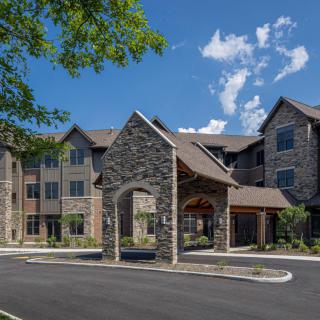
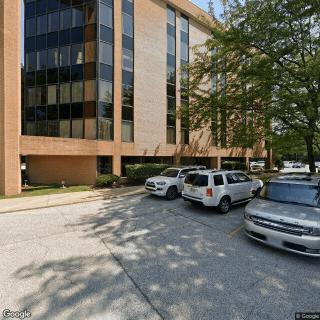
    Luther House in Westlake, OH is a skilled nursing facility that offers a range of care services to meet the needs of its residents. The community provides 24-hour supervision and assistance with activities of daily living such as bathing, dressing, and transfers. The staff at Luther House also coordinates with health care providers to ensure that residents receive the necessary medical care.

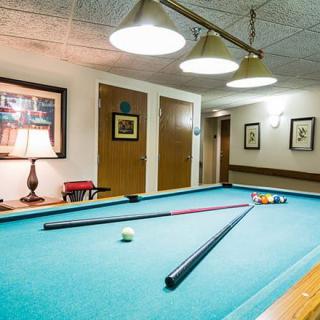
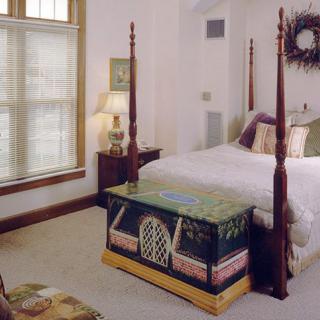
    Residents at Luther House are provided with a variety of amenities to enhance their stay. These include a beauty salon for grooming needs, cable or satellite TV for entertainment, and access to community-operated transportation for easy commuting. There is also a computer center for internet access, a fitness room for physical well-being, and fully furnished accommodations for comfort.

    The community offers several dining options including restaurant-style dining and special dietary restrictions can be accommodated. Residents can enjoy their meals in the dining room or opt for meal preparation and service in their own kitchenettes. Additionally, housekeeping services are provided to maintain cleanliness.

    In terms of activities and recreation, Luther House aims to provide an engaging lifestyle for its residents. Concierge services are available for any assistance needed, while fitness programs promote physical wellness. Planned day trips and resident-run activities ensure that there are plenty of opportunities for socialization and entertainment. Scheduled daily activities keep residents active and engaged.

    The location of Luther House also offers convenience with numerous nearby amenities. There are cafes, parks, pharmacies, physicians' offices, restaurants, transportation options, places of worship, theaters, and hospitals all located in close proximity to the community.

    Overall, Luther House provides a caring environment where residents can receive the support they need while enjoying various amenities and engaging activities.

    Nearby Places of Interest

    Pharmacies

    • Rite Aid (0.5 miles)
    • Discount Drug Mart (0.8 miles)
    • Walgreens (1 miles)
    • Market District Supermarket (1.7 miles)
    • CVS Pharmacy (1.9 miles)
    • Walgreens (2.5 miles)
    • Discount Drug Mart (2.6 miles)

    Restaurants

    • Dover Gardens Tavern (0.7 miles)
    • The Cheesecake Factory (1.5 miles)
    • Blue Sushi Sake Grill (1.5 miles)
    • Yard House (1.5 miles)
    • Bonefish Grill (1.5 miles)
    • Crocker Park (1.5 miles)
    • Another Broken Egg Cafe (1.6 miles)

    Physicians

    • Premier Physicians (1.2 miles)
    • Fairview Ob Gyn Associates Crocker (1.4 miles)
    • Bay Dental Offices (1.5 miles)
    • North; Shore Gastroenterology & Endoscopy Center (1.6 miles)
    • Orthopedic Associates Westlake (1.8 miles)
    • Westshore Primary Care (5.4 miles)

    Cafes

    • Starbucks (1.5 miles)
    • Starbucks (1.7 miles)
    • Starbucks (2.8 miles)
    • Starbucks (3.6 miles)
    • Starbucks (3.8 miles)
    • Panera Bread (4.2 miles)
    • Starbucks (6.6 miles)

    Theaters

    • Regal Crocker Park & Imax (1.6 miles)

    Hospitals

    • St John Medical Center (1.8 miles)
    • Cleveland Clinic - Avon Hospital (3.2 miles)
    • Cleveland Clinic - Fairview Hospital (5.1 miles)
    • CCF Fairview Hospital (5.2 miles)

    Places of Worship

    • Jehovah's Witnesses (1.9 miles)
    • St Barnabas (2.8 miles)
    • St Joseph Church-Avon Lake (6.5 miles)

    Parks

    • Tri-City Park (2.6 miles)
    • Bain Park (3.6 miles)
    • Bohlken Park (3.6 miles)
    • Rocky River Reservation (3.9 miles)
    • Metroparks Rocky River Reservation North (5 miles)
    • Niagara Park (5.5 miles)
    • Loraine County Metro Park (6 miles)

    Transportation

    • Cleveland Rental Car Center (4.9 miles)
    • National Car Rental (5 miles)
    • Hertz Rent A Car (5 miles)
    • Concourse B (5.3 miles)
    • Concourse C (5.4 miles)
    • American Airlines Ticket Counter (5.4 miles)
    • United Airlines Ticket Counter (5.4 miles)

    Frequently Asked Questions

    Where is Luther House?

    Nearby Communities

    Related Resources

    • assisted living costUnderstanding the True Cost of Assisted Living in 2025: A Comprehensive Guide

      Assisted living in 2025 offers a crucial balance of independence and support for seniors, with costs varying from $2,500 to over $7,000 per month based on factors such as location and care level. Understanding pricing complexities, including regional differences and potential hidden fees, is essential for families to plan financially while ensuring quality care for their loved ones.

    • does medicaid pay for assisted livingUnderstanding Medicaid Coverage for Assisted Living: A Comprehensive Guide

      The guide outlines the complexities of Medicaid coverage for assisted living, highlighting significant state-to-state variations, limited coverage often restricted to personal care services, and the existence of specialized waivers for certain needs like memory care. It advises families to consult local Medicaid offices for options while emphasizing the importance of understanding state-specific regulations and facility policies.

    • does medicaid pay for assisted livingHow and When Medicaid May Cover Assisted Living Costs

      Medicaid coverage for assisted living varies by state and is primarily available to low-income individuals, with eligibility dependent on strict income and asset limits. Some states offer HCBS waivers for specific services in assisted living, but families must generally cover room and board costs, and should verify facility acceptance of Medicaid while considering potential waiting lists.


    Get Pricing Ask A Question Schedule A Tour Contact Senior Advisor