For more information about senior living options: (866) 208-4318
4.3 from 107 reviews
5 stars
67
4 stars
20
3 stars
8
2 stars
6
1 stars
6
Overall Review of Green Hills Community
common5 reviews mention this
Clean, well-kept spaces stand out
Residents and visitors consistently describe the facility as clean, fresh, and well maintained.
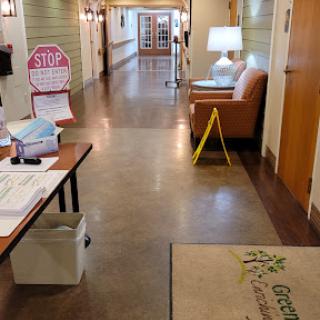
Several reviewers highlight cleanliness as a major positive, including spotless hallways and rooms and a generally well-kept appearance. People also mention no bad odors and a clean, comfortable environment when touring or visiting. A longer family review also emphasizes that the facility is well maintained while receiving ongoing care. Even when other parts of the experience were criticized, reviewers still repeatedly returned to the facility’s cleanliness and upkeep as a clear strength.
common6 reviews mention this
Activities and fitness feel built-in
The activity calendar and fitness options are repeatedly mentioned as a key part of life here.
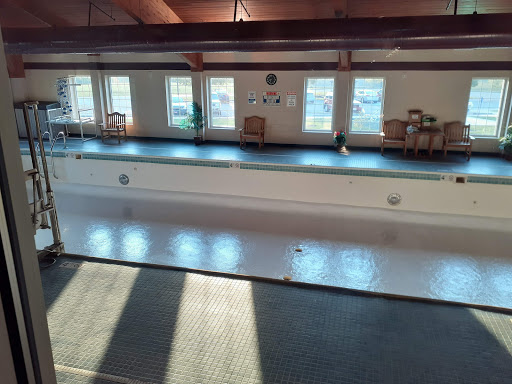
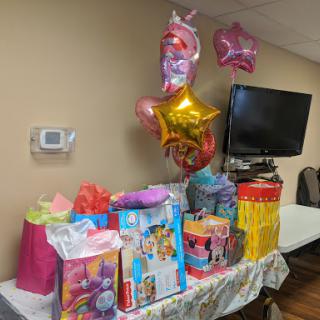
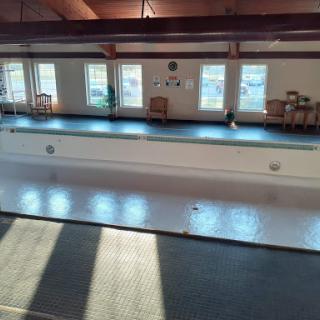
Reviewers describe a full slate of activities, including an adult day program, community events like car shows, and ongoing programming with an activity director. Fitness and wellness show up often too, with mentions of an indoor swimming pool, a gym, workout facilities, and fitness classes. One reviewer also notes that even when scheduled events weren’t running, the staff would help place a resident in a setting with things to watch and do. Overall, residents and families seem to see daily engagement as consistently available rather than occasional.
caveat5 reviews mention this
Meal quality gets mixed feedback
Dining is a recurring point of disagreement, with both positive meal variety and criticism of food quality.
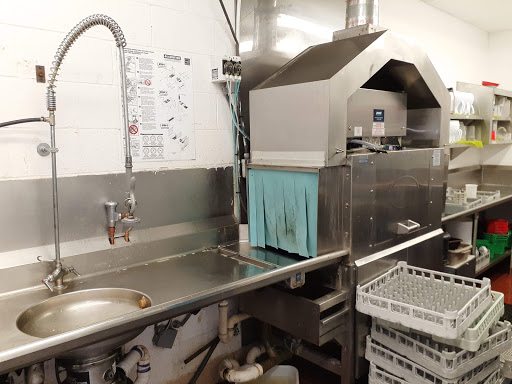
Some reviewers say loved ones enjoy a wide variety of meal selections and that meals are made on-site. Others are far less satisfied, describing poor food quality or meals that are bland and overcooked. A separate review calls out that the food can be hit or miss, even while noting overall friendliness and willingness to help. Taken together, dining comes through as an area where experiences vary depending on what and when meals are served.
caveat3 reviews mention this
Staff response can fall behind needs
A subset of reviews says staffing coverage and nurse response time were not reliable.
Some reviewers report delays or missed follow-ups, including call-light or nurse light situations that required family members or front office intervention. There are also complaints that skilled nursing care was under staffed and that some staff focused on basic tasks rather than providing the level of care families expected. Other reviews describe the need for families to actively monitor situations, which suggests inconsistent coverage at times. While many residents describe compassionate care, these comments point to gaps that can matter day-to-day.
How we summarize
Counts show how many written reviews mention each theme; a review can touch several themes, and only frequently mentioned themes are displayed.
The features offered by Green Hills Community are integral to supporting residents with dementia or Alzheimer's disease in maintaining their dignity and quality of life. Assistance with dressing and bathing ensures that residents can present themselves comfortably and confidently, while meal preparation and service cater to specific dietary needs, promoting proper nutrition. Medication management is crucial for ensuring adherence to prescribed treatments, reducing the likelihood of confusion or missed doses. Moreover, assistance with transfers addresses mobility challenges safely, which is vital for preventing falls. Activities of daily living assistance empowers residents by encouraging independence where possible, while 24-hour supervision provides peace of mind for both residents and families, ensuring immediate support in case of emergencies or heightened anxiety. Together, these services create a supportive environment that fosters well-being and security for those facing cognitive decline.
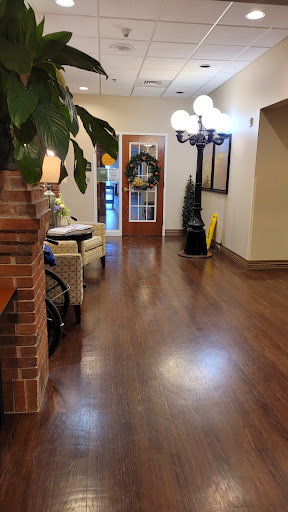
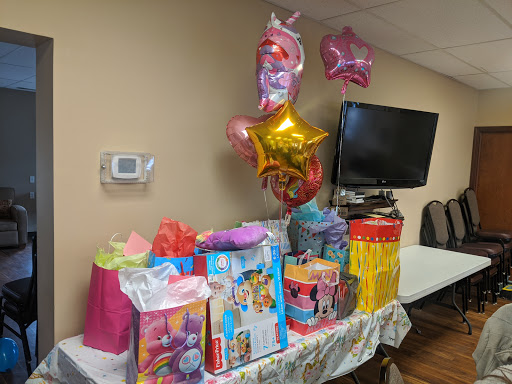
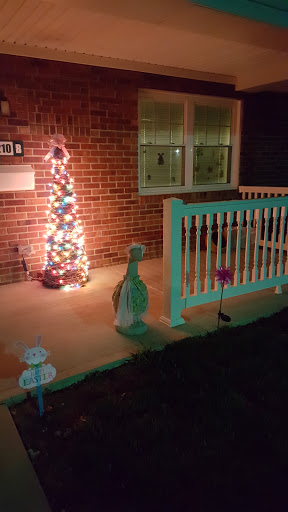
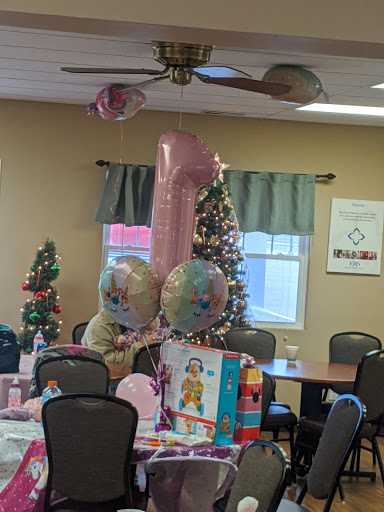
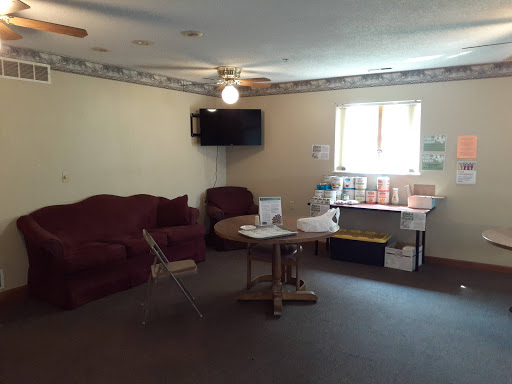
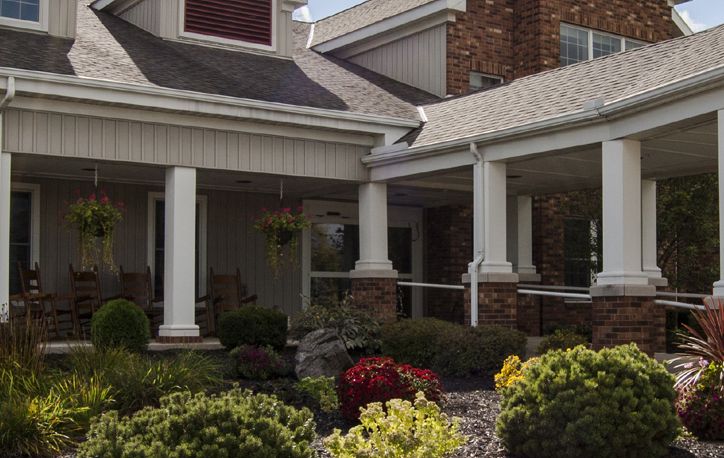
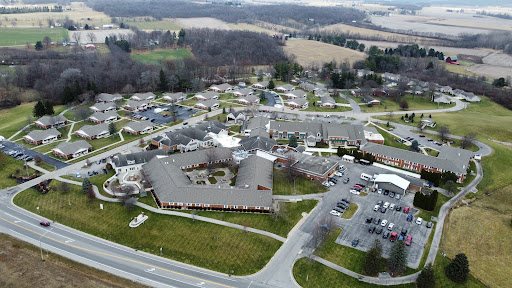
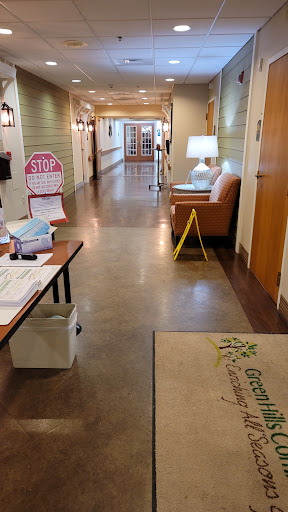
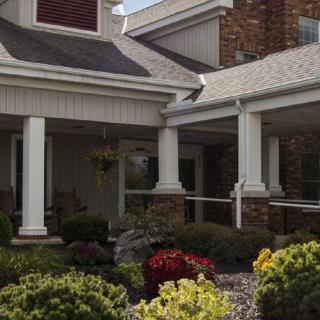
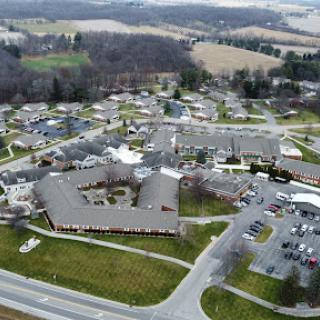
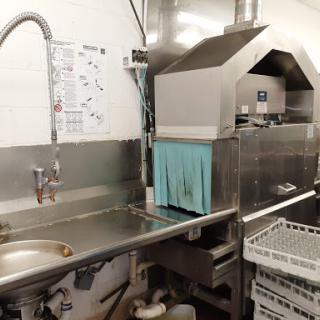
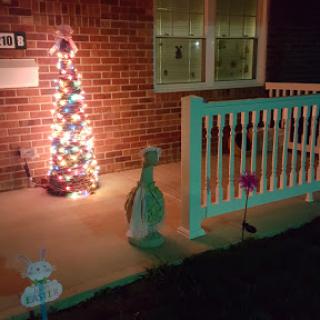
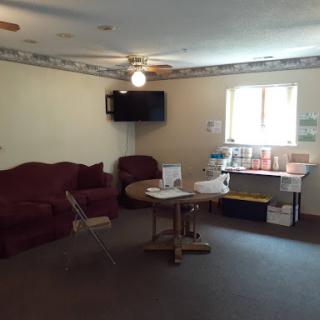
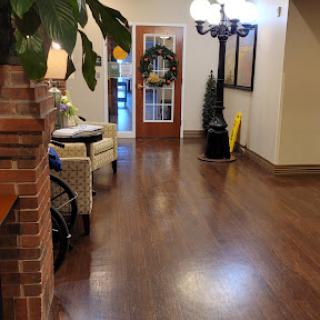
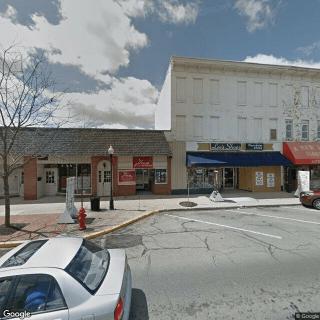
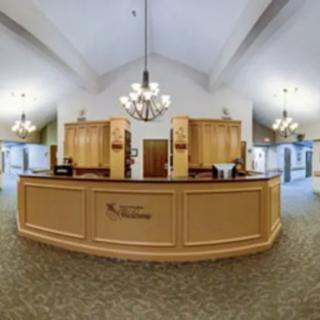
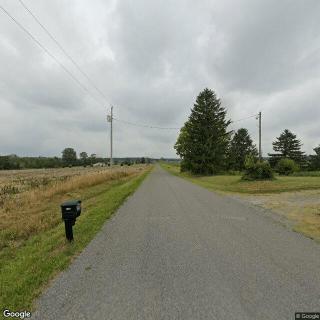
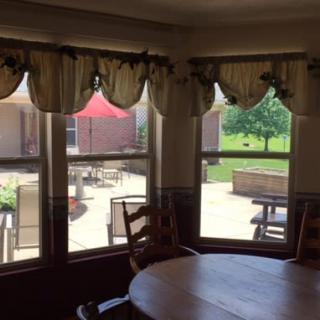
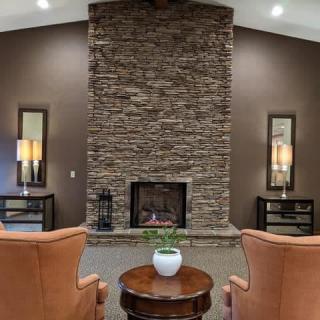
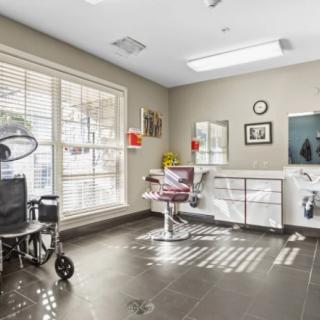
Green Hills Community on seniors.fyi includes 11 photos including images showing decor, interior, landscaping, windows, aerial view, fence, road, front porch, and more.
Nearby Communities
West Liberty Homes Inc
West Liberty, OH
Excellent access to healthcare, dining, transport, and worship nearby.
Campbell Place
Bellefontaine, OH
4.6 from 60 reviews
$2,857 to $4,924 / month
Caring staff, clean home-like atmosphere, and engaging activities with social dining.
Harvest Square Mobile Home
Urbana, OH
2.4 from 50 reviews
Serene setting with easy access to nearby cafes, pharmacies, dining options, and transportation.
Elan Home Health and Staffing, Inc
Bellefontaine, OH
5 from 1 review
Excellent access to nearby healthcare and amenities.
Bellefontaine Healthcare
Bellefontaine, OH
Fully furnished private apartments with dining and comprehensive care.
Logan Acres
Bellefontaine, OH
3.8 from 15 reviews
Clean, up-to-date facilities with diverse activities and amenities
Hearth & Home Urbana
Urbana, OH
4.1 from 10 reviews
$3,522 to $4,822 / month
Attentive staff with a family-like atmosphere.
Vancrest of Urbana
Urbana, OH
4.4 from 10 reviews
$3,660 to $4,500 / month
Comprehensive care options with restaurant-style dining, extensive on-site activities, 24/7 supervision, and pet-friendly, ground-floor units.
Memorial Gables
Marysville, OH
4.1 from 49 reviews
Friendly staff with good family communication and engaging activities.
Transitioning from assisted living to memory care is driven by an individual's cognitive decline and specific needs, requiring careful evaluation of indicators like increased confusion and wandering. The process involves consulting medical professionals, researching suitable communities, considering financial and legal aspects, and ensuring effective communication for personalized care plans.
The article differentiates between assisted living and memory care, explaining that assisted living supports seniors with daily activities while promoting independence, whereas memory care provides specialized services for individuals with dementia, focusing on secure environments and cognitive support. It also addresses staff training, safety considerations, costs, family involvement, and transition strategies for families navigating these care options.
The article outlines effective communication strategies for interacting with loved ones with dementia, highlighting the need for empathy, patience, and understanding while emphasizing supportive approaches like using simple language, minimizing distractions, and focusing on feelings over facts to maintain dignity and foster connection. It also suggests seeking professional guidance when needed as communication challenges evolve.
Get PricingAsk A QuestionSchedule A TourContact Senior Advisor
By clicking submit, you agree to our Partner's Terms of Use. You
also consent to receive calls and texts, which may be autodialed, from our Partner. Your consent is not a condition to
using our Partner's service. Please visit our Partner's Privacy Policy for information about their privacy practices.


 105 resident community capacity
 Assisted Living
 Continuing Care Retirement Community (CCRC)
 Day Program
 Independent Living
 Memory Care
 Skilled Nursing Facility
 Air-conditioning
 Beauty salon
 Cable or satellite TV
 Computer center
 Fitness room
 Fully furnished
 Gaming room
 Garden
 Housekeeping services
 Kitchenette
 Move-in coordination
 Outdoor space
 Private bathrooms
 Restaurant-style dining
 Small library
 Telephone
 Wellness center
 Wi-Fi/high-speed internet available
 Community operated transportation
 24-hour call system
 Assistance with bathing
 Assistance with dressing
 Assistance with transfers
 Diabetes diet
 Medication management
 Special dietary restrictions
 Concierge services
 Planned day trips
 Excellent access to healthcare, dining, transport, and worship nearby.
 When to Transition from Assisted Living to Memory Care: Key Indicators, Steps, and Finding the Right Community
 Understanding the Distinctions: Assisted Living and Memory Care Explained
 How to Communicate with a Loved One Living with Dementia: 10 Supportive Strategies