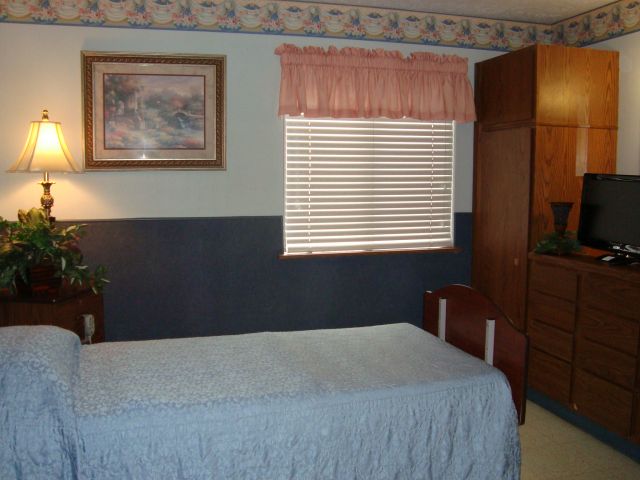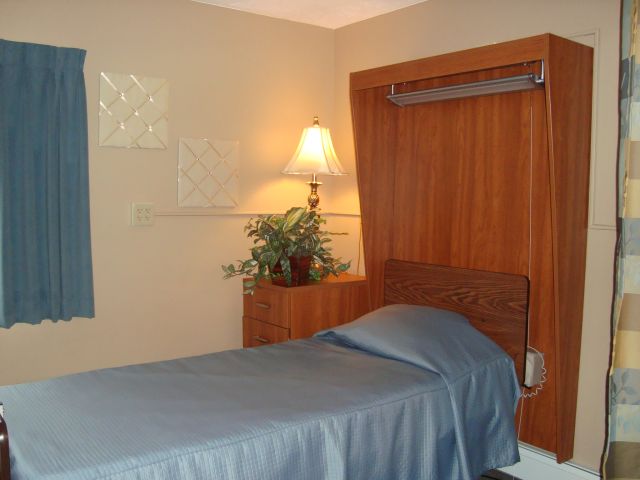
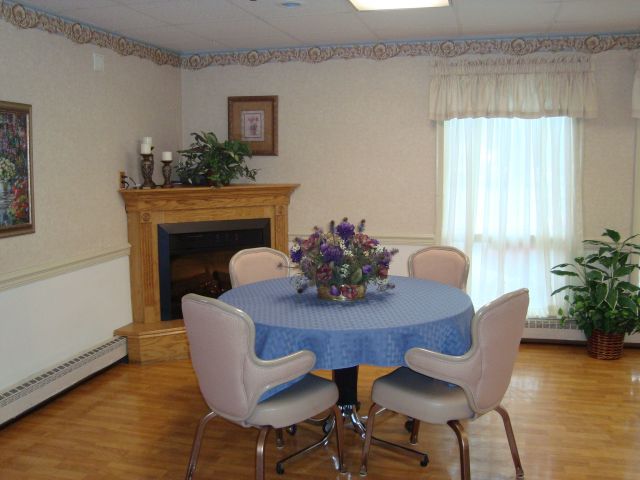
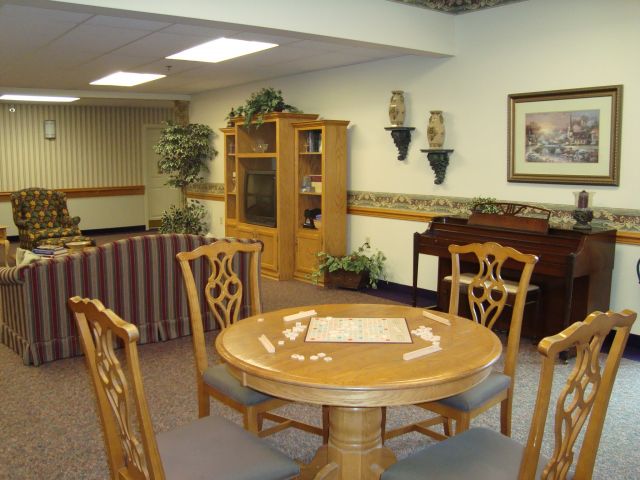
1320 Mahoning Avenue, Warren, OH 44483
For more information about senior living options: (866) 208-4318
Overall Review of Community Skilled Health Care Centre
Pros
 Adam the administrator truly cares about the patients and staff.
- The place is making some great changes.
- The environment is nice and welcoming, with helpful staff and excellent care.
- The staff are wonderful, kind, and efficient, and physical therapy is excellent.
- The facility has a clean, inviting atmosphere, with caring PT staff who help daily toward endurance goals, and it is highly recommended.
Cons
 The facility is described as horrible, with the reviewer claiming their mother died after being sent back to the hospital for CO2 poisoning and that staff didn’t know what was wrong.
- The workers are accused of not knowing anything, milking insurance, scamming patients, caring only about money, and rushing people out if they’re not liked.
- The place was not good for the reviewer who contracted C. diff, endured diarrhea, and faced long delays for help, including a night aide who promised to return and never did.
- The memory care unit is described as dirty, with a father’s catheter blocked twice and not noticed for hours.
- They warn others not to place loved ones there, citing multiple falls, lack of monitoring, poor food, and alleged mishandling of medicines.
- The staff are alleged to have neglected patients, contributing to hospitalizations and, in one account, a death.
Review
This community is best suited for seniors who need short-term rehabilitation and appreciate a hands-on, attentive leadership presence, along with a clean, welcoming environment. Families that want an active administrator who appears genuinely invested in both patients and frontline staff will find a focal point here. Those whose priority is ironclad safety, meticulous medical oversight, and consistently excellent care across all units should consider alternatives. This facility is not the first pick for someone requiring intensive memory-care surveillance or extreme risk mitigation, given a pattern of mixed experiences in safety and responsiveness.
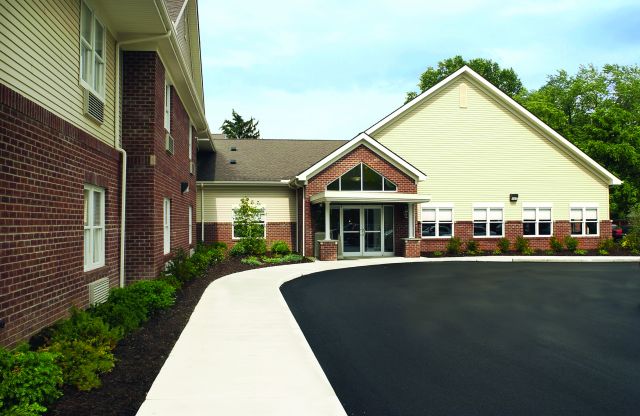
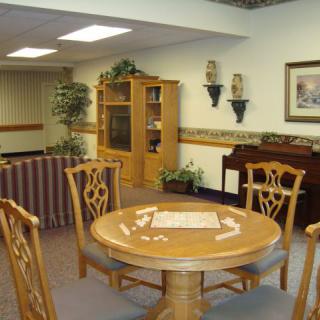
The strongest positives center on leadership and the rehab ethos. Administrator presence is repeatedly credited as a driver of momentum and accountability, signaling that issues are likely to be surfaced and addressed rather than ignored. Rehab-focused care, particularly physical therapy, is frequently praised as excellent and practical, with patients reporting meaningful progress when therapy is consistently delivered. The staff, overall, is described as helpful and caring, contributing to a welcoming atmosphere and daily life that feels supportive to those undergoing recovery. A clean, inviting environment reinforces comfort for residents and families seeking a respectful, dignified treatment setting.
However, the negatives are not trivial and largely revolve around safety, responsiveness, and consistency of care. Several reviews describe gaps in monitoring and timely care: memory-care conditions marked as dirty at times, bladder and catheter concerns, and delay in attention that stretches into hours. Reports of falls, rushed discharges, and accusations of neglect or mismanagement raise red flags about supervision and day-to-day vigilance. There are disturbing claims about medical miscommunications, including missed equipment, incorrect or delayed treatments, and, in one case, a fatal outcome linked to care decisions. Food quality comes up only modestly in some accounts, but overall the concerns cluster around reliability and safety rather than atmosphere or baseline amenities.
The key question becomes whether the solid rehab-focused strengths can offset the notable safety and care-quality concerns. For families prioritizing recovery and ongoing PT progress, with a willingness to be actively involved in oversight and daily communications, the positives can lead to meaningful improvements in a relatively short window. Yet the magnitude of the reported safety lapses, delays in assistance, potential medication and monitoring gaps, and serious, outcome-linked accusations, tends to lessen confidence in the facility as a long-term, all-purpose care solution. In other words, the rehab gains may not fully compensate for the risk profile presented by the care gaps.
Practical decision guidance centers on due diligence and alignment with care needs. Prospective families should precisely evaluate staffing patterns during the shift when most care is delivered, request a tour during peak activity, and observe how aides and nurses respond to calls. Demand current quality indicators, such as last state survey results and specific incident logs, and ask for transparent explanations of any repeated safety concerns. Directly address fall prevention, catheter management, and rapid escalation protocols; verify how therapists coordinate with nursing to maintain consistent progress while safeguarding against lapses. Engage with the administrator about concrete steps taken after past concerns to assess whether improvement is sustained.
In the end, Community Skilled Health Care Centre presents a real trade-off. It is well‑suited for families seeking a recovery-focused environment with an administrator known to push for better care and a rehab program that produces tangible gains. It is not ideal for families whose bottom line is patient safety across all domains and unwavering, immediate responsiveness in memory-care or high-acuity needs. The decision should hinge on the resident’s primary goals: if rehab and a hopeful trajectory with active oversight are paramount, this facility can be workable with vigilant engagement. If safety certainty, flawless daily care, and consistently strong oversight are non-negotiables, exploring stronger-rated options is strongly advised.
 44 resident community capacity
 Assisted Living
 Skilled Nursing Facility
 Beauty salon
 Cable or satellite TV
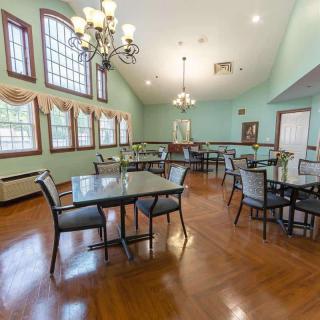
 Dining room
 Fully furnished
 Garden
 Housekeeping services
 Kitchenette
 Move-in coordination
 Outdoor space
 Restaurant-style dining
 Small library
 Telephone
 Wi-Fi/high-speed internet available
 24-hour call system
 Activities of daily living assistance
 Assistance with bathing
 Assistance with dressing
 Assistance with transfers
 Diabetes diet
 Medication management
 Mental wellness program
 Special dietary restrictions



 A Detailed Exploration of Assisted Living Medicaid Waivers Across the United States
 Comprehensive Residential Support and Assisted Living Solutions for Individuals with Disabilities
 Comprehensive Supportive Living Arrangements for Adults with Disabilities