
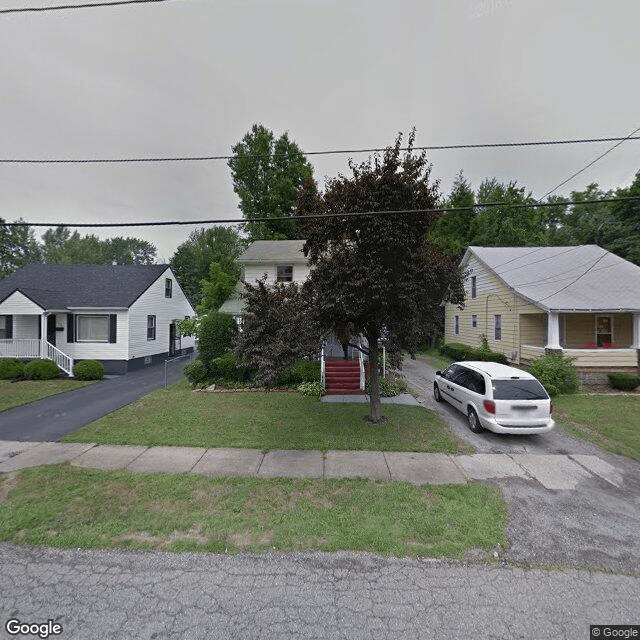
162 Federal Street Nw, Warren, OH 44483
To contact a resident: (330) 307-5850
For more information about senior living options: (866) 208-4318
Overall Review of Reginald's Home For Veterans
Pros
 The place is great, and Mike Thompson is a very great guy who goes the extra mile to help veterans.
- The facility is great for male veterans.
- It is a nice place to live.
- It has amazing resources.
Cons
 The place is terrible; vermin such as roaches and bedbugs have taken over the building.
- The management never answers the phone regarding housing inquiries.
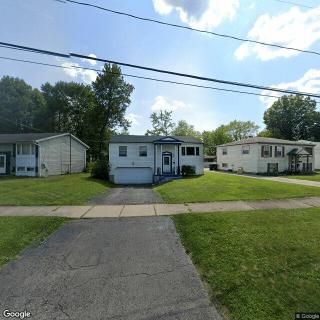
- The grounds are littered with trash and unkept.
- It is definitely an insult to honorable veterans.
- It is a place for people who like to suffer and be abused.
Review
Reginald's Home For Veterans in Warren, Ohio is best positioned for male veterans who want tangible, on-the-ground resources and a staff presence that can advocate on their behalf, even when the overall environment is imperfect. The most credible positives come from residents who notice practical supports and personal initiative from individuals such as a staff member who consistently goes the extra mile for veterans. When a veteran values access to veteran-focused programs and a site where a compassionate staffer can help navigate benefits, this community can feel like a workable match. Yet that value hinges on tolerating a less-polished setting and uneven administrative responsiveness. For families seeking a polished, seamless experience with a consistently responsive front office, Reginald’s Home For Veterans will not measure up.
Those who should seriously consider alternatives are families prioritizing cleanliness, reliable communication, and a consistently well-maintained property. Across multiple accounts, pest issues, roaches and bedbugs, are described as a pervasive problem, coupled with grounds that are unkempt and litter-strewn. The impression of neglect extends to the phone line, with repeated notes that calls go unanswered, leaving prospective residents and their families in the dark about housing inquiries or admissions. In short, the operational side of the community appears to struggle with basic upkeep and timely communication, which directly impacts safety, comfort, and trust. For families that cannot tolerate persistent maintenance gaps or delayed responses, this facility demands a second look or a search for alternatives with steadier administrative reliability.
On the upside, there are discernible strengths in the form of resources that the community claims to offer and in the presence of staff who demonstrate authentic dedication. Several reviewers flag meaningful veteran-focused resources and acknowledge staff members who actively assist and support residents. A notable staff connection, highlighted as someone going beyond the call of duty, helps to offset some of the harsher realities of the environment. The sentiment that the facility can be a positive place to live is echoed by remarks about its suitability for male veterans and a sense that, in the right hands, residents can access useful programs and services. These positives show that the operation has real potential when managed with attentiveness and commitment.
The central cons, however, tend to overshadow the positives and call into question long-term viability for most families. Pest infestations and unkempt grounds create daily living challenges that cannot be dismissed as minor. Sanitation concerns, coupled with the visible neglect of common areas, undermine dignity and safety, especially for residents with limited mobility or heightened susceptibility to pests. The unreliable phone access compounds frustration, making it harder to coordinate care, confirm beds, or arrange visits. When a facility signals pride in its veteran focus but cannot deliver basic hygiene, upkeep, and responsive communication, the overall experience becomes unpredictable and风险-prone. This mismatch between stated purpose and lived reality is a decisive factor for families weighing stability and quality of life.
The bottom line is that Reginald's Home For Veterans presents a mixed picture: genuine resources and occasional staff advocacy meet persistent, hard-to-ignore drawbacks. The strength lies in practical supports and a visible willingness to help; the weaknesses lie in pest problems, inconsistent groundskeeping, and persistent communication gaps that erode trust and daily quality of life. For families who value a straightforward path to veteran-specific resources and who can overlook or adapt to a rougher, less pristine environment, the option can still be viable with careful due diligence. For those seeking a consistently orderly setting, reliable front-d desk responsiveness, and a pest-free living space, it is prudent to look at other communities first. A decisive step is to schedule a thorough on-site tour, speak candidly with management about pest control and maintenance schedules, and verify accessibility and responsiveness by testing phone and in-person inquiries with real scenarios before committing.
 Board and Care Home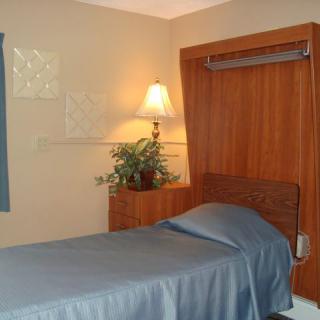


 Comprehensive Insights and Practical Strategies to Help Older Adults Avoid Falls
 6 Crucial Ways an Elder Law Attorney Assists Families
 Navigating the Tax Landscape of Caregiving: Credits, Deductions, and Beyond