
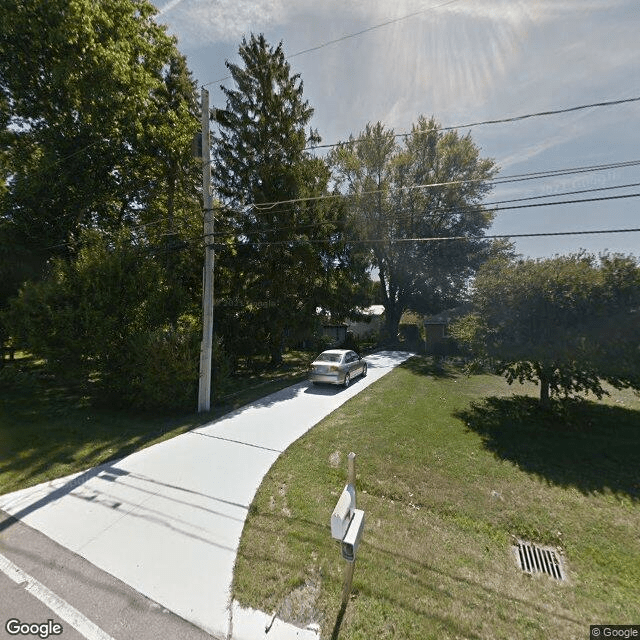
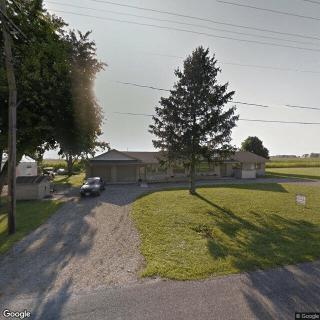
205 North Munson Rd, Swanton, OH 43558
To contact a resident: (614) 502-9162
For more information about senior living options: (866) 208-4318
Swan Creek Crossing Costs & Pricing
Swan Creek Crossing offers a competitive pricing structure for its residential units, particularly when viewed in the context of Lucas County and the broader Ohio market. For a one-bedroom apartment, residents can expect to pay $680 per month, significantly lower than the county average of $2,789 and the state average of $3,712. Similarly, two-bedroom apartments at Swan Creek Crossing are priced at $830 monthly, again offering substantial savings compared to Lucas County's average of $2,513 and Ohio's average of $3,501. This pricing not only reflects an attractive option for potential residents seeking affordability but also highlights Swan Creek Crossing's commitment to providing quality living spaces without compromising on value.
| Floor plans | Swan Creek Crossing | Lucas County | Ohio |
|---|---|---|---|
| 1 Bedroom | $680 | $2,789 | $3,712 |
| 2 Bedrooms | $830 | $2,513 | $3,501 |
Senior living communities with a similar price nearby
-
from -$130 / mo
Colonial Gardens Apartments
$550 to $660 / month15.0 miles away -
from -$111 / mo
The Residenz at Sylvania
$569 / month11.7 miles away -
from -$105 / mo

Arlington By the Lake
$575 to $650 / month16.1 miles away -
from -$121 / mo
Lakewoods Apartments
$559 to $678 / month16.1 miles away -
from -$91 / mo
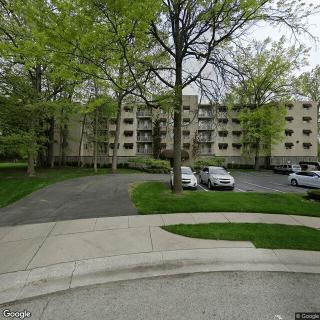
Regal Oaks
$589 to $650 / month15.6 miles away
Overall Review of Swan Creek Crossing
Pros
 The property is under new management.
- Trains run every 15 minutes, 24/7.
- The property sits about 1000 feet from the train line, offering easy access.
Cons
 It was the worst experience of his life due to a heat outage at 1:00 am.
- The space hovered around 43–50 degrees, making it extremely cold.
- Maintenance arrived late and could not fix the furnace.
- He was told to stay somewhere else, which he could not do because there was nowhere to go.
- The cold was unacceptable given his medical conditions.
- Management changes constantly and issues are never addressed.
- The non-smoking policy is not enforced and the complex is no longer cleaned or maintained.
- Trains run every 15 minutes, 24/7, just 1000 feet away, causing constant disruption under new management.
Review
Swan Creek Crossing is best suited for financially mindful adults aged 55 and over who want to stay in the Swanton area and prefer a straightforward, low-frills independent-living arrangement. The material from the reviews presents a clear reality: affordability and simplicity come at the cost of service reliability. This is not a high-support environment; seniors who require dependable heat, timely repairs, or robust on-site management should treat this as a red-flag location. Those with medical conditions, mobility challenges, or a sensitivity to cold will want to proceed with extreme caution, because the experiences described point to an unstable climate and uncertain responsiveness. In short, the community can serve a specific budget-conscious demographic, but only if stability and comfort are negotiable risks.
Pros are difficult to monetize against the weight of the negatives, and alternatives should be readily considered. For families aiming to minimize expenses while keeping a 55+ living option in the area, Swan Creek Crossing might seem attractive on price alone, provided the resident can absorb potential service gaps. The lack of strong, clearly demonstrated benefits in the available feedback means the decision hinges on tolerating inconsistency rather than embracing proven advantages. Those willing to accept the chance of turnover in management and a lean operation may find a short-term fit, but the long-term value is contingent on changes that current reviews suggest are not guaranteed.
The most consequential drivers of risk, heating reliability and maintenance responsiveness, overwhelm any minimal upside. A recurring theme across the reviews is heat outages that plunge units into the forties or fifties, with response times stretching from hours to unclear intervals. One account describes a 1:00 a.m. heat failure in frigid conditions and an overwhelmed path to repair, culminating in a suggestion that the resident “go stay somewhere” when no solution is available. Even when staff do show up, the underlying problem, an apparently unprepared maintenance core and unclear escalation, leaves residents vulnerable. In a climate where warmth affects health and safety, these episodes are a non-starter for prudent planning.
Added to this is the perception of unstable management and deteriorating upkeep. The word from residents is blunt: management changes constantly, and issues are “never addressed.” The alleged erosion of cleanliness and maintenance signals a broad pattern of neglect rather than episodic lapses. A non-smoking policy that is “not enforced” compounds the sense of lax governance. Coupled with the complaint that the complex itself is no longer cleaned or maintained, the living environment becomes unpredictable, and trust erodes quickly. The proximity of noisy trains only compounds daily stress, turning what could be a quiet, residential setting into a continuous disturbance for some residents.
Taken together, these factors form a clear decision framework. For families evaluating Swan Creek Crossing, the core question is whether the budget savings justify exposure to recurring cold, slow repairs, and a management structure that appears unstable. If heat reliability, timely maintenance, and consistent policy enforcement are non-negotiable, the prudent choice is to look elsewhere. If, however, the household can tolerate a lean operation and is prepared with contingency plans for outages, Swan Creek Crossing could be considered, with explicit expectations confirmed in writing and a careful, proactive approach to monitoring service levels.
In a practical plan, prospective residents should treat this as a high-risk vote. Begin with a candid ask: what is current management tenure, what exact maintenance response times are guaranteed, and how is non-smoking policy enforced now? Arrange visits at different hours to assess responsiveness and noisy weekday/weekend conditions. Speak directly with multiple residents about heat reliability, housekeeping, and any recent repairs. Verify the latest lease terms, what maintenance personnel are onsite, and whether there is a formal service-level agreement. If those checks reveal stability and reliable service, Swan Creek Crossing could fit; if not, the search should continue toward communities with documented, uninterrupted heat, cleaner upkeep, and steadier governance.
 Active Adult Communities (55+)
 Toledo Express (5 miles away)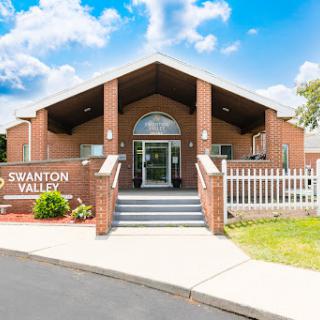

 A Detailed Examination of Nursing Home Costs Across the U.S.
 Exploring Nonmedical Home Care: Understanding Services, Costs, and Financial Approaches
 Engaging Brain Games and Innovative Apps to Keep Senior Minds Active