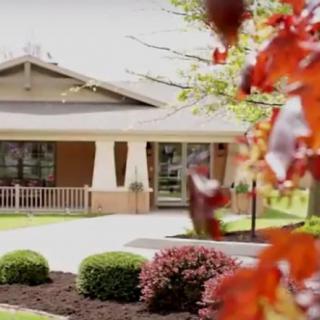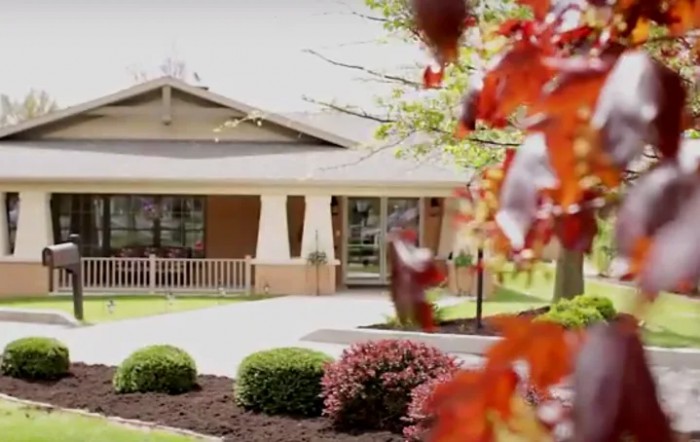
420 East 4th Street, Spencerville, OH 45887
For more information about senior living options: (866) 208-4318
Overall Review of Roselawn Manor
Pros
 Roselawn is described as a second home where lifelong friendships form among staff, residents, and their families.
- The Roselawn community is characterized by a big family atmosphere and outstanding support.
- Roselawn is considered the best facility by far, with a very clean environment and knowledgeable rehab techs who provide strong encouragement.
- The staff at Roselawn are noted for taking excellent care of residents.
- People would not hesitate to return to Roselawn if they needed services again.
Cons
 The staff are unprofessional.
- There is no backbone or support from the management team.
- The facility is run by young adults.
- Roselawn would not be recommended for the elderly or anyone needing care.
- Roselawn is about money, not true care or concern for humans (family).
Review
Roselawn Manor in Spencerville is best suited for seniors who want a warm, family-style environment where people are known by name and meaningful relationships inform daily care. The community excels for residents who need rehabilitation-centered support and who value personal attention over a sterile, impersonal setting. Longtime residents describe a second-home feeling and a culture of connection, where staff know families and peers, and where the atmosphere supports social ties that can ease the transition into care. A resident who has treated the place as a second home for nearly 27 years signals deep relational continuity that benefits those who thrive on familiarity and consistent, caring interactions.
However, Roselawn may not be the right fit for families seeking flawless professional governance and unwavering administrative backing. A subset of experiences points to inconsistent professionalism and limited managerial backing, with some residents and families perceiving that therapy and daily operations are constrained by leadership decisions rather than clinical need. For seniors who require rigorous oversight, rapid problem-solving, and a uniformly professional environment, alternatives with stronger standardized processes and more experienced administrative teams may be preferable.
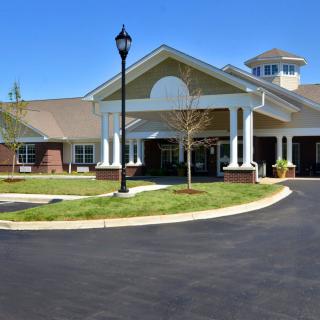
On the positive side, the facility earns credibility through a well-maintained, clean environment and rehab teams that are knowledgeable and proactive. Rehab staff are described as capable and motivating, with residents feeling that therapy progress comes from dedicated, well-trained techs who push for improvement. The overarching sense of community and the long-standing relationships across staff and residents also contribute to consistent social engagement and a sense of safety in routine. When care plans lean on staff familiarity and cohesion, meaningful progress is achievable despite other shortcomings.
Yet the most apparent concerns center on leadership and its influence over care. Reports of unprofessional behavior, a perceived lack of backbone from management, and the notion that the facility is driven more by financial considerations than compassionate care create an uneasy baseline. Therapy access and direction can appear contingent on administrative approval rather than clinical need, which introduces variability in what residents experience day to day. These dynamics do not erase the rehab strengths, but they do erode confidence for families who rely on steady, unambiguous care decisions.
Practical decision steps emerge from weighing the trade-offs. If the priority is rehab success, warmth, and a community that feels like family, Roselawn stands out as a strong option, provided that expectations about management oversight and therapy pathways are clarified upfront. Prospective families should ask to speak with the director of nursing and the therapy coordinator, request a current care plan, and review staffing patterns, turnover, and response times to concerns. Scheduling a thorough tour that includes conversations with current residents and their families will illuminate whether daily life aligns with the anticipated level of professionalism and care.
Bottom line: Roselawn Manor suits residents who thrive in a close-knit, relationship-driven setting and who can function well within a rehab-forward model. It delivers warmth, continuity, and capable rehabilitation when administrative gates allow therapists to work without undue constraint. For seniors who require consistently aggressive professional oversight, or who need uniformly seamless management and decision-making, alternatives with steadier governance and fewer reports of managerial friction should be considered. The choice hinges on whether the heart of care, meaningful connections and effective rehab, can coexist with the level of administrative consistency desired by families.
 17 resident community capacity
 Assisted Living
 Board and Care Home
 Skilled Nursing Facility
 Cable or satellite TV
 Dining room
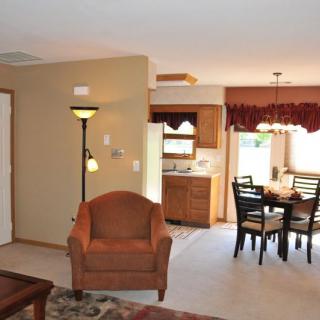
 Fully furnished
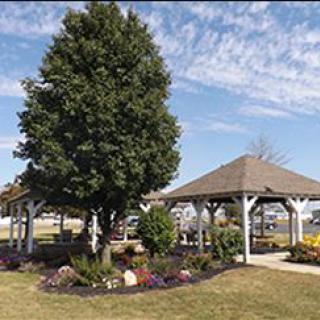
 Garden
 Housekeeping services
 Move-in coordination
 Outdoor space
 Telephone
 Wi-Fi/high-speed internet available
 24-hour supervision
 Activities of daily living assistance
 Assistance with bathing
 Assistance with dressing
 Assistance with transfers
 Diabetes diet
 Meal preparation and service
 Medication management
 Special dietary restrictions
 Transportation arrangement (medical)
 Transportation to doctors appointments

 Funding and Affording Assisted Living: A Thorough Overview
 Assisted Living Expenses and Long-Term Care Insurance: A Comprehensive Exploration
 Securing Financial Support for Assisted Living: A Comprehensive Overview