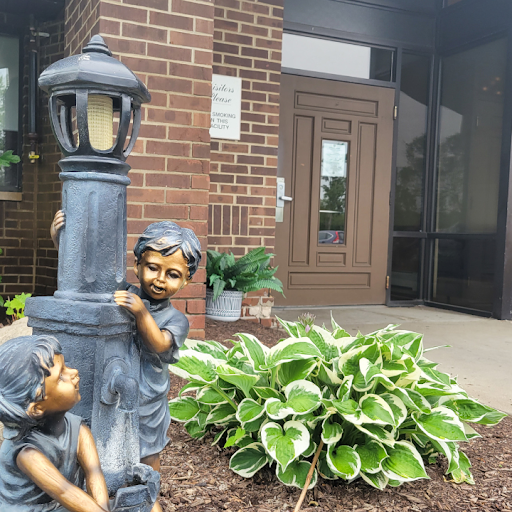
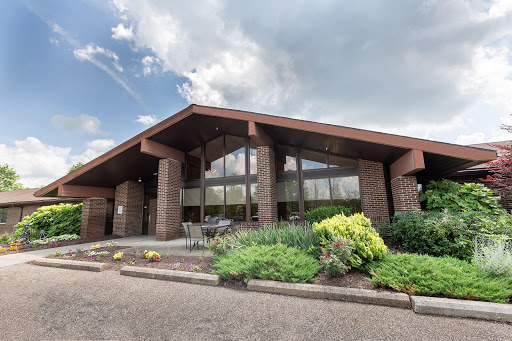
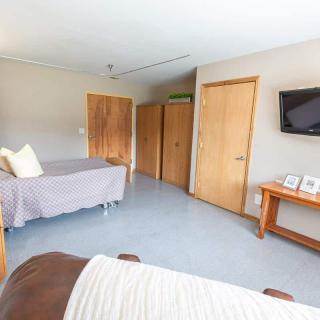
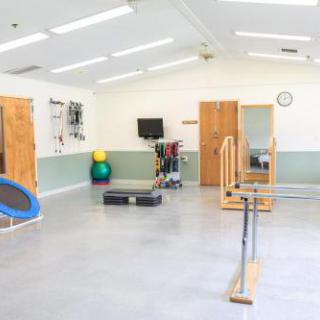
100 Reservoir Road, Saint Clairsville, OH 43950
For more information about senior living options: (866) 208-4318
Overall Review of Continuing Healthcare At Forest Hill
Pros
 Jordan was the nurse who took time to explain what was happening and really cared.
- The staff are pleasant, and the facility is clean and neat.
- The staff are really nice and friendly, and the residents are genuine.
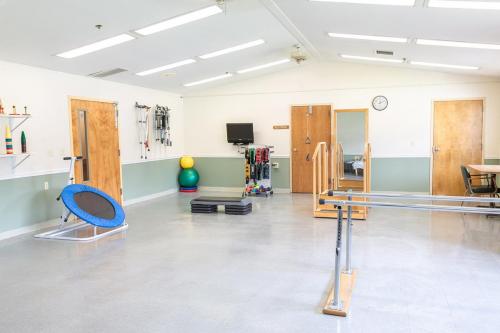
- The physical therapy department seems to care about each resident.
- There are plenty of activities for residents, and the reviewer’s grandmother was very happy there.
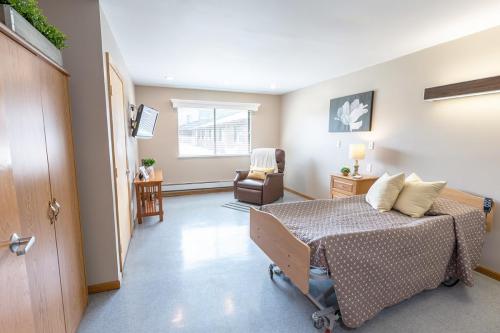
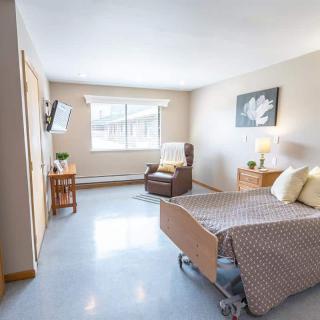
- The bed sheets are always clean and the rooms are tidy.
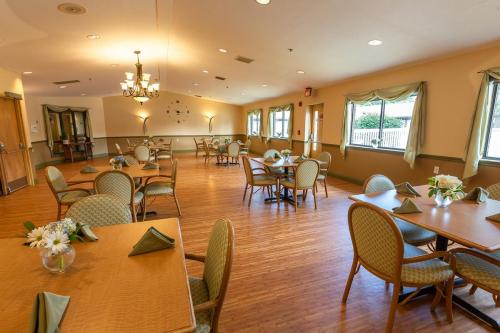
- The facility offers meal alternatives for each meal, which is a plus.
- Beacon House is recommended to others.
Cons
 The facility leaves patients on a bedpan for three hours.
- It serves meals with no utensils and prevents patients from reaching the call button, forcing them to eat with their hands.
- The reviewer intends to report these issues to the state.
- Nurses refuse to take calls, and UTIs go untreated with UA tests delayed.
- The director of nursing won't take calls.
- Nurse Stephanie is said to have no concern for patients and delays UA tests for days.
- A grandmother was hurt after 13 hours there and required ambulance transport.
- The reviewer urges others not to take their loved ones there.
Review
Continuing Healthcare At Forest Hill in Saint Clairsville is best suited for families seeking a rehab-oriented environment with a mostly friendly, engaged staff and a clean, active atmosphere. This community works best for residents who can tolerate a variable level of clinical oversight and who are willing to advocate proactively to ensure medical needs are met. The facility seems to deliver on warmth, housekeeping, and social programming, which can be a meaningful backdrop for recovery or short-term stay. However, it is not the right fit for those who require consistently punctual medications, rapid response to medical concerns, and diligent infection control without close oversight. For families prioritizing reliability in clinical management over a pleasant milieu, alternatives with stronger track records in medical responsiveness should be on the short list.
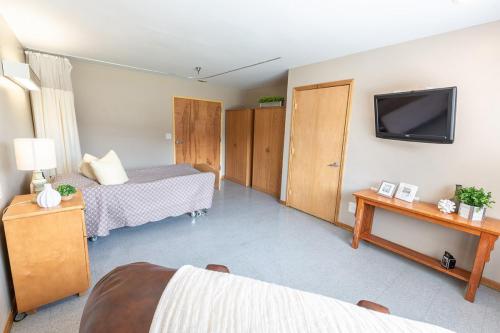
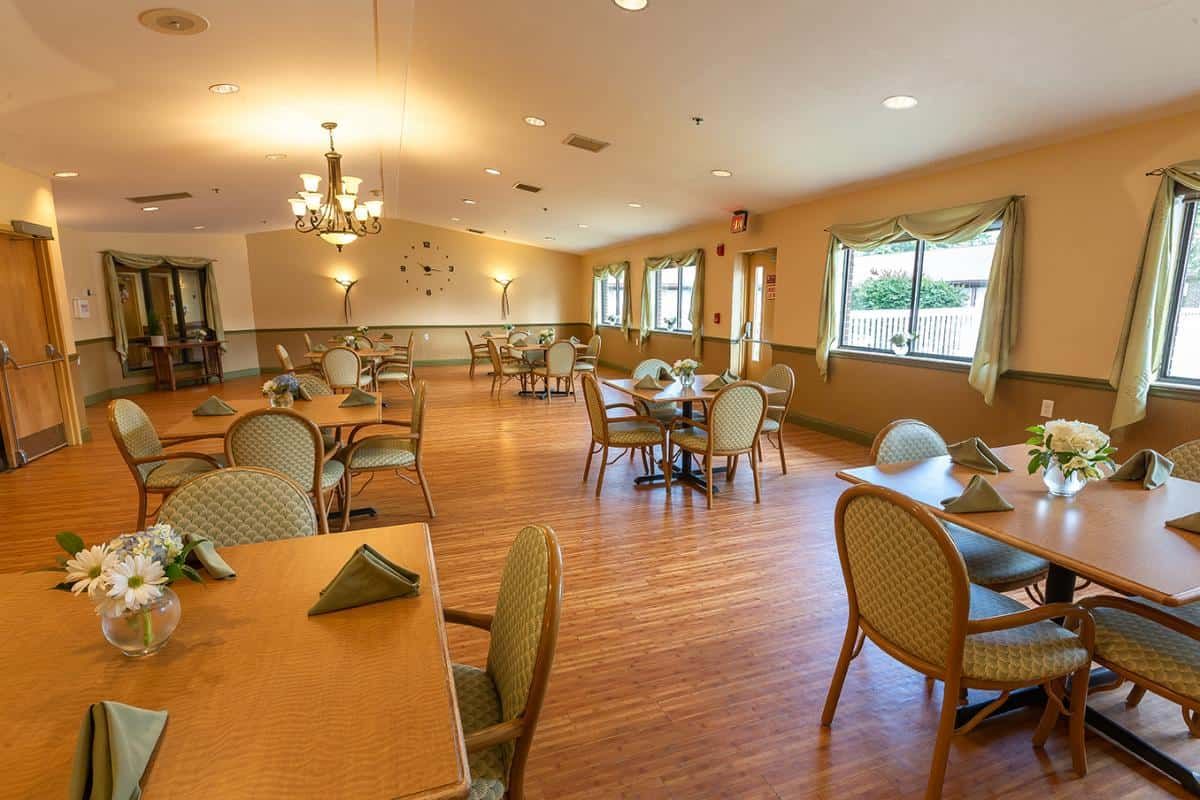
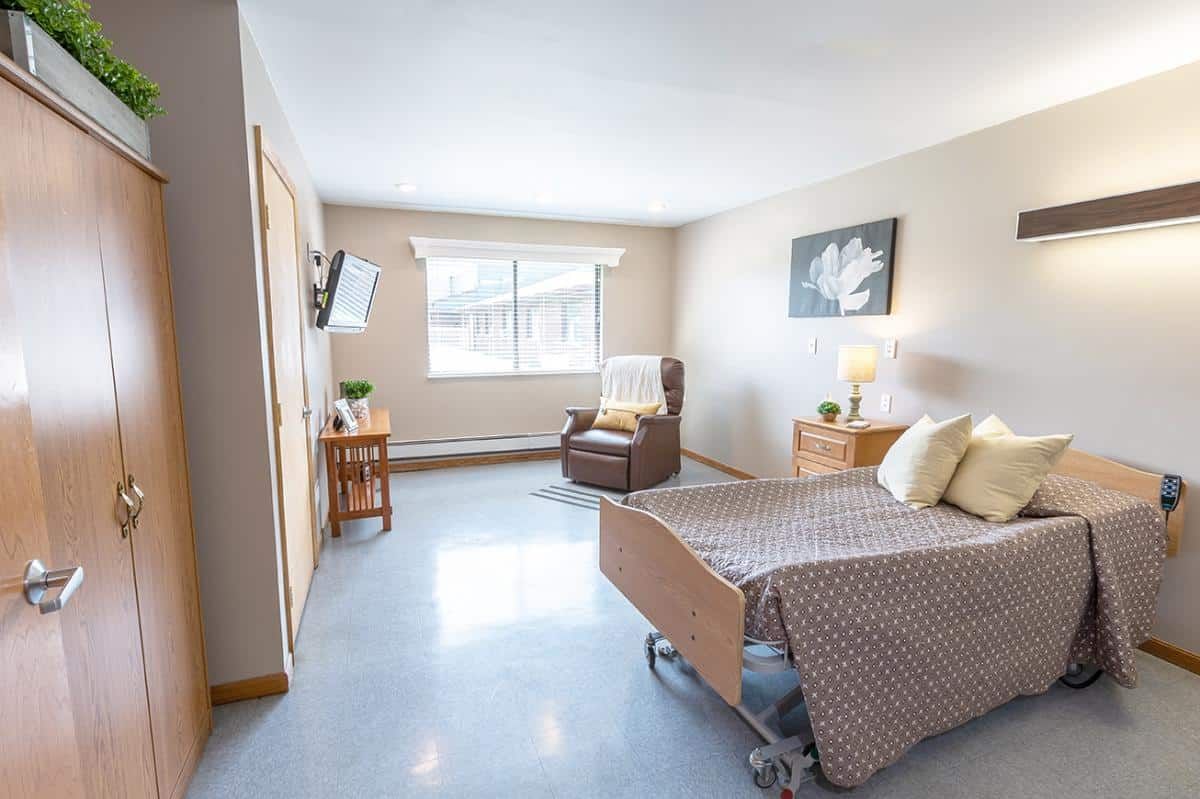
On the upside, several reviewers highlight tangible positives that matter in everyday life. The staff is frequently described as pleasant, friendly, and approachable, with particular note given to the physical therapy team that appears genuinely invested in residents’ progress. Cleanliness stands out in multiple accounts, with tidy rooms and well-kept surroundings helping to create a reassuring environment for recovering patients and their families. Residents themselves come across as agreeable and engaged, and some families appreciate the extra touches, like available meal alternatives and a generally warmer atmosphere compared with other facilities. These strengths, cordial staff, a hospitable setting, and a PT emphasis that seems to care, provide real value when daily comfort, activity engagement, and rehabilitative interaction are the priorities.
Yet the most consequential narratives center on lapses in care that overshadow the positives. One pattern runs through several reviews: delays and gaps in essential medical practices, ranging from timeliness of medications to routine assessments. Reports of bedpan neglect for extended periods, and patients or families unable to reach a call button or obtain prompt assistance, strike at the heart of safety in a care setting. Equally troubling are accounts of UTIs and related delays in diagnostic testing, with some reviewers alleging that nurse responsiveness and administrative follow-through were insufficient to address urgent concerns. There are pointed accusations about a director of nursing who would not return calls, and even a named staffer described as lacking concern for patients. Taken together, these experiences sketch a risk profile that cannot be ignored when evaluating overall quality.
While some reviewers insist the facility is a decent option with no major, systemic failures, the weight of the negative experiences cannot be dismissed. The contrast between friendly, attentive bedside manners and serious gaps in clinical responsiveness creates a divided picture: pleasant days and helpful conversations coexist with fear that medical needs may be missed or delayed. In rehab-focused stays, where timely pain control, mobility support, and post-surgical care are critical, such inconsistencies undermine confidence and predictability. The result is a facility that can feel reliable on the surface yet fall short when the stakes are medical and urgent. For families with high expectations for medical governance, the cons substantially offset the pros.
To reduce risk and align expectations, a practical, proactive screening approach is essential. Prospective residents or their families should demand transparency on core metrics before admission: average and median response times to call bells, consistency of medication administration, rate of on-time treatments and therapies, and how quickly UTIs or other acute concerns are triaged. Tours should include conversations with multiple shifts of staff, the director of nursing, and current residents or families who have recent, ongoing experiences. Request concrete examples of care plans, discharge planning, and follow-up after rehab milestones. It is prudent to review state inspection reports and to visit with the rehab team to confirm that protocols are in place for timely assessments after surgery or new diagnoses. These steps help separate the reputation of a friendly environment from the realities of clinical vigilance.
Bottom line: Continuing Healthcare At Forest Hill can be a practical choice for families prioritizing a welcoming atmosphere, social engagement, and a rehabilitative vibe, especially where a resident thrives with staff warmth and ongoing PT attention. However, the prominent concerns about medical responsiveness and care timeliness tilt the balance toward alternatives for anyone with serious needs for reliable clinical oversight and rigorous infection management. If the search leans toward strong nursing governance and consistently prompt med passes, it is wise to compare with facilities that have sturdier track records in those areas. For families willing to advocate and monitor care, while valuing a pleasant, active living environment, Forest Hill remains a viable option worth visiting, but only after a rigorous, criteria-driven assessment that prioritizes medical reliability as a non-negotiable baseline.
 62 resident community capacity
 Assisted Living
 Continuing Care Retirement Community (CCRC)
 Memory Care
 Skilled Nursing Facility
 Air-conditioning
 Beauty salon
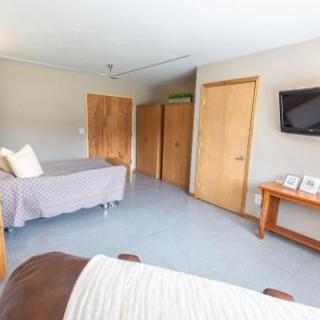
 Cable or satellite TV
 Computer center
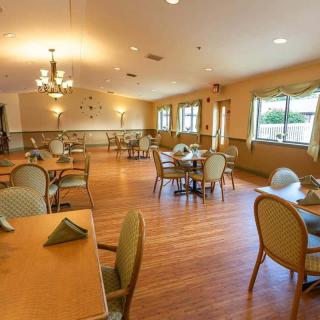
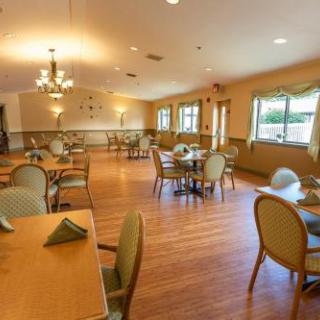
 Dining room
 Fitness room
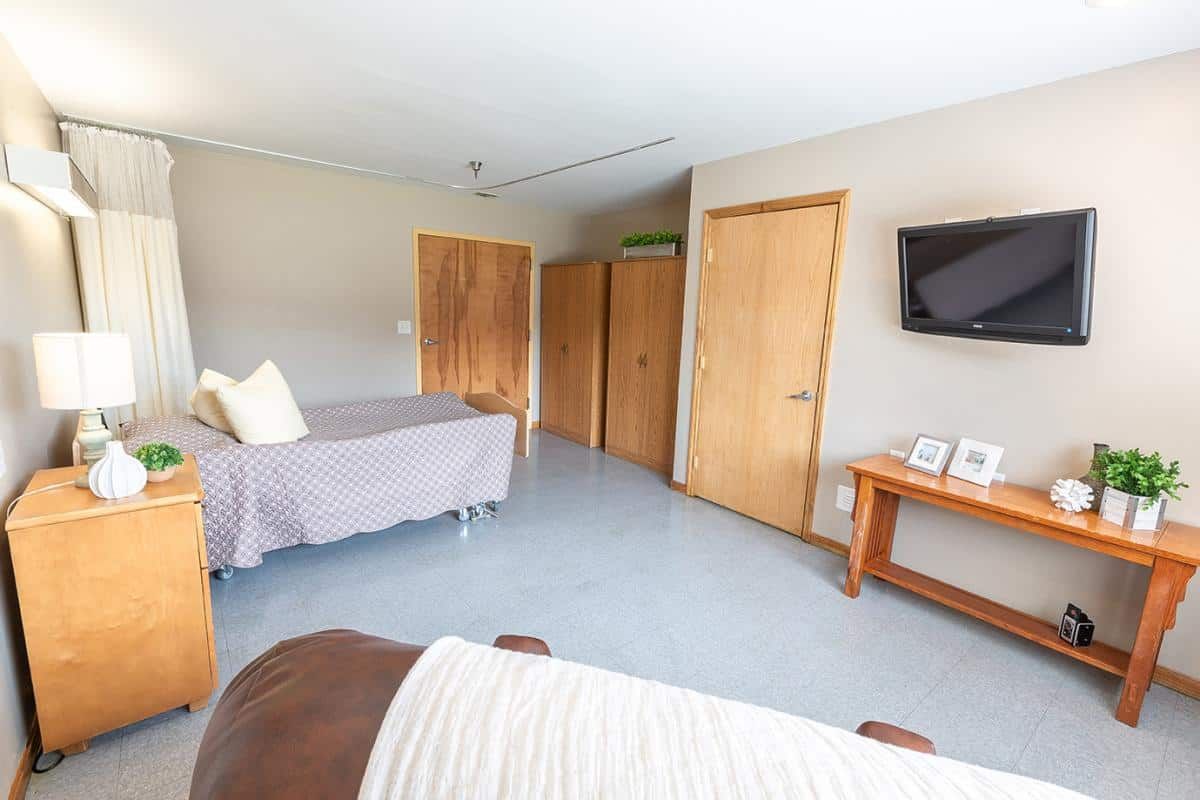
 Fully furnished
 Gaming room
 Garden
 Housekeeping services
 Kitchenette
 Move-in coordination
 Outdoor space
 Private bathrooms
 Restaurant-style dining
 Small library
 Telephone
 Wellness center
 Wi-Fi/high-speed internet available
 Community operated transportation
 12-16 hour nursing
 24-hour call system
 Activities of daily living assistance
 Assistance with bathing
 Assistance with dressing
 Assistance with transfers
 Diabetes diet
 Medication management
 Mental wellness program
 Special dietary restrictions
 Concierge services
 Planned day trips

 Comprehensive Insights on the Late Stages of Dementia: What to Expect and How to Provide Care
 Medications Associated with Dementia Risk: A Comprehensive Overview
 Guiding Your Journey: Understanding Power of Attorney for Elderly Parents