
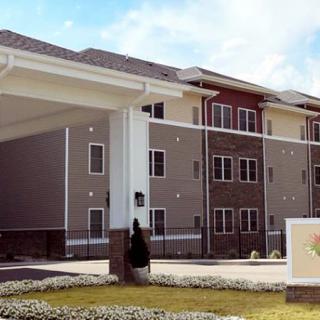
51999 Guirino Drive, Saint Clairsville, OH 43950
For more information about senior living options: (866) 208-4318
Overall Review of Belmont Manor
Pros
 The staff went out of their way to keep her comfortable, providing attentive and compassionate care.
- The staff put quality of life into her final days, for which the family is grateful.
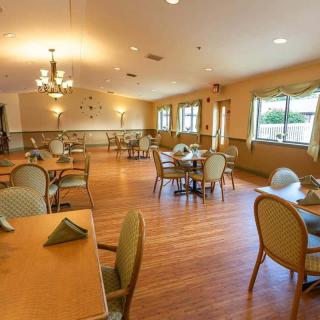
- Belmont Manor is clean, well organized, and has a pleasant layout.
- There are many activities available for residents.
- Meals are well supervised and served in a cafeteria-like environment, with meals tailored to each resident’s dietary needs.
- Residents are checked on often and seem very happy.
- The facility offers hair services by a visiting beautician.
- Family members can take residents on day outings, adding to the sense of community.
- Overall, Belmont Manor is a very wonderful community.
Review
Belmont Manor is best suited for families seeking a compassionate, hands-on assisted-living environment where daily care feels personal and staff invest in residents’ comfort and dignity. The facility reads as clean, well organized, and thoughtfully laid out, with a routine that supports safety and familiarity. The strongest testament comes from a family member who watched aides and nurses go beyond the basics, talking with and comforting their loved one to preserve quality of life in difficult days. For families facing end-of-life decisions, Belmont Manor demonstrates that practical care and human presence can meaningfully ease the burden and honor the resident’s dignity.
Those weighing options should note a clear caveat: the reviews do not describe a dementia-dedicated program or a memory-care wing. Families needing around-the-clock medical oversight for high-acuity conditions or specialized dementia care should consider alternatives with a stronger memory-care focus or hospital-like medical resources. Likewise, if the priority is a broader medical footprint, more on-site physicians, therapists, or rapid access to acute services, it is prudent to compare Belmont Manor with peers that advertise these capabilities more explicitly.
The main pros here, cleanliness, organization, and a welcoming layout, meaningfully offset potential drawbacks through a sustained emphasis on safety and daily structure. Residents are checked on frequently, and staff interactions carry warmth that translates into a dependable sense of security for families. Nutrition stands out as a practical strength: meals are supervised, tailored to dietary needs, and served in a way that preserves autonomy and dignity. This combination of diligence and personal attention creates a stable, reassuring environment where routine becomes a stabilizing factor.
Equally persuasive is the community’s emphasis on social and lifestyle engagement. A robust activity lineup, bingo, games, crafts, pairs with amenities like a visiting beautician and regular opportunities for day trips with family. Such offerings help residents maintain identities, sustain relationships, and avoid the isolation that can accompany aging in place. For families, the ability to participate in outings and interact with staff transparently builds trust and reduces the anxiety that often accompanies placement, reinforcing the sense that Belmont Manor is a home rather than a institution.
However, the limited number of reviews means caution when projecting consistency over time. The absence of detailed information about rehab services, around-the-clock medical staffing, and dementia-specific programming leaves open questions that matter to budgeting and long-range planning. Prospective residents should request current staffing ratios, a clear menu of therapeutic services, and a concrete plan for memory-care needs should they arise. Without these specifics, the decision risks relying on impression rather than a full service map.
Overall, Belmont Manor delivers warmth, reliability, and a well-managed environment that can substantially ease caregiving burdens while preserving dignity and social engagement. For families prioritizing personal attention, steady staff presence, and an active daily life, it stands out as a strong option in Saint Clairsville. Those seeking advanced medical management, dementia-focused programming, or a broader hospital footprint should consider alternatives with more explicit capabilities. The strong points, compassionate care, individualized nutrition, and a genuinely family-friendly culture, provide substantial justification to move forward, provided questions about medical capabilities and memory-care options are answered with a concrete plan before move-in.
 11 resident community capacity
 Assisted Living
 Board and Care Home
 Memory Care
 Skilled Nursing Facility
 Cable or satellite TV
 Dining room
 Fully furnished
 Garden
 Housekeeping services
 Move-in coordination
 Outdoor space
 Telephone
 Wi-Fi/high-speed internet available
 24-hour supervision
 Activities of daily living assistance
 Assistance with bathing
 Assistance with dressing
 Assistance with transfers
 Diabetes diet
 Hospice waiver
 Meal preparation and service
 Medication management
 Mental wellness program
 Special dietary restrictions
 Transportation arrangement (medical)
 Transportation to doctors appointments



 Nourishing the Mind: Essential Dietary Approaches for Dementia
 Understanding Dementia Behaviors: Practical Insights and Strategies for Caregivers
 When Dementia Sparks Anger and Aggression: Understanding the Connection and Ways to Cope