For more information about senior living options: (866) 208-4318
4 from 86 reviews
5 stars
36
4 stars
34
3 stars
2
2 stars
4
1 stars
10
Bickford of Rocky River Costs & Pricing
Bickford of Rocky River offers competitive pricing for its residents compared to the broader Cuyahoga County and the state of Ohio. For a semi-private room, Bickford charges $3,042, which is notably lower than the county average of $3,582 and significantly below Ohio's average of $3,965. The studio option is priced at $3,346, again offering savings against county and state figures of $3,632 and $3,727 respectively. In the one-bedroom category, while Bickford's rate stands at $3,954 - slightly above the county average of $3,410 - it remains comparable to the statewide average of $3,712. Overall, Bickford of Rocky River presents an attractive value proposition within its market segment.
Floor plans
Bickford of Rocky River
Cuyahoga County
Ohio
Semi-Private
$3,042
$3,582
$3,965
Studio
$3,346
$3,632
$3,727
1 Bedroom
$3,954
$3,410
$3,712
Skilled Nursing Facilities with a similar price nearby
Several reviewers call the community very expensive or overpriced.
A couple of reviews mention the cost as a major drawback, using wording like very expensive and way overpriced. Those comments also show up alongside concerns about value when compared with what families saw during tours and day-to-day fit.
caveat2 reviews mention this
Stairs and elevator timing concerns
Touring reviewers raised concerns about stairs and elevator convenience.
Two tour reviews describe the building as having stairs and only one elevator, and they felt the elevator was too slow and the space too limited for their needs. They also said it felt darker and that it wasn’t a good fit for someone who can’t do stairs.
caveat3 reviews mention this
Memory care fit felt unclear
Reviewers said it was hard to tell the memory care setup or separation.
One reviewer who toured for respite said they needed the memory care unit to be locked down and described the tour details they were shown, including meals and activities. Another review said they couldn’t tell the difference between assisted living and memory care and that there was no separation they could see, which contributed to the tour not working for them. Together, residents’/tourers’ experiences suggest the memory care environment may feel unclear based on what people can observe during a visit.
common3 reviews mention this
Food quality gets repeated praise
Residents and families frequently comment on the quality of the meals.
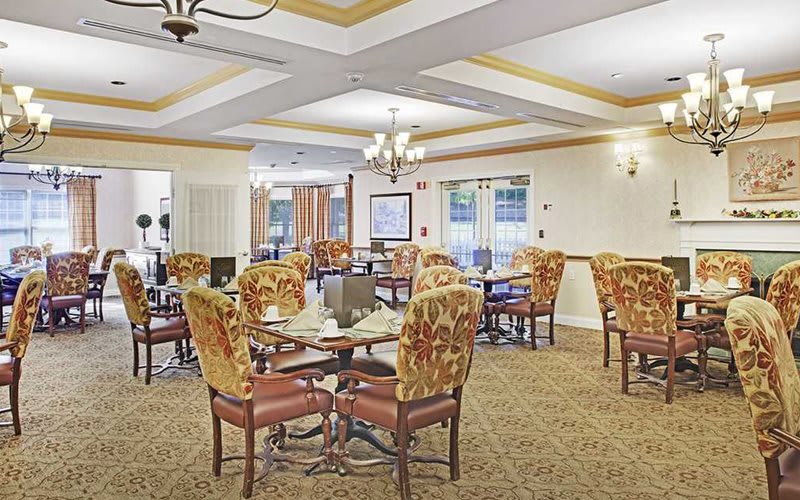
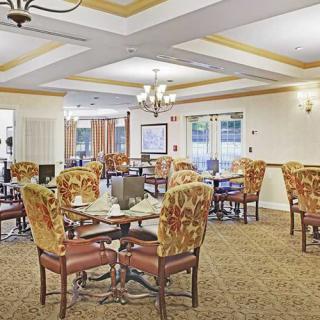
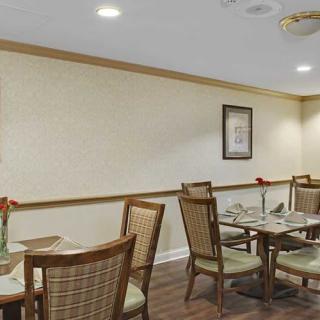
Multiple reviews say the food is excellent or really good, including one comment that the dining room is very nice. Another review notes that even a picky eater was surprisingly satisfied with meals, reinforcing that food quality is a point families notice. This aligns with the community offering restaurant-style dining along with room service and guest meals.
How we summarize
Counts show how many written reviews mention each theme; a review can touch several themes, and only frequently mentioned themes are displayed.
Features
Housing
72 resident community capacity
1-bedroom apartments
Studio apartments
Types of Care
Assisted Living
Memory Care
Respite Care
Skilled Nursing Facility
Pets
Cats allowed
Dogs allowed
Amenities
Activities off-site
Activities on-site
Air-conditioning
Bath tubs
Beautician on-site
Beauty salon
Cable or satellite TV
Computer center
Devotional services off-site
Devotional services on-site
Dining room
Fitness room
Fully furnished
Gaming room
Garden
Ground floor units
Guasts at mealtime
Handicap accessible
Housekeeping services
Indoor common areas
Kitchenette
Move-in coordination
Outdoor common areas
Outdoor space
Party space
Private bathrooms
Respite or short term stays offered
Restaurant-style dining
Small library
Telephone
Wellness center
Wheelchair accessible showers
Wi-Fi/high-speed internet available
Transportation
Cleveland-Hopkins International (4 miles away)
Community operated transportation
Transportation & parking
Transportation arrangement
Transportation arrangement (non-medical)
Transportation to doctors appointments
Care Services
12-16 hour nursing
24-hour call system
24-hour supervision
Activities of daily living assistance
Assistance with bathing
Assistance with dressing
Assistance with transfers
Diabetes diet
Diabetic care
Incontinence care
Meal preparation and service
Medication management
Mental wellness program
Mild cognitive impairment
Personal care assistants
Special dietary restrictions
Specialized memory care programming
Walking wheelchair assistance
Dining
Anytime dining
Diabetes diet
Guest meals
International cuisine
Kosher
Low / no sodium
Low fat
Meals provided
No Sugar
Restaurant style dining
Room service
Special dietary restrictions
Special dining programs
Vegan
Vegetarian
Activities
Activities off-site
Art classes
Bible study group
Catholic services
Community-sponsored activities
Concierge services
Cooking classes
Day trips and outings
Devotional activities offsite
Devotional activities on-site
Fitness programs
Karaoke
Live well programs
Other religious services
Planned day trips
Protestant services
Religious services
Resident-run activities
Scheduled daily activities
Visiting chaplain or priest
Wine tasting
Languages Spoken
English
Nearby Places of Interest
This area of Rocky River, Ohio is a convenient and bustling community with easy access to essential amenities such as pharmacies, cafes, parks, restaurants, physicians, hospitals, transportation options, theaters, and places of worship. With multiple pharmacies nearby like Walgreens and CVS Pharmacy within a short distance, residents can easily access their medications and health care needs. There are also several cafes like Starbucks and Panera Bread for socializing or enjoying a hot beverage. The neighborhood boasts numerous parks including Bohlken Park and Lakewood Park for outdoor activities and relaxation. Residents can dine at various restaurants such as Mitchell's Ice Cream or Panini's Bar and Grill. Medical services are readily available with healthcare providers like Orthopedic Associates Westlake and Cleveland Clinic - Fairview Hospital in close proximity. Additionally, there are transportation options like rental car centers for travel convenience. Overall, this vibrant community offers a diverse range of amenities to support an active senior lifestyle.
Pharmacies
Walgreens (0.8 miles)
Marc's Stores (1 miles)
CVS Pharmacy (1.1 miles)
Walgreens (2.5 miles)
Marc's Stores (2.6 miles)
Rite Aid (2.7 miles)
Walgreens (2.8 miles)
Cafes
Starbucks (0.9 miles)
Panera Bread (1.1 miles)
Starbucks (3.1 miles)
Rising Star Coffee Roasters (3.9 miles)
Starbucks (4.8 miles)
Starbucks (5 miles)
Starbucks (5.1 miles)
Parks
Bohlken Park (1.1 miles)
Tri-City Park (1.5 miles)
Metroparks Rocky River Reservation North (1.7 miles)
Niagara Park (2.2 miles)
Bain Park (2.3 miles)
Lakewood Park (3.6 miles)
Rocky River Reservation (4.7 miles)
Restaurants
Mitchell's Ice Cream (1.1 miles)
Wine Bar Rocky River (1.2 miles)
Panini's Bar and Grill (1.2 miles)
Joe's Deli & Restaurant (1.3 miles)
First Watch (1.3 miles)
The Avenue Tap House (2 miles)
McDonald's (2.6 miles)
Physicians
Orthopedic Associates Westlake (1.8 miles)
North; Shore Gastroenterology & Endoscopy Center (2.2 miles)
Bickford of Rocky River offers competitive pricing for its residents compared to the broader Cuyahoga County and the state of Ohio. For a semi-private room, Bickford charges $3,042, which is notably lower than the county average of $3,582 and significantly below Ohio's average of $3,965. The studio option is priced at $3,346, again offering savings against county and state figures of $3,632 and $3,727 respectively. In the one-bedroom category, while Bickford's rate stands at $3,954 - slightly above the county average of $3,410 - it remains comparable to the statewide average of $3,712. Overall, Bickford of Rocky River presents an attractive value proposition within its market segment.
Bickford of Rocky River is designed to create a nurturing environment for residents with memory challenges, facilitated by comprehensive 24-hour supervision that ensures safety and immediate support. The assistance provided with activities of daily living, including bathing, dressing, and transfers, helps maintain residents' dignity while promoting physical well-being. Incontinence care further enhances comfort, allowing residents to feel secure in their surroundings. The meal preparation and service cater to nutritional needs while fostering social interaction during mealtimes, which is vital for mental engagement. Medication management ensures adherence to prescribed treatments essential for cognitive health. Additionally, the mental wellness program and specialized memory care programming are tailored specifically to support individuals at various stages of cognitive impairment, helping them engage meaningfully while addressing their unique needs. Together, these features create a holistic approach that promotes both physical comfort and emotional stability for those living with dementia or Alzheimer's disease.
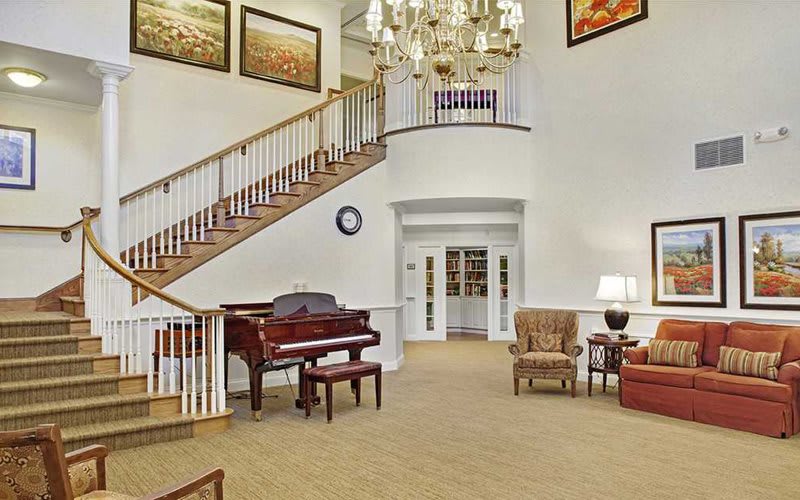
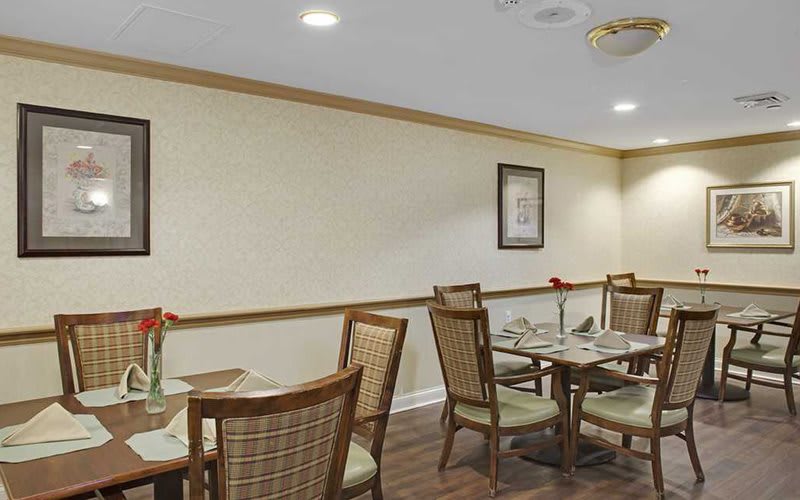
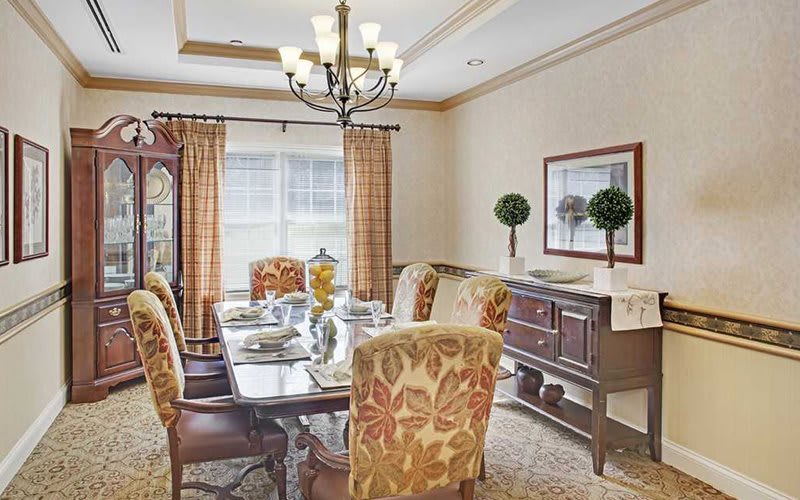
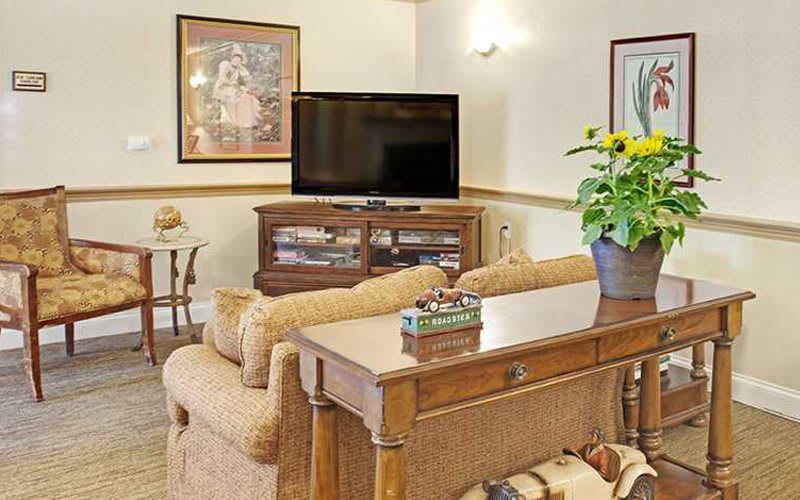
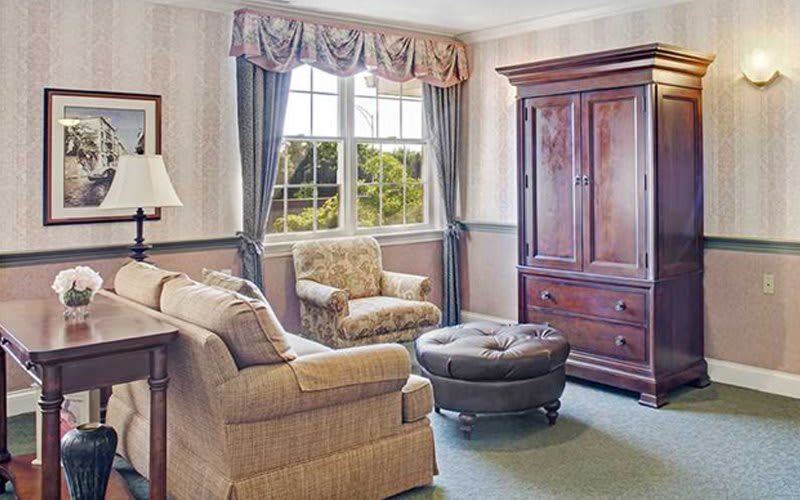
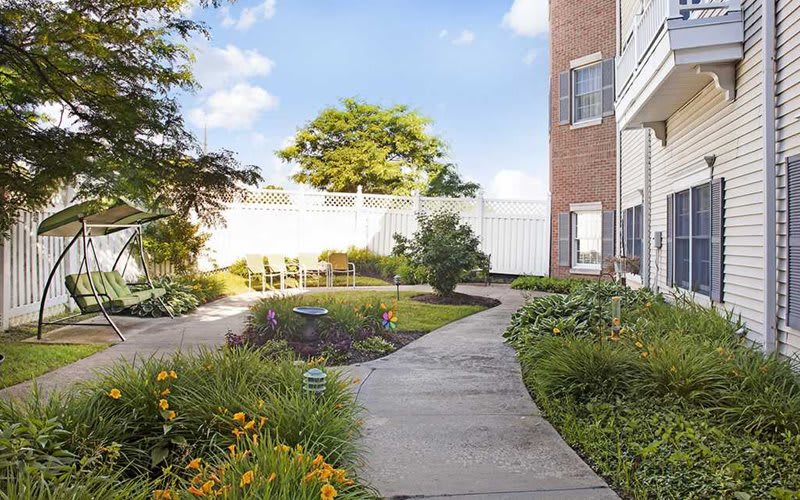
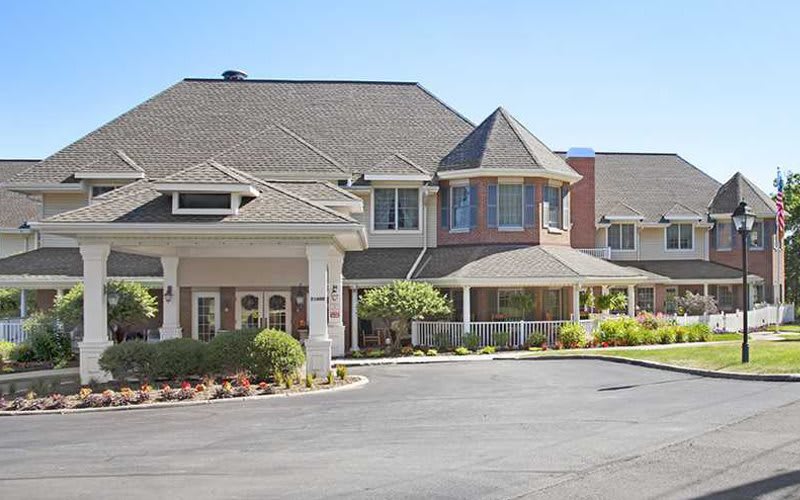
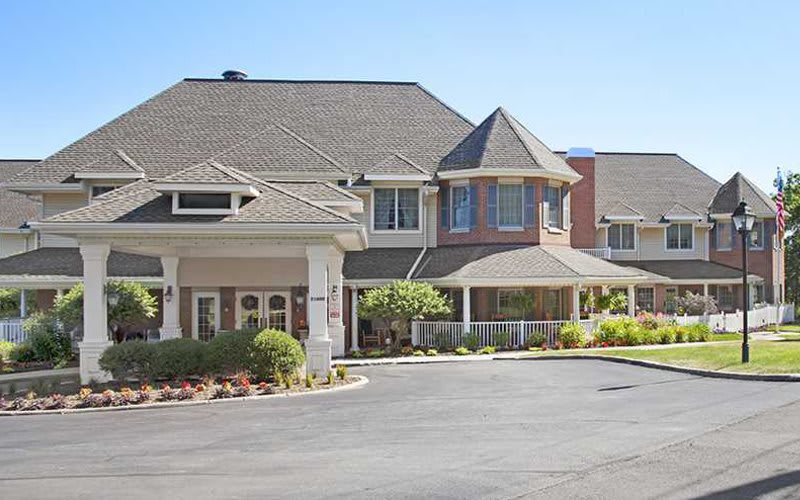
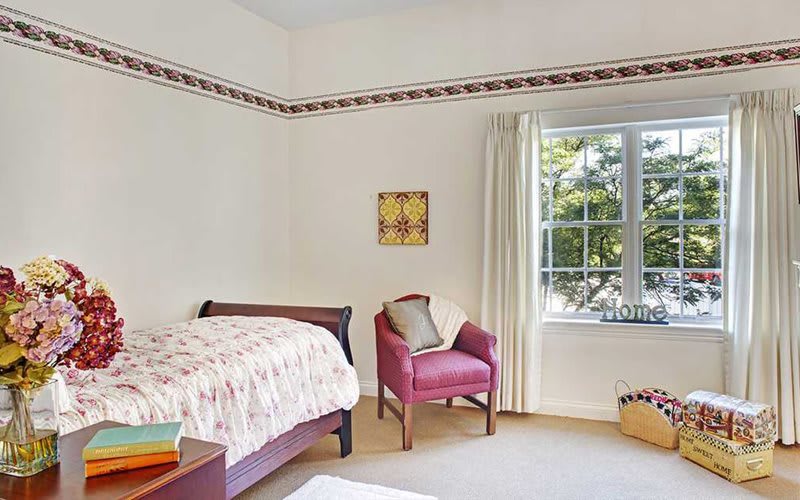
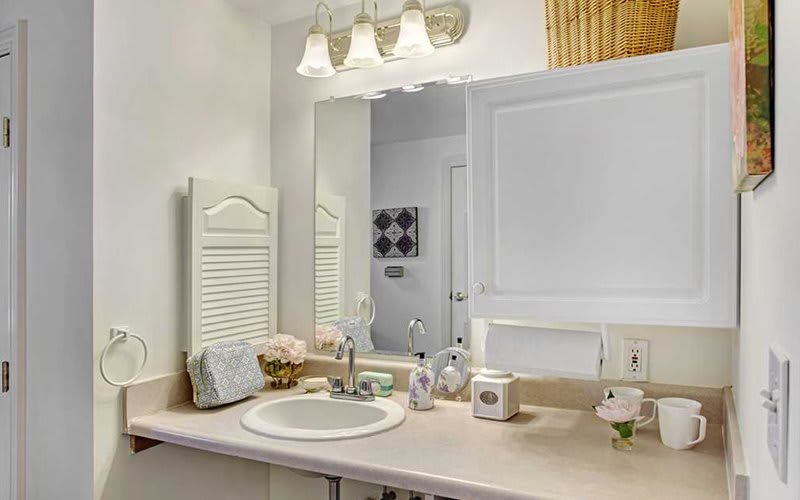
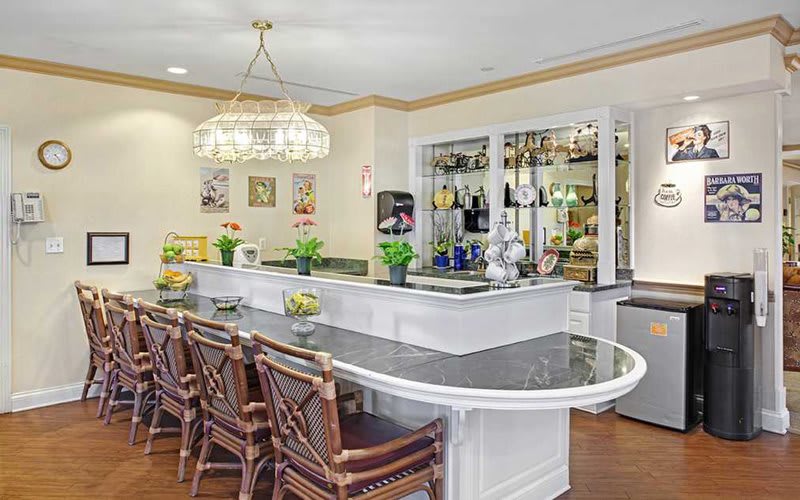
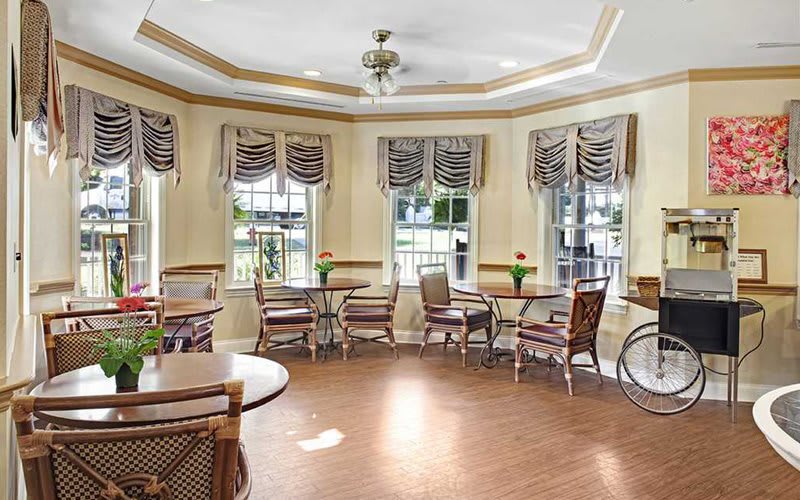
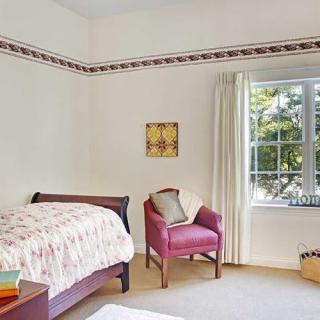
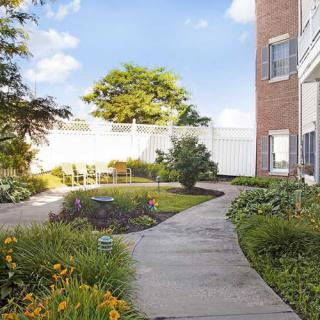
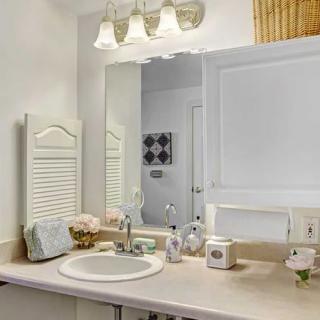
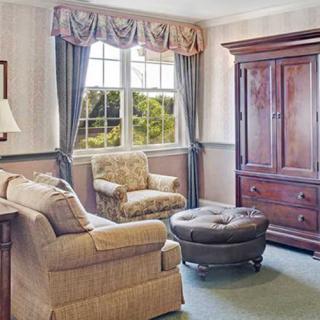
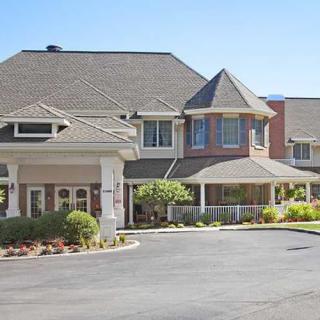
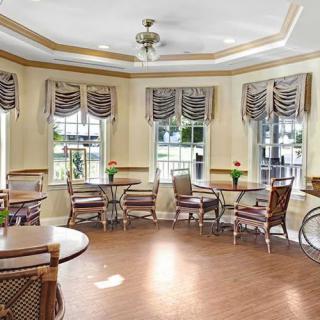
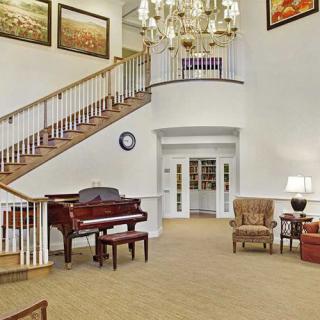
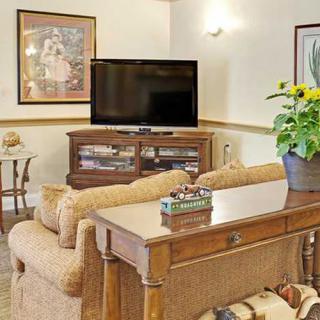
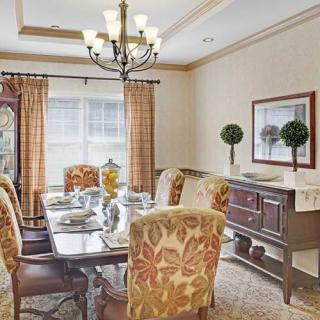
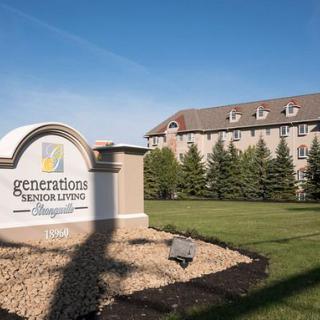
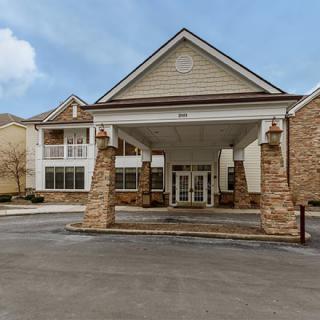
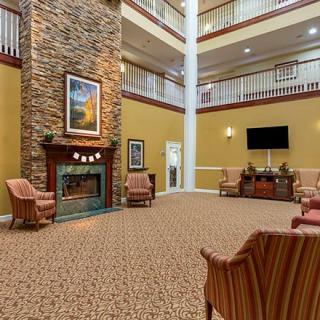
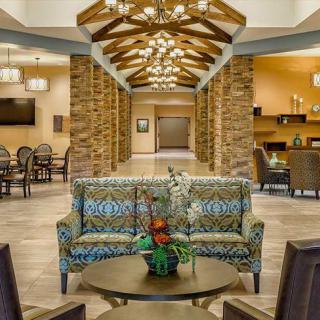
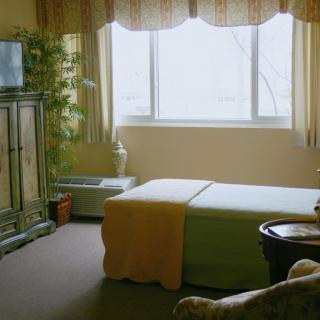
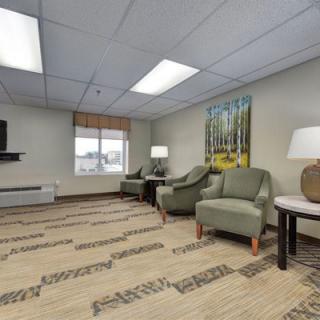
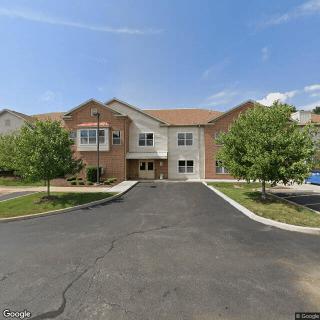
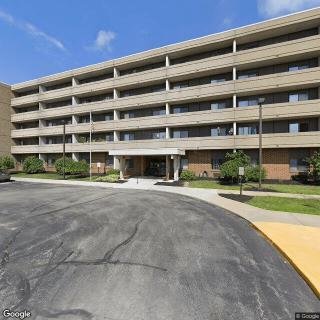
Bickford of Rocky River on seniors.fyi includes 14 photos including images showing interior, decor, dining, landscaping, windows, building, outdoors, living room, and more.
Nearby Communities
The Care Center at the Normandy
Rocky River, OH
3.6 from 42 reviews
$7,200 to $8,400 / month
Premium amenities with diverse dining and activities.
Lakeside Assisted Living
Rocky River, OH
3.8 from 50 reviews
$4,500 to $5,200 / month
Excellent dining and friendly, professional staff in a beautiful, activity-rich setting.
Normandy Manor Of Rocky River
Rocky River, OH
3.7 from 42 reviews
Beautiful location with gardens and outdoor spaces, plus a variety of activities.
The Normandy Senior Living
Rocky River, OH
4 from 66 reviews
$1,700 to $3,975 / month
Friendly, professional staff; engaging activities; spacious renovated apartments; good dining; attractive grounds.
Heritage Home HealthCare
Cleveland, OH
Excellent access to healthcare, dining, and transportation nearby.
Embassy of Rockport
Rocky River, OH
4.2 from 70 reviews
$2,800 to $3,200 / month
Caring staff in a clean, home-like setting with good meals.
Rockport Retirement Community
Rocky River, OH
4.1 from 34 reviews
Friendly staff, clean facility, and good dining options.
Welsh Home
Cleveland, OH
4.4 from 97 reviews
Strong rehabilitation program with responsive staff and a structured environment.
At-home dementia care expenses vary widely based on care levels, location, and caregiver expertise, with monthly costs for home health aides exceeding $4,500 and specialized care potentially surpassing $100,000 annually. While families favor in-home care for its comfort and personalized attention, they must consider financial planning and the challenges of caregiver fatigue.
The article discusses the late stages of dementia, detailing the progression from mild to severe impairment and highlighting key characteristics such as profound cognitive decline and dependency in daily activities. It emphasizes care strategies focused on comfort and dignity, the importance of advance directives, and the emotional support needed for family caregivers facing this challenging journey.
The article examines the link between certain medications and increased dementia risk, particularly in older adults, emphasizing that long-term or high-dose use of anticholinergics, benzodiazepines, and other drug classes can exacerbate cognitive impairment. It calls for careful medication evaluation and shared decision-making to mitigate these risks while managing treatment efficacy.
Get PricingAsk A QuestionSchedule A TourContact Senior Advisor
By clicking submit, you agree to our Partner's Terms of Use. You
also consent to receive calls and texts, which may be autodialed, from our Partner. Your consent is not a condition to
using our Partner's service. Please visit our Partner's Privacy Policy for information about their privacy practices.


 72 resident community capacity
 1-bedroom apartments
 Assisted Living
 Memory Care
 Respite Care
 Skilled Nursing Facility
 Cats allowed
 Dogs allowed
 Activities off-site
 Air-conditioning
 Bath tubs
 Beautician on-site
 Cable or satellite TV
 Computer center
 Devotional services off-site
 Dining room
 Fitness room
 Fully furnished
 Gaming room
 Garden
 Ground floor units
 Handicap accessible
 Housekeeping services
 Indoor common areas
 Kitchenette
 Move-in coordination
 Outdoor common areas
 Party space
 Private bathrooms
 Restaurant-style dining
 Small library
 Telephone
 Wellness center
 Wheelchair accessible showers
 Wi-Fi/high-speed internet available
 Cleveland-Hopkins International (4 miles away)
 Community operated transportation
 12-16 hour nursing
 24-hour call system
 Assistance with bathing
 Assistance with dressing
 Assistance with transfers
 Diabetes diet
 Diabetic care
 Incontinence care
 Medication management
 Mental wellness program
 Special dietary restrictions
 Art classes
 Bible study group
 Concierge services
 Cooking classes
 Day trips and outings
 Karaoke
 Wine tasting
 English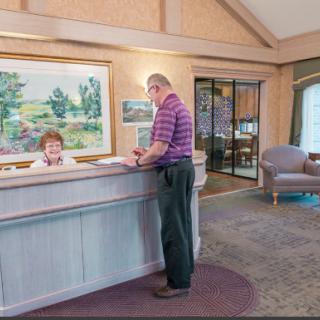
 Premium amenities with diverse dining and activities.

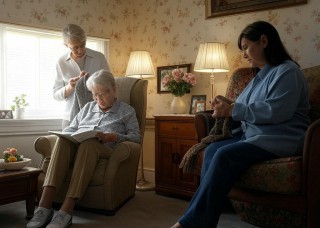 Estimating the Expenses of At-Home Dementia Care: A Detailed Exploration
 Comprehensive Insights on the Late Stages of Dementia: What to Expect and How to Provide Care
 Medications Associated with Dementia Risk: A Comprehensive Overview