
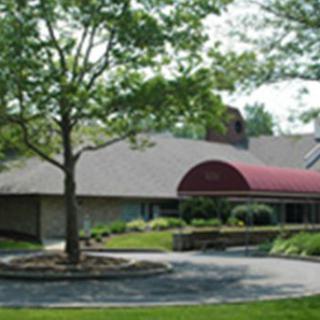
6222 Stonewalk Lane, New Albany, OH 43054
For more information about senior living options: (866) 208-4318
Overall Review of Cobblestone at the Preserve
Pros
 This is their home.
- They consider it their home.
Cons
 They are not dependable.
- The caregivers make their own schedule after the agency posts open shifts.
- They don’t know what they’re supposed to do when they get there and all they do is complain.
- The caregivers leave the agency and go somewhere else.
- They are supposed to help, not upset them at home.
Review
Cobblestone at the Preserve in New Albany is best suited for seniors who want a socially engaging, home-like assisted-living setting and can tolerate some variability in caregiving. The community appears most appropriate for residents who are fairly independent but need help with routine tasks and who value staying connected to a lively neighborhood. Families drawn to a place where residents say, “this is our home,” and who can stay actively involved in coordinating daily care will likely find a fit here. The main determinant of success is the ability of the agency-driven staff roster to deliver reliable coverage, because daily life hinges on consistent, well-planned attention rather than a fixed, in-house team.
Those who should consider alternatives are seniors with high, ongoing needs for dependable, predictable assistance or those requiring dedicated memory-care services. If the plan relies on a single, steady caregiver providing the same level of support every shift, this community may fall short. Families unable to invest time to monitor staff assignments and advocate for continuity may want options with stronger on-site supervision, steadier staffing, or clearer task protocols. For residents whose comfort depends on exact routines and proactive, anticipatory care, the variability noted in feedback signals a potential mismatch.
On the upside, the limited feedback points to a setting that can feel like a real home and offers social structure that many seniors crave. When caregiving is steadier, residents can experience timely help with daily tasks and meaningful engagement that supports independence. The New Albany location is a practical plus for families seeking convenient access to outings, services, and visits. These soft advantages can partly compensate for staffing gaps if there is strong coordination, clear expectations, and responsive management.
Yet the core drawbacks are substantial. Dependability is the central concern: caregivers reportedly set their own schedules after agency shifts post, creating gaps and frustration. Staff may arrive unclear on duties, leading to repeated complaints rather than proactive care. Turnover, frequent changes in who is on site, undermines trust and the sense of continuity that a resident relies on. When assistance with dressing, bathing, medications, or reminders cannot be counted on, the resident experience shifts toward uncertainty and anxiety rather than comfort.
For decision-making, ask sharp questions: how are shifts staffed, are there in-house caregivers with stable teams, or is every shift agency-sourced? who supervises day-to-day care and how accessible is that supervisor to families? what is the process to escalate concerns and adjust a care plan? request a sample weekly schedule and a current care plan, plus a policy for covering gaps when staff are sick or on vacation. If possible, arrange to meet prospective caregivers and observe a routine, and check references with current residents or families.
The verdict is practical and clear: Cobblestone at the Preserve works best for families prioritizing a warm, community-focused environment in New Albany and who can tolerate variability in caregiver coverage. For those needing consistent, predictable care, or specialized memory support, other communities with stronger in-house staffing and on-site supervision may be safer bets. With a 3.5 rating from two reviews, experiences vary widely; a thorough tour, explicit staffing questions, and a concrete plan to secure dependable coverage are essential before deciding.
 6 resident community capacity
 Active Adult Communities (55+)
 Housekeeping services
 Telephone
 Wi-Fi/high-speed internet available
 John Glenn Columbus International Airport (5 miles away)
 Assistance with dressing
 Meal preparation and service
 Medication management
 Diabetes diet
 Special dietary restrictions


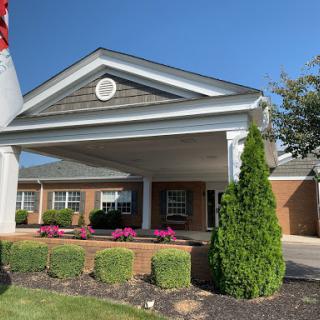
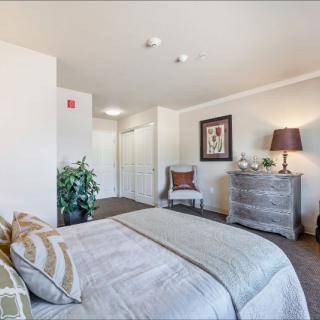
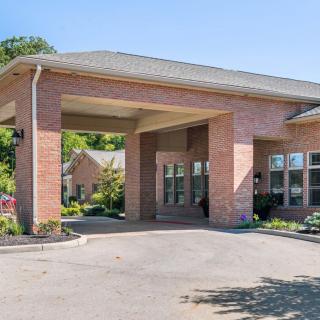
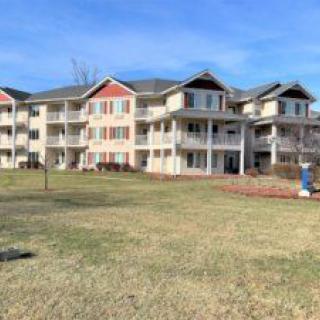

 Compassionate Conversations: How to Comfort Someone Who Is Grieving
 Home Health Care Aides: Understanding Their Role and Supporting Your Family
 Urinary Tract Infections in Older Adults: Comprehensive Insights on Symptoms, Treatment, and Prevention