
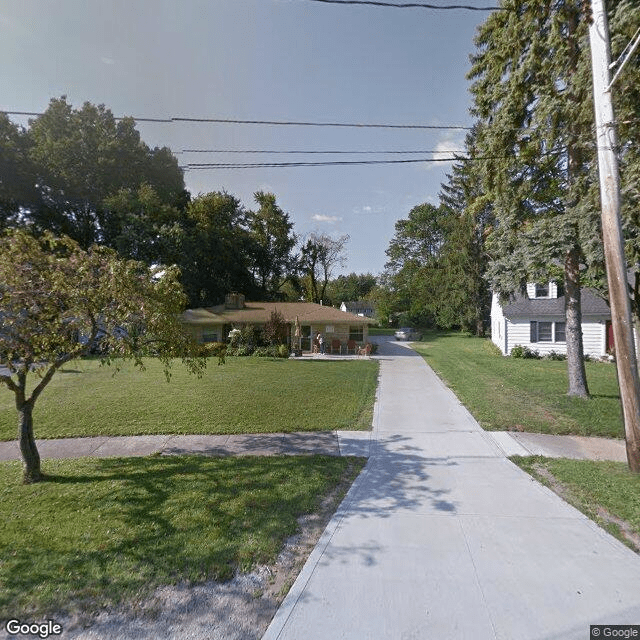
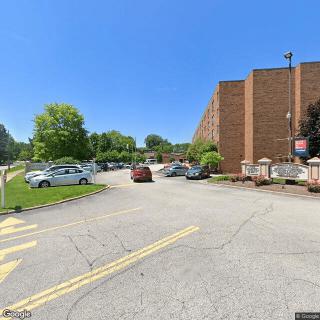
7586 Ruth Road, Mentor, OH 44060
To contact a resident: (440) 255-8429
For more information about senior living options: (866) 208-4318
There's No Place Like Home Inc. Costs & Pricing
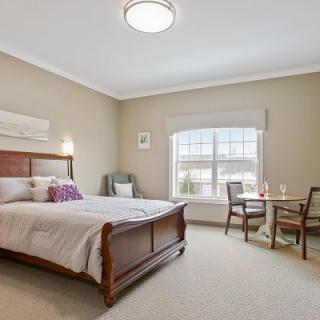
At There's No Place Like Home Inc., the monthly cost for a private room is set at $3,000, which positions it as a more affordable option compared to the average rates in Lake County, where similar accommodations are priced at approximately $3,283. Furthermore, this rate is significantly lower than the statewide average in Ohio, where private rooms can reach up to $4,771 per month. This pricing structure underscores our commitment to providing quality care while ensuring that financial considerations remain manageable for our residents and their families.
| Floor plans | There's No Place Like Home Inc. | Lake County | Ohio |
|---|---|---|---|
| Private | $3,000 | $3,283 | $4,771 |
Senior living communities with a similar price nearby
-
from -$486 / mo
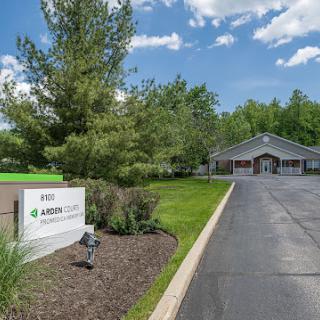
ARDEN COURTS CHAGRIN FALLS
$2,514 to $3,016 / month17.0 miles away -
About the same
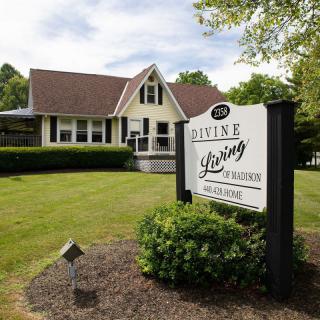
Divine Living of Madison
$3,000 / month17.9 miles away -
About the same
Vista Springs Quail Highlands
$3,000 to $5,000 / month4.7 miles away -
from +$593 / mo

Light of Hearts Villa
$3,593 to $4,343 / month21.7 miles away -
from -$105 / mo
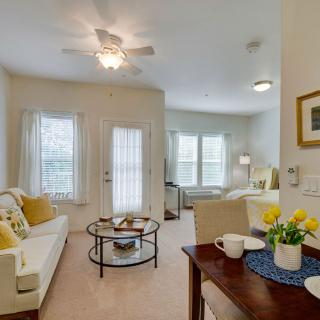
Parker Place Gracious Retirement Living
$2,895 to $4,775 / month0.8 miles away
Overall Review of There's No Place Like Home Inc.
Pros
 Attention to individual residents' personalities is key to giving residents a comfortable home experience.
Cons
 The smaller independent facility cannot care for residents with little to no body strength.
- The smaller independent facility cannot assist residents who are unable to transfer from a wheelchair.
Review
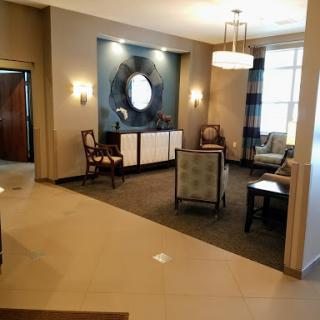
There’s No Place Like Home Inc. in Mentor, OH is best suited for seniors who prize a small, home-like atmosphere and can participate in daily routines with a reasonable degree of independence. The community’s strength lies in treating residents as individuals, with staff who tailor interactions and daily activities to personal personalities. For families seeking a tranquil, intimate setting where residents are not treated as a number, this facility offers a reassuring sense of belonging and reassurance that staff know who each person is and what makes them comfortable.
This is not the right choice for someone who requires substantial hands-on caregiving, heavy mobility support, or transfer assistance on a routine basis. The small, independent nature of the operation means limited capacity to manage residents with little body strength or those who cannot transfer from a wheelchair. In practical terms, residents needing consistent assistance with mobility, daily transfers, or advanced personal care will likely need a setting with more nursing support and medical supervision.
The strongest pro is the individualized attention that permeates daily life. Residents are treated as unique individuals, and staff focus on creating a comfortable, homey environment where routines can reflect personal preferences. This approach translates into predictable warmth, meaningful engagement, and a sense of security that often eludes larger communities. The downside of the same strength is the inevitable trade-off: a tighter staff-to-resident ratio and fewer built-in capabilities to handle complex care tasks or rapid escalations in functional needs.
For families weighing options, the key trade-off is clear. If a resident can maintain a level of independence and benefit from daily companionship, purposeful conversation, and predictable, person-centered care, the pros significantly outweigh the cons. The small scale fosters a cohesive atmosphere where residents form meaningful relationships with caregivers and peers, contributing to a sense of belonging that can improve mood and engagement. However, as care needs intensify, especially around mobility, safety during transfers, or medical monitoring, the limitations of a small operation become more pronounced, and alternatives with broader clinical support start to look more appealing.
Overall quality signals are favorable. A 4.7 average rating across six reviews, with most reviewers awarding five stars, suggests consistent satisfaction with the living environment and the staff's ability to honor individual preferences. Prospective residents should, however, align expectations with the facility’s capacity: this is a home-like, person-focused setting rather than a comprehensive care facility. The data imply a real strength in personal connections and atmosphere, paired with a practical boundary on the level of medical or mobility support that can be provided.
Decision guidance for families is straightforward. If independence is the norm, with a desire for intimate, personality-driven care and a comfortable domestic vibe, There’s No Place Like Home Inc. merits serious consideration. If mobility limitations, frequent transfers, or the need for continuous medical oversight are likely, alternatives should be explored, larger assisted living communities, or facilities with dedicated nursing staff and memory care options. Visits should center on testing transfer capabilities, staff responsiveness, and how daily activities are customized; verify how emergencies are handled and what backup plans exist. In the right fit, the result is a home that feels less like a facility and more like a well-loved, precisely tailored living space.
 Board and Care Home
 Activities off-site
 Devotional services off-site
 Indoor common areas
 Outdoor common areas
 Private
 Respite or short term stays offered
 Wheelchair accessible showers
 Ambulatory care
 Diabetic care
 Incontinence care
 Medication management
 Meals provided
 Christian services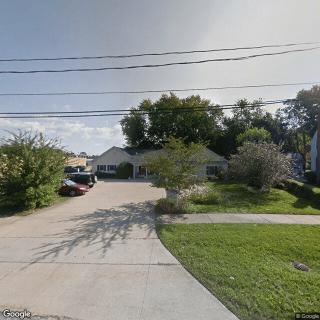


 Understanding Hospice Care at Home: Comprehensive Services, Key Benefits, and Eligibility
 Understanding the Full Cost of 24/7 In-Home Care: A Detailed Overview
 Exploring the World of Home Health Nurses: Qualifications, Roles, and Hiring Tips