1050 Medical Center Parkway, Maumee, OH 43537
For more information about senior living options: (866) 208-4318
Overall Review of Maumee Pointe
Pros
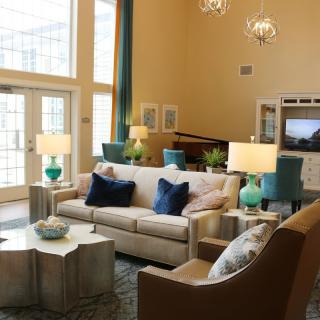
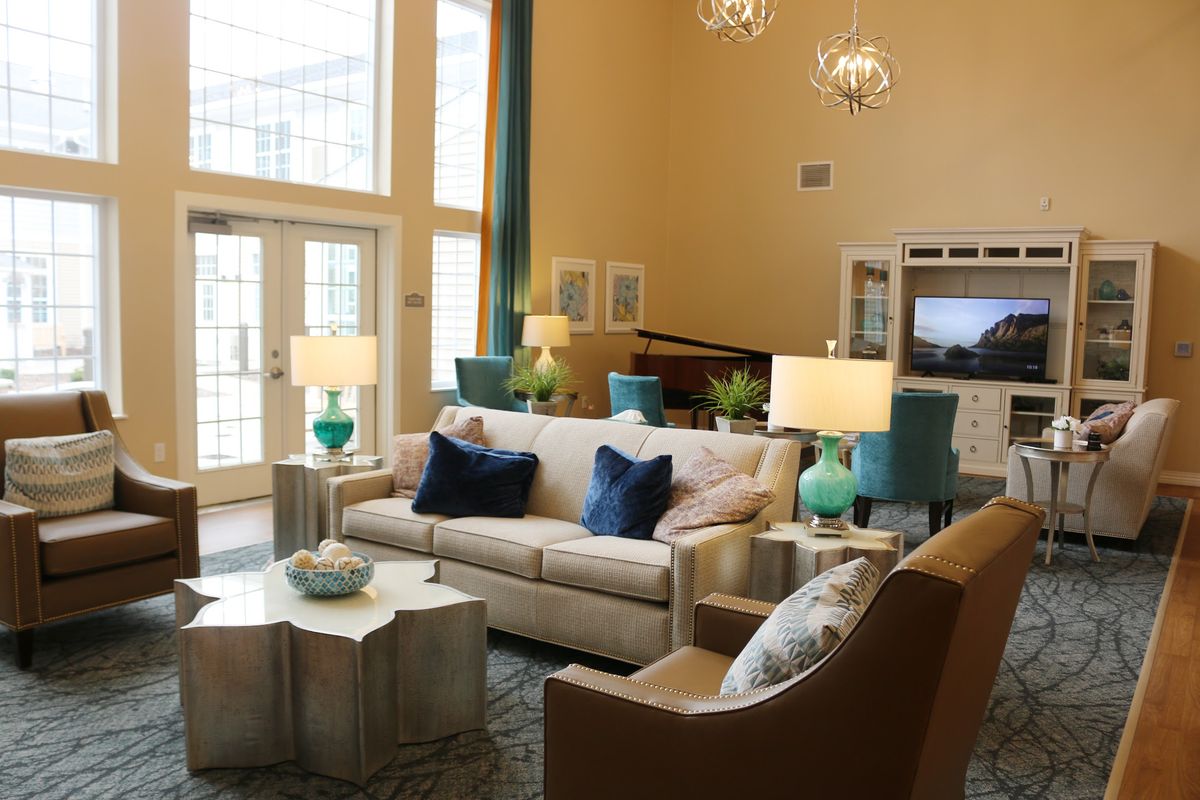
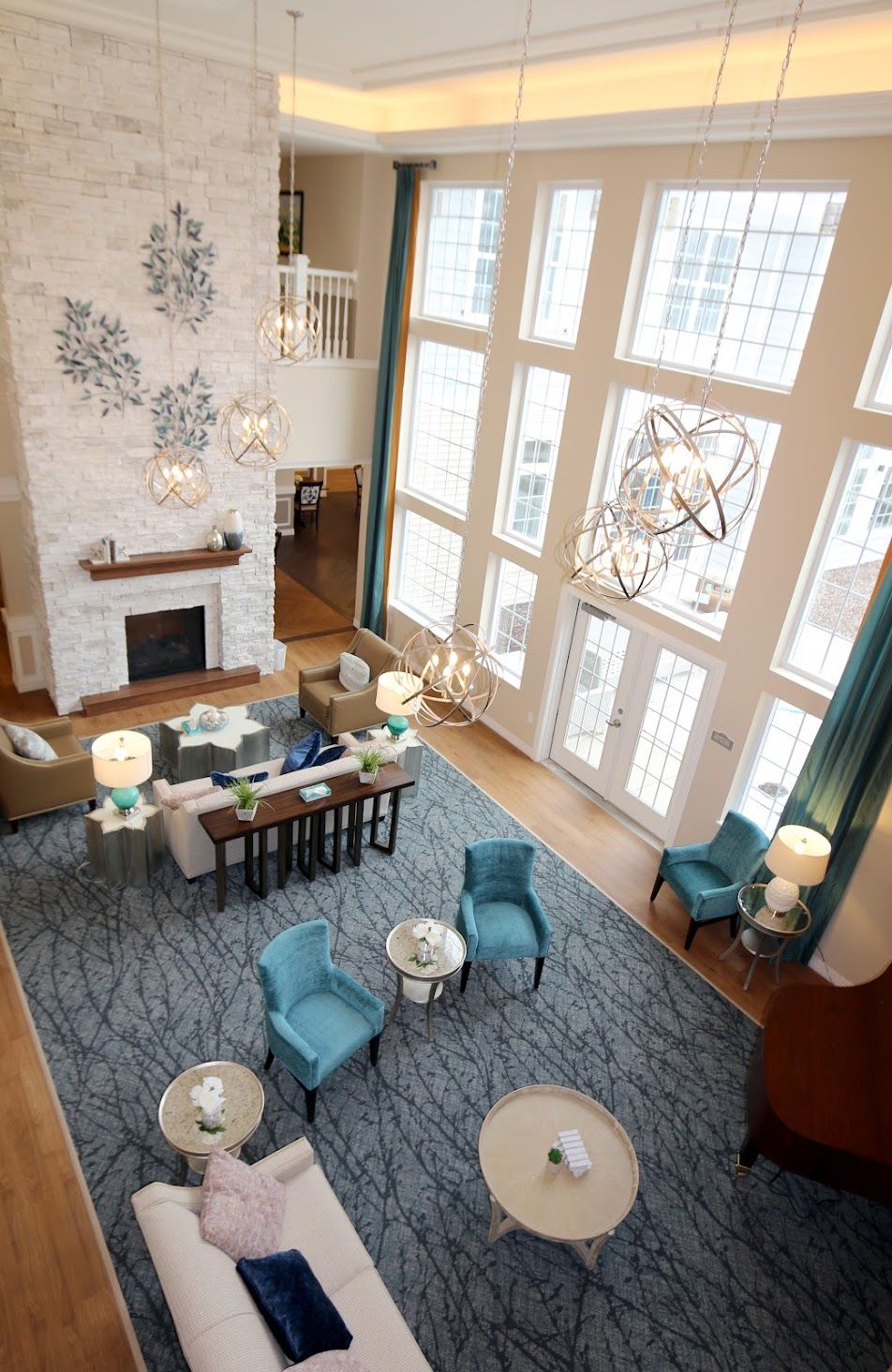
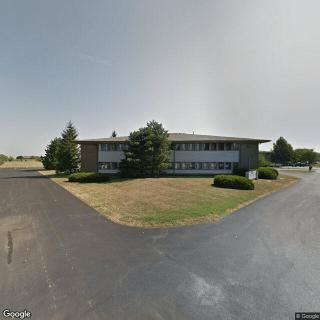
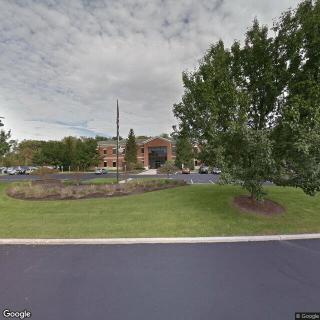
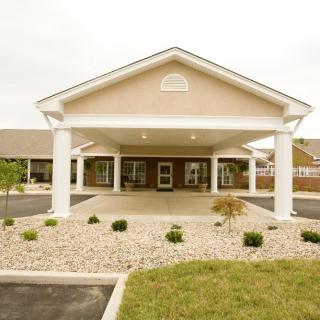
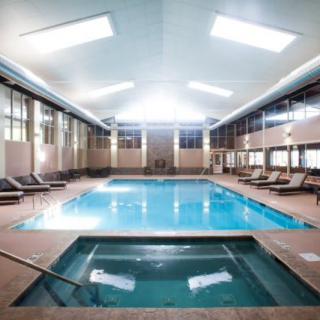
 The building is beautiful.
 - The care at Maumee Pointe is incredible, and the building looks phenomenal.
- Tara is outstanding in caring for and loving residents.
- The campus is incredibly beautiful, with a compassionate and caring team; residents are loved and well cared for.
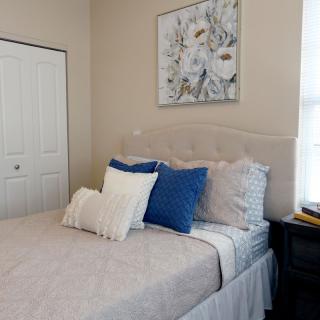
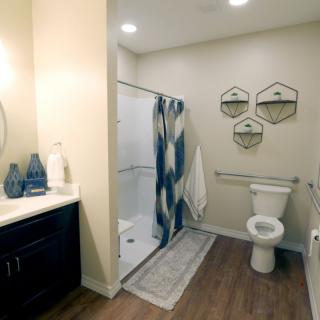
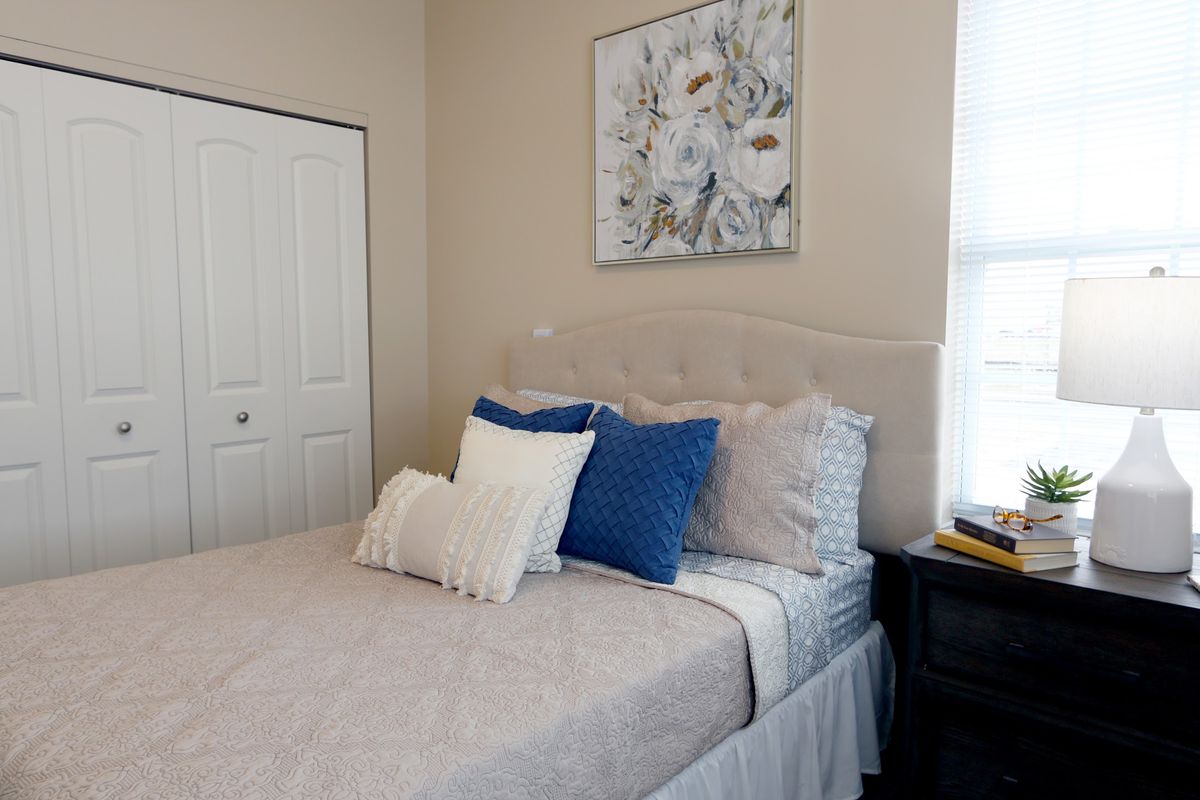
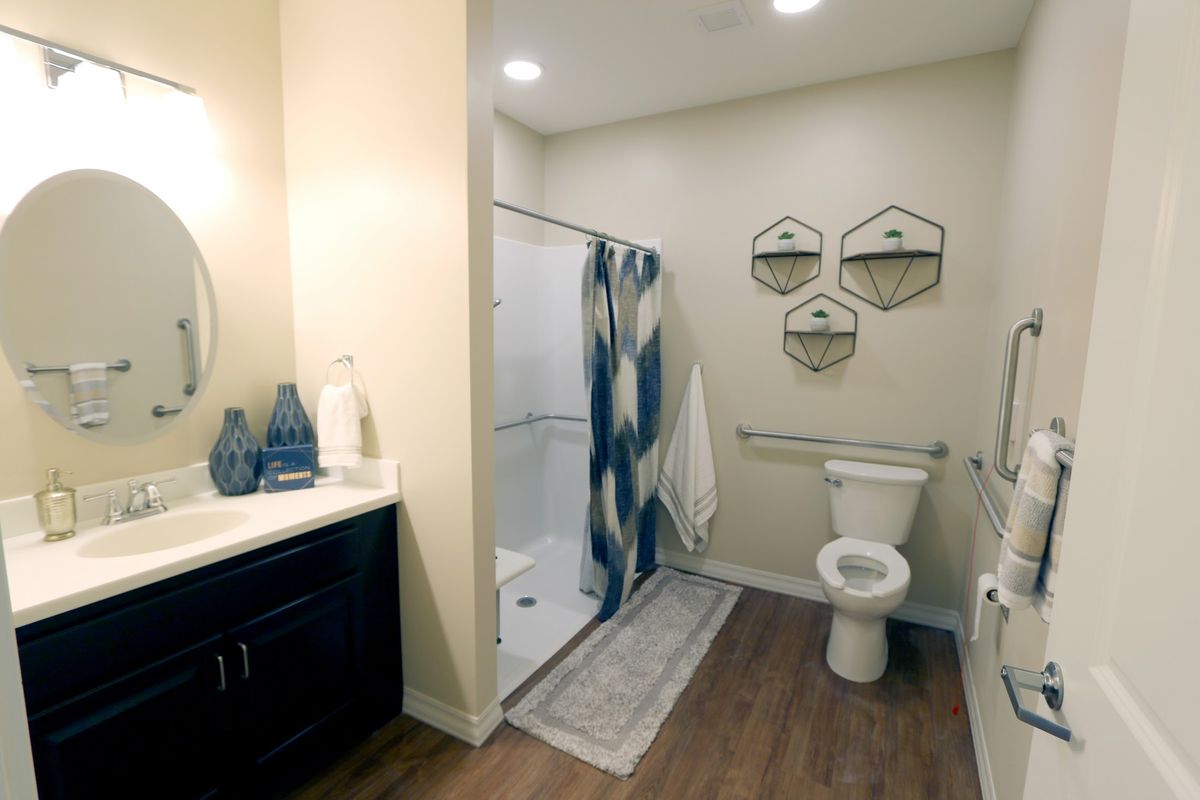
- The apartments are large and well kept; the facility is clean and brand-new.
- The center offers engaging amenities, including a workout facility, raised bed gardens, a theater room, and a chapel.
Cons
 The facility is not recommended for a loved one.
- The manager is often unavailable or off-site.
- There is no receptionist or security at the entrance.
- Nursing aides are often seen sitting around on their phones.
- Memory care residents are kept in front of the TV for most of the day.
- The level of attention, safety, and engagement promised is not delivered.
Review
Maumee Pointe is best suited for families seeking a bright, contemporary setting with spacious apartments, abundant common areas, and a calendar of amenities designed to keep residents engaged. The community shines for seniors who want a condo-like atmosphere, sunlit rooms, open dining spaces, and plenty of gathering nooks, that can support social interaction and a sense of normalcy. It also appeals to families prioritizing proximity to medical care, with a location near urgent care and a hospital, and to those who value visible warmth in caregiving, particularly for memory care residents who benefit from a familiar, attentive touch.
Those weighing alternatives should consider how critical consistent management presence and predictable staffing levels are to their decision. Several reviews flag a hands-on leadership gap, the manager being unavailable or off-site, and a lack of front-door security or reception, which can translate into slower responsiveness and uneven supervision. For families needing daily, proactive engagement from leadership or highly monitored memory care, this may tilt the balance toward more established or smaller settings with steadier oversight. Cost sensitivity is another factor; several families describe the community as expensive, which underscores the need to weigh value against the level of perceived attentiveness and safety.
The strongest positives center on the built environment and the quality of daily life for residents. Maumee Pointe’s new construction delivers modern, well-lit spaces, generous one-bedroom and memory-care-friendly layouts, and a design that feels more like a residential complex than a traditional institution. Residents benefit from multiple activity hubs, two rec rooms, a large dining area, a theater, and a chapel, plus a fitness facility and raised-bed gardens that offer tangible opportunities for physical and social engagement. Reviews praise the level of care and the way staff members, from nurses to aides, show warmth and consistency in care, with particular gratitude for a staff member noted as outstanding and a hospice partner who can attest to genuine, compassionate interactions. Even when experiences fluctuate, the sense of a caring team and a well-maintained, aesthetically pleasing setting remains a compelling counterweight to the concerns.
However, the main drawbacks are real and should not be minimized. The most cited friction points include leadership accessibility and the visible distractions of aides who appear absorbed in their phones, which can erode perceived safety and attentiveness. Memory care in particular is highlighted as an area where engagement can drift toward passive routines (residents placed in front of televisions for long stretches) if activity and supervision are not actively maintained. Several reviewers felt the promised level of attention and safety did not fully materialize, a critical consideration for families prioritizing consistent, vigilant oversight. The combination of limited front-desk security and inconsistent managerial presence creates a credibility gap that must be acknowledged in any decision process.
In deciding, families should pursue concrete assurances and practical proof. Request a detailed, current memory-care program calendar, attendance and staffing ratios by shift, and a walk-through during peak activity times to observe how staff interact with residents. Demand a direct conversation with the on-site manager or regional leadership about responsiveness and emergency handling. If possible, arrange a day-long visit to observe meal service, activity participation, and the cadence of updates to families. Given the proximity to medical facilities, insist on clarity about how wellness checks, medication management, and care plan updates are communicated to families. These steps convert perceived strengths into verifiable, day-to-day confidence.
Ultimately, Maumee Pointe offers a compelling combination of a modern, aesthetically pleasing environment with meaningful amenities and genuinely caring staff in many moments. For families who can accept occasional leadership gaps and understand the facility’s current growing pains, the place can be a strong fit, especially for residents who prize engagement opportunities and a residential-feel setting. For those who require unwavering supervision, highly consistent staffing, or a lower cost structure, exploring alternatives, whether more established campuses or smaller, family-led settings, may reduce risk and provide the steadier oversight some households demand. The decision should hinge on measurable comfort with leadership accessibility, verified engagement for memory care, and a clear sense that the daily rhythms will reliably support safety, connection, and quality of life.
 1-bedroom apartments
 Assisted Living
 Memory Care
 Beautician on-site
 Cable or satellite TV
 Dining room
 Full kitchen
 Fully furnished
 Garden
 Hiking trails
 Housekeeping services
 Laundry
 Move-in coordination
 Outdoor space
 Party space
 Pet friendly
 Respite or short term stays offered
 Restaurant-style dining
 Spa
Spa Telephone
 Wi-Fi/high-speed internet available
 Toledo Express (7 miles away)
 Transportation & parking
 24-hour supervision
 Activities of daily living assistance
 Assistance with bathing
 Assistance with dressing
 Assistance with transfers
 Diabetes diet
 Hospice waiver
 Medication management
 Mental wellness program
 Physical therapy
 Special dietary restrictions
 Transportation arrangement (medical)
 Fitness programs
 Religious services



 Assisted Living and Memory Care: Understanding Their Core Differences
 Choosing the Right Senior Care: A Detailed Exploration of Assisted Living and Nursing Homes
 Safeguarding Your Memory Through the Golden Years: Eight Ways to Preserve Cognitive Health