
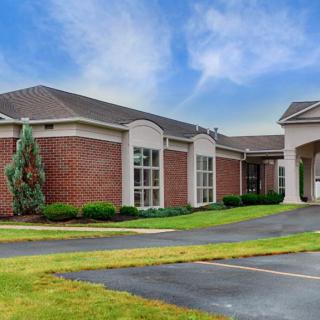

100 Vista Drive, Lisbon, OH 44432
For more information about senior living options: (866) 208-4318
Overall Review of The Renaissance At Vista
Pros
 The staff are really good to all the patients.
- They get pretty good care.
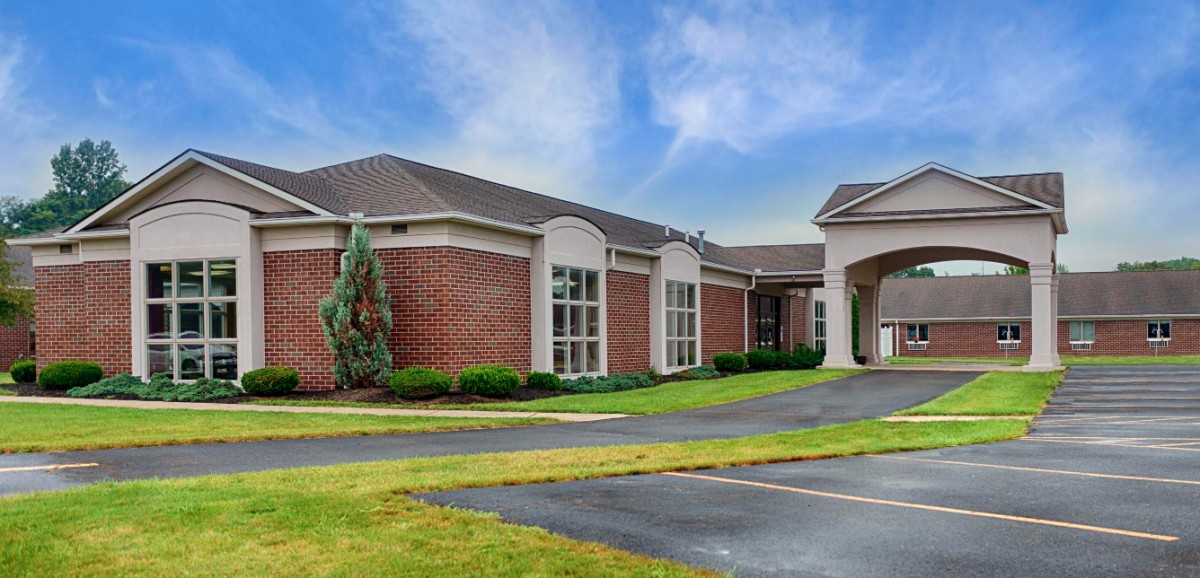
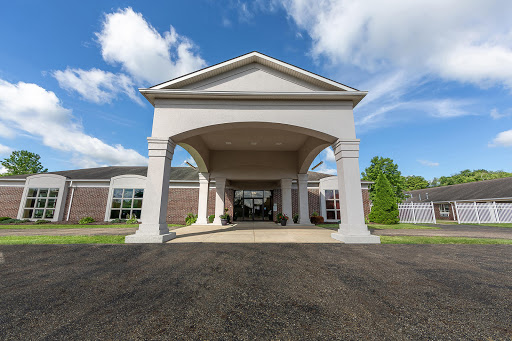
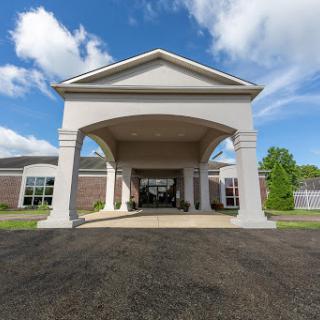
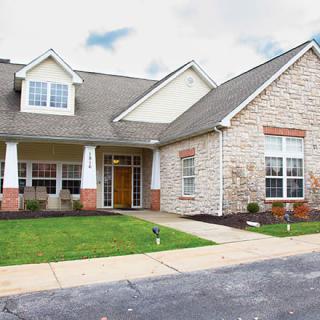
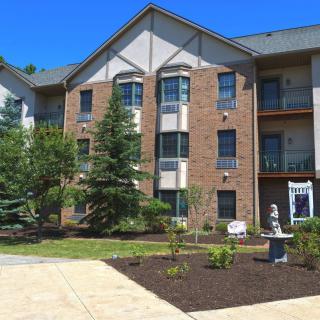
- It's a beautiful setting.
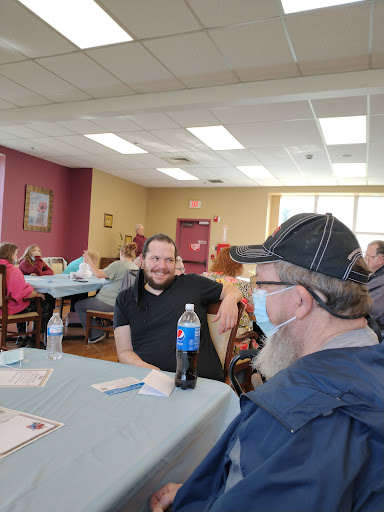
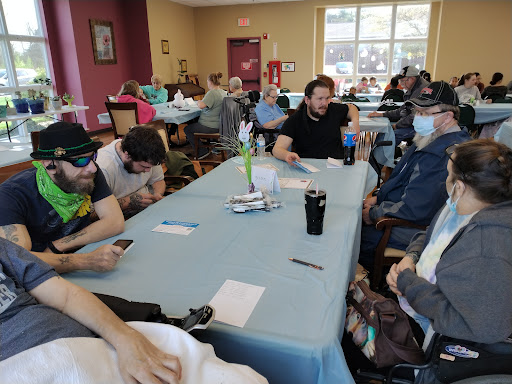
- The staff are quite active and engaged with residents.
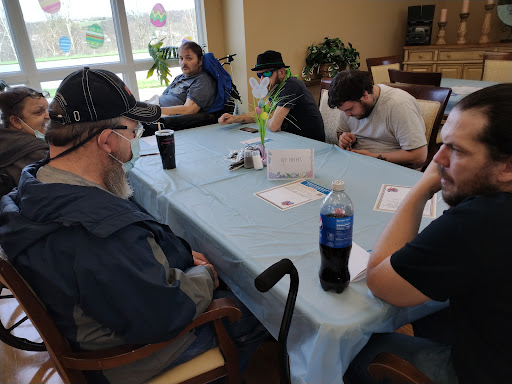
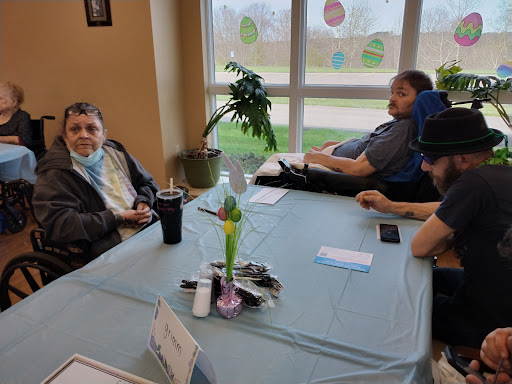
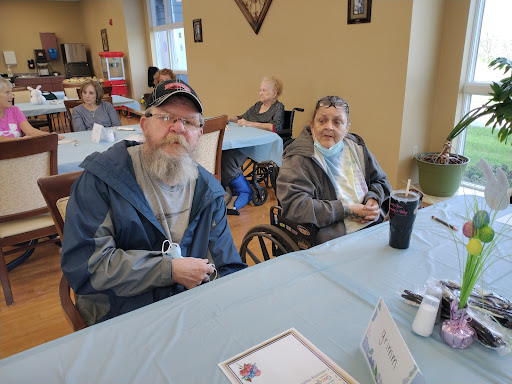
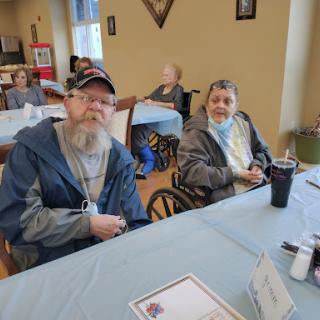
- There are regular activities like reading, games, and a morning coffee time for socializing.
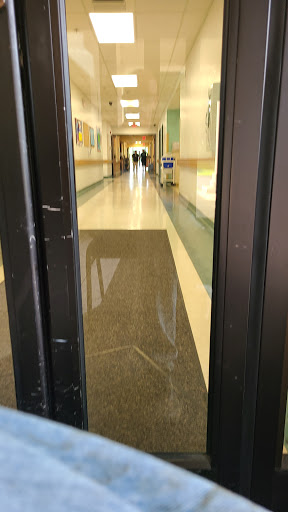
- The layout is fine, the place is clean, and the staff are pleasant.
- The care provided is on point, with helpful and nice staff and visible improvements for residents.
Cons
 The facility seemed lost in itself.
- The reviewer blamed Continuing Healthcare of Lisbon for the mother’s agony and the discomfort she endured in her final months.
- The mother suffered unbearable back pain for months with no one addressing it.
- There were no regular checks or protocols over months.
- The Vista Center was described as the most incompetent facility the reviewer had ever dealt with.
- The staff were not friendly or forthcoming, and they were not attentive or compassionate.
- There was feces on the floor, on the bed, and on the concentrator.
- The facility was understaffed and unclean.
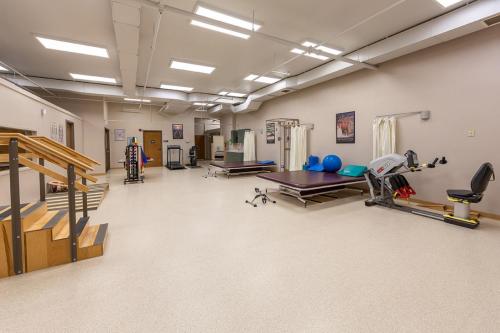
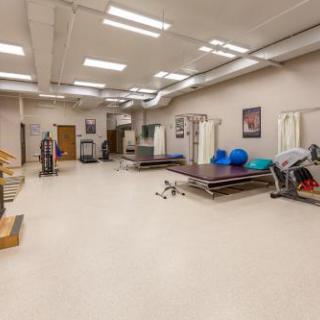
- The father did not receive physical therapy and became immobile within three weeks.
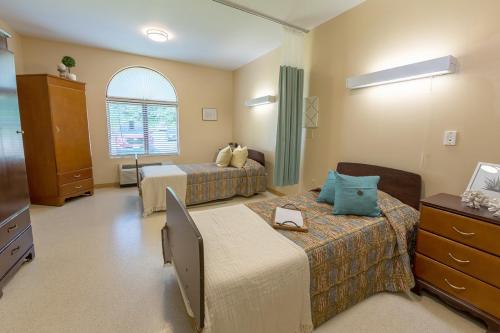
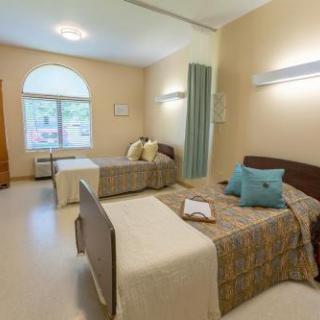
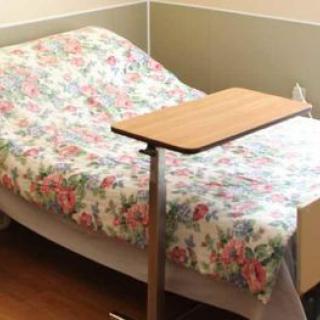
- The rooms were small.
- The reviewer warned others not to take their loved ones there.
Review
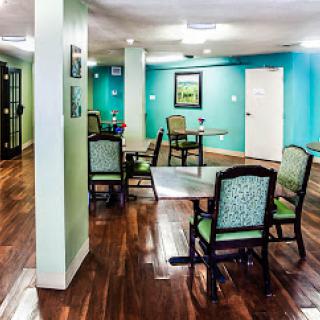
The Renaissance at Vista is best suited for seniors who want a picturesque, activity-rich environment with dependable daily routines and inside access that accommodates mobility aids. It works for residents who don’t require constant, high-intensity medical oversight but still need regular assisted-living support, social engagement, and a comfortable, home-like setting. The campus appeals through its orderly, clean spaces, a layout that keeps most activities indoors, and a calendar of games, coffee chats, worship services, and celebrations. Families considering this community should expect some variability in care quality and staffing, and should be prepared to stay closely involved to ensure consistent attention to evolving needs.
Those weighing alternatives should consider residents with significant medical complexity or a need for steady, hands-on nursing and clinical governance. Several reviews flag inconsistent staffing levels and uneven responsiveness, especially for residents who require frequent assistance with mobility, hygiene, or rapid intervention. Cleanliness and attention to individual care can hinge on who is on shift, a risk that may translate into gaps in physical therapy, medication management, or daily routines. For families prioritizing predictable clinical outcomes, comprehensive infection control, and reliable, around-the-clock oversight, exploring higher-acuity options or other assisted-living communities with stronger governance would be prudent.
On the upside, the environment and programmatic structure deliver real value. The setting is described as beautiful and welcoming, with a practical, walkable footprint that keeps services accessible for residents who use wheelchairs or walkers. Staff, when present, are generally pleasant and engaged, and the abundance of social activities, board games, reading groups, and communal gatherings, helps combat isolation. Food is commonly characterized as decent to good, and while not a gourmet menu, it serves a broad community with adequate variety. The visible emphasis on social life, routine, and a stable daily rhythm can make a meaningful difference to quality of life for many residents.
That value, however, is capped by the risks tied to staffing and care consistency. When help is delayed or scarce, even well-intentioned staff can struggle to maintain momentum across care tasks, leading to frustration and anxiety for residents and families. The strongest offset comes when a resident thrives socially and feels secure in the environment while families remain meaningfully involved in care planning and oversight. Prospective residents should demand transparency about nurse-to-resident ratios, shift coverage, and the procedures for urgent needs, as well as a clear medication management and communication protocol. Without these, the positives become fragile under pressure.
Review patterns show a broad spectrum of experience. Some families report satisfactory care, active staff, and a clean, well-run facility, while others describe a deeply troubling lack of attentiveness and hygiene, with accusations ranging from lost forms to fecal contamination and inadequate back care. One of the most severe critiques recounts a family’s struggle with perceived neglect and errors, culminating in an admission to a different facility for better care. This breadth of experiences signals that outcomes may depend on the specific team on duty and the facility’s day-to-day leadership. Families should not rely on a single review but should probe during visits for consistency, accountability, and visible signs of a robust care culture.
Bottom line: The Renaissance at Vista can be a reasonable match for seniors seeking a warm, social, and comfortable environment with accessible indoor programming, provided expectations align with the realities of staffing and clinical oversight. It is not ideal for residents requiring steady, high-level medical attention or for families who demand flawless daily operations and impeccable cleanliness at all times. Prospects should schedule multiple tours, talk directly with current residents and families, observe meal service and activity programming, and secure a detailed care plan review and escalation process before deciding. With vigilant due diligence, this community can serve the right resident well, delivering a livable, engaging setting with the right safeguards in place.
 19 resident community capacity
 Studio apartments
 Assisted Living
 Board and Care Home
 Skilled Nursing Facility
 Cable or satellite TV
 Dining room
 Fully furnished
 Garden
 Housekeeping services
 Laundry
 Move-in coordination
 Outdoor space
 Telephone
 Wi-Fi/high-speed internet available
 24-hour supervision
 Activities of daily living assistance
 Assistance with bathing
 Assistance with dressing
 Assistance with transfers
 Diabetes diet
 Meal preparation and service
 Medication management
 Physical therapy
 Special dietary restrictions
 Transportation arrangement (medical)
 Transportation to doctors appointments
 English


 Social Security Benefits and Assisted Living: Navigating Options Across the U.S.
 An Extensive Exploration of the VA Aid and Attendance Benefit
 Senior Transition Services: Understanding Their Role, Cost, and Importance