Continuing Healthcare of Lisbon
Save100 Vista Dr, Lisbon, OH 44432
For more information about senior living options: (844) 490-3973
At Continuing Healthcare of Lisbon, the monthly cost for a studio room is $1,950, which positions it as a more affordable option compared to both Columbiana County, where the average cost is $2,923, and the broader state of Ohio, where prices reach approximately $3,727. This pricing reflects a commitment to providing quality care in a budget-friendly manner, making Continuing Healthcare an appealing choice for families looking for compassionate and accessible long-term care solutions. The significant savings over local and state averages underscore the facility's dedication to affordability while maintaining high standards of service and support.
| Floor plans | Continuing Healthcare of Lisbon | Columbiana County | Ohio |
|---|---|---|---|
| Studio | $1,950 | $2,923 | $3,727 |
This community is best suited for seniors who need skilled rehabilitation and ongoing therapy and for families willing to accept a wide swing in day-to-day staffing and oversight. It can work well for residents who benefit from an active therapy program and a facility that remains pleasant and clean on some shifts, but it is not a place to rely on for consistently steady care. Families prioritizing clear, uninterrupted medication management, dependable responses to calls, and uniformly high staffing levels should consider alternatives. In short, Continuing Healthcare of Lisbon is a candidate when rehab-focused goals and a variable staffing landscape are acceptable trade-offs for access to therapy and a supportive environment during recovery.
The strongest, recurring positives lie with the therapy and rehab side. When therapy teams are present, residents often show meaningful mobility gains and renewed independence, with therapists who engage persistently and push progress. Staff who assist with enrollment, Medicaid navigation, and explanations around care plans tend to leave a favorable impression, especially for those navigating financial and eligibility hurdles. The facility’s atmosphere can feel bright and orderly at its best, with clean spaces, approachable aides, and organized activities that knit residents into a social rhythm, bingo, card games, and group gatherings that give purpose and structure. For some families, these elements translate into trust that their loved one is surrounded by people who care and who know the rehab pathway.
Yet the review landscape is dominated by cautions that bluntly counterbalance those positives. The most common, consistent thread is severe staffing shortfalls, especially on weekends, which translates into delayed responses, missed calls, and gaps in routine care. Several families report nurses and aides stretched thin, with insufficient hands to handle patient needs, dressing changes, and timely pain and wound management. Allegations range from neglected dressings and delayed medication administration to patients left in uncomfortable or unsafe positions, sometimes with critical care elements overlooked. Food quality and service emerge as another rickety pillar: meals can be cold, portions modest, and dining experiences uneven, with some residents describing meals as unappealing or poorly prepared. Complaints of environmental lapses, gnats, crowded rooms, and sporadic attention to cleanliness, also appear with alarming frequency, underscoring a pattern of inconsistent daily care.
Where the pros point to meaningful rehab outcomes and person-centered assistive care, the cons relentlessly remind families that consistency is not guaranteed. The best-case scenarios show mobility gains, engaged therapists, and staff who treat residents with warmth and patience. The worst-case scenarios reveal a facility that struggles to maintain reliable staffing, leading to unsafe or unsatisfactory conditions that can erase any rehab progress or emotional trust built during the stay. For families considering long-term placement, the uneven service model is a decisive risk: a resident could thrive on one shift and experience concerning neglect on another. For those seeking a straightforward, reliably attentive environment, these contrasts make the facility a gamble rather than a steady choice.
This facility makes sense for families prioritizing rehab potential and a hopeful conjunction of competent therapy with a generally pleasant setting, provided tolerance for staffing variability is high. Pros offset cons meaningfully when therapy remains consistent, when admissions staff are available to guide families through complex care decisions, and when residents or their families can tolerate a workflow that shifts from satisfactory to strained across days or weeks. Conversely, for seniors who require predictable nursing coverage, prompt response to alarms, timely wound care, and meals that consistently meet high standards, the downsides may far outweigh any intermittent therapeutic gains. The decision hinges on how heavily rehab expectations weigh against daily reliability and safety assurances.
For families weighing alternatives, a prudent approach is essential. Consider facilities that demonstrably sustain higher nurse-to-resident ratios, transparent staffing metrics, and robust weekend coverage. Probe into how therapy schedules align with long-term care planning and whether the emphasis remains on rehabilitation or pivots toward maintenance without compromising safety. Direct conversations with current residents and families can illuminate the texture of daily life beyond marketing language: how often calls are answered, how quickly pain management is delivered, and whether dressing changes and wound care follow clear orders. Finally, review survey findings and state inspections to gauge patterns that reviews alone may not reveal, especially around safety, infection control, and medication administration. This community may serve well in the right circumstances, but it requires a clear, well-researched alignment between rehab goals and the willingness to navigate a variable caregiving landscape.
Continuing Healthcare of Lisbon is an assisted living community located in Lisbon, OH. We specialize in providing skilled nursing care to our residents, ensuring they receive the highest level of support and assistance with their daily activities.
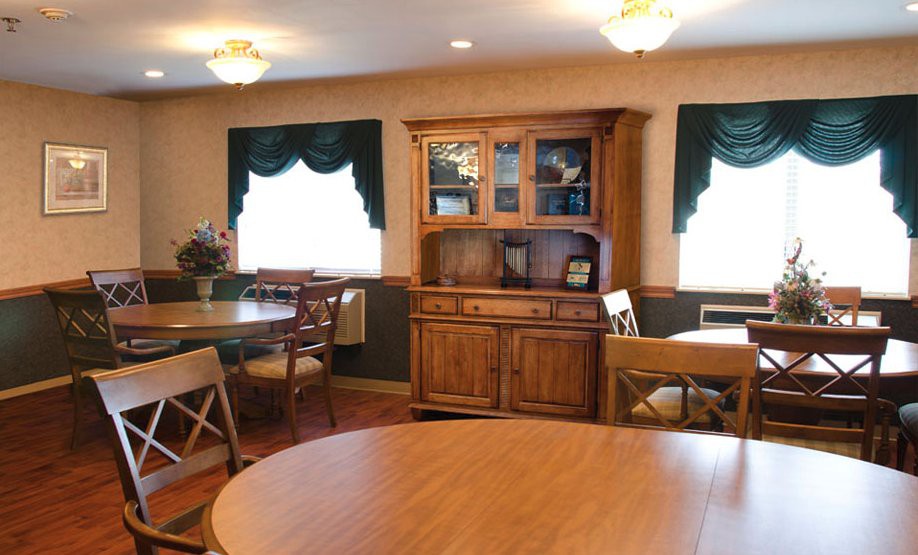
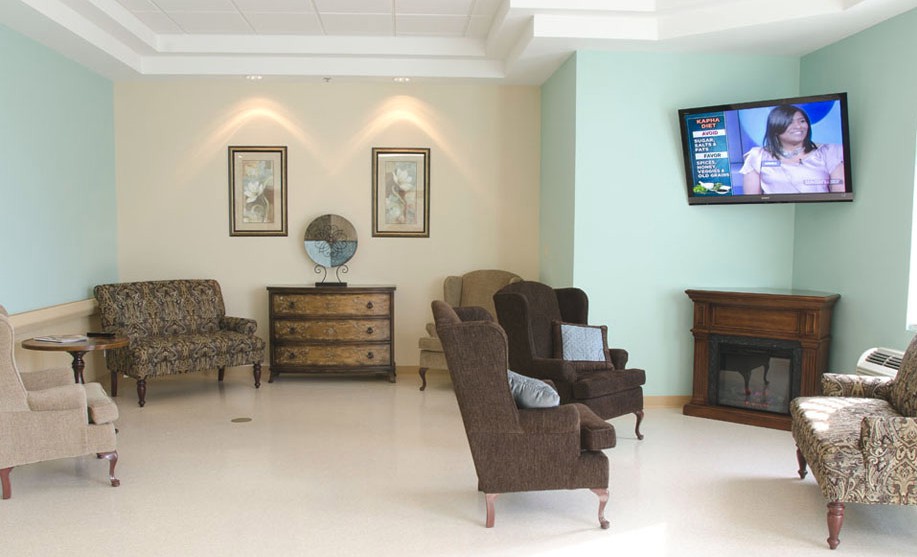
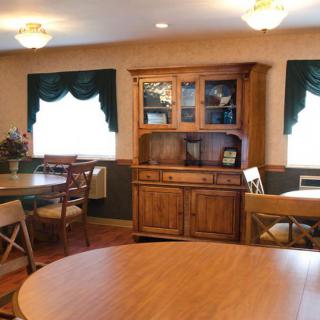
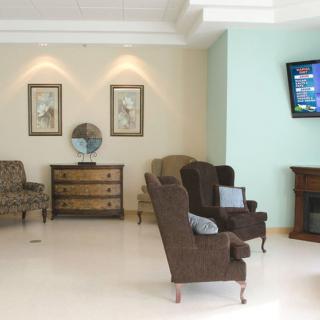
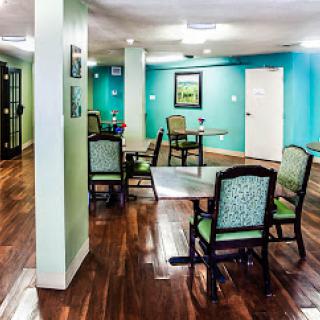
Our community offers a range of amenities to enhance the comfort and convenience of our residents. We provide devotional services off-site for those seeking spiritual connection and guidance. Our dining room offers delicious meals prepared by our professional culinary team, ensuring that residents receive nutritious and tasty options. Housekeeping services are provided to maintain a clean and organized living environment for our residents. Our indoor common areas are designed to promote social interaction and engagement among residents, providing them with opportunities to forge meaningful connections with their peers. Laundry services are also available to ensure that residents have clean clothes readily available.
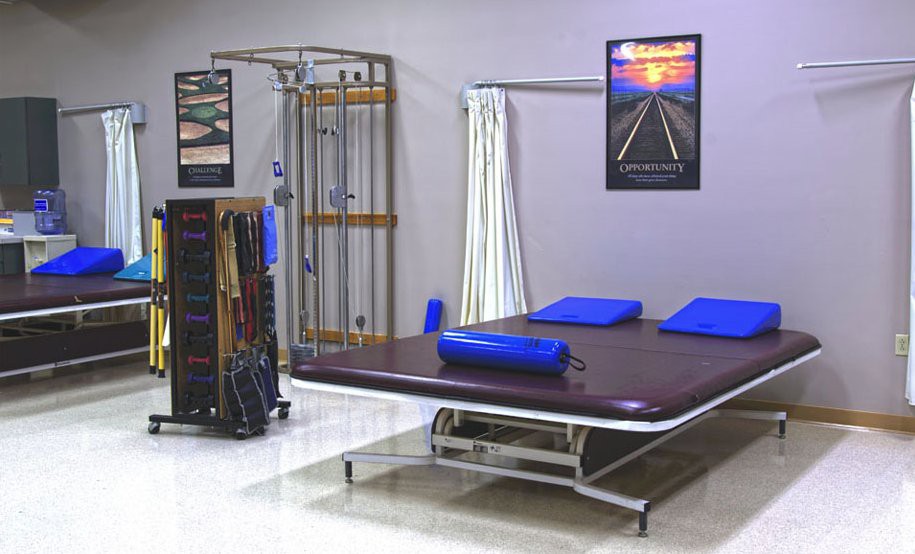
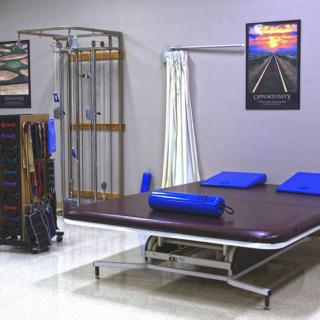
At Continuing Healthcare of Lisbon, we prioritize the well-being of our residents by offering specialized care services. Our trained staff provides diabetic care for those who require assistance in managing their condition. Additionally, physical therapy is available on-site to help residents regain strength, mobility, and independence.
We understand the importance of engagement and socialization for our residents' overall well-being. Devotional activities offsite are organized regularly, allowing individuals to participate in religious practices or engage in spiritual enrichment opportunities outside the community.
Located conveniently near two pharmacies and two restaurants, our community ensures easy access to necessary medications as well as diverse dining options for residents who wish to explore the local cuisine.
At Continuing Healthcare of Lisbon, we strive to create a warm and supportive environment where each resident feels valued and cared for.
This part of Lisbon, Ohio offers a variety of amenities and services that cater to senior living. With multiple pharmacies nearby such as Rite Aid and Morgan's Drug Store, accessing medication and healthcare needs is convenient. There are also several restaurants within a short driving distance, providing options for dining out or grabbing a quick meal. Nearby parks like Guilford State Park and Firestone Park offer opportunities for outdoor recreation and relaxation. In terms of healthcare, there are reputable physicians at the Family Practice Center of Salem and Salem Community Hospital, as well as hospitals like Salem Regional Medical Center within close proximity. Additionally, places of worship such as Allegheny Wesleyan Methodist Church provide spiritual support for seniors seeking a sense of community. Overall, this part of Lisbon combines essential amenities with a peaceful environment that could be ideal for seniors looking for a comfortable living situation.
At Continuing Healthcare of Lisbon, the monthly cost for a studio room is $1,950, which positions it as a more affordable option compared to both Columbiana County, where the average cost is $2,923, and the broader state of Ohio, where prices reach approximately $3,727. This pricing reflects a commitment to providing quality care in a budget-friendly manner, making Continuing Healthcare an appealing choice for families looking for compassionate and accessible long-term care solutions. The significant savings over local and state averages underscore the facility's dedication to affordability while maintaining high standards of service and support.
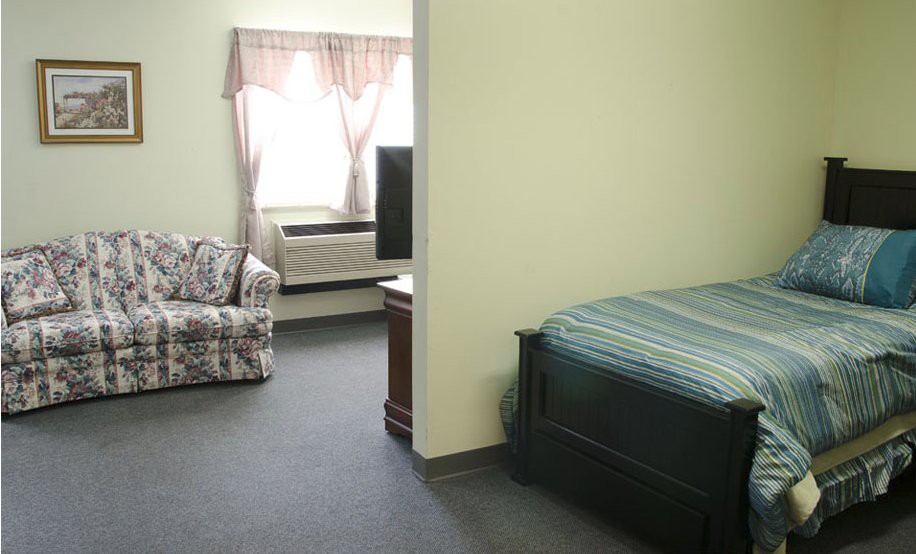
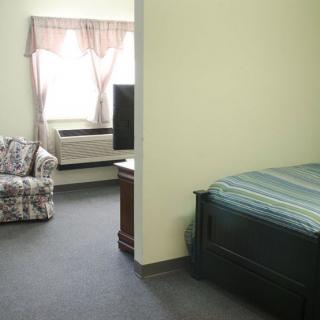
Continuing Healthcare of Lisbon offers Studio apartments.
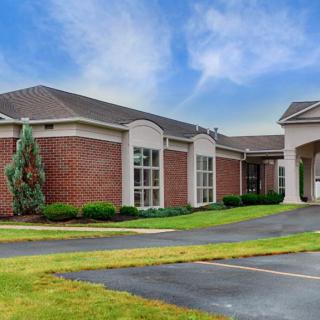
Continuing Healthcare of Lisbon is located at 100 Vista Dr, Lisbon, OH 44432 in Columbiana County, Ohio
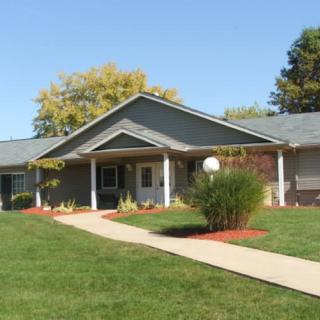
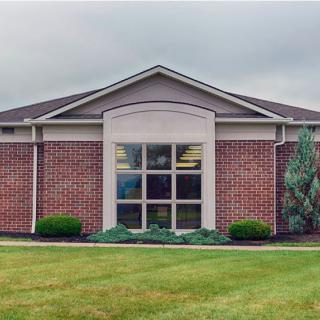
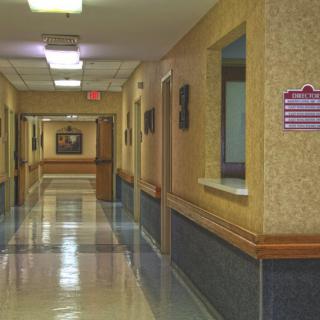
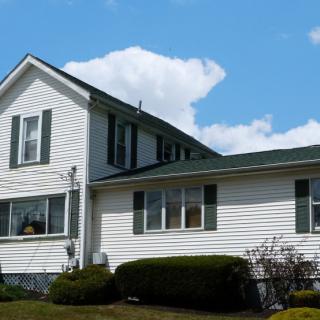
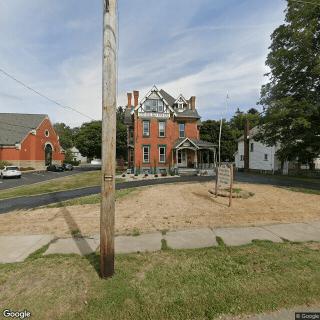
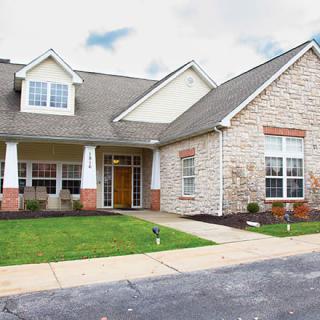
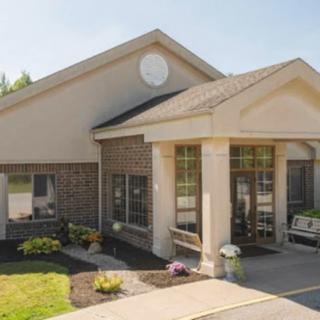
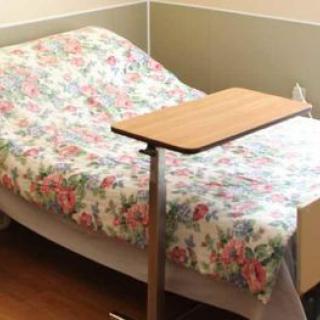
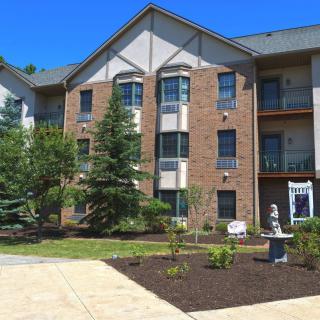
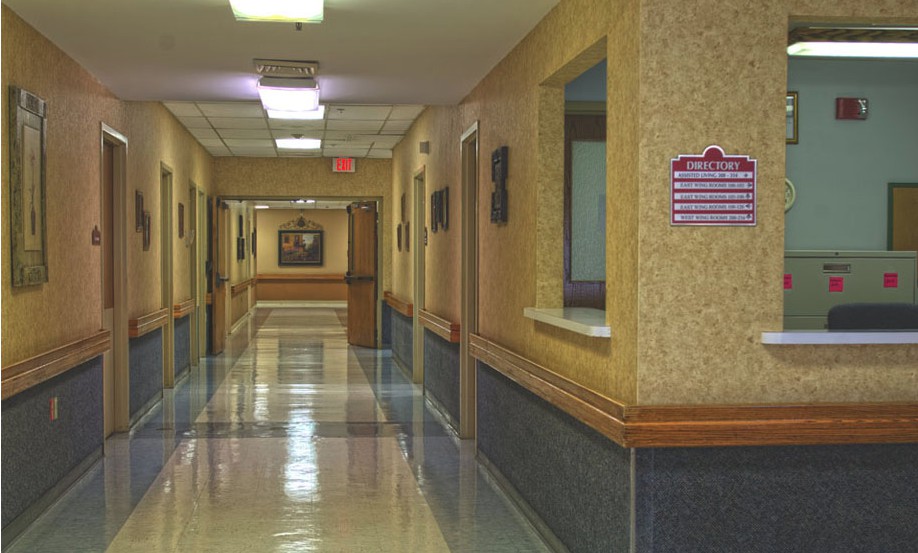
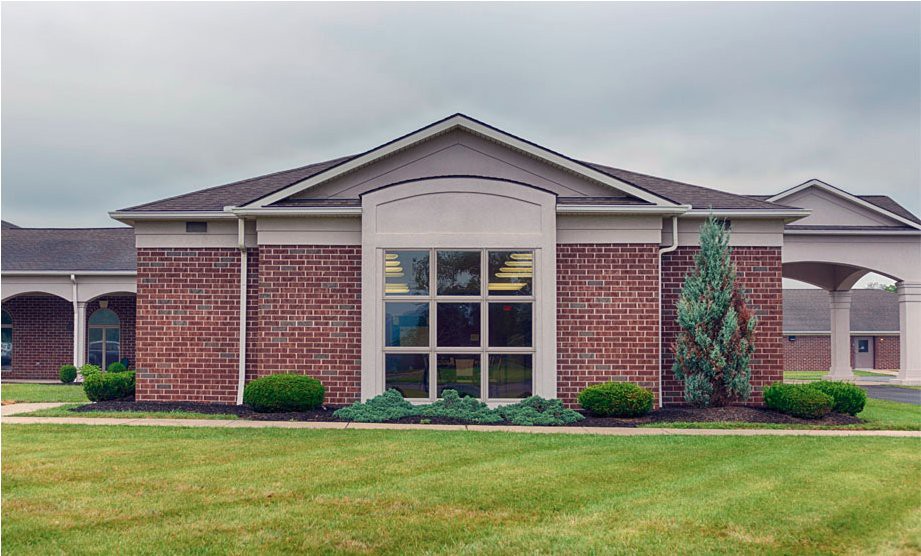
Continuing Healthcare of Lisbon on seniors.fyi includes 8 photos including images showing interior, landscaping, television, windows, brick, dining, hallway, lobby, and more.
Understanding the True Cost of Assisted Living in 2025: A Comprehensive Guide

Assisted living in 2025 offers a crucial balance of independence and support for seniors, with costs varying from $2,500 to over $7,000 per month based on factors such as location and care level. Understanding pricing complexities, including regional differences and potential hidden fees, is essential for families to plan financially while ensuring quality care for their loved ones.
Understanding Medicaid Coverage for Assisted Living: A Comprehensive Guide

The guide outlines the complexities of Medicaid coverage for assisted living, highlighting significant state-to-state variations, limited coverage often restricted to personal care services, and the existence of specialized waivers for certain needs like memory care. It advises families to consult local Medicaid offices for options while emphasizing the importance of understanding state-specific regulations and facility policies.
How and When Medicaid May Cover Assisted Living Costs
Medicaid coverage for assisted living varies by state and is primarily available to low-income individuals, with eligibility dependent on strict income and asset limits. Some states offer HCBS waivers for specific services in assisted living, but families must generally cover room and board costs, and should verify facility acceptance of Medicaid while considering potential waiting lists.