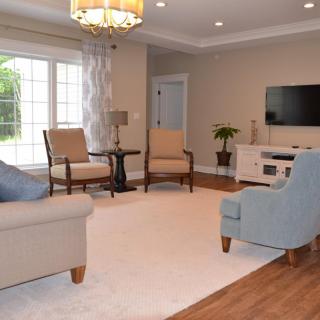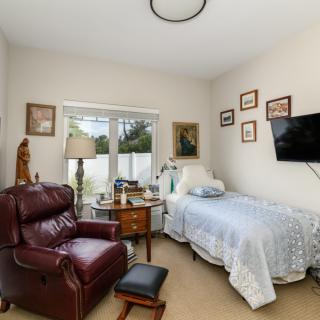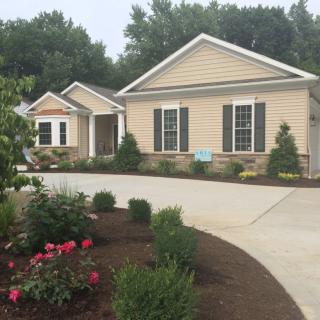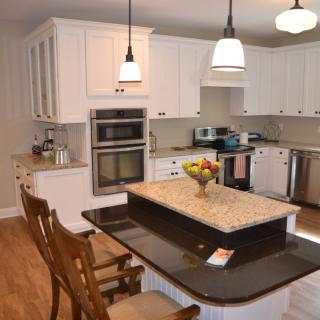
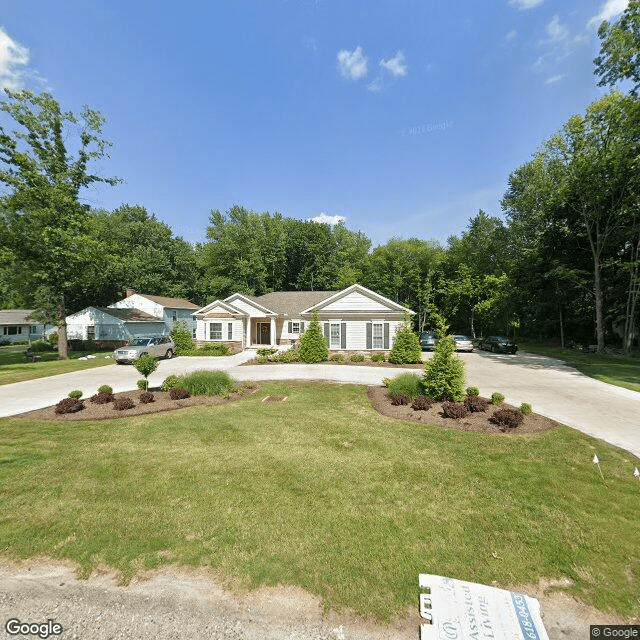
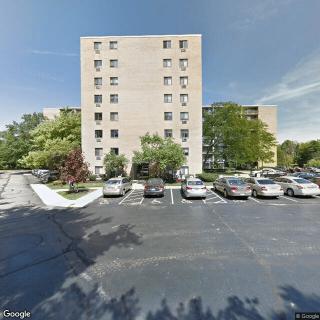
1735 Som Center Rd, Gates Mills, OH 44040
To contact a resident: (330) 618-0453
For more information about senior living options: (866) 208-4318
Aria at Gates Mills Costs & Pricing
At Aria at Gates Mills, the monthly costs for various room types reflect a premium experience aligned with the community's quality and amenities. For a semi-private room, residents can expect to pay $4,950, which is notably higher than the average in Geauga County at $3,443 and the broader state average of $3,965. Studio apartments are priced at $5,950, surpassing both county and state averages of $5,244 and $3,727 respectively. The one-bedroom option stands at $6,950, significantly exceeding the county rate of $4,240 and Ohio's average of $3,712. While these rates may be above local and state norms, they serve as an investment into a superior living environment that prioritizes comfort and care.
| Floor plans | Aria at Gates Mills | Geauga County | Ohio |
|---|---|---|---|
| Semi-Private | $4,950 | $3,443 | $3,965 |
| Studio | $5,950 | $5,244 | $3,727 |
| 1 Bedroom | $6,950 | $4,240 | $3,712 |
Memory care communities with a similar price nearby
-
from -$750 / mo
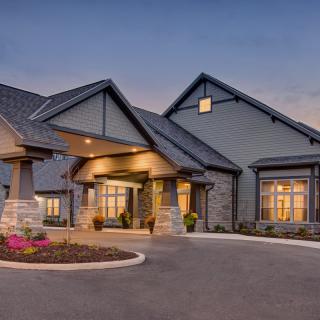
Maplewood At Cuyahoga Falls
$4,200 to $5,500 / month24.9 miles away -
About the same
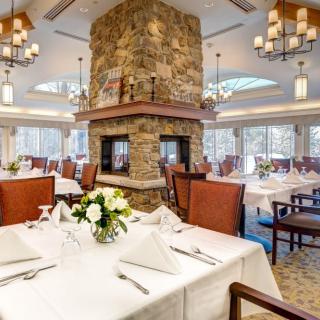
Maplewood At Chardon
$5,000 / month11.5 miles away -
from -$360 / mo
Kemper House Highland Heights
$4,590 to $6,360 / month3.7 miles away -
from -$250 / mo
Windsor Heights Memory Care & Transitional Assisted Living
$4,700 to $5,800 / month5.7 miles away -
from +$870 / mo
Sunrise at Parma
$5,820 to $8,785 / month16.8 miles away
Overall Review of Aria at Gates Mills
Pros
 The staff are consistently among the best seen across multiple facilities, with a strong commitment to a homelike setting.
- Aria provides food that smells like home and offers a variety of activities, including outside volunteers for music and chess.
- Darren, the owner, is hands-on and readily accessible when needed.
- Reviewers note that Aria provides timely, compassionate care that often surpasses expectations of typical nursing homes.
- The staff deliver amazing, compassionate, and personalized care.
- The nurse manager is wonderful, with contact information provided for families to use as needed.
- Families describe the admissions process as compassionate and understanding, and residents feel right at home.
- Aria keeps residents socially engaged, helping them feel important and secure.
Cons
 The reviews acknowledge that it isn’t perfect and note occasional communication and medical issues.
- They point out that the facility cannot legally call itself a nursing home because there is no on-site nurse 24 hours a day.
- The statements imply that issues arise at times and need to be resolved, indicating imperfect consistency.
Review
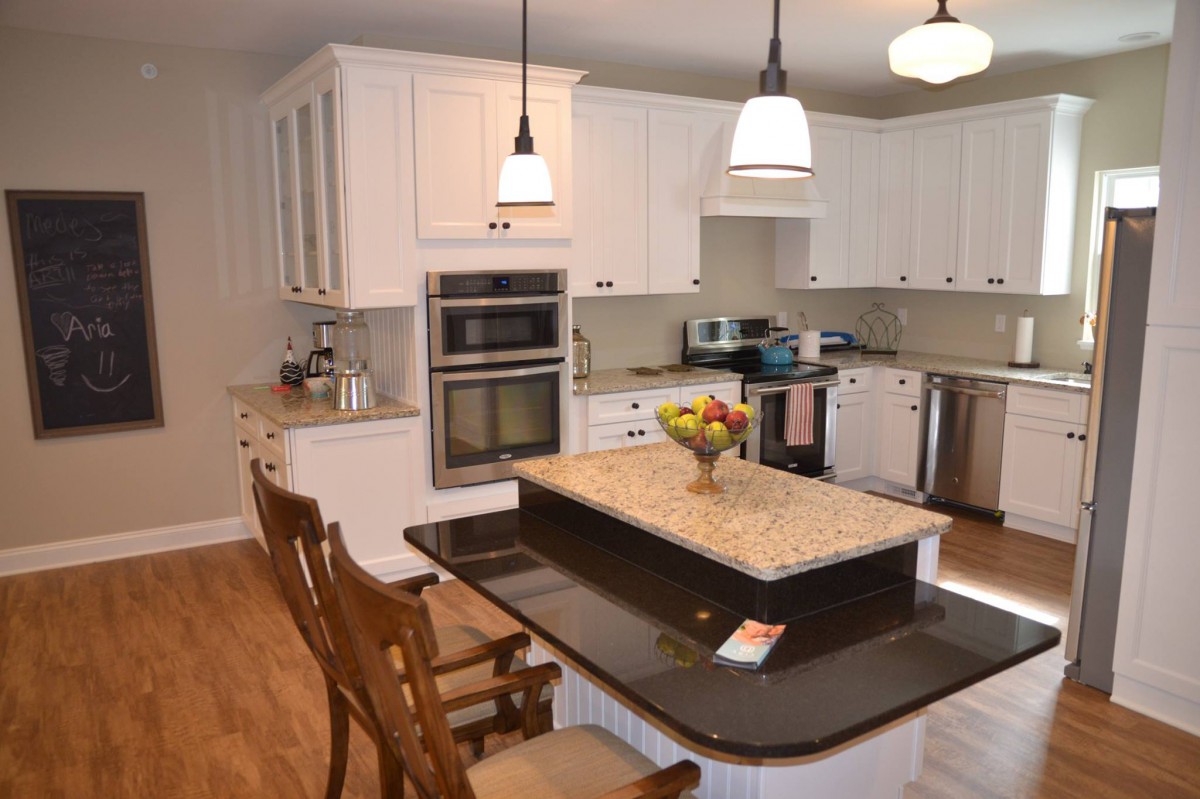
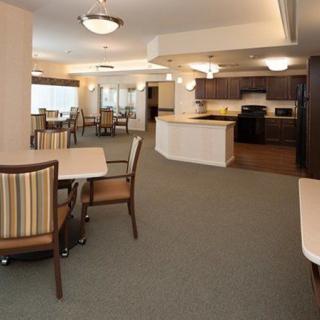
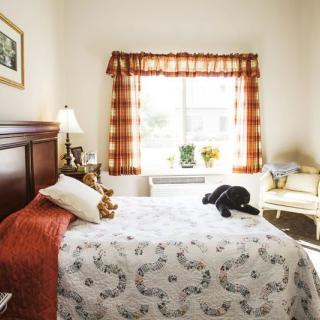
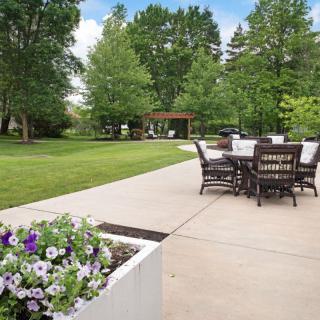
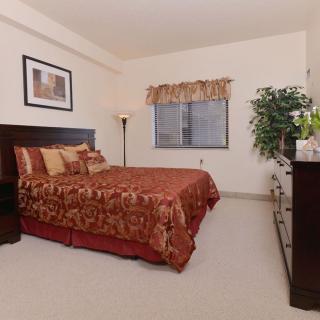
Aria at Gates Mills is best suited for seniors who want a genuinely homelike atmosphere wrapped in highly engaged, personalized care. The community is intimate, about a dozen residents, yet it delivers a surprisingly robust slate of activities, from volunteer-led music to individual enrichment like chess. Meals carry a homey aroma and the kitchen dialogue remains visible and social, which reinforces a sense of belonging rather than healthcare compartmentalization. The footprint is small enough to foster close relationships with staff, and the ownership is visibly involved; the owner’s hands-on approach translates into quicker responsiveness and a culture that treats every resident as part of a family. For families seeking a setting where daily life and social stimulation are prioritized alongside attentive care, Aria stands out as a practical, trustworthy option.
Those who may want to consider alternatives include families with substantial medical complexity requiring round-the-clock on-site nursing or those who require a more clinical, larger-scale environment. Aria is not a nursing home and legally cannot present itself as such, which matters when daily medical oversight or continuous monitoring is essential. While reviewers consistently praise timely care and individualized attention, the absence of 24/7 on-site nursing means that residents with advanced or highly unpredictable medical needs may fare better in a facility with constant licensed nursing presence. For memory care with intensive oversight, or for families prioritizing a medical-first model, larger communities with dedicated memory care wings and defined clinical pathways may be more appropriate.
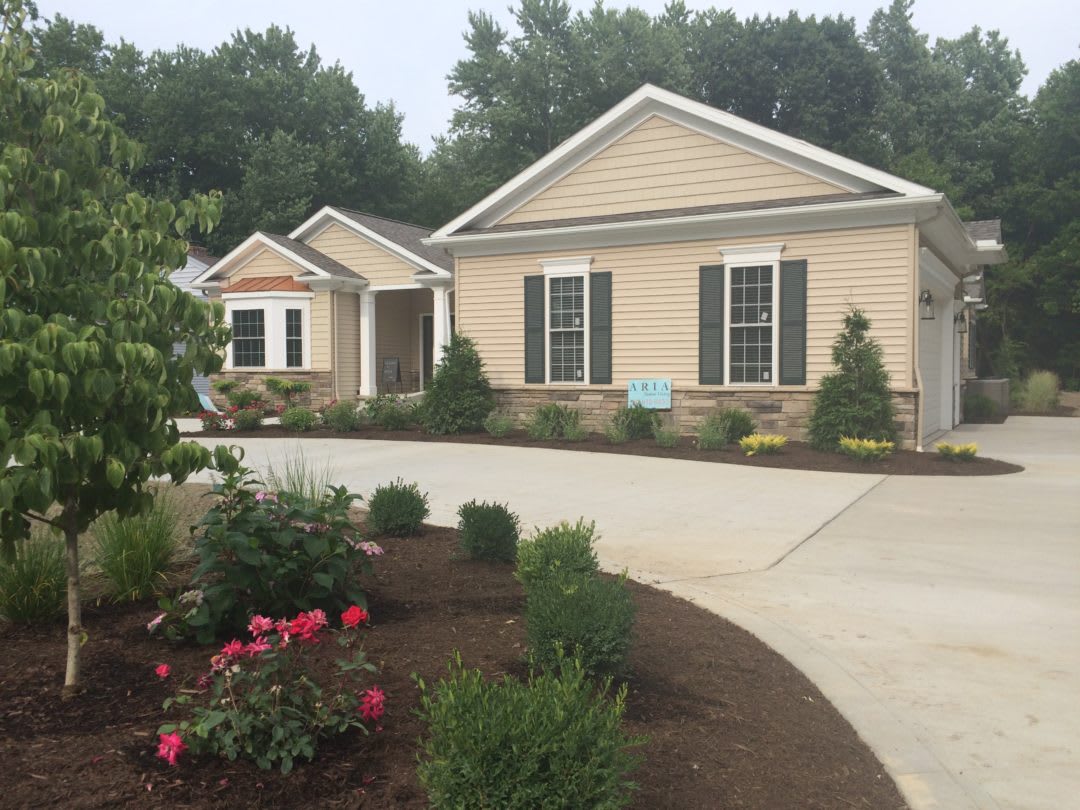
The strongest pros at Aria are its people and its culture. Staff are repeatedly described as compassionate, patient, and highly attentive, with a sense of family that permeates daily operations. The owner’s accessibility and hands-on management translate into dependable communication and swift issue resolution, which is a real asset when medical or logistical concerns arise. Residents benefit from a social framework that keeps them engaged rather than isolated, with activities that invite participation and a feeling of purpose. The small-campus design allows for intimate interactions and a kitchen-friendly atmosphere, residents can see and smell food being prepared, which enhances comfort and appetite. The care model emphasizes personalized attention, with assessments and planning initiated in home visits and a nurse manager available for ongoing guidance.
These strengths offset several notable trade-offs, but not all. The most meaningful offset is that local, proactive staff and a tightly knit workflow deliver timely responses and a sense of trust that families rarely find in larger facilities. The close-knit setting enables staff to tailor routines to individual preferences, sustain meaningful activity, and monitor subtle changes in health or mood with less friction. The three-week rotating menu and ongoing enrichment efforts help maintain continuity and dignity in daily life, particularly for residents who thrive on predictability paired with variety. The trade-off is the absence of 24/7 nursing presence, which can complicate situations requiring immediate, on-site clinical intervention. In practice, though, families report that care remains prompt and well-coordinated, mitigating most concerns through strong communication channels and a nurse manager who remains a reliable point of contact.
Another critical pro is the sense of security families feel knowing the staff truly cares about the residents’ happiness and dignity. The place is described as more than a residence; it becomes a setting where a loved one is “made to feel important” and integrated into a social life rather than kept behind doors. End-of-life care stories underscore a level of compassion and specialized attention that many families value highly. Residents appear engaged and content; volunteers and structured activities keep routines lively, and the staff’s willingness to involve families in planning reinforces trust. In short, Aria succeeds at transforming senior living into a life-with-others experience, which is precisely what many families seek when choosing a community for aging loved ones.
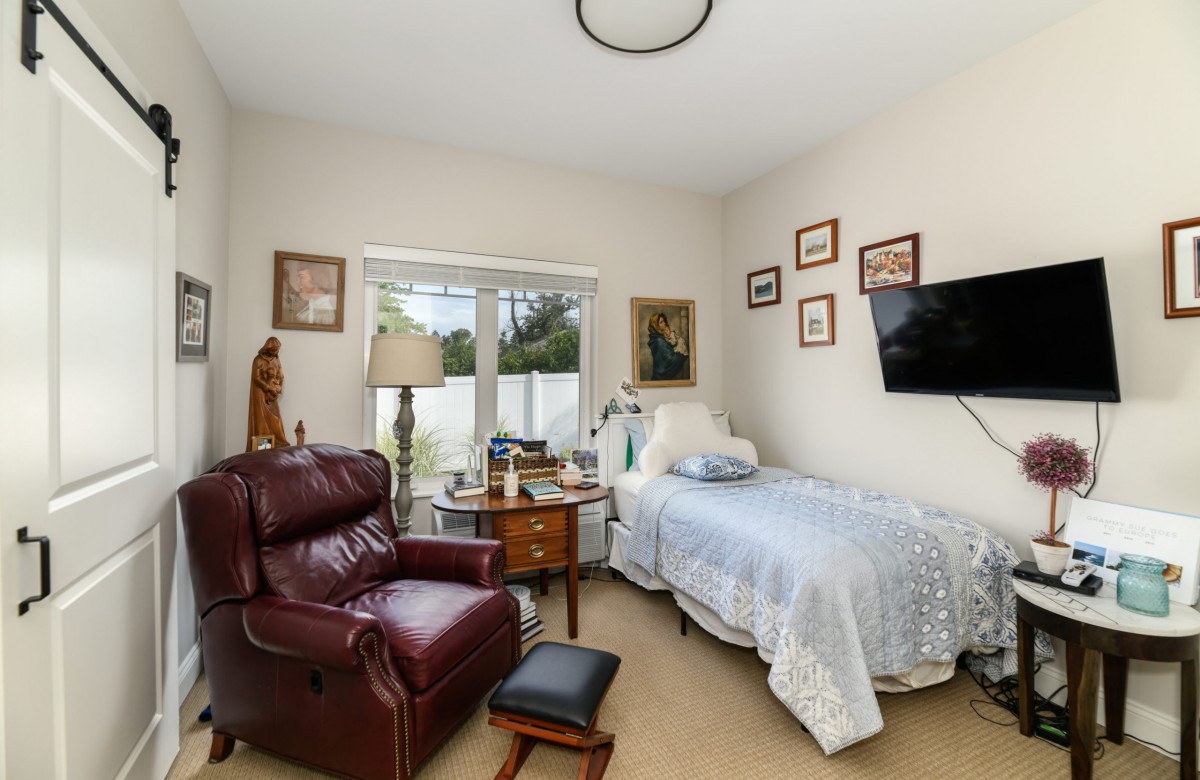
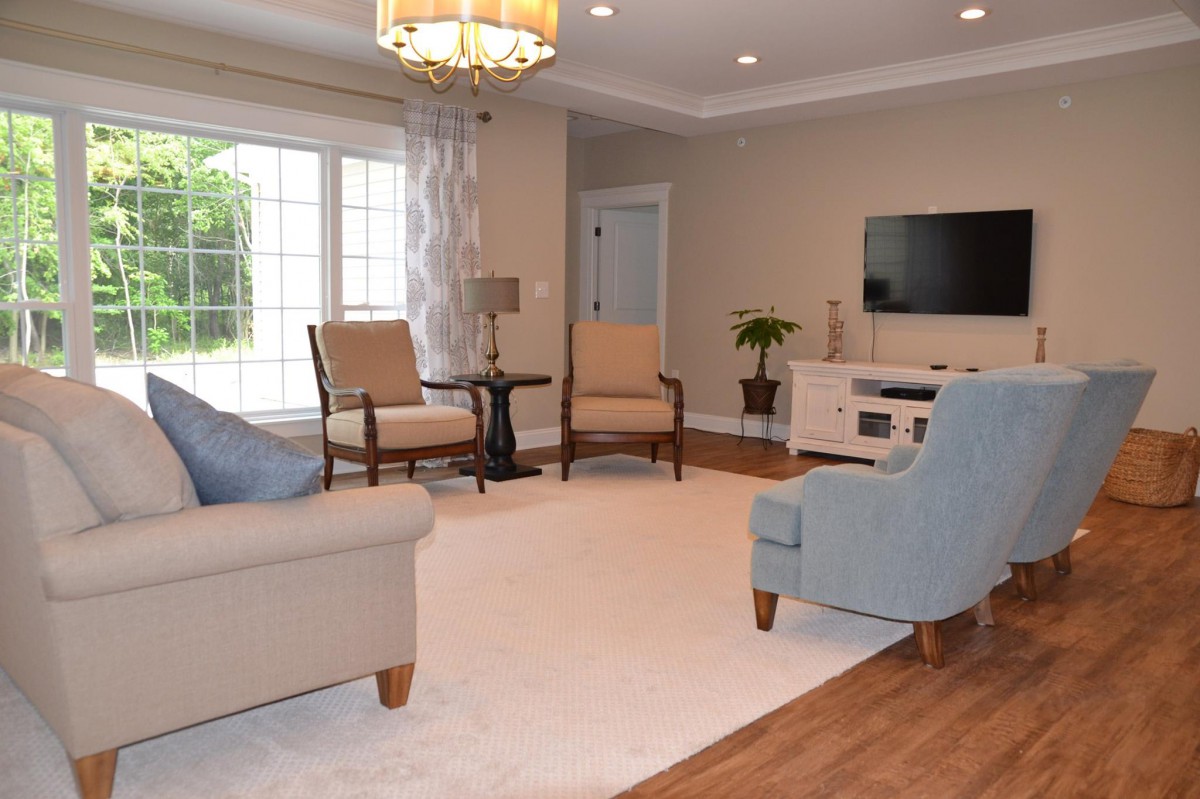
The practical takeaway is clear: Aria at Gates Mills excels for seniors who prioritize warmth, social engagement, and personalized, hands-on care within a compact, homelike environment. It is particularly strong for families who want transparent, accessible leadership, proactive communication, and a culture that treats daily life as meaningful work, where residents feel valued and residents’ families feel welcomed. However, for those whose primary need is intensive clinical oversight or a larger, more medically oriented campus, alternatives with on-site nursing and dedicated memory-care resources may better fit the medical and logistical realities of advanced aging. If proximity to family access, a tight-knit community, and a richly social schedule align with the resident’s preferences and care requirements, Aria offers a compelling, high-trust option in Gates Mills.
 Assisted Living
 Memory Care
 Cats allowed
 Dogs allowed
 Activities off-site
 Air-conditioning
 Beautician on-site
 Cable or satellite TV
 Devotional services off-site
 Handicap accessible
 Indoor common areas
 Outdoor common areas
 Private bathrooms
 Respite or short term stays offered
 Wheelchair accessible showers
 Wi-Fi/high-speed internet available
 Cleveland-Hopkins International (22 miles away)
 Ambulatory care
 Diabetic care
 High acuity care
 Incontinence care
 Medication management
 Anytime dining
 Art classes
 Catholic services
 Cooking classes
 Day trips and outings
 Educational speakers / life long learning
 Karaoke
 Live musical performances
 Live well programs
 Wine tasting
 Memory Care Pathways: A Holistic Guide to Dementia Support
 Comprehending Evening Confusion in Dementia: Causes, Manifestations, and Support
 Delirium and Dementia: Unraveling the Key Differences