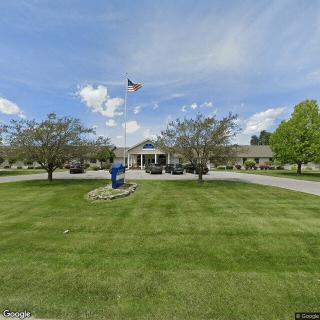
Valley View Health Campus in Fremont, OH

Save

  • Interior

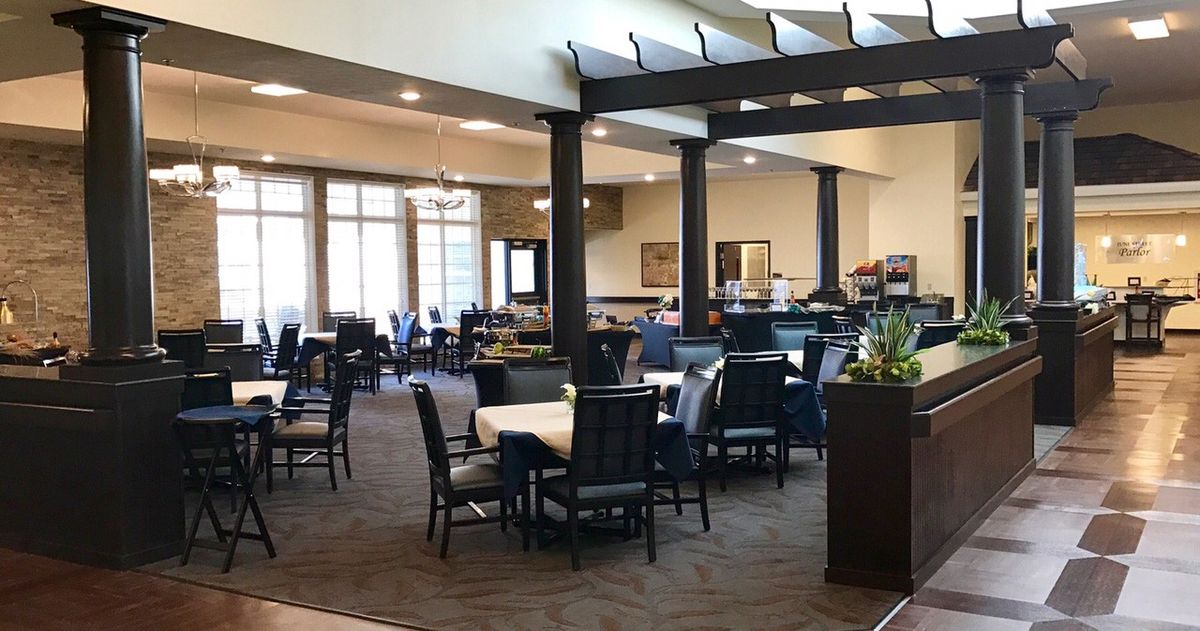
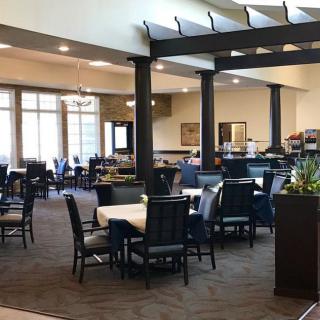
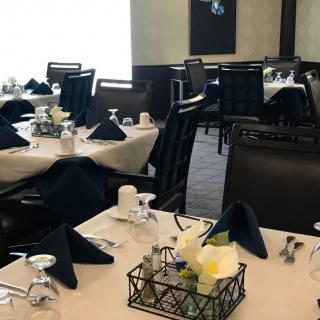
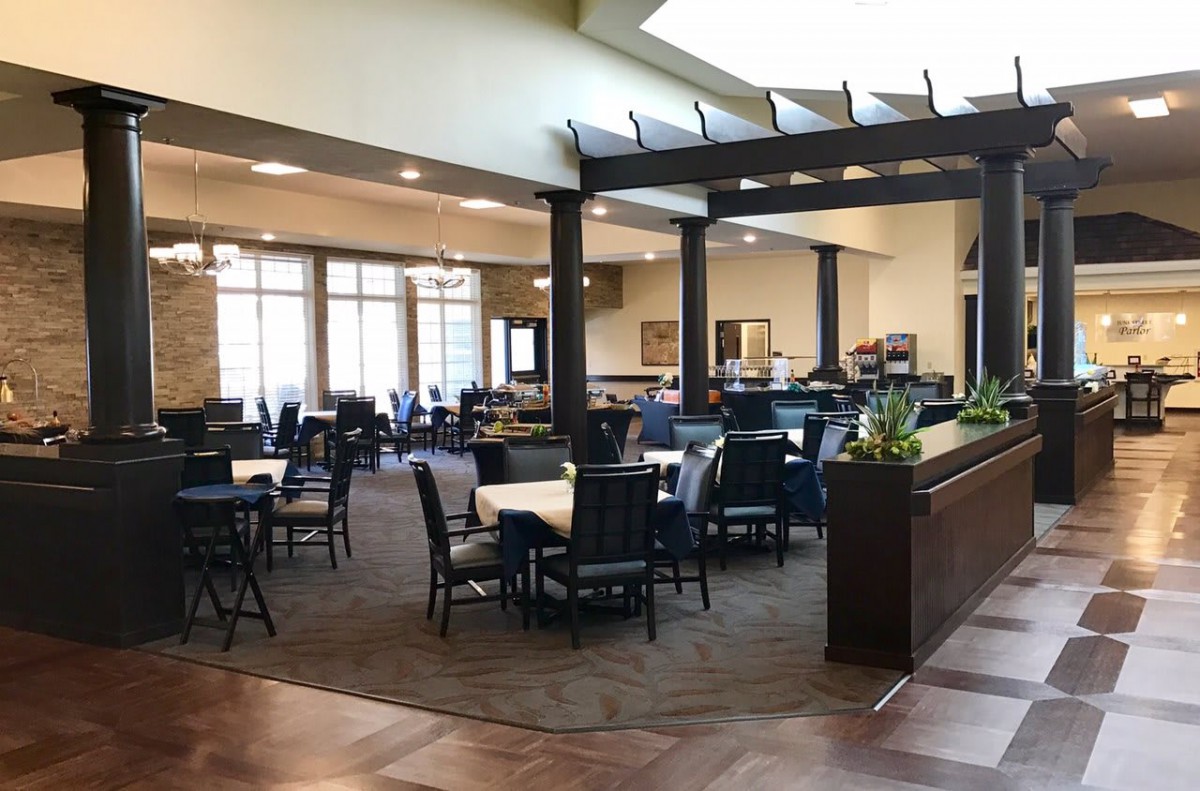
    A modern restaurant dining area with neatly arranged tables and chairs, featuring large windows and stylish interior design.
  • Decor

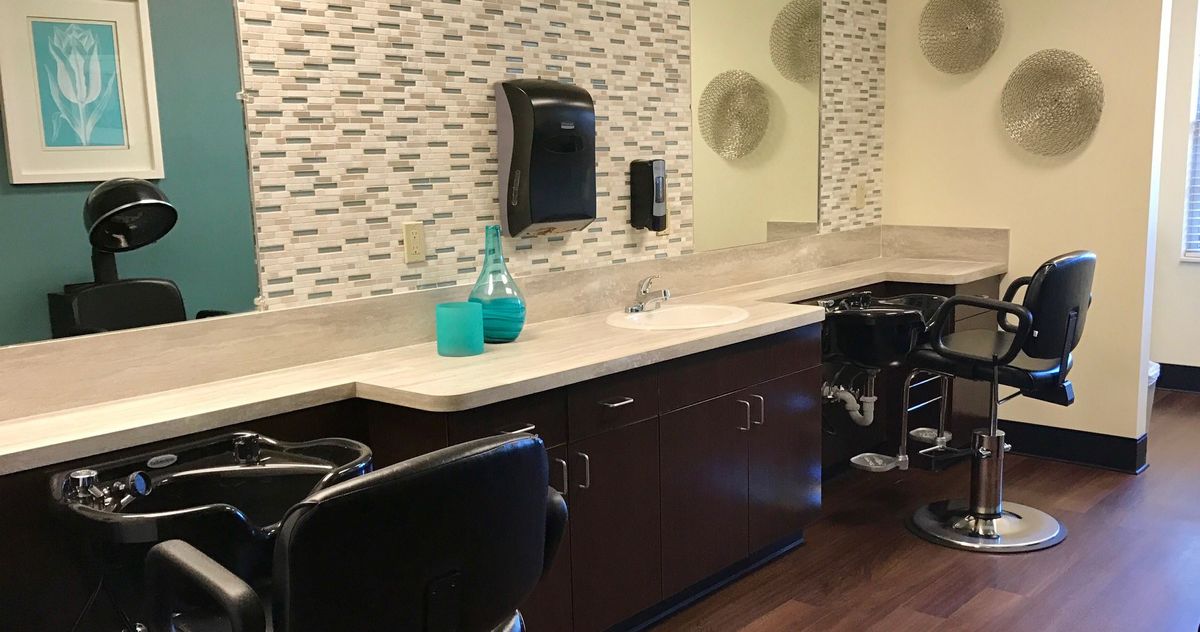
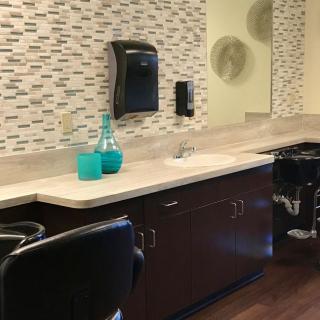
    A modern barber shop interior with chairs and a countertop featuring decorative elements.
  • Living Room

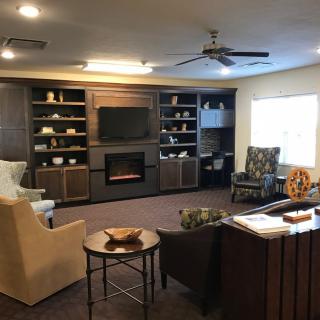
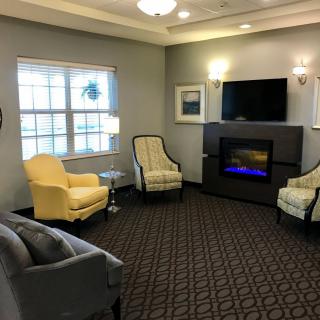
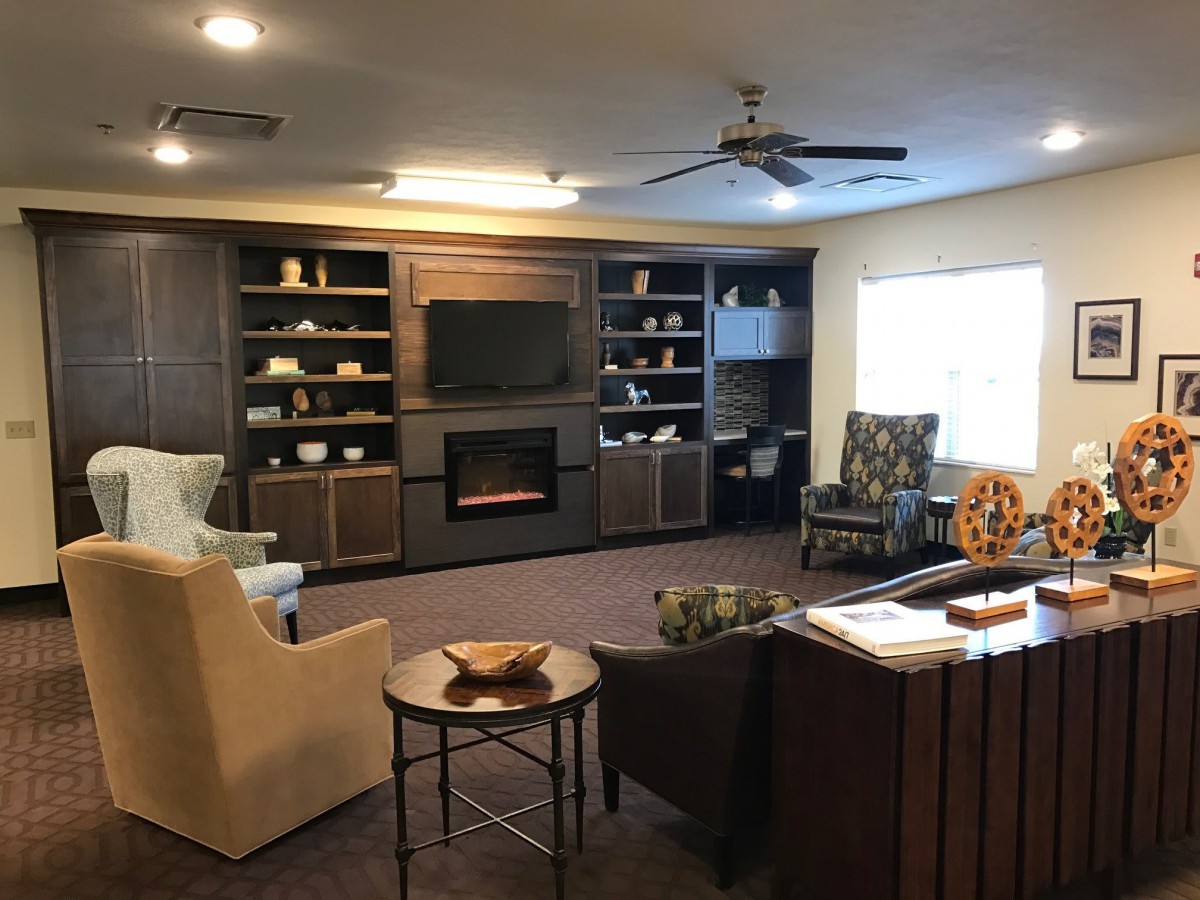
    A cozy living room with modern furnishings, featuring a fireplace, television, and built-in shelves.
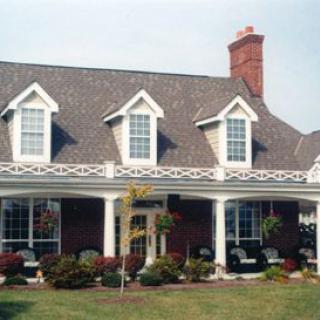
  • Building

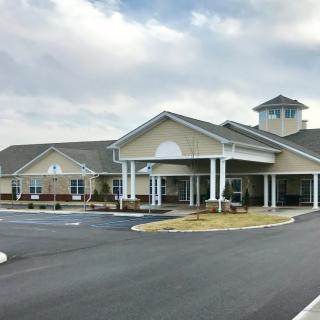
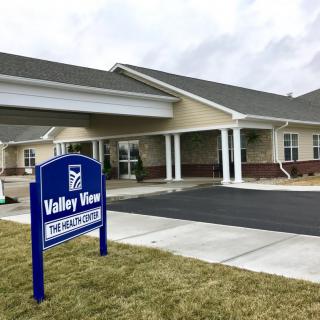
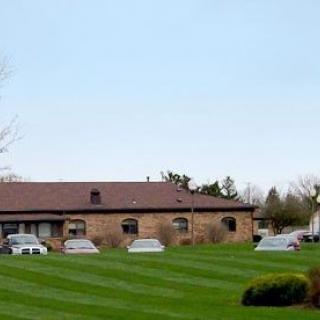
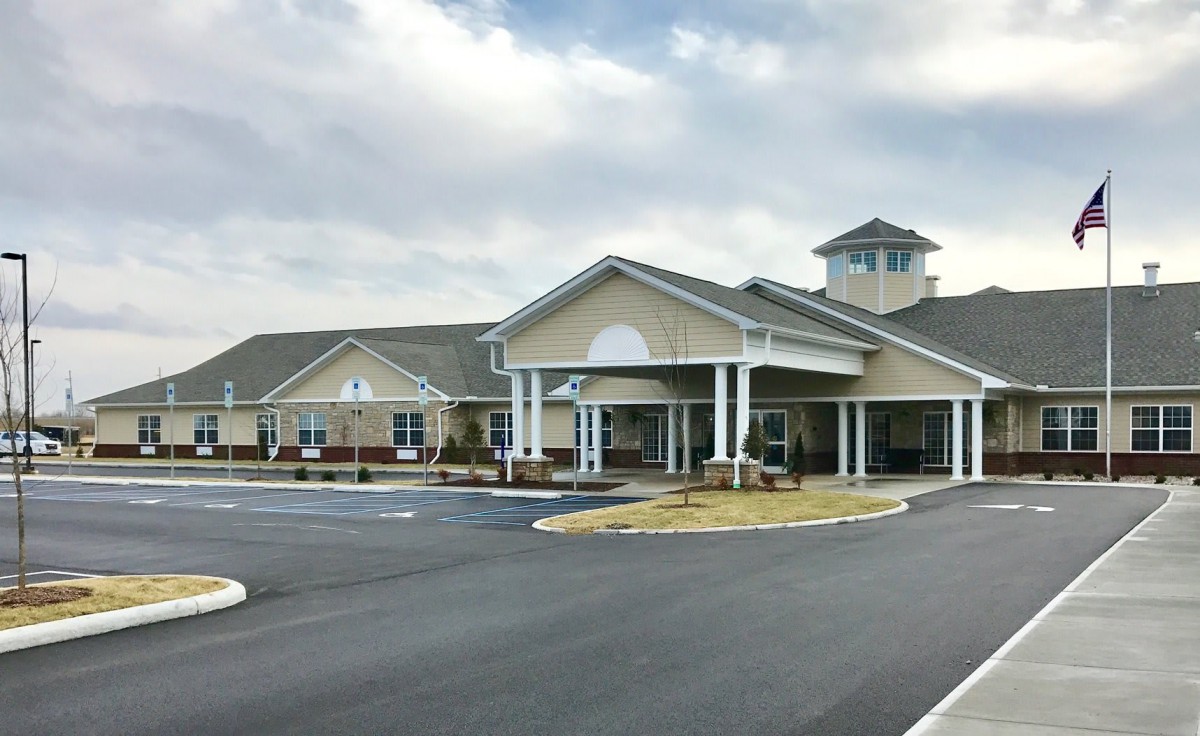
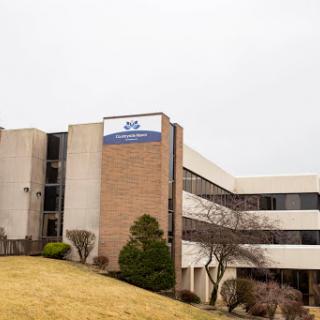
    A large, modern building with a spacious parking lot under a cloudy sky.
  • Bedroom

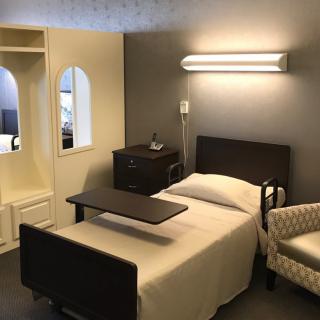
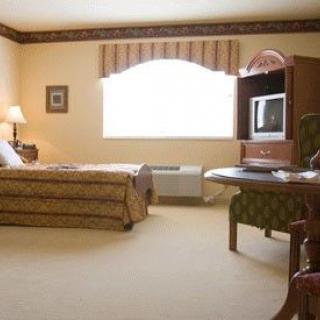
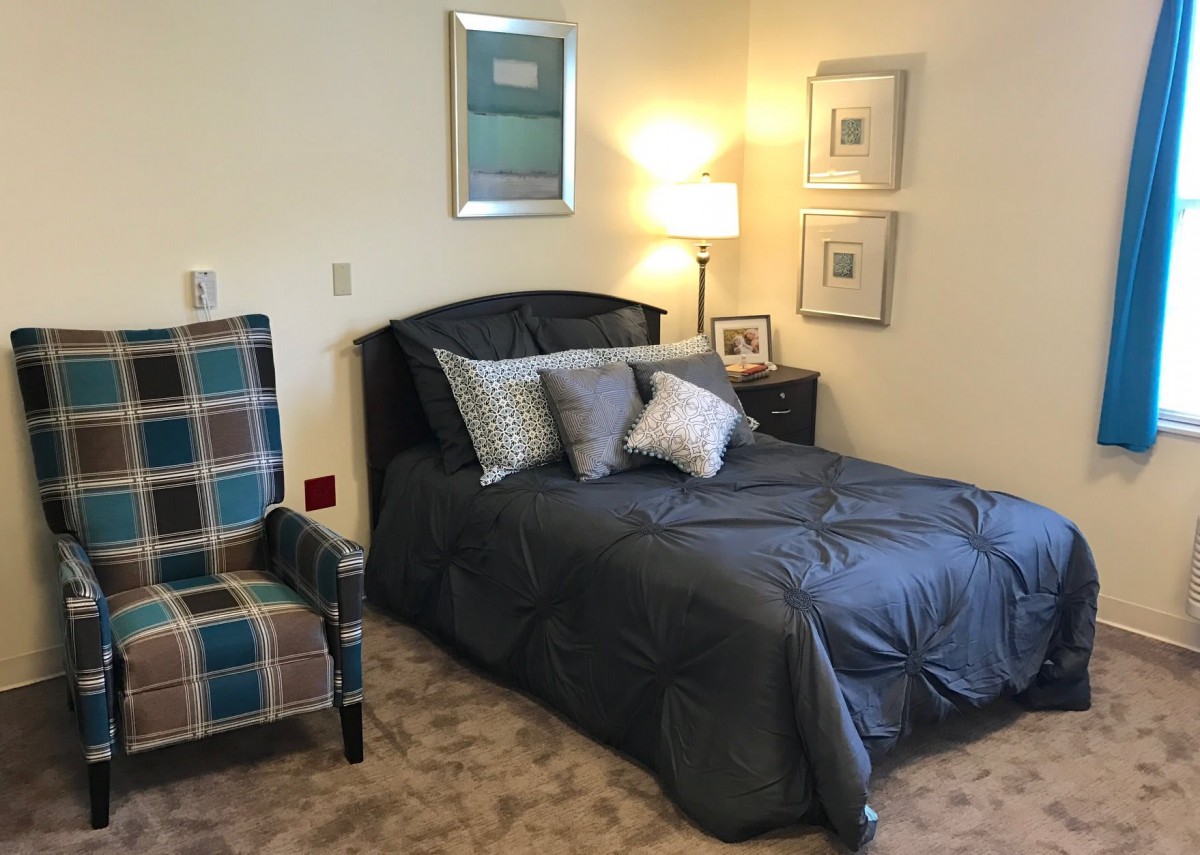
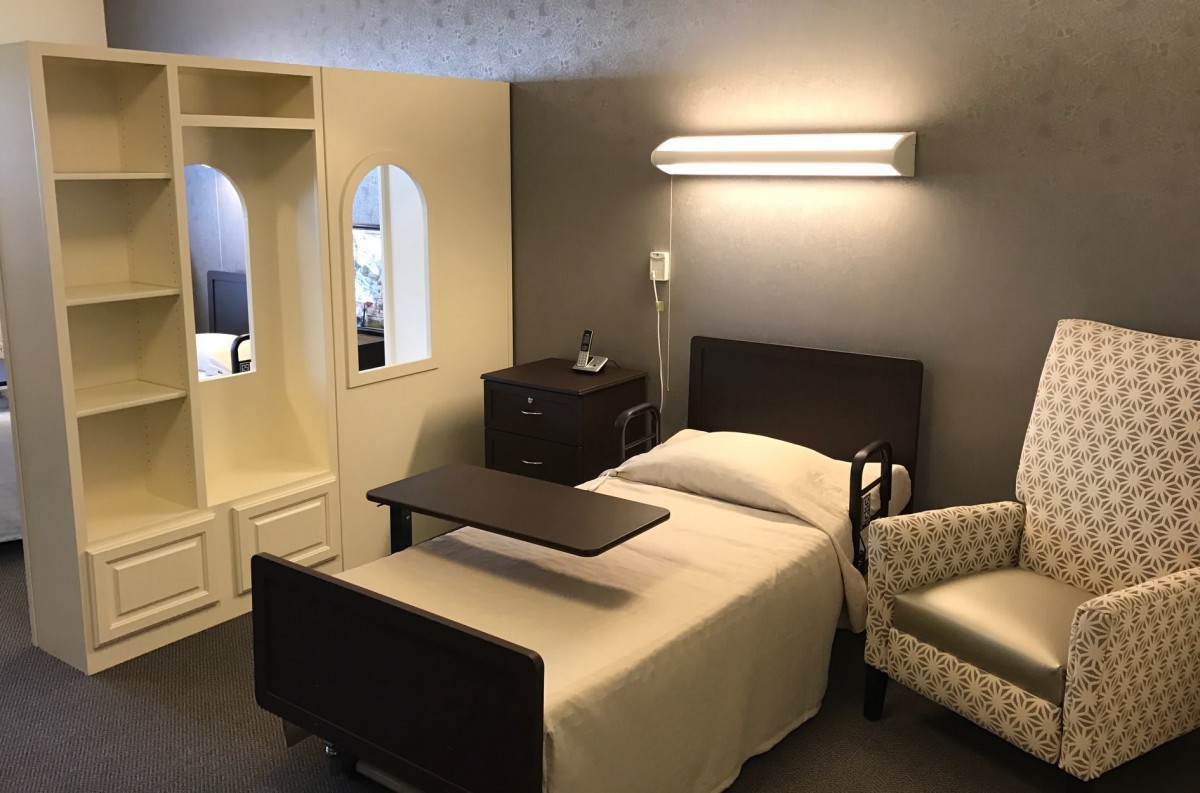
    A hospital room featuring a bed, side table, and chair under soft lighting.
  • Windows

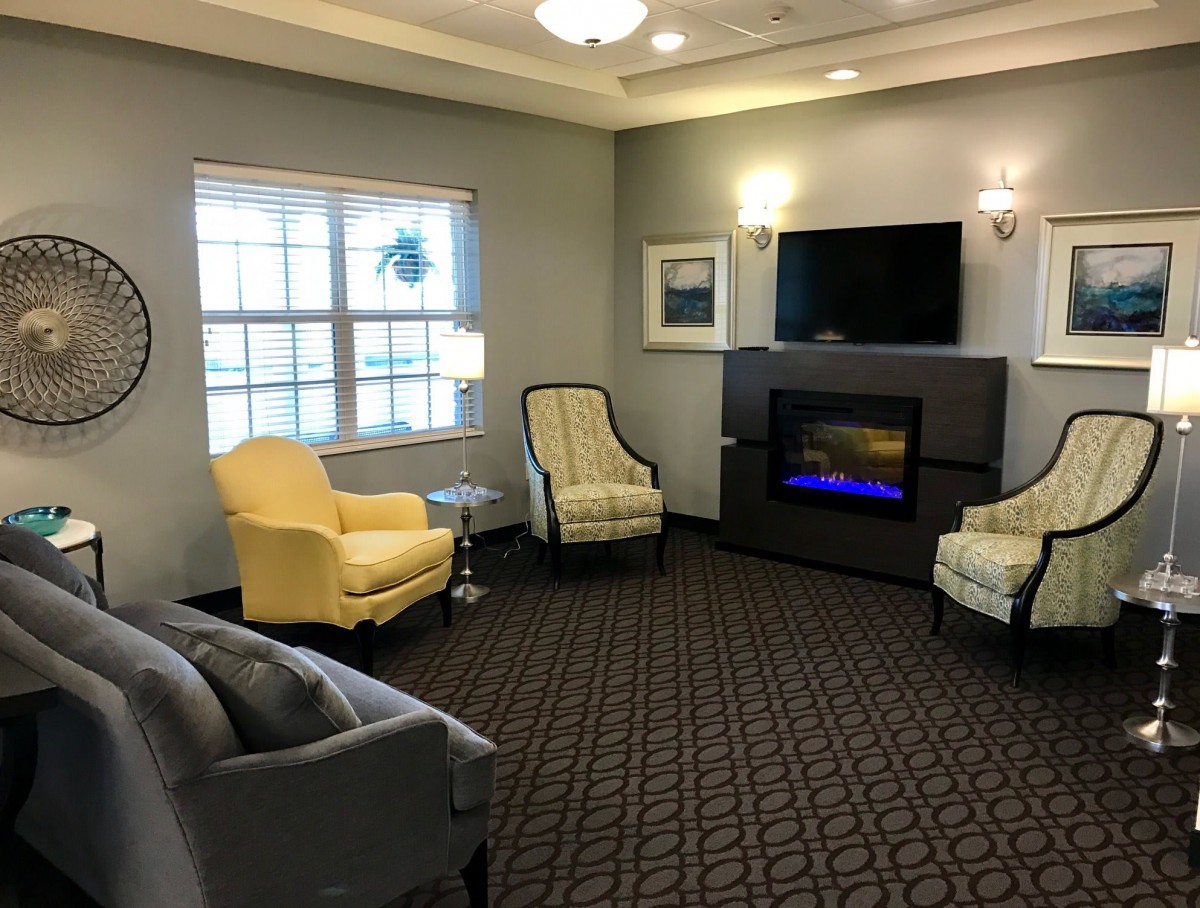
    A cozy living room with comfortable chairs, a fireplace, and a mounted television.
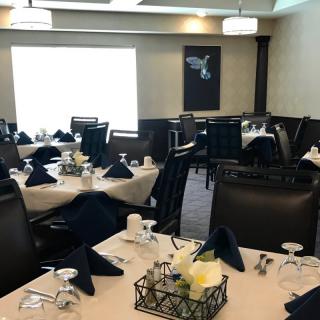
  • Dining

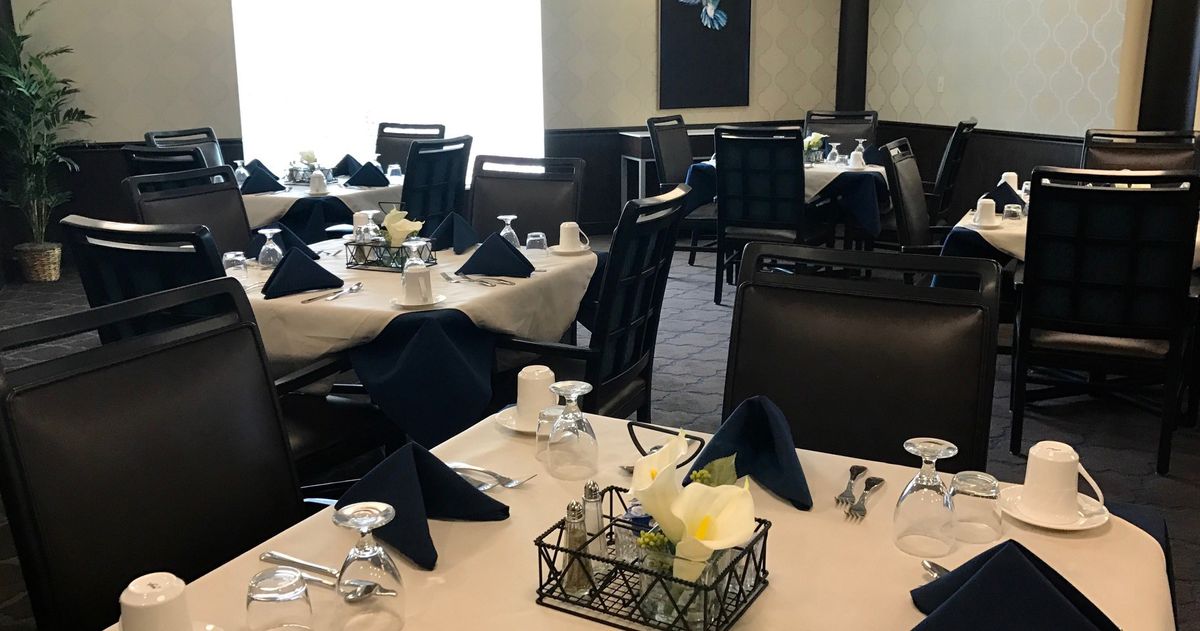
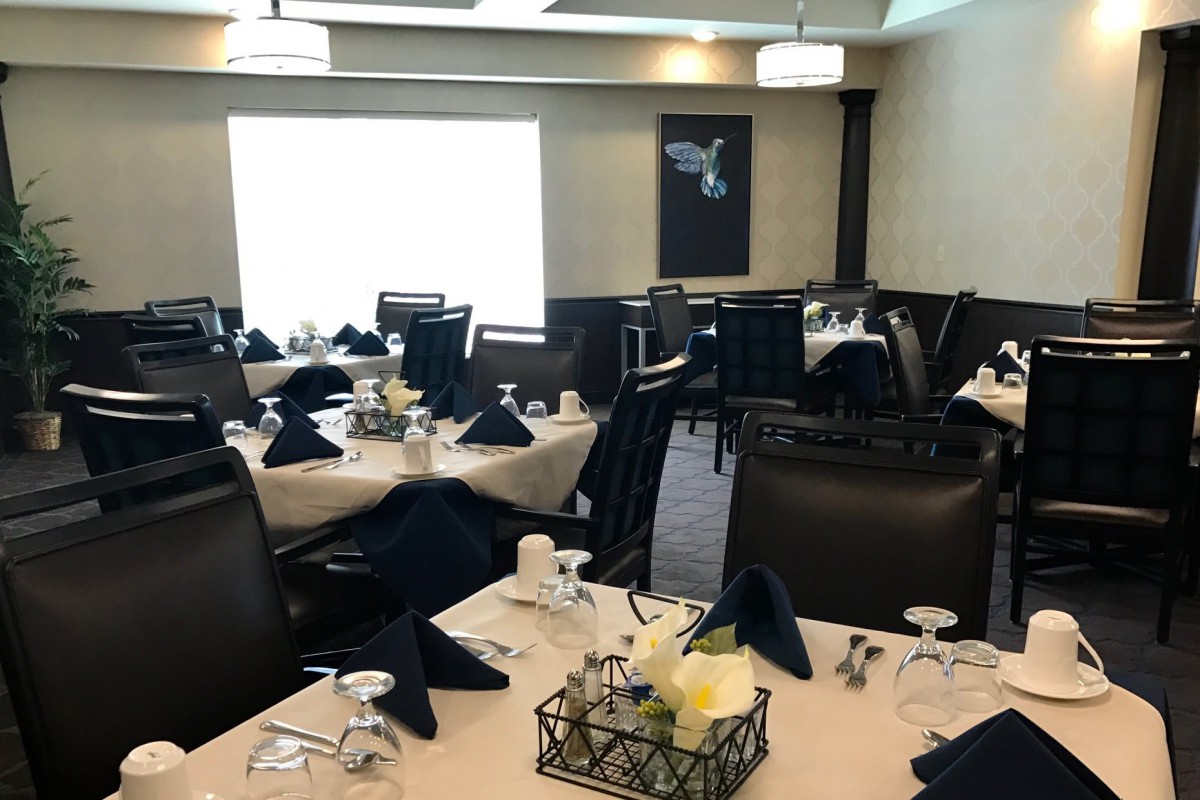
    An elegantly set dining area with neatly arranged tables and chairs.
  • Entrance

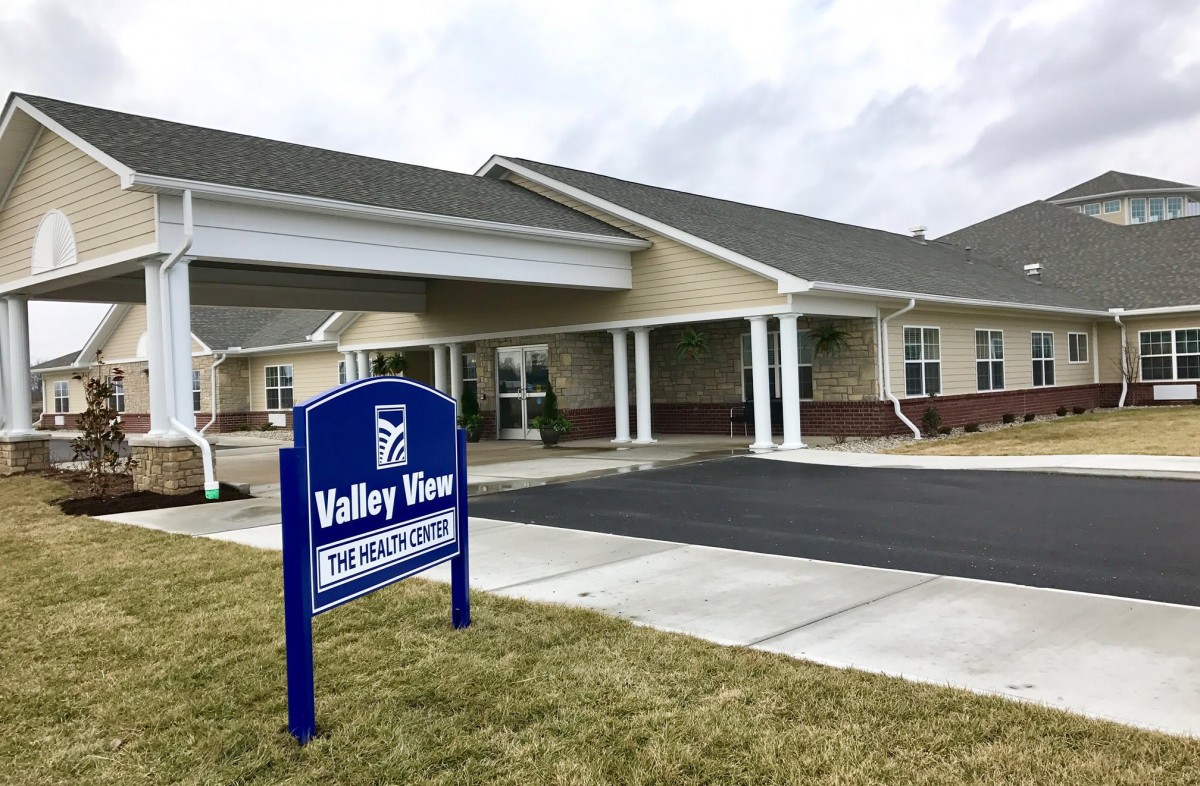
    A building with a sign for Valley View, featuring a covered entrance and parking area.
  • Artwork

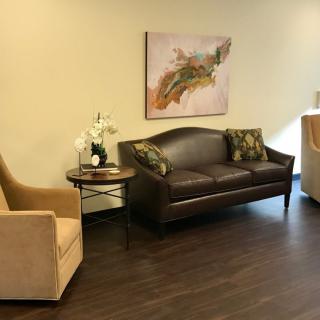
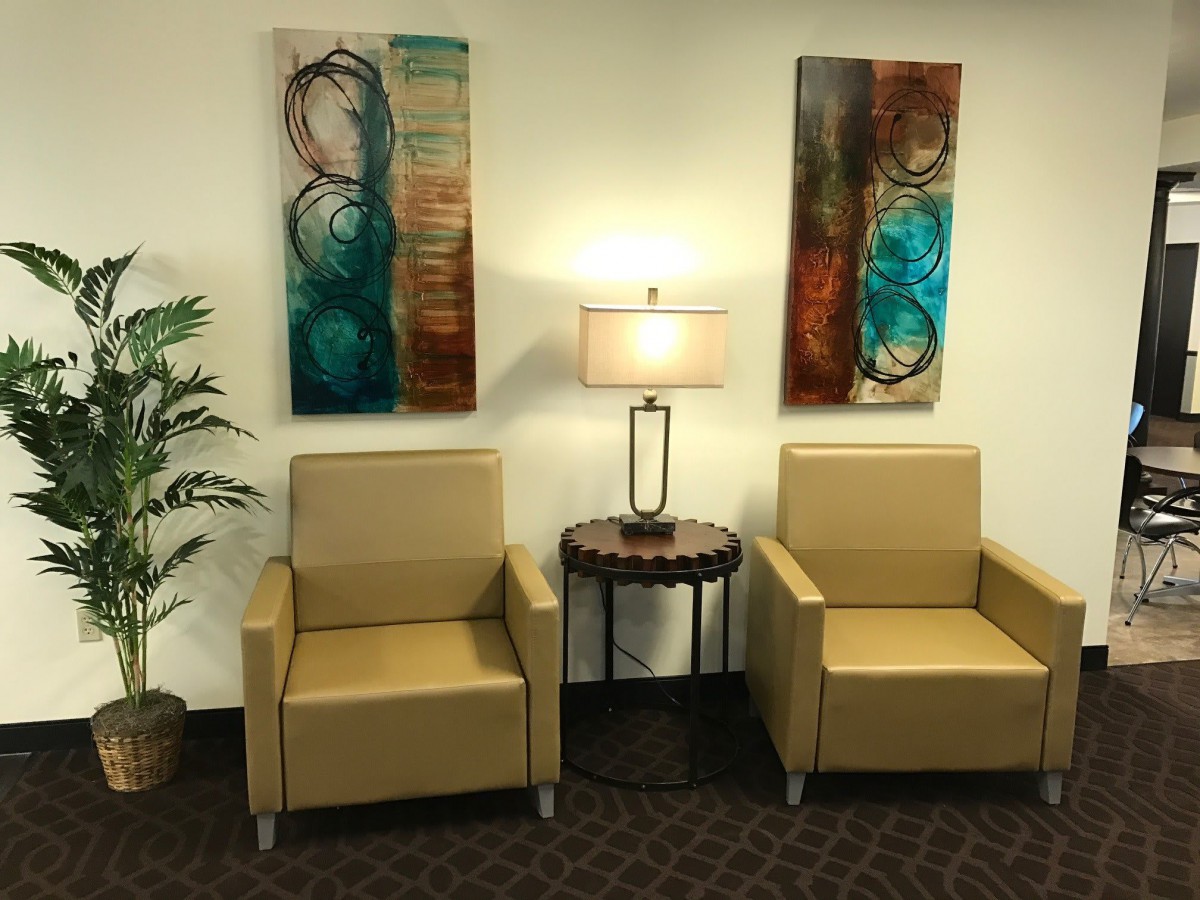
    A cozy waiting area with two beige chairs, abstract art on the walls, and a lamp on a small round table.
  • Seating Area

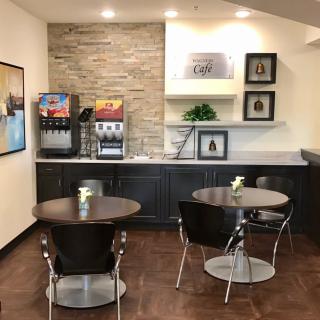
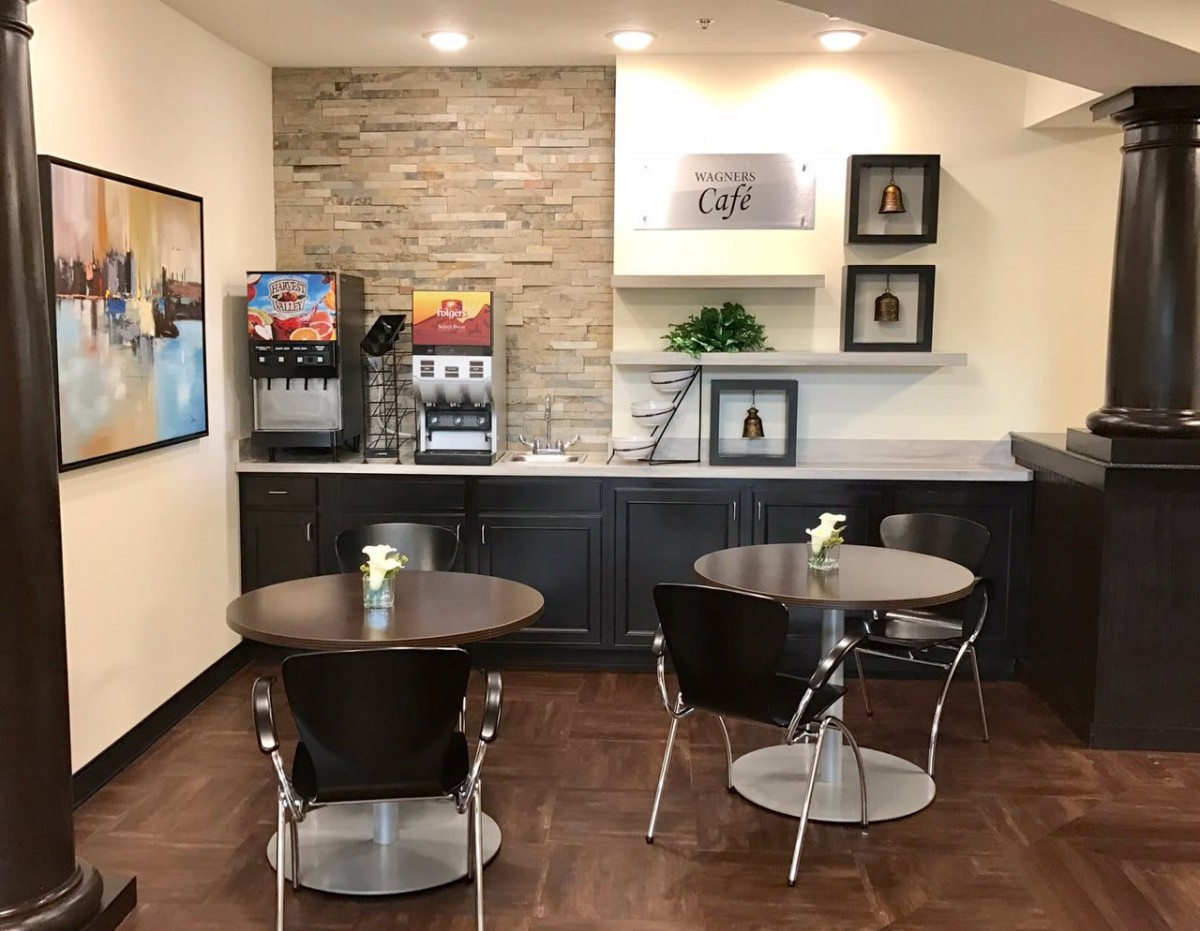
    A modern cafe seating area with tables, chairs, and a beverage station.
  • Outdoor

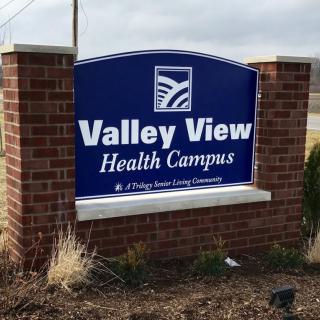
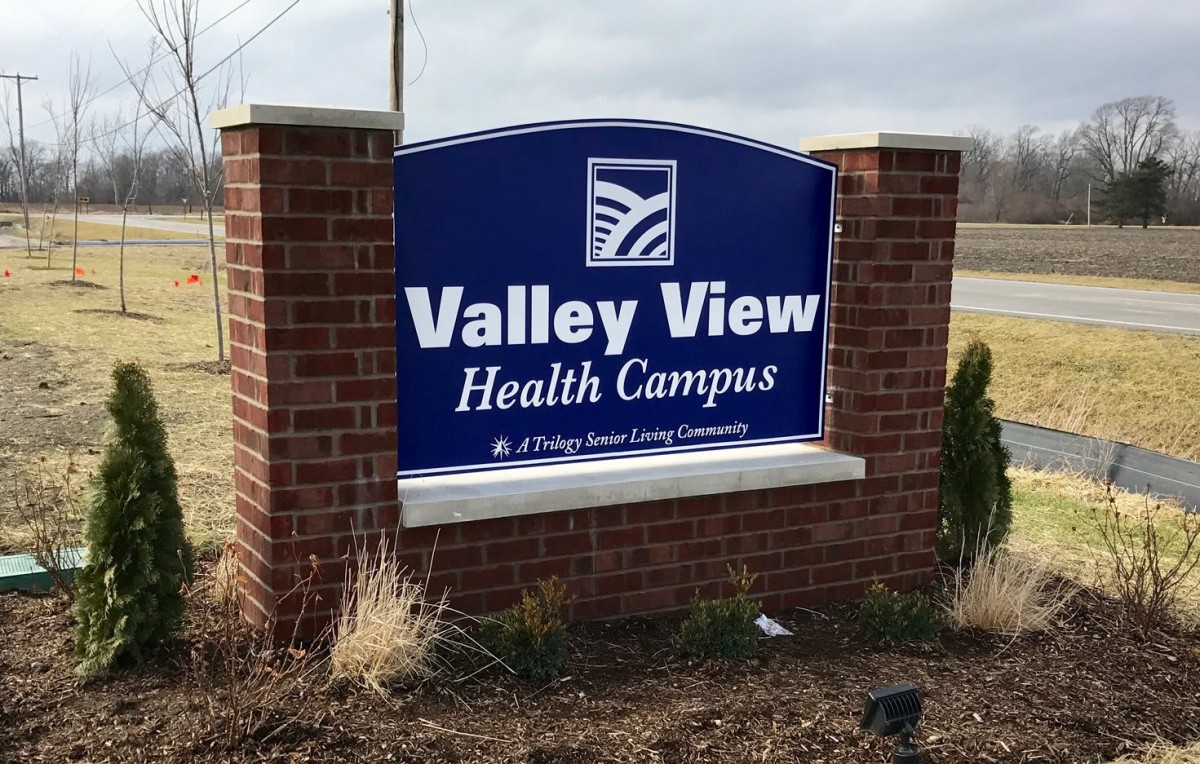
    Entrance sign for Valley View Health Campus.
  • Bookshelves

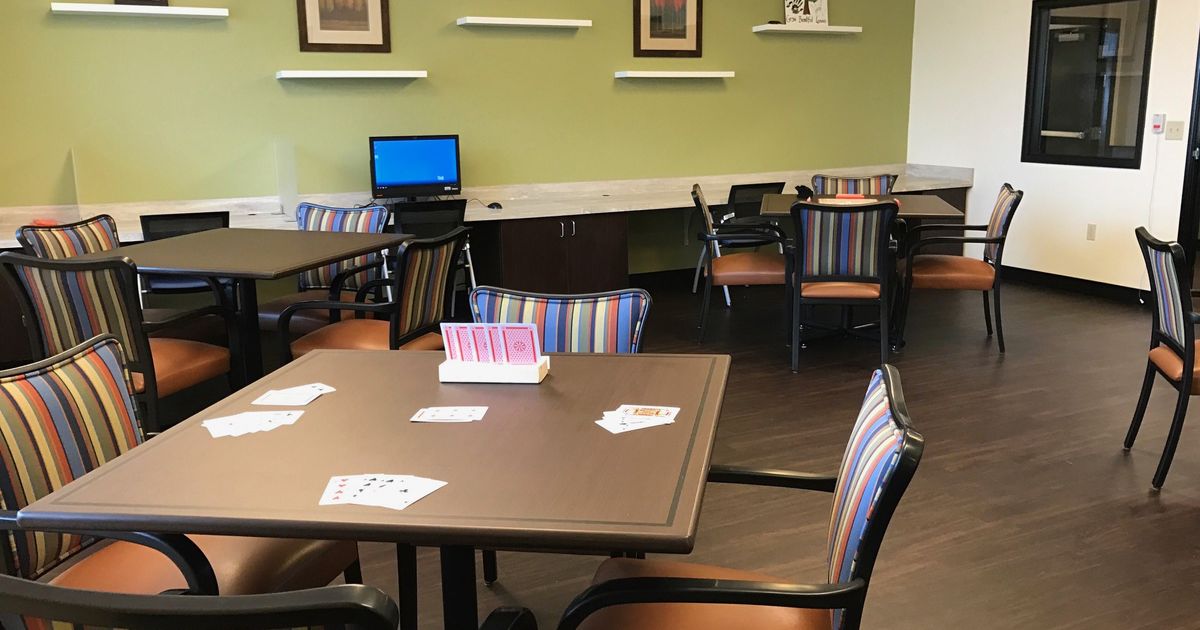
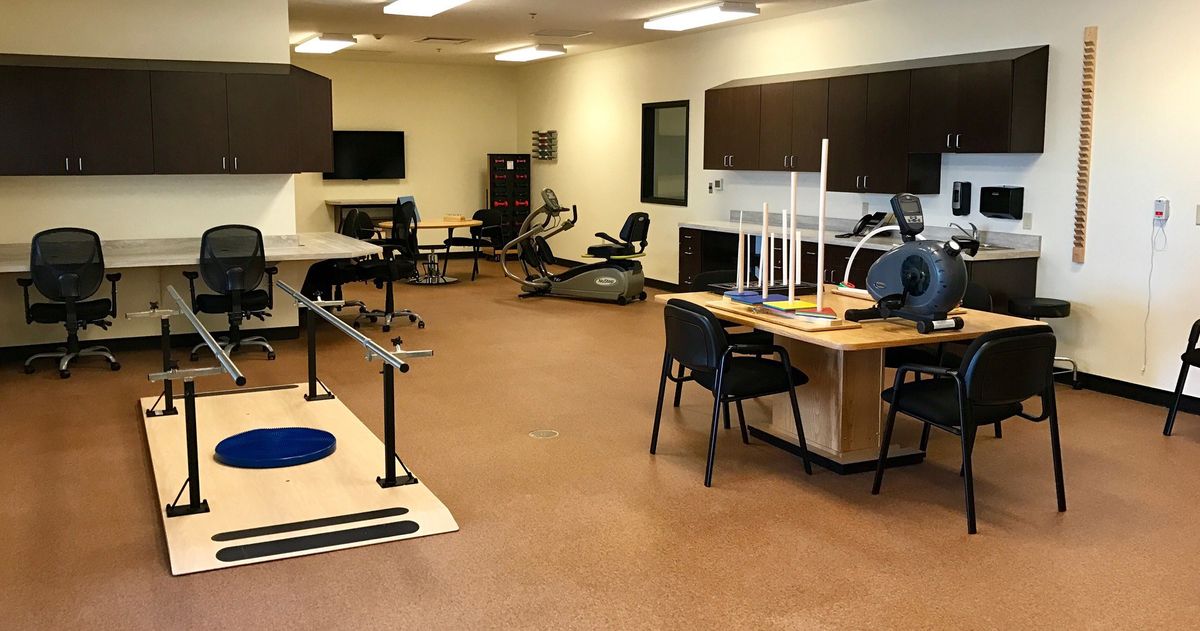
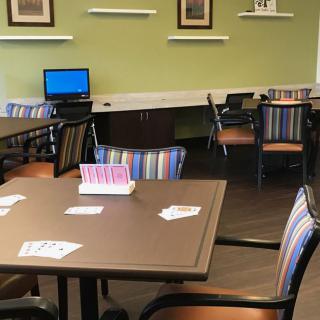
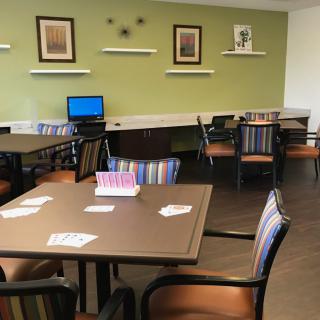
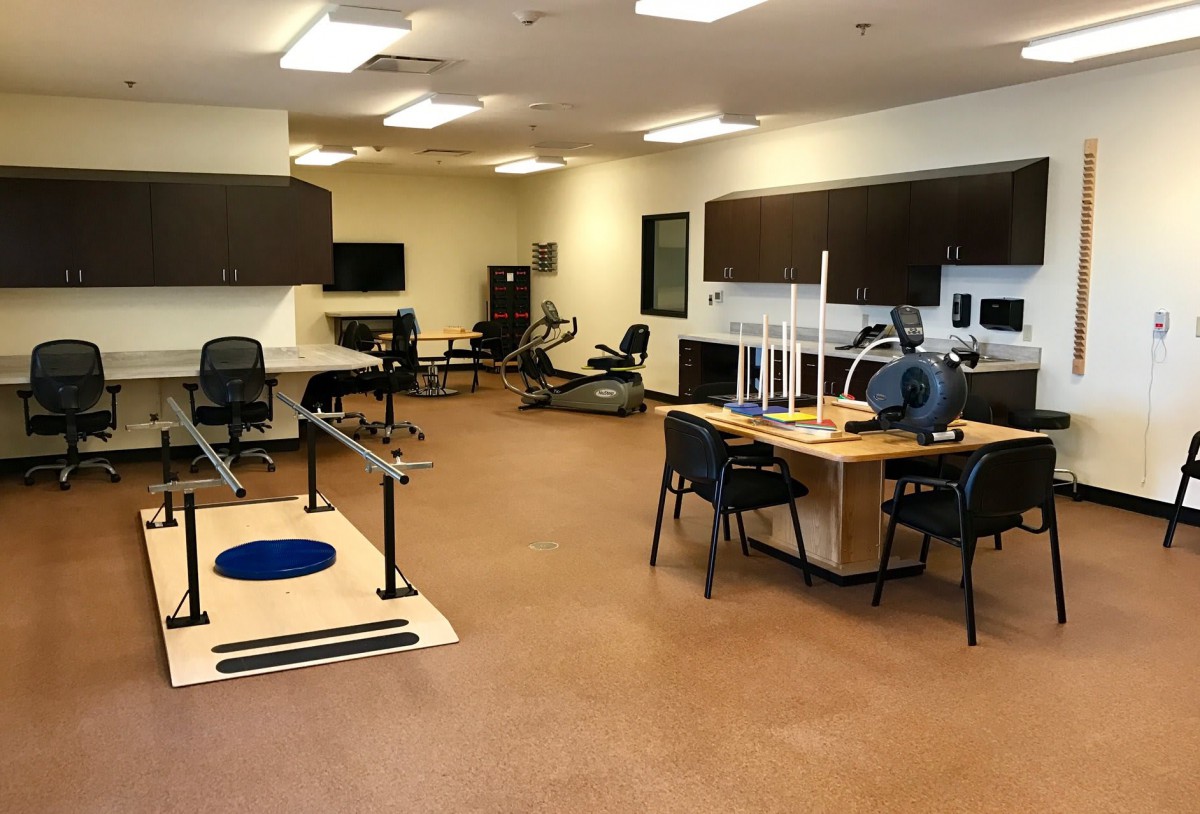
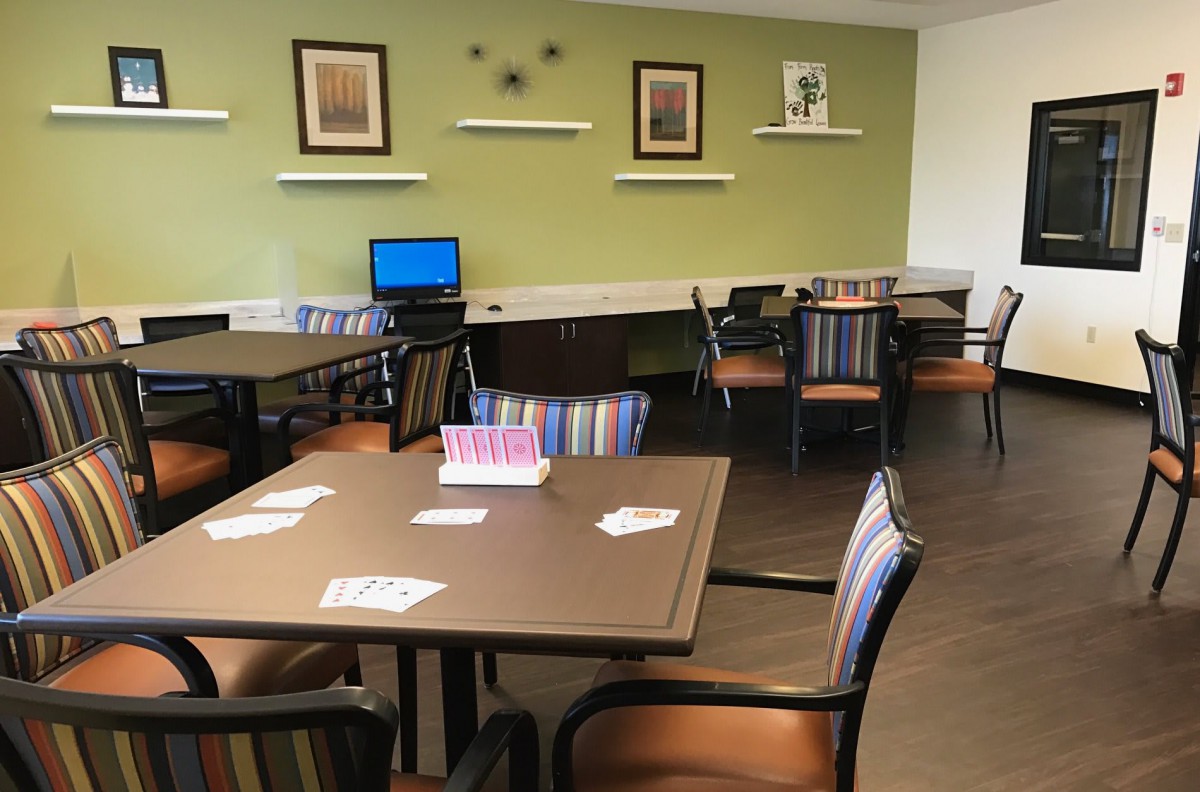
    A cozy room with tables, chairs, a computer station, and scattered playing cards.
  • Library

    A cozy library reading area featuring tables, chairs, bookshelves, and a computer station.
  • Painting

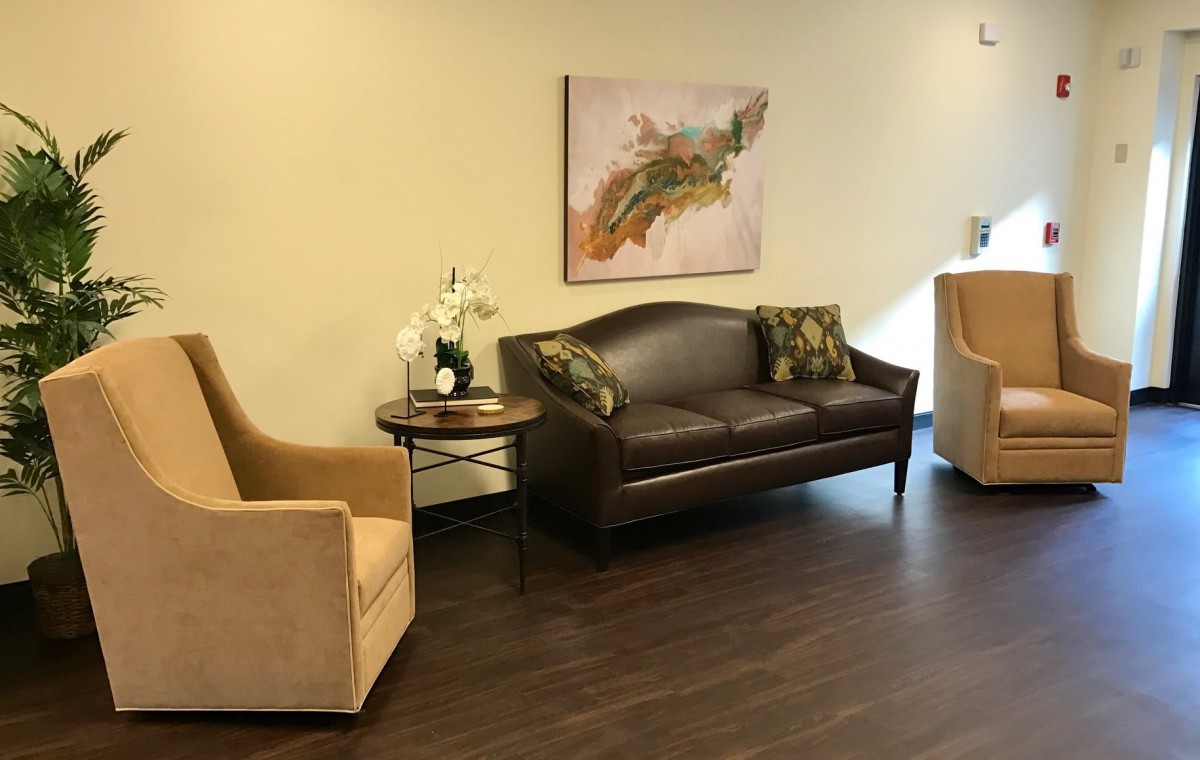
    A cozy waiting room with a sofa, chairs, and elegant decor.

Valley View Health Campus in Fremont, OH

Information last verified:

1247 North River Road, Fremont, OH 43420

For more information about senior living options: (844) 490-3973

4.4 from 60 reviews
5 stars
49
4 stars
1
3 stars
1
2 stars
2
1 stars
7

Seniors.FYI Elite Community Awards

Top 5% Senior Living Community in 2019Top 5% Senior Living Community in 2026

Add this award to your website

Valley View Health Campus Costs & Pricing

Valley View Health Campus offers competitive pricing for its residents, particularly when comparing the costs of care to those within Sandusky County and across Ohio. For a semi-private room, Valley View aligns with the county's average at $3,000 per month, which is notably lower than the state average of $3,965. Similarly, while the studio apartment option at Valley View is priced at $3,900, it remains close to Sandusky County's rate of $3,200 and is more economical than Ohio's average of $3,727. This pricing strategy not only reflects Valley View's commitment to affordability but also highlights its aim to provide quality care without sacrificing value for its residents.

Floor plansValley View Health CampusSandusky CountyOhio
Semi-Private$3,000$3,000$3,965
Studio$3,900$3,200$3,727

Overall Review of Valley View Health Campus

Pros

  • pro Valley View is a welcoming facility with kind, caring staff.
  • pro Residents experience remarkable recovery while at Valley View.
  • pro The PT department is polite and knowledgeable, and the food is outstanding.
  • pro The staff are extremely helpful and attentive in their care.
  • pro The staff greet residents warmly and make them feel welcome.
  • pro Valley View is a top-tier long-term care facility that feels homey and well maintained.
  • pro The Legacy Lane area is beautiful and calming.
  • pro Valley View is a wonderful place for rehab, with great food and delightful staff.
  • pro The environment, activities, and meals at Valley View are excellent, making residents feel cared for and thriving.
  • pro The nurses are efficient, pleasant, and easy to talk to, giving families peace of mind.
  • pro The brand-new facility is beautiful, and it is the staff who make the difference.
  • pro Valley View is a trusted choice for families seeking care for loved ones.

Cons

  • pro It is a dump.
  • pro The rehabilitation was inadequate and aftercare was not set up promptly.
  • pro There were dirty conditions and many staff members were rude, creating a clubhouse atmosphere for management with no regard for residents or families.
  • pro Promises were made but never kept.
  • pro Short-staffing led to delays and neglect, including residents not being fed on time.
  • pro The old facility on June Street was a dump.

Review

Valley View Health Campus in Fremont, Ohio, is best suited for families that want a warm, home-like setting where rehab and ongoing care are paired with active social programming. It works well for seniors who prioritize personal attention, consistent communication, and a caregiving culture that feels more like an extended family than a clinical campus. Residents in need of solid physical therapy, short-term rehabilitation after surgery, and steady long-term care will find a strong alignment here. The environment rewards involvement from loved ones and offers regular outings, community events, and a dining experience that emphasizes choice and freshness. Those who should consider alternatives include families seeking razor-sharp clinical governance with aggressive medical oversight, or households on a very tight budget where the perceived value doesn’t match cost. For memory-centric care with specialized staff training, another facility may better meet those needs.

On the upside, Valley View shines in rehabilitation and recovery outcomes. The PT department is repeatedly praised for professionalism and precise knowledge of what patients can safely do, and stories abound of residents returning home strengthened after hip or knee surgery. Food quality stands out, fresh menus, appealing dining choices, and occasional perks like an ice cream bar, that contribute to mood and appetite during recovery. The newly renovated Legacy Lane elevates the resident experience, with a home-like great room, accessible courtyard, and thoughtfully designed rooms that feel fresh and uncluttered. The care from nursing and aide staff is described as attentive and genuinely kind, with therapists collaborating closely with families to tailor plans. When rehabilitation is the primary goal, these elements translate into faster, more confident transitions back to daily life.

Equally important is the culture among staff and the sense of community Valley View cultivates. Families consistently report that caregivers are compassionate, patient, and proud of their work, greeting residents by name and sustaining a connected, respectful atmosphere. The campus runs on visible teamwork, communication across nursing, therapy, housekeeping, and dining is cited as one of the facility’s strengths, so residents rarely feel lost in the shuffle. Activities and outings keep people engaged, and staff make an effort to involve families in festivities, birthdays, and holiday moments. The kitchen program, led by a long-tenured chef, delivers menus that residents look forward to, reinforcing a feeling of home. The result is a campus where residents thrive socially and feel genuinely cared for, not simply “taken care of.”

Yet the picture is not uniformly flawless. A minority of reviews flag troubling experiences that potential residents should weigh. A few accounts describe dirty conditions, rude or inconsistent staff behavior, or care that felt rushed or insufficient, including grievances about aftercare planning or medication management in the transition from hospital to home. Several comments reference moves or room changes without clear communication, and one case mentions a failure to align rehabilitation with insurance-based expectations. These voices are important signals that not every shift in staffing or policy translates into seamless care. They contrast with the more common chorus of praise, suggesting that individual experiences can diverge, and that rigorous due diligence remains essential before choosing Valley View for a loved one with complex or highly specialized needs.

Given the strength in rehab and the evident emphasis on person-centered care, Valley View is a compelling choice for many families, particularly when a loved one values continuity, social engagement, and a dependable routine. However, care seekers should explicitly assess whether the care model meets specific needs: if long-term medical complexity or specialized memory care is required, or if a family worries about consistency in day-to-day operations, it makes sense to compare with other Fremont options. Tour the facility with questions about staffing ratios, therapy availability, and how communication is handled on weekends; request to speak with current residents or families about aftercare planning and discharge support. In parallel, verify the latest incident and quality data and observe dining and activity programming in action.

Bottom line: Valley View Health Campus delivers a robust, family-oriented rehab and long-term care experience that many families find deeply reassuring. The blend of high-quality therapy, attentive nursing, a lively activities calendar, and a welcoming food program creates a credible pathway to recovery and ongoing well-being. The strongest caveat is the presence of a few outlier experiences that underscore the reality of staffing variability and the need for careful, hands-on oversight during transitions. For families who can visit regularly, participate in planning, and ask the right questions, Valley View offers a practical, comforting home base that often proves to be the right fit. When in doubt, take a guided tour, gather current resident insights, and let the specifics of the case determine whether this campus is the optimal choice.

Features

Housing

  • 38 resident community capacity 38 resident community capacity

Types of Care

  • Assisted Living Assisted LivingAssisted living facilities provide crucial support and care for seniors who may need help with daily tasks such as medication management, bathing, and meal preparation. These communities offer a safe and comfortable environment where seniors can maintain their independence while receiving the assistance they need to thrive in their golden years.
  • Day Program Day ProgramDay programs are important for seniors because they provide a safe and supportive environment where older adults can socialize, engage in activities, receive assistance with daily tasks, and access valuable resources and services. These programs help prevent isolation and loneliness, promote mental and physical well-being, and offer a sense of purpose and community for seniors.
  • Skilled Nursing Facility Skilled Nursing FacilitySkilled Nursing Facilities are crucial for seniors as they provide round-the-clock medical care, rehabilitation services, and assistance with daily activities. These facilities ensure that seniors receive the specialized care they need to maintain their health and well-being as they age.

Amenities

  • Activities on-site Activities on-siteActivities on-site are important for seniors because they provide opportunities for socialization, mental stimulation, physical activity, and overall well-being. Engaging in activities can help seniors stay active, maintain their independence, and improve their quality of life.
  • Beautician on-site Beautician on-siteHaving a beautician on-site at a senior living community is important for seniors as it allows them to easily access grooming and personal care services, boosting their self-esteem and overall well-being. It also provides convenience and helps seniors maintain their sense of independence and personal style.
  • Beauty salon Beauty salonBeauty salons are important for seniors because they provide a space for them to feel pampered, socialize, and maintain their personal grooming and hygiene. Regular visits to a beauty salon can help boost seniors' self-esteem and overall well-being.
  • Cable or satellite TV Cable or satellite TVCable or satellite TV is important for seniors because it provides entertainment, news, and companionship, helping to combat loneliness and boredom. It also offers a wide range of programming options tailored to different interests and preferences.
  • Devotional services off-site Devotional services off-siteDevotional services off-site are important for seniors as they provide spiritual nourishment, social engagement, and a sense of community outside of the senior living facility. This can enhance overall well-being and help combat feelings of isolation and loneliness often experienced by older adults.
  • Dining room Dining roomDining rooms are important for seniors as they provide a space for socialization, connection, and nutritious meals. They offer opportunities for residents to bond over shared meals, foster a sense of community, and promote healthy eating habits. Dining rooms also ensure that seniors have access to well-balanced meals tailored to their dietary needs and preferences.
  • Fully furnished Fully furnishedFully furnished senior living communities are important for seniors because they provide convenience, comfort, and a hassle-free moving experience. Seniors can easily settle into their new living space without the stress of having to buy and move furniture. This allows them to focus on enjoying their new home and community.
  • Garden GardenGardens are important for seniors as they provide a peaceful and therapeutic environment for relaxation, physical activity, and socialization. Being in nature has been shown to reduce stress, improve mood, and promote overall well-being. Gardens also offer opportunities for seniors to engage in gardening activities, which can improve mobility, flexibility, and cognitive function. Additionally, gardens create a sense of community and connection with others who share a passion for plants and outdoor spaces.
  • Housekeeping services Housekeeping servicesHousekeeping services are important for seniors because they help maintain a clean and safe living environment, promote independence, and reduce the risk of accidents or illnesses. Additionally, having assistance with household chores can alleviate physical strain and allow seniors to focus on other aspects of their well-being.
  • Indoor common areas Indoor common areasIndoor common areas are crucial for seniors as they provide a space for socialization, recreation, and community engagement, promoting overall well-being and reducing feelings of isolation and loneliness.
  • Kitchenette KitchenetteKitchenettes are important for seniors living in senior living communities because they provide the convenience and independence of being able to prepare simple meals and snacks in the comfort of their own living space. This can help promote a sense of autonomy and well-being for seniors, allowing them to maintain some level of control over their dietary choices and daily routines.
  • Move-in coordination Move-in coordinationMove-in coordination is important for seniors because it helps ease the transition into their new living environment. It ensures that all logistics, such as packing, organizing movers, and setting up utilities are taken care of, allowing seniors to focus on settling in and adjusting to their new home. Having a smooth move-in process can alleviate stress and anxiety, making the transition smoother and more enjoyable for seniors.
  • Outdoor space Outdoor spaceOutdoor spaces are important for seniors as they provide opportunities for physical activity, social interaction, exposure to natural light and fresh air, and a sense of connection to nature. Having access to outdoor spaces can improve overall well-being and quality of life for older adults living in senior communities.
  • Respite or short term stays offered Respite or short term stays offeredRespite or short term stays provide seniors with a temporary solution when their regular caregiver is unavailable, offering them the opportunity to receive additional care and support during times of need, while also giving caregivers a chance to rest and recharge.
  • Restaurant-style dining Restaurant-style diningRestaurant-style dining is important for seniors because it allows them to enjoy delicious, nutritious meals in a social and upscale setting. This enhances their dining experience, promotes healthy eating habits, and fosters socialization with fellow residents, ultimately contributing to their overall well-being and quality of life.
  • Small library Small librarySmall libraries are important for seniors as they provide access to a variety of reading materials, including books, newspapers, and magazines. This can help stimulate their minds, keep them engaged, and provide a sense of community through book clubs and other social activities. Additionally, reading has been shown to improve cognitive function and overall mental well-being in older adults.
  • Telephone TelephoneTelephones are important for seniors as they provide a lifeline for communication with loved ones, emergency services, and healthcare providers. They offer a sense of security and independence, enabling seniors to stay connected and access assistance when needed.
  • Wheelchair accessible showers Wheelchair accessible showersWheelchair accessible showers are crucial for seniors as they provide a safe and independent bathing option for those with mobility challenges. These showers help prevent falls and allow seniors to maintain their dignity and autonomy while ensuring they can bathe comfortably.
  • Wi-Fi/high-speed internet available Wi-Fi/high-speed internet availableWi-Fi/high-speed internet is important for seniors to stay connected with loved ones, access online resources, and participate in virtual activities to combat feelings of loneliness and isolation. It also allows them to easily manage healthcare needs, access entertainment, and engage in lifelong learning opportunities.

Care Services

  • 24-hour call system 24-hour call system24-hour call systems are important for seniors because they provide peace of mind and immediate assistance in case of emergencies. This technology ensures that help is always available, promoting safety and security for elderly individuals living alone or in assisted living facilities.
  • 24-hour supervision 24-hour supervision24-hour supervision is important for seniors to ensure their safety, well-being, and access to immediate assistance in case of emergencies or health issues. This constant support provides peace of mind for both seniors and their loved ones, allowing them to age in place with dignity and security.
  • Activities of daily living assistance Activities of daily living assistanceActivities of daily living assistance are important for seniors because they provide essential support with tasks such as eating, bathing, dressing, and mobility. This assistance helps seniors maintain their independence, dignity, and overall quality of life as they age.
  • Ambulatory care Ambulatory care"Ambulatory care services provide essential medical support and treatment to seniors without requiring hospitalization, allowing them to maintain their independence and quality of life while managing chronic conditions or receiving routine medical care."
  • Assistance with bathing Assistance with bathingAssistance with bathing is crucial for seniors as it helps maintain personal hygiene, prevents infections, and ensures their overall well-being and comfort. It also provides a sense of dignity and independence for seniors who may struggle with this task on their own.
  • Assistance with dressing Assistance with dressingAssistance with dressing is important for seniors because it helps maintain their independence, promotes personal hygiene, prevents accidents and injuries, and improves overall quality of life. This service ensures that seniors can continue to dress comfortably and confidently, despite any physical limitations they may have.
  • Assistance with transfers Assistance with transfersAssistance with transfers is crucial for seniors as it helps prevent falls and injuries, maintains their independence, and ensures they can safely navigate their living environment. It also provides peace of mind for both seniors and their loved ones.
  • Coordination with health care providers Coordination with health care providersCoordination with health care providers is crucial for seniors to ensure proper medical care, medication management, and overall well-being. This collaboration helps prevent overlapping treatments, track progress more effectively, and provide comprehensive support tailored to individual needs.
  • Diabetes diet Diabetes dietA diabetes diet is crucial for seniors as it helps manage blood sugar levels, reduce risks of complications, and improve overall health and well-being. By following a balanced and nutritious diet tailored to their specific needs, seniors can better control their diabetes and enhance their quality of life.
  • Diabetic care Diabetic careDiabetic care is crucial for seniors as they are more susceptible to developing diabetes due to aging and other health conditions. Proper management of diabetes can help prevent complications such as heart disease, vision loss, and nerve damage, improving the overall quality of life for seniors in senior living communities.
  • Incontinence care Incontinence careIncontinence care is essential for seniors to maintain their dignity, hygiene, and overall quality of life. By addressing incontinence issues promptly and effectively, seniors can enjoy a sense of independence and comfort in their daily activities.
  • Meal preparation and service Meal preparation and serviceMeal preparation and service are crucial for seniors as they may have limited mobility or energy to cook nutritious meals. Having access to healthy and convenient food options can ensure they are getting the proper nutrition needed to maintain their overall health and well-being.
  • Medication management Medication managementMedication management is crucial for seniors to ensure they are taking the right medications at the correct dosages and times. This helps prevent adverse drug interactions, reduces the risk of medication errors, and promotes overall health and well-being. Proactive management also allows for adjustments as needed based on changing health conditions or new prescriptions.
  • Mental wellness program Mental wellness programMental wellness programs are essential for seniors as they promote cognitive stimulation, emotional support, and social engagement. These programs help prevent isolation, depression, and cognitive decline, ultimately enhancing the overall quality of life for older adults.
  • Special dietary restrictions Special dietary restrictionsSpecial dietary restrictions are important for seniors because age-related changes in metabolism and health conditions can make it difficult for their bodies to process certain foods. By following a diet tailored to their specific needs, seniors can maintain their overall health and well-being, manage chronic conditions, and reduce the risk of complications such as malnutrition or food interactions with medications.
  • Transportation arrangement (medical) Transportation arrangement (medical)Transportation arrangements for medical purposes are essential for seniors as they may have difficulty driving themselves to appointments or accessing public transportation. Having reliable and safe transportation options ensures that seniors can receive timely medical care and maintain their health and well-being.
  • Transportation to doctors appointments Transportation to doctors appointmentsTransportation to doctors' appointments is crucial for seniors as it ensures they have access to necessary medical care and support for their health needs. Without reliable transportation, seniors may struggle to attend important appointments, leading to potential delays in treatment and health complications. Providing transportation services helps seniors maintain their overall well-being and quality of life.

Dining

  • Diabetes diet Diabetes dietA diabetes diet is crucial for seniors as it helps manage blood sugar levels, reduce risks of complications, and improve overall health and well-being. By following a balanced and nutritious diet tailored to their specific needs, seniors can better control their diabetes and enhance their quality of life.
  • Meals provided Meals provided"Meals provided" are crucial for seniors in assisted living communities as it ensures they have access to nutritious, balanced meals without the stress of meal planning and preparation. This can help promote overall health and well-being for seniors who may have limited mobility or cognitive abilities.
  • Special dietary restrictions Special dietary restrictionsSpecial dietary restrictions are important for seniors because age-related changes in metabolism and health conditions can make it difficult for their bodies to process certain foods. By following a diet tailored to their specific needs, seniors can maintain their overall health and well-being, manage chronic conditions, and reduce the risk of complications such as malnutrition or food interactions with medications.

Activities

  • Activities on-site Activities on-siteActivities on-site are important for seniors because they provide opportunities for socialization, mental stimulation, physical activity, and overall well-being. Engaging in activities can help seniors stay active, maintain their independence, and improve their quality of life.
  • Community-sponsored activities Community-sponsored activitiesCommunity-sponsored activities are important for seniors as they provide opportunities for social interaction, mental stimulation, and physical activity. These activities can help improve overall well-being, combat loneliness and isolation, and promote a sense of belonging and purpose among older adults.
  • Devotional activities offsite Devotional activities offsiteDevotional activities offsite are important for seniors because they provide social engagement, spiritual growth, and a sense of community outside of their living environment. This can improve overall well-being, mental health, and combat feelings of isolation or loneliness.
  • Resident-run activities Resident-run activitiesResident-run activities are important for seniors as they encourage social interaction, creativity, and a sense of autonomy. These activities empower seniors to stay engaged and active in their community while fostering meaningful connections with their peers.
  • Scheduled daily activities Scheduled daily activitiesScheduled daily activities are important for seniors because they provide structure, socialization, mental stimulation, and physical activity. Engaging in regular activities can improve overall well-being and quality of life for seniors living in a community setting.

Description

Valley View Health Campus in Fremont, OH is an assisted living community that offers a range of care services to meet the unique needs of its residents. With both a day program and a skilled nursing facility, they provide comprehensive care and support.

The campus provides a variety of amenities to enhance the comfort and well-being of residents. A beautician is available on-site along with a beauty salon for their convenience. Residents can enjoy watching their favorite shows or movies with cable or satellite TV in their fully furnished accommodations. Devotional services are offered off-site, allowing residents to practice their faith. A spacious dining room is available for restaurant-style dining experiences.

Residents can relax and enjoy the outdoors in the beautiful garden or spend time indoors in the comfortable common areas. For those who prefer some quiet time, there is a small library where they can engage in reading activities. Wheelchair accessible showers ensure that everyone can maintain their personal hygiene easily while Wi-Fi/high-speed internet keeps residents connected to the digital world.

Care services provided at Valley View Health Campus include 24-hour supervision to ensure the safety and well-being of residents. Trained staff members assist with activities of daily living such as bathing, dressing, and transfers. They also coordinate with health care providers to ensure comprehensive care plans for each resident. Special attention is given to diabetic care with specialized diets and medication management.

Meal preparation and service are provided by attentive staff, catering to any special dietary restrictions residents may have. The campus organizes community-sponsored activities as well as resident-run activities to encourage socialization and engagement within the community. Daily scheduled activities ensure that residents always have something enjoyable to participate in.

Valley View Health Campus benefits from its convenient location, with parks, pharmacies, physicians, restaurants, transportation options, places of worship all nearby. In case of medical emergencies or specialized treatments, there are several hospitals in close proximity.

Overall, Valley View Health Campus provides a warm and inviting environment for assisted living residents. With a focus on personalized care, comfortable accommodations, and a range of amenities and services, residents can enjoy a fulfilling and enriching lifestyle.

Nearby Places of Interest

This part of Fremont, Ohio, offers a convenient location with essential amenities close by for senior living. Within a 3-mile radius, you have access to multiple hospitals, pharmacies, restaurants, and physicians for your healthcare needs. Places of worship are also easily accessible for spiritual support. Parks provide opportunities for outdoor recreation and relaxation. Transportation services are available for convenience, and cafes offer a nice place to socialize and enjoy a cup of coffee. Overall, this area provides a comfortable and well-rounded environment for seniors looking to settle down in Fremont.

Hospitals

  • Health Department (0.5 miles)
  • ProMedica Memorial Hospital - Laboratory (3 miles)
  • Memorial Hospital (3 miles)
  • Pro Medica Memorial Hospital (3 miles)
  • Elmwood Healthcare Center At The Springs (7.5 miles)
  • Hospice of Memorial Hospital (7.6 miles)
  • The Bellevue Hospital (7.7 miles)

Restaurants

  • Tailgators Sports Bar (0.9 miles)
  • Tackle Box II (1.3 miles)
  • Bob Evans (1.4 miles)
  • McDonald's (1.5 miles)
  • Chipotle Mexican Grill (1.5 miles)
  • Fricker's Restaurant (1.5 miles)
  • Applebee's (1.6 miles)

Places of Worship

  • Fremont Service (1.6 miles)
  • Grace Lutheran Church (1.9 miles)
  • Mount Pleasant Baptist Church (1.9 miles)
  • Diocese Of Toledo (2 miles)
  • First Presbyterian Church (2 miles)
  • Fremont Bible Baptist Temple (2.7 miles)
  • First United Methodist Church (7.1 miles)

Pharmacies

  • CVS Pharmacy (1.6 miles)
  • Grund Drug Company (1.9 miles)
  • Kroger Pharmacy (2.2 miles)
  • Walgreens (2.4 miles)
  • Rite Aid (2.5 miles)
  • Discount Drug Mart (6.3 miles)
  • Rite Aid (7.2 miles)

Physicians

  • Fremont Family Practice (1.7 miles)
  • Birchard Medical Center (2 miles)
  • West Side Pediatrics (2.7 miles)
  • ProMedica Home Medical Equipment-Fremont (2.8 miles)
  • Thomas Hadley MD (2.9 miles)
  • ProMedica Sleep Center - Fremont (3 miles)
  • Tele Nurse (3 miles)

Parks

  • Birchard Park (2.4 miles)
  • Cherry Street Park (6.7 miles)

Transportation

  • Get You There Taxi (3 miles)
  • U-Haul Neighborhood Dealer (3.5 miles)

Cafes

  • Starbucks (6.8 miles)

Frequently Asked Questions

How much does it cost to live at Valley View Health Campus in Fremont, OH?
Where is Valley View Health Campus?
What photos are available for Valley View Health Campus in Fremont, Ohio?

Nearby Communities

  • Countryside Continuing Care

    Countryside Continuing Care

    Fremont, OH

    4.2 from 71 reviews
     

    pro Dementia-unit staff are dedicated to basic care and maintain nursing presence.

  • Countryside Manor Nursing And Rehabilitation

    Countryside Manor Nursing And Rehabilitation

    Fremont, OH

    4.3 from 67 reviews
     

    pro Extensive on-site amenities and 24/7 nursing supervision

  • Elmwood of Fremont

    Elmwood of Fremont

    fremont, OH

    5 from 1 review
     

    pro Private rooms with private baths, cozy hallway living areas, and a therapy pool highlight comfort and privacy.

  • Elmwood Assisted Living And Skilled Nursing Of Fremont

    Elmwood Assisted Living And Skilled Nursing Of Fremont

    Fremont, OH


    pro Comprehensive care options (assisted living, memory care, respite, skilled nursing) with 24-hour supervision and on-site amenities.

  • Elmwood Assisted Living And Skilled Nursing Of Fre

    Elmwood Assisted Living And Skilled Nursing Of Fre

    Fremont, OH

    3.6 from 19 reviews
     

    pro Beautiful, clean facility with friendly staff, chef-driven dining, engaging activities, and inviting outdoor spaces.

  • Bethany Place

    Bethany Place

    Fremont, OH

    2.5 from 6 reviews
    $1,554 to $1,925 / month

    pro Engaging activities and a caring staff.

  • The Willows At Bellevue

    The Willows At Bellevue

    Bellevue, OH

    3.1 from 8 reviews
     

    pro Elegant, condo-style living with engaging activities and friendly staff.

  • Genoa Retirement Village

    Genoa Retirement Village

    Genoa, OH

    4.8 from 107 reviews
    $1,680 to $2,550 / month

    pro Caring staff, clean facilities, and active resident life.

  • Kiwanis Manor

    Kiwanis Manor

    Tiffin, OH

    3.9 from 32 reviews
     

    pro Comprehensive assisted living with diabetic care and on-site activities.

Related Resources

  • assisted living vs nursing homeChoosing the Right Senior Care: A Detailed Exploration of Assisted Living and Nursing Homes
    Choosing between assisted living and nursing homes involves evaluating emotional and financial factors, with assisted living offering independence and support for daily activities at a lower cost, while nursing homes provide intensive medical care for individuals with significant health needs. The decision is influenced by personal preferences, health status, cognitive function, and varying Medicaid coverage across states.

  • assisted living costUnderstanding the True Cost of Assisted Living in 2025: A Comprehensive Guide

    Assisted living in 2025 offers a crucial balance of independence and support for seniors, with costs varying from $2,500 to over $7,000 per month based on factors such as location and care level. Understanding pricing complexities, including regional differences and potential hidden fees, is essential for families to plan financially while ensuring quality care for their loved ones.

  • does medicaid pay for assisted livingUnderstanding Medicaid Coverage for Assisted Living: A Comprehensive Guide
    The guide outlines the complexities of Medicaid coverage for assisted living, highlighting significant state-to-state variations, limited coverage often restricted to personal care services, and the existence of specialized waivers for certain needs like memory care. It advises families to consult local Medicaid offices for options while emphasizing the importance of understanding state-specific regulations and facility policies.