
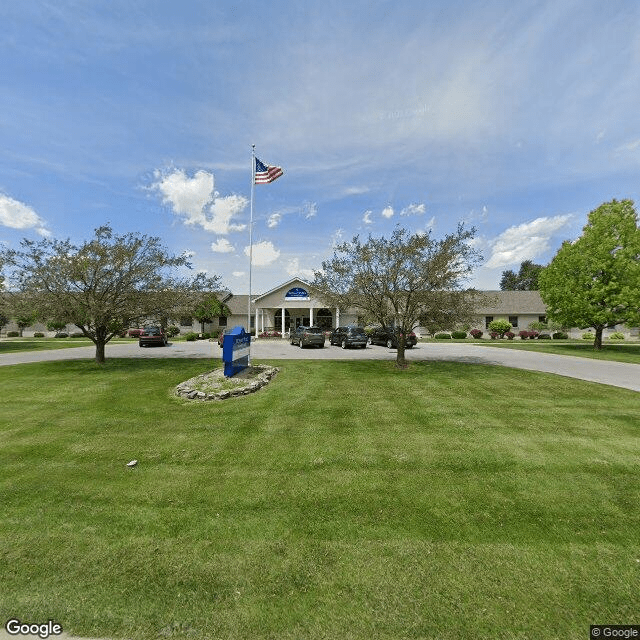
916 North Street, Fremont, OH 43420
For more information about senior living options: (866) 208-4318
Bethany Place Costs & Pricing
Bethany Place offers a competitive and attractive pricing structure for its residents, particularly when considering the context of both Sandusky County and the broader state of Ohio. For a one-bedroom unit, Bethany Place charges $1,554 per month, significantly less than the county average of $2,427 and even more so compared to the state average of $3,712. Similarly, for those seeking a two-bedroom option, Bethany Place maintains an equilibrium with the county's rate at $1,925 while still remaining below the state's average of $3,501. This pricing strategy not only reflects a commitment to affordability but also positions Bethany Place as an appealing choice for individuals and families looking for quality living arrangements without exceeding their budget.
| Floor plans | Bethany Place | Sandusky County | Ohio |
|---|---|---|---|
| 1 Bedroom | $1,554 | $2,427 | $3,712 |
| 2 Bedrooms | $1,925 | $1,925 | $3,501 |
Assisted Living communities with a similar price nearby
-
from +$126 / mo

Genoa Retirement Village
$1,680 to $2,550 / month16.6 miles away -
from -$136 / mo
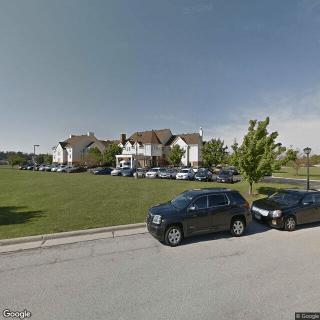
The Commons of Providence
$1,418 to $2,912 / month18.6 miles away -
from +$156 / mo

Parkvue Place
$1,710 to $9,330 / month24.1 miles away -
from +$59 / mo
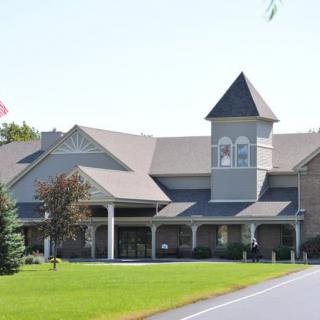
Otterbein Marblehead SeniorLife Community
$1,613 to $3,621 / month22.3 miles away
Overall Review of Bethany Place
Pros
 The facility has bingo and a variety of activities such as movies and card games, keeping residents engaged.
- Weekly Catholic services are offered, including a Monday community service and a Thursday rosary, supporting residents' spiritual life.
- The meals are very good, with alternatives available if needed.
- All meals are made from scratch with no preservatives, and ice cream and soup are available anytime.
- The staff are caring and attentive to residents.
- The independent living facility is described as beautiful, with many friends and a strong sense of community.
- Residents report doing well and being happy with the place, noting it’s much better than living alone.
Cons
 They didn’t want to move to Bethany Place.
- They faced a three- to six-month waiting list for Bethany Place.
- They remained on the waiting list for a 2-bedroom, indicating ongoing delays.
- He was not doing well back in March–April.
- They felt Bethany Place needed an improvement in quality of life.
Review
Bethany Place in Fremont, Ohio is best suited for seniors who want a faith-centered, small-community atmosphere where attentive staff and dependable meals anchor daily life, with a clear path to assisted living if needed. It appeals most to residents who value a built-in social fabric, bingo, movies, card games, and a schedule anchored to Catholic devotion. Those who prize proximity to familiar neighborhoods and a sense that staff know residents by name will feel at home here. This is not a flashy, modern resort for seniors; it’s a warm, traditional setting that delivers comfort through routine and a steady religious rhythm, which can be exactly what some families are seeking when planning a transition.
Those who may want to consider alternatives are those needing immediate move-in or a more expansive care continuum. The community commonly operates with long wait lists for both assisted and independent living, often several months for a 2-bedroom, complicating planning when health or mobility shifts happen quickly. Price comparisons matter too, and families facing tighter budgets may find other options deliver more value for the same level of care. For those who prefer non-Catholic environments, or want a broader menu of rehab, memory-care, or secular programming, other communities may provide quicker access and a wider array of services. In short, Bethany Place works best when there is time to wait and a faith-aligned setting aligns with family values.
On balance, the pros are meaningful enough to offset many of the cons for a substantial segment of potential residents. The dining program stands out: meals prepared from scratch with no preservatives, a willingness to substitute when a dish isn’t liked, and generous treats like ice cream and soup on demand. The social calendar is tangible and accessible, bingo, movies, cards, paired with regular religious observances that give daily life structure. Staff are described as caring, which matters deeply to families seeking reassurance that a loved one is treated with warmth and respect. However, the overall rating hints at uneven experiences, and some reviews flag that the breadth and depth of activities could be stronger. The strong communal environment and dependable meals do not entirely neutralize concerns about vitality of programming, but they do give the place a solid foundation.
The care narrative in practice shows Bethany Place can serve as a stable bridge rather than a cul-de-sac. One family reports a parent who initially struggled has improved after medical oversight and targeted therapy, allowing him to remain in independent living rather than moving to a nursing setting. The staff’s caring approach and the location’s convenience, keeping the resident near familiar surroundings, facilitate continuity of routines and social connections, which can be crucial for older adults striving to preserve autonomy. This is not a guarantee of universal success, but it demonstrates that, for residents engaged with their care plans, Bethany Place can deliver meaningful health stability and a safer trajectory than abrupt transitions elsewhere.
Activity depth and quality of life emerge as the variable that most often separates satisfied residents from critics. The Catholic framework provides meaningful rituals and a predictable cadence that can bolster well‑being, yet some families want more diverse programming beyond the core offerings. The dining strength helps mitigate meal-related worries, but without a robust, resident-driven activity calendar, some feel life can feel routine or under-stimulating. Bethany Place succeeds when residents lean into the existing religious life and social structure and are able to engage with planned programming; it struggles for those who crave a broader, secular, or more intensive activity slate or who require more frequent, structured engagement beyond the basics.
Decision-makers should weigh patience and faith-aligned living against the need for immediacy and broader services. Bethany Place is a credible, caring option for seniors who can wait for a 2-bedroom and who value a close-knit religious community, predictable routines, and solid meals, with the potential to remain independent longer and defer more intensive care. If time pressure exists or a resident requires a richer activity calendar, broader social options, or non-religious programming, exploring alternatives is prudent. Prospective families should tour with a practical lens: verify current occupancy and wait times, inquire about staff-to-resident ratios and turnover, examine the activity calendar and religious services, assess meal flexibility and nutrition oversight, and probe the coordination of medical care. The right choice hinges on aligning care pace, spiritual fit, and personal independence to the resident’s best long-term trajectory.
 12 resident community capacity
 Assisted Living
 Board and Care Home
 Independent Living
 Activities on-site
 Cable or satellite TV
 Dining room
 Fully furnished
 Garden
 Housekeeping services
 Move-in coordination
 Outdoor space
 Telephone
 Wi-Fi/high-speed internet available
 24-hour supervision
 Assistance with bathing
 Assistance with dressing
 Assistance with transfers
 Diabetes diet
 Meal preparation and service
 Medication management
 Special dietary restrictions
 Transportation arrangement (medical)
 Transportation to doctors appointments




 Comprehensive Insights into Activities of Daily Living (ADLs) and Their Assessment
 Medicare Coverage for Assisted Living: An In-Depth Exploration
 Choosing the Right Senior Care: A Detailed Exploration of Assisted Living and Nursing Homes