
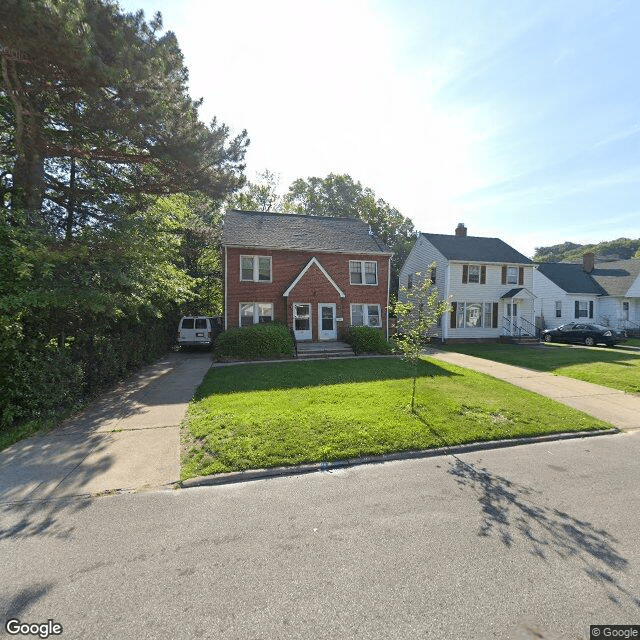
1561 E 221st Street, Euclid, OH 44117
To contact a resident: (216) 531-7229
For more information about senior living options: (866) 208-4318
The Sunshine Home Costs & Pricing
The Sunshine Home offers remarkably competitive pricing for its accommodations, particularly when comparing its costs to those of Cuyahoga County and the broader state of Ohio. For a semi-private room, residents at The Sunshine Home pay just $1,100 per month, significantly lower than the county's average of $3,582 and the state average of $3,965. Similarly, for private rooms, the cost is set at $1,300 - again a substantial decrease from Cuyahoga County's rate of $4,004 and Ohio's average which reaches $4,771. These figures highlight The Sunshine Home's commitment to providing quality care while making it financially accessible for families seeking housing solutions.
| Floor plans | The Sunshine Home | Cuyahoga County | Ohio |
|---|---|---|---|
| Semi-Private | $1,100 | $3,582 | $3,965 |
| Private | $1,300 | $4,004 | $4,771 |
Senior living communities with a similar price nearby
-
from -$151 / mo
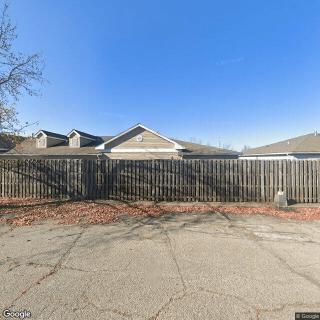
Newport Square Apartments
$949 / month9.5 miles away -
from +$35 / mo
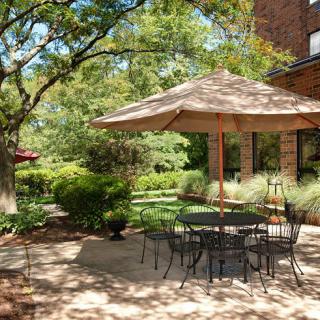
Westwood Place
$1,135 / month23.8 miles away -
from -$101 / mo
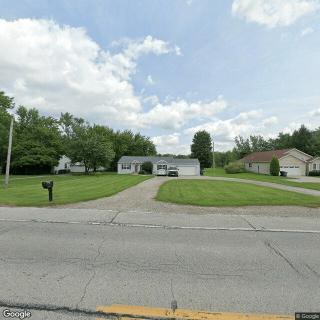
Angel Care of Solon
$999 / month14.5 miles away -
About the same
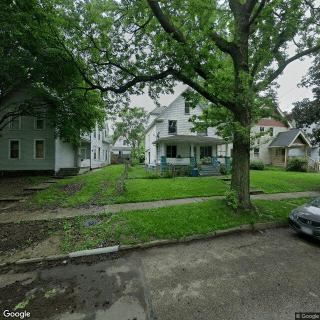
Virginia's Adult Family Home
$1,100 / month12.7 miles away -
from -$100 / mo
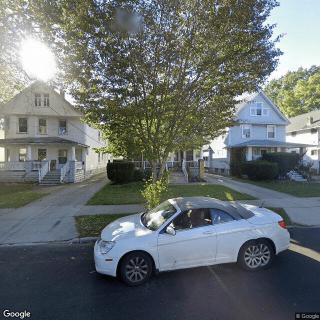
Infinity Adult Living
$1,000 / month13.7 miles away
Overall Review of The Sunshine Home
Pros
 There are stores close by that residents can use to buy food.
- The nearby stores offer convenient access to groceries for residents.
- The proximity to stores provides a practical shopping option for residents.
Cons
 The reviewer was there for several months and was not very happy.
- The food was terrible.
- The reviewer never had enough to eat.
- On four days of the week, residents received only one bowl of cereal.
- Lunch consisted of two slices of bologna sandwich.
- Residents had to pay for internet.
- Chores had to be done in the morning and evening.
- The house manager continually yelled and screamed at residents.
- Residents had to arrange their own transportation; none was provided.
- The main reason the house was open was money.
- The reviewer would not recommend the place.
- Potential residents should keep looking before choosing this place.
Review
The Sunshine Home in Euclid, OH is bestsuited for residents who are highly independent, able to provide their own meals and transportation, and comfortable living with very limited staff interaction. The review paints a picture of a facility that assumes residents manage day-to-day routines without robust dietary service, coordinated outings, or proactive caregiving. For someone who expects meals, reliable transportation, and respectful, reachable management as a baseline, this community will feel starkly insufficient. In short, it serves the hard-to-please only if independence and self-direction are nonnegotiable, and if the resident can tolerate very lean on-site support.
Careful consideration should be given to families seeking anything close to traditional assisted living. Those who want predictable meals, timely assistance, or regular programming should look elsewhere. The lack of in-house transportation means mobility outside the facility hinges on individual capability and outside options, which may not align with a senior needing ease of access to appointments or errands. Any family evaluating comfort, safety, and dignity in daily life should strongly weigh the mismatch between expectations and reality here. Alternatives with more robust service levels, resident-centered meals, and dependable staff would likely better align with common care goals.
One modest potential in favor is proximity to nearby stores, which could offer practical convenience for residents who can navigate trips outside the building on their own. This is a narrow advantage, and it largely dissolves if mobility is limited or if a planned outing would require coordination that the facility does not provide. The absence of integrated transportation undercuts even this convenience, turning what could be a simple errand into a fragmented experience. In practice, any such pro must be weighed against the heavier, more immediate needs of most seniors who rely on staff for transportation, social engagement, and safety.
The principal drawbacks are concrete and persistent, and they skew decisively toward dissatisfaction. Meals are described as terrible and insufficient, with examples like multiple days with only a bowl of cereal and lunches consisting of two slices of bologna. Food quality and portion size alone are enough to raise concerns about nutrition and enjoyment, two pillars of senior living quality. Internet access being a paid add-on adds to the sense of nickel-and-diming, especially when basic comforts are lacking. The requirement to perform chores in the morning and evening signals a misalignment with what many residents expect from assisted living: a shift from housekeeping duties to focused care. The atmosphere created by a house manager who yells at residents further erodes trust and safety, a critical factor for families prioritizing respectful, supportive environments. Coupled with no transportation and a perception that the facility exists more to “hold” residents for revenue than to genuinely care, these factors collectively outweigh any minor conveniences.
To make a well-informed decision, prospective residents and families should pursue a concrete, up-front evaluation. Ask for a full, current menu, portion sizes, and any plans to improve meal quality. Confirm whether internet service can be bundled at a reasonable rate or if there are public Wi-Fi options nearby. Clarify transportation policies in writing: is any shuttle available, and if not, what community partners or community outings are permissible? Request to meet the house manager and key staff, and inquire about standards for resident conduct, conflict resolution, and escalation procedures. Review the contract for hidden fees, billing cycles, and what services are included versus charged separately, so the impression of value aligns with actual experience.
In sum, The Sunshine Home presents itself as an option only for the most self-reliant seniors who can weather limited meals, no included transportation, and fragile staff relationships. For families seeking dependable meals, reliable transportation, and a respectful, supportive environment, alternatives within Euclid or the broader Cleveland area are strongly advised. If budget constraints force a closer look at such a facility, insist on concrete commitments: demonstrated improvements in nutrition, a transparent transportation plan, professional conduct by staff, and a clearly defined path to a higher level of care if needs increase. The decision should tilt toward communities with proven capacity to deliver safety, dignity, and daily satisfaction rather than endure ongoing disappointments.
 Board and Care Home
 Activities off-site
 Bath tubs
 Devotional services off-site
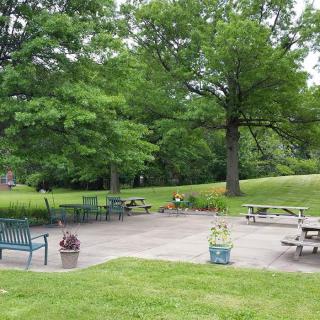
 Indoor common areas
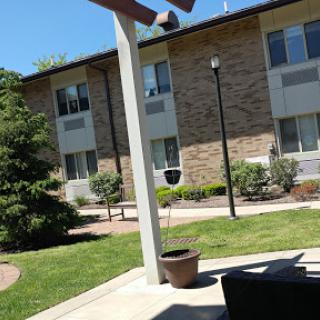
 Outdoor common areas
 Private
 Cleveland-Hopkins International (20 miles away)
 Ambulatory care
 Diabetic care
 Incontinence care
 Medication management
 Kosher


 Ten Vital Duties of a Senior Caregiver: A Comprehensive Guide
 9 Stimulating Memory Activities for Seniors: Puzzles, Cards, and Much More
 Managing Nursing Home Expenses After Medicare Coverage Ends