Dining quality is a frequent reason residents feel at home.
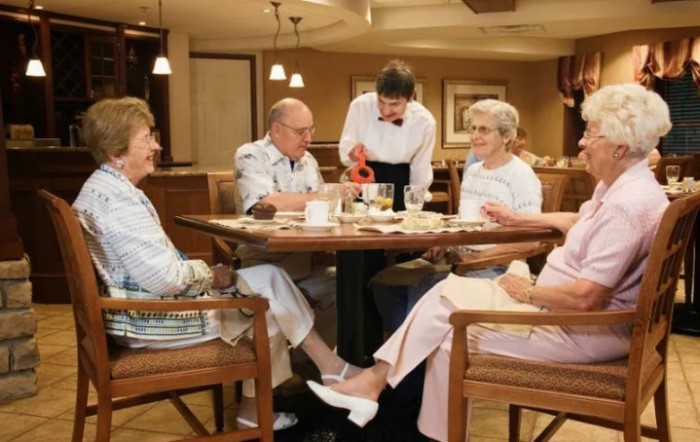
Residents repeatedly describe the meals as delicious and healthy, and several mention enjoying multiple dining areas or dining venues. Some also call out specific dining moments like a Sunday brunch. The community offers restaurant-style dining, with meal planning that includes diabetes diet and special dietary restrictions, which matches the way residents talk about food variety.
common16 reviews mention this
Staff responsiveness and care stand out
Residents describe a team that is attentive and easy to reach.
A large share of reviewers highlight how quickly staff respond and how willing team members are to explain details, handle questions, and support transitions. Multiple residents specifically mention being guided through move-in paperwork and day-to-day setup with a calm, helpful approach. At the same time, one review describes difficulty getting timely assistance, so experiences can vary.
common10 reviews mention this
Activities keep days full
Many residents say there is always something to do.
Reviewers frequently mention in-house activities and outings, along with educational talks and classes. Some describe a social calendar that helps them make friends quickly, and others point to ongoing opportunities like lectures, movies, and trips. The community also provides scheduled daily activities and fitness programming, which aligns with how residents describe staying engaged.
differentiator6 reviews mention this
Care options in one place
Residents value having multiple care levels available onsite.
Several reviews connect the community’s value to its ability to support different care needs over time, including independent living, assisted living, memory care, and skilled nursing on the same campus. Some residents also describe getting services such as physical therapy in the building and having a doctor onsite, including care coordination during a health event. This matches what the community offers across its care services and care types.
caveat3 reviews mention this
Cost and staffing concerns appear
Some reviews mention high costs and uneven assistance.
While many residents are satisfied, at least one reviewer calls out that the community is expensive. Another review describes staff not being attentive at times, including long waits for help. These points don’t erase the overall positive experiences, but they do suggest that daily care responsiveness may not be consistent for everyone.
How we summarize
Counts show how many written reviews mention each theme; a review can touch several themes, and only frequently mentioned themes are displayed.
Features
Housing
66 resident community capacity
1-bedroom apartments
2-bedroom apartments
Types of Care
Assisted Living
Continuing Care Retirement Community (CCRC)
Independent Living
Memory Care
Skilled Nursing Facility
Amenities
Air-conditioning
Beauty salon
Cable or satellite TV
Cafe
Computer center
Dining room
Financial aid
Financing advice
Fitness room
Full kitchen
Fully furnished
Gaming room
Garden
Hiking trails
Home sale assistance
Housekeeping services
Kitchenette
Laundry
Move-in coordination
Outdoor space
Private bathrooms
Resident parking
Respite or short term stays offered
Restaurant-style dining
Small library
Swimming pool
Telephone
VA Benefits Consultation
Wellness center
Wi-Fi/high-speed internet available
Transportation
John Glenn Columbus International Airport (13 miles away)
Community operated transportation
Transportation & parking
Transportation arrangement
Transportation arrangement (non-medical)
Care Services
24-hour call system
24-hour supervision
Activities of daily living assistance
Assistance with bathing
Assistance with dressing
Assistance with transfers
Diabetes diet
Meal preparation and service
Medication management
Physical therapy
Special dietary restrictions
Dining
Diabetes diet
Special dietary restrictions
Activities
Arts and crafts
Book club
Community-sponsored activities
Concierge services
Educational speakers / life long learning
Fitness programs
Gardening club
Planned day trips
Religious services
Resident-run activities
Scheduled daily activities
Tai Chi
Wii bowling
Yoga / chair yoga
Languages Spoken
English
Nearby Places of Interest
Restaurants
Cafe Istanbul (0.1 miles)
Jeni's Splendid Ice Creams (0.7 miles)
Chick-Fil-A (0.8 miles)
The Pearl (0.9 miles)
Black Hat (1.3 miles)
The Rail (1.4 miles)
Popeyes Louisiana Kitchen (1.4 miles)
Pharmacies
CVS Pharmacy (1 miles)
CVS Pharmacy (1.9 miles)
CVS Pharmacy (2.2 miles)
Market District Supermarket (2.7 miles)
CVS Pharmacy (2.9 miles)
Walgreens (2.9 miles)
Marc's Stores (3.1 miles)
Physicians
Emerald Pediatrics (1 miles)
Samantha M Kinross O D (1.8 miles)
Pediatrics Ophthalmology Associates - Nationwide Children's Close to home center (2.1 miles)
Riverside Outpatient Surgery Center (2.6 miles)
Forefront Dermatology Columbus, OH (2.8 miles)
Rainbow Pediatrics (2.9 miles)
Jennifer Shoenfelt, MD (3.2 miles)
Cafes
Kona Craft Kitchen (1 miles)
Starbucks (1.4 miles)
Tim Hortons (2.2 miles)
Starbucks (4.7 miles)
Starbucks (4.8 miles)
Dells Homemade Ice-Cream & Coffee (5 miles)
Crimson Cup (5.2 miles)
Parks
Carriage Place Park (1.7 miles)
Coffman Park (1.7 miles)
Avery Park (3.5 miles)
Thompson Park (3.7 miles)
Antrim Park (3.8 miles)
Homestead Park (4.7 miles)
Transportation
The Ohio State University Airport at Don Scott Field (OSU) (2 miles)
Places of Worship
Saint Brendan Catholic Church (2.5 miles)
Scioto Ridge United Methodist Church (2.9 miles)
Saint Brigid of Kildare Catholic Church (3.3 miles)
The features at Friendship Village of Dublin are designed to create a supportive and nurturing environment for residents with memory care needs. The provision of 24-hour supervision ensures consistent monitoring and immediate assistance, promoting safety and security for individuals experiencing cognitive decline. Assistance with activities of daily living, such as bathing and dressing, helps residents maintain personal hygiene and dignity while fostering independence tailored to their capabilities. Support during transfers minimizes the risk of falls, enhancing mobility and overall well-being. Meal preparation and service not only guarantee nutritious meals but also encourage social interaction during dining experiences. Medication management ensures that individuals receive their medications accurately and on time, which is critical in managing symptoms associated with dementia or Alzheimer's disease. Finally, physical therapy contributes to maintaining physical function, improving quality of life through targeted exercises that address individual needs and limitations, ultimately supporting both cognitive and physical health in a compassionate manner.
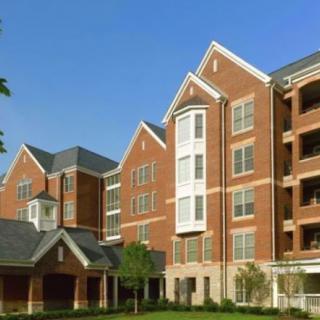
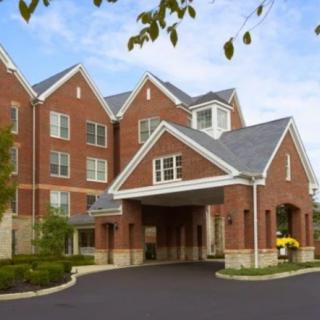
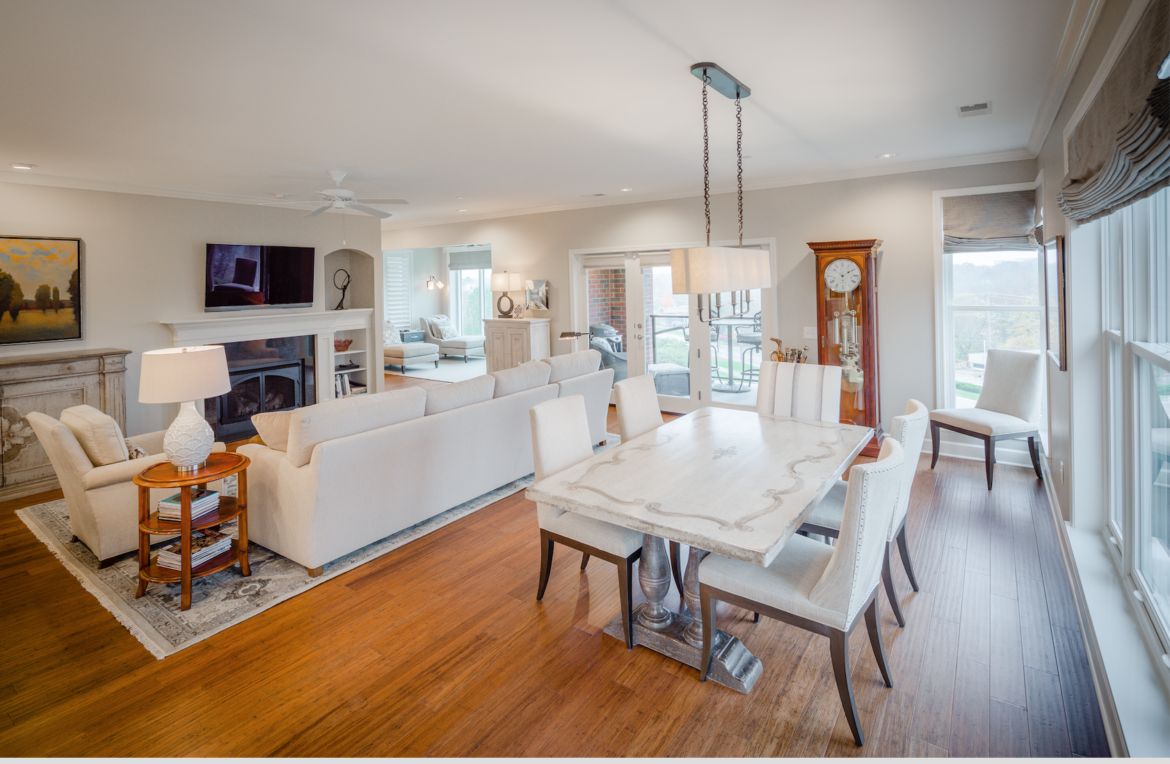
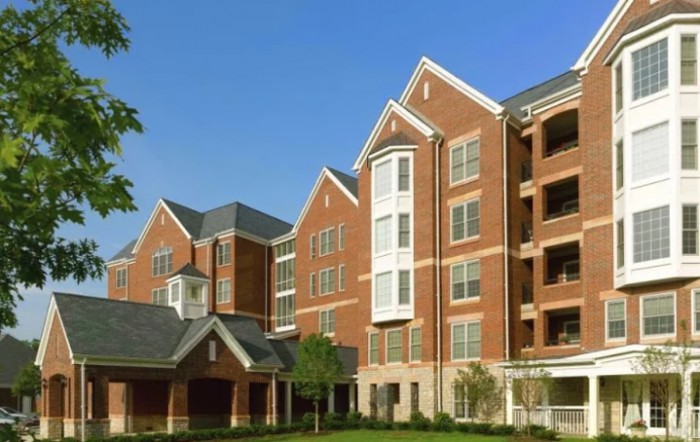
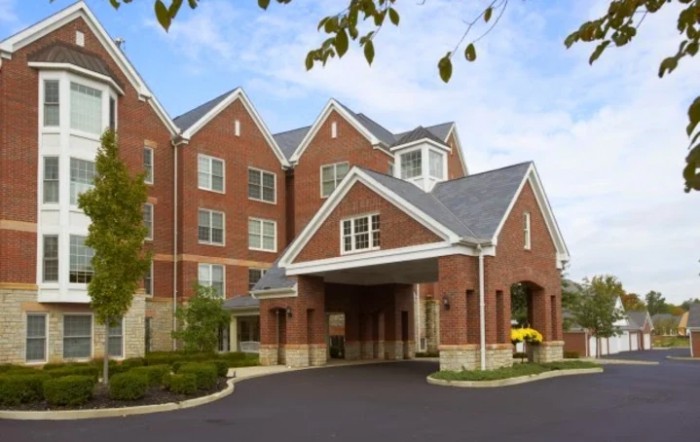
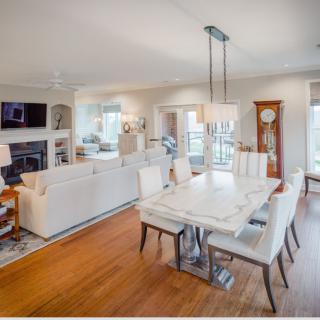
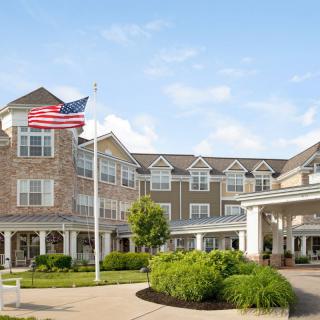
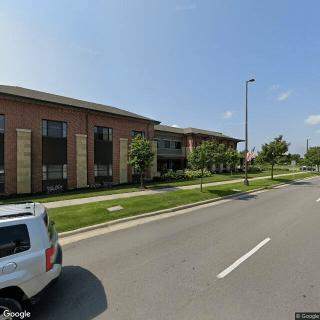
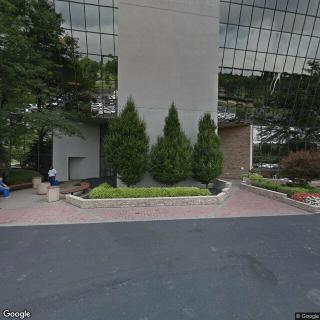
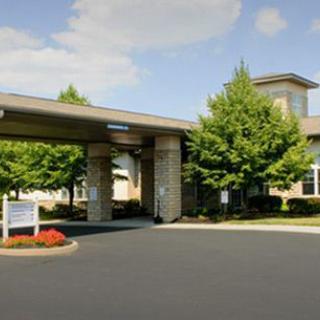
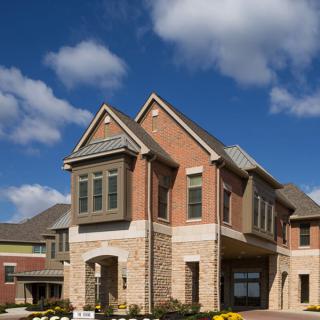
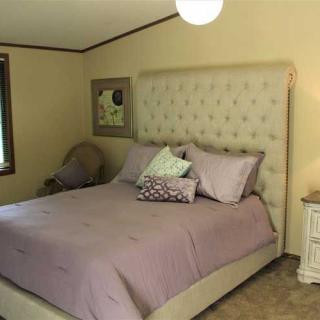
Friendship Village of Dublin on seniors.fyi includes 4 photos including images showing dining, building, architecture, brick, living room, hardwood floor, decor, chandelier, and more.
Nearby Communities
Friendship Village of Dublin, a CCRC
Dublin, OH
4.7 from 98 reviews
$3,160 to $6,495 / month
Friendly staff with engaging activities and spacious apartments; strong dining and a welcoming community.
Our Family Home at Longview Drive
Dublin, OH
4.9 from 13 reviews
$8,000 / month
Warm, home-like memory care with personalized, attentive staff.
Sunrise of Dublin
Dublin, OH
4.5 from 80 reviews
$5,520 to $7,980 / month
Warm, attentive staff in a clean, welcoming environment with engaging activities.
Heartland Of Dublin
Dublin, OH
2.4 from 42 reviews
Caring, well-trained staff and a clean environment with strong therapy services.
Assisting Hands of Columbus
Dublin, OH
5 from 109 reviews
Prompt response with attentive caregivers and proactive care manager visit on day one.
The Sanctuary At Tuttle Crossing
Dublin, OH
3.6 from 68 reviews
$3,100 / month
Professional, long-tenured staff with strong therapy services and a clean, welcoming environment.
The Grand of Dublin
Dublin, OH
3.9 from 155 reviews
$2,500 to $5,000 / month
Attentive aides and skilled therapists contributing to rehab progress in a clean, comfortable environment.
Brookdale Trillium Crossing
Columbus, OH
4.3 from 108 reviews
$2,380 to $4,235 / month
Clean facility with friendly staff and engaging activities.
Claremont Retirement Village
Columbus, OH
4.4 from 114 reviews
$1,830 to $3,600 / month
Friendly staff and a welcoming, affordable community with on-site activities and comfortable amenities.
The article discusses the late stages of dementia, detailing the progression from mild to severe impairment and highlighting key characteristics such as profound cognitive decline and dependency in daily activities. It emphasizes care strategies focused on comfort and dignity, the importance of advance directives, and the emotional support needed for family caregivers facing this challenging journey.
The article examines the link between certain medications and increased dementia risk, particularly in older adults, emphasizing that long-term or high-dose use of anticholinergics, benzodiazepines, and other drug classes can exacerbate cognitive impairment. It calls for careful medication evaluation and shared decision-making to mitigate these risks while managing treatment efficacy.
The article emphasizes the significance of establishing a power of attorney for elderly parents to enable an agent to make decisions on their behalf regarding health and finances, especially during cognitive or physical decline. It outlines various types of power of attorney, the importance of consulting legal professionals, and the responsibilities and challenges faced by agents, while also discussing alternatives and common misconceptions.
Decor, Living Room, Chandelier, and Hardwood Floor
Dining
Building, Architecture, and Brick
Trees and Parking
Apartment Complex
Get PricingAsk A QuestionSchedule A TourContact Senior Advisor
By clicking submit, you agree to our Partner's Terms of Use. You
also consent to receive calls and texts, which may be autodialed, from our Partner. Your consent is not a condition to
using our Partner's service. Please visit our Partner's Privacy Policy for information about their privacy practices.


 66 resident community capacity
 1-bedroom apartments
 Assisted Living
 Continuing Care Retirement Community (CCRC)
 Independent Living
 Memory Care
 Skilled Nursing Facility
 Air-conditioning
 Beauty salon
 Cable or satellite TV
 Cafe
Cafe Computer center
 Dining room
 Financial aid
 Fitness room
 Full kitchen
 Fully furnished
 Gaming room
 Garden
 Hiking trails
 Housekeeping services
 Laundry
 Move-in coordination
 Outdoor space
 Private bathrooms
 Resident parking
 Respite or short term stays offered
 Restaurant-style dining
 Small library
 Swimming pool
 Telephone
 Wellness center
 Wi-Fi/high-speed internet available
 John Glenn Columbus International Airport (13 miles away)
 Community operated transportation
 24-hour call system
 Activities of daily living assistance
 Assistance with bathing
 Assistance with dressing
 Assistance with transfers
 Diabetes diet
 Medication management
 Physical therapy
 Special dietary restrictions
 Arts and crafts
 Book club
 Concierge services
 Educational speakers / life long learning
 Planned day trips
 Religious services
 Wii bowling
 English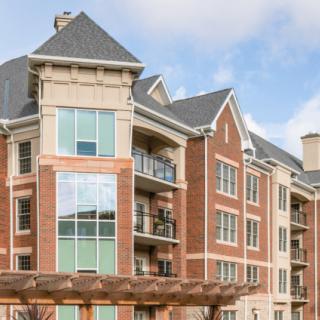
 Friendly staff with engaging activities and spacious apartments; strong dining and a welcoming community.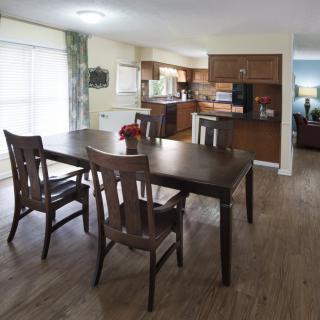

 Comprehensive Insights on the Late Stages of Dementia: What to Expect and How to Provide Care
 Medications Associated with Dementia Risk: A Comprehensive Overview
 Guiding Your Journey: Understanding Power of Attorney for Elderly Parents