For more information about senior living options: (866) 208-4318
2.7 from 54 reviews
5 stars
20
4 stars
3
3 stars
1
2 stars
2
1 stars
28
Overall Review of Centerville Place
caveat8 reviews mention this
Pests and overall cleanliness complaints
Several residents and families describe serious sanitation issues, including roaches, bedbugs, and other unclean conditions.
A number of reviews describe the facility as unsanitary, with mentions of roach infestation and bedbugs, plus concerns like dirty rooms and foul odors. Some reviewers also describe hygiene breakdowns that go beyond normal mess, like laundry not being handled and personal items being lost or returned in poor condition. Even where families praised rehabilitation staff or some individual employees, sanitation and housekeeping concerns still come up repeatedly in the negative reviews.
caveat14 reviews mention this
Care responsiveness and communication issues
Residents and families frequently report slow or unreliable responses to calls, questions, and requests.
Many negative reviews describe problems getting help when it is needed, including unanswered call lights, delayed responses, and difficulty reaching staff by phone. Several reviewers also mention missed follow-through on basic check-ins and questions, such as not receiving updates, not getting returned calls, or having paperwork not available when needed. A smaller set of reviews contrasts this by praising some staff members and new management for being accountable and responsive, but overall communication concerns are still common.
caveat5 reviews mention this
Medication delays and missed doses
Some reviewers report medication problems, including late doses, missed medications, or confusion around timing.
Reviews raise concerns that medications were not given on time or were missed during stays, including accounts of medication timing being late and doses not being administered as expected. Families also describe having to press repeatedly for answers, and they mention instances where prescribed care did not happen when it was promised. While a few reviews offer positive remarks about certain nurses, medication-timing complaints still appear as a recurring theme in the negative feedback.
caveat6 reviews mention this
Food quality and meal satisfaction
Food quality is a common complaint, with reviews describing meals as unappetizing or not adequate.
Several reviews describe the food as poor, unappetizing, or not filling, which led some families to bring food in from outside. A few reviewers also connect food issues with broader care concerns, like sanitation and staffing, while others focus on meal satisfaction specifically. On the positive side, the dining mention that is available is that the community provides meals, but reviews do not consistently praise day-to-day dining.
common7 reviews mention this
Staff kindness versus understaffing
Despite complaints, multiple reviews say staff members can be kind, helpful, and attentive to residents.
Some of the highest praise in the reviews focuses on individual staff members being friendly, supportive, and willing to help with day-to-day needs. A few reviewers also mention positive changes tied to management and housekeeping leadership, along with social workers who are responsive to families. At the same time, other reviews describe understaffing and neglect, so the experience appears uneven depending on unit, timing, and who is working.
common3 reviews mention this
Rehabilitation therapy gets mixed reviews
Rehabilitation experiences are mixed, with some families saying therapy helped while others felt it lagged.
A few reviews describe positive rehab outcomes and say therapists were devoted and professional. Other reviewers report rehab not arriving when promised or not continuing as expected, and they connect those gaps to slower progress. Taken together, it suggests rehab quality may vary from stay to stay.
How we summarize
Counts show how many written reviews mention each theme; a review can touch several themes, and only frequently mentioned themes are displayed.
Features
Types of Care
Assisted Living
Memory Care
Amenities
Activities on-site
Devotional services off-site
Indoor common areas
Transportation
James M Cox Dayton International (18 miles away)
Care Services
Ambulatory care
Diabetic care
Dining
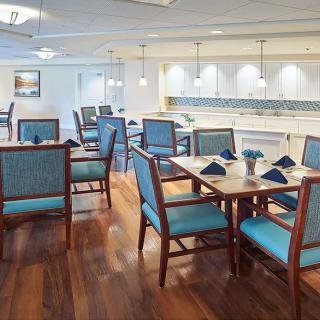
Meals provided
Activities
Activities on-site
Devotional activities offsite
Nearby Places of Interest
Centerville, Ohio is a vibrant and convenient area for senior living, offering easy access to essential amenities such as pharmacies, physicians, hospitals, restaurants, cafes, parks, theaters, and places of worship. With several pharmacies within a few miles radius, seniors can easily access their medications and medical supplies. The proximity to trusted healthcare providers like Kettering Physician Network Primary Care and Ohio Pain Clinic ensures quality medical care. There are plenty of dining options ranging from fast food to upscale restaurants like El Rancho Grande and Mack's Tavern. In addition, numerous parks provide opportunities for outdoor recreation and relaxation. For entertainment, seniors can enjoy movies at Cinemark Dayton South 16 + XD. The West Carrollton Church of the Nazarene offers spiritual support for those seeking a place of worship. Overall, Centerville is a well-rounded community that caters to the various needs of seniors in terms of healthcare, dining, recreation, and spiritual well-being.
Pharmacies
Home Med Equipment & Respiratory (0.5 miles)
CVS Pharmacy (1 miles)
Discount Drug Mart (1.2 miles)
CVS Pharmacy (2 miles)
Walgreens (2.2 miles)
Kroger Pharmacy (2.4 miles)
CVS Pharmacy (2.9 miles)
Physicians
Kettering Physician Network Primary Care (0.5 miles)
Augusta, James Ttering Health Medical Group Bariatric Surgery (0.6 miles)
Vertrae : Kamal Woods, MD, MBA, FAANS (0.6 miles)
Trusted Health Care (1.1 miles)
Freedom Home Health of Dayton (1.1 miles)
Ohio Pain Clinic (1.1 miles)
Neurology Diagnostics - Joel Vandersluis MD (1.3 miles)
The article outlines effective communication strategies for interacting with loved ones with dementia, highlighting the need for empathy, patience, and understanding while emphasizing supportive approaches like using simple language, minimizing distractions, and focusing on feelings over facts to maintain dignity and foster connection. It also suggests seeking professional guidance when needed as communication challenges evolve.
VA nursing homes, or Community Living Centers (CLCs), offer tailored long-term care for veterans, featuring medical attention and rehabilitation in a supportive environment. The guide covers facility types, eligibility criteria, financial assistance options, quality of care standards, and alternatives to full-time nursing home placement.
At-home dementia care expenses vary widely based on care levels, location, and caregiver expertise, with monthly costs for home health aides exceeding $4,500 and specialized care potentially surpassing $100,000 annually. While families favor in-home care for its comfort and personalized attention, they must consider financial planning and the challenges of caregiver fatigue.
Get PricingAsk A QuestionSchedule A TourContact Senior Advisor
By clicking submit, you agree to our Partner's Terms of Use. You
also consent to receive calls and texts, which may be autodialed, from our Partner. Your consent is not a condition to
using our Partner's service. Please visit our Partner's Privacy Policy for information about their privacy practices.

 Assisted Living
 Memory Care
 Activities on-site
 Devotional services off-site
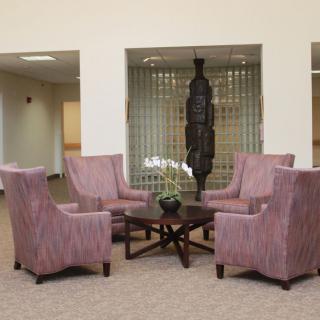
 Indoor common areas
 James M Cox Dayton International (18 miles away)
 Ambulatory care
 Diabetic care
 Meals provided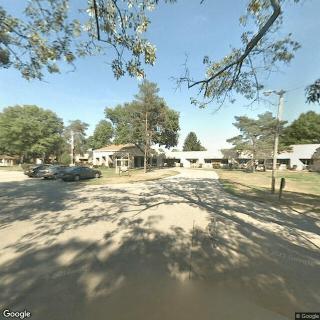
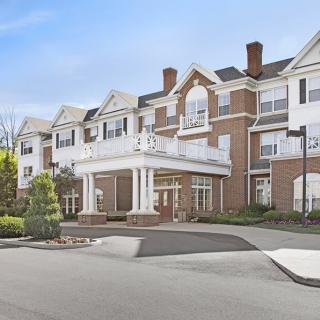
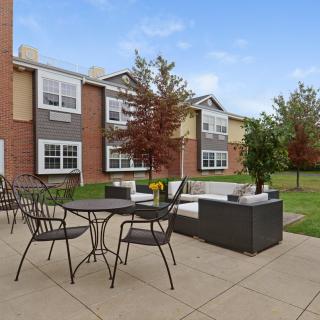
 Diabetic and ambulatory care with on-site activities and indoor common areas.


 How to Communicate with a Loved One Living with Dementia: 10 Supportive Strategies
 Comprehensive Guide to VA Nursing Homes: A Crucial Long-Term Care Resource for Veterans
 Estimating the Expenses of At-Home Dementia Care: A Detailed Exploration