
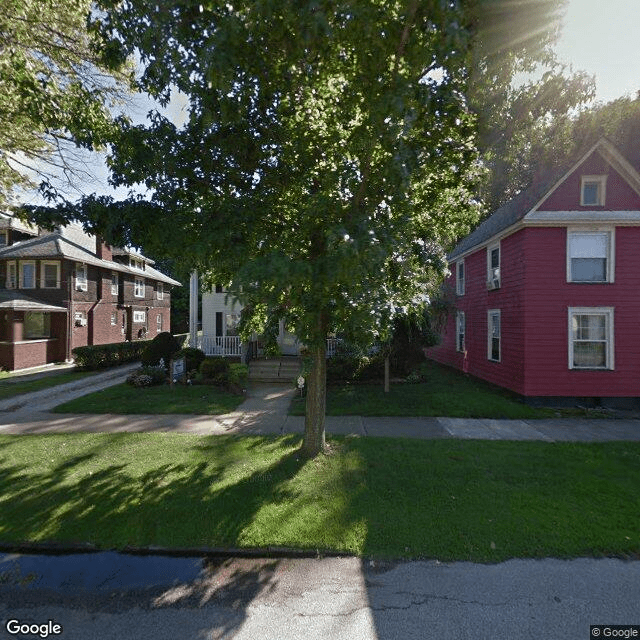
455 Main Street, Conneaut, OH 44030
For more information about senior living options: (866) 208-4318
Kremer Home Costs & Pricing
Kremer Home offers a more accessible private room rate at $2,050 per month, significantly lower than the averages observed in Ashtabula County, which stands at $3,283, and the broader state of Ohio, where the cost escalates to $4,771. This competitive pricing presents Kremer Home as an attractive option for those seeking quality care without the financial strain typically associated with long-term residency. By remaining below both county and state averages, Kremer Home not only underscores its commitment to affordability but also ensures that residents receive high-quality services within a supportive environment.
| Floor plans | Kremer Home | Ashtabula County | Ohio |
|---|---|---|---|
| Private | $2,050 | $3,283 | $4,771 |
Overall Review of Kremer Home
Pros
 The grandfather was treated like a person at Kremer Home.
- He loved the staff there.
- Mardie, the manager, reminded him of his sister Laura with home-cooked meals and delicious banana pie.
- He always had a smile on his face during his stay; there was never a dull moment.
- The Kremer Home is a place where loved ones are treated with respect and care, and it is highly recommended.
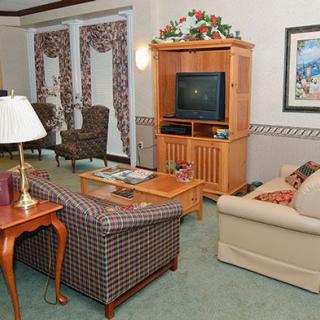
- Kremer Home is homey and nice with good people.
- The prices at Kremer Home were good.
Cons
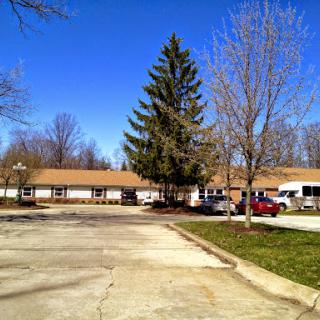
 It is not convenient because they don’t have good handicapped access.
- The rooms are on the second floor, and they have small bedrooms.
Review
Kremer Home in Conneaut is best suited for seniors who want a warm, home-like environment where people are treated with genuine respect and care, and where daily living feels personal rather than clinical. The community earns trust through staff warmth, consistent attention from leadership, and a recognizable sense of familiarity that makes visits feel welcome. Families seeking affordability without sacrificing dignity will find the overall package compelling, especially for residents who prize routine, social engagement, and meals that feel like home.
Those weighing alternatives should consider residents who require easy, accessible mobility options or larger, more modern living spaces. The building’s current setup emphasizes upstairs rooms and smaller accommodations, which can become a barrier for anyone with significant mobility challenges or a preference for single-floor living. Families who prioritize top-tier accessibility features, expansive private rooms, or a facility that feels less residential and more contemporary may want to explore options that prioritize elevator access and broader floor plans.
The strongest pro is the human touch: residents are described as being treated with respect and kindness, with staff that genuinely cares about their well-being. The manager is portrayed as approachable and motherly, delivering a sense of home-cooked warmth and personalized attention that turns daily routines into pleasant, predictable experiences. The ambiance is consistently described as comforting and friendly, reinforcing a feeling that the resident is valued as a person, not merely a occupancy. These relational strengths are the primary antidote to the practical limitations that the building presents.
Equally notable are the practical benefits that accompany the care ethos. The environment is described as homey, with staff who know residents well and maintain a routine that supports emotional well-being. Meals are highlighted as a standout, with mentions of home-style cooking and familiar favorites that reinforce comfort and continuity. And all of this comes at prices that are hard to beat for the level of personal attention offered. For families balancing cost with meaningful daily interaction, Kremer Home delivers consistent value and a sense of security that is hard to find in larger, more impersonal settings.
Where the gaps show up, they matter. The second-floor layout and small bedroom sizes limit independence for mobility-impaired residents and complicate navigation for visitors carrying groceries or medical supplies. The lack of convenient handicap access is not a negotiable detail for many families; it translates into real-world friction when trying to maintain autonomy, safety, and ease of daily routines. These physical constraints cannot be ignored, because they directly affect quality of life for residents who need assistance or frequent transfers. In other words, the warmth and affordability can still be overshadowed by practical access challenges.
In balancing the pros and cons, Kremer Home remains a compelling choice for a subset of seniors and families: those who prioritize a dignified, person-centered experience, where staff treat residents like family and meals feel homemade, all at a lower price point. The strong relational culture and predictable daily life offset many concerns for residents who can navigate stairs or who reside on the upper floors without heavy mobility limitations. However, for anyone whose priorities include seamless accessibility, first-floor living, and roomier accommodations, it pays to explore alternatives that deliver broader architectural accessibility without compromising the human-centered care that Kremer Home delivers. The decision should rest on a clear assessment of mobility needs, space expectations, and willingness to trade a bit of modern comfort for a consistently compassionate, affordable setting.
 22 resident community capacity
 Assisted Living
 Board and Care Home
 Cats allowed
 Activities off-site
 Bath tubs
 Beautician on-site
 Cable or satellite TV
 Devotional services off-site
 Dining room
 Fully furnished
 Garden
 Housekeeping services
 Indoor common areas
 Kitchenette
 Move-in coordination
 Outdoor common areas
 Private
 Respite or short term stays offered
 Telephone
 Wi-Fi/high-speed internet available
 Erie International (22 miles away)
 24-hour call system
 Ambulatory care
 Assistance with bathing
 Assistance with dressing
 Assistance with transfers
 Diabetes diet
 High acuity care
 Incontinence care
 Meal preparation and service
 Medication management
 Mental wellness program
 Physical therapy
 Special dietary restrictions
 Transportation arrangement (medical)
 Transportation to doctors appointments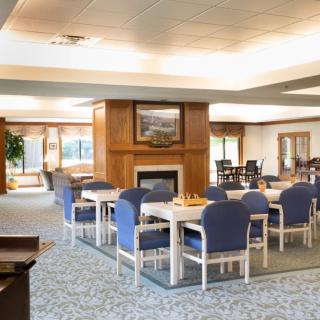


 Assisted Living and Memory Care: Understanding Their Core Differences
 Beyond the Bingo Hall: 50+ Enriching Activities for Seniors in Assisted Living
 Understanding the Distinctions: Assisted Living and Memory Care Explained