

33 N. 3rd Street, Second Floor, Colombus, OH 43215
To contact a resident: (614) 222-8868
For more information about senior living options: (866) 208-4318
Overall Review of Chancellor Health
Pros
 The reviewer is proactive about fire safety and evacuation planning.
- The reviewer supports involving residents in fire drills.
- The feedback demonstrates a constructive desire to improve evacuation procedures.
- The comments reflect a commitment to community safety and collaboration.
Cons
 They are concerned about the evacuation plan in the event of a fire.
- They feel that residents should be involved in fire drills.
Review
Chancellor Health in Columbus is best suited for families seeking a straightforward, budget-conscious assisted living option where daily routines and dependable basic care define the experience. It appeals to seniors who want predictable support with activities of daily living, meals, and a stable living environment without the burden of complex medical management or luxury amenities. The core appeal is practical reliability over premium programming: quiet efficiency, steady staff presence, and a home-like atmosphere. The one documented experience suggests capable delivery of routine services, but it also places safety planning in focus. The decisive question becomes whether emergency safety planning is robust and visibly involving residents. For those who prize peace of mind and uncomplicated living, Chancellor Health can be a sensible fit, as long as fire safety and evacuation practices are clear and credible.
Who should look elsewhere? Families with high safety standards that require transparent, resident-inclusive emergency culture should consider alternatives. The sole review voices concern about the evacuation plan and resident involvement in drills, signaling a potential gap in proactive safety communication. If rigorous, well-communicated emergency procedures and frequent drills are non-negotiable, this facility may not meet expectations. Additionally, families needing stronger clinical oversight or richer enrichment programs beyond basic care will want to compare options. In short, the decision hinges on how essential robust fire safety culture is compared with a stable, routine living environment.
The main con, the evacuation plan and resident participation in fire drills, warrants serious scrutiny. Fire safety is foundational, and resident involvement in drills is a critical component of effective response. The expressed concern implies possible gaps in drill frequency, procedure communication, or assigned resident roles during emergencies. When residents are not actively included, the response during a real event may become disorganized, increasing risk for seniors with mobility limitations. This is not simply a matter of comfort; it speaks to accountability, clarity of protocol, and regulatory expectations. Families should press for concrete answers: how often drills occur, who participates, how results are tracked, and what changes follow after each drill. Without transparent, verifiable safety practices, the confidence needed to support long-term residency erodes, even if other aspects meet expectations.
Potential safeguards exist if day-to-day operations are solid. Reliable staff availability, timely assistance with medications, clean surroundings, predictable meals, and steady routines can create a stable living environment that reduces stress and supports safety in ordinary moments. These strengths can somewhat mitigate uncertainty around evacuation planning, by ensuring residents receive prompt help and staff guidance during emergencies. However, they do not erase the fundamental risk posed by weak resident engagement in drills. The practical takeaway: robust daily operations help, but they are not a substitute for a credible, resident-inclusive emergency program. If safety culture remains underdeveloped, the overall value proposition weakens even for residents who otherwise appreciate routine and comfort.
Concrete steps exist to validate suitability. Request the latest fire safety policy, explicit evacuation procedures, and a detailed drill calendar that shows resident participation. Arrange to observe a drill and speak with current residents about their understanding and comfort with the process. Check with local inspectors for recent fire-code ratings and any deficiencies, then review how those deficiencies were resolved. Compare with nearby communities that publish transparent safety practices and demonstrate quick, coordinated responses. Seek evidence of ongoing staff training focused on emergency scenarios and clear communication with residents during drills. The objective is to verify repeatable, proven safety performance before committing to a longer stay.
In sum, Chancellor Health offers a practical, no-frills option for families prioritizing steady care and a calm environment. The fire-safety concern is not trivial, and it cannot be dismissed. If a strong, resident-centered safety culture is non-negotiable, exploration of alternatives with documented, transparent emergency planning is warranted. If the facility can demonstrate credible improvements, regular, resident-inclusive drills; clear procedures; and timely follow-through, it remains a reasonable choice for those who value consistency over emphasis on advanced programming. The decision should hinge on verified safety performance and the degree to which residents are genuinely engaged in preparedness. Until then, caution suggests reviewing other options that foreground explicit, tested evacuation planning.
 John Glenn Columbus International Airport (6 miles away)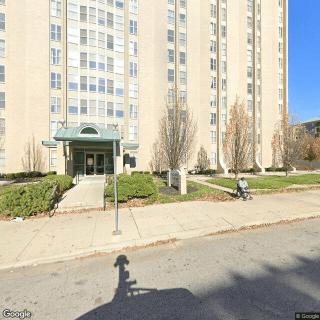


 6 Crucial Ways an Elder Law Attorney Assists Families
 Navigating the Tax Landscape of Caregiving: Credits, Deductions, and Beyond
 Highly Beneficial Low-Impact Exercises for Senior Living Residents