

9018 Easton Avenue, Cleveland, OH 44104
To contact a resident: (216) 429-1376
For more information about senior living options: (866) 208-4318
Overall Review of Hope House
Pros
 It was a beautiful, welcoming experience.
- The reviewer feels blessed to be at a place of prayer and believes things are on time.
Cons
 There was no help; the staff were nosy.
Review
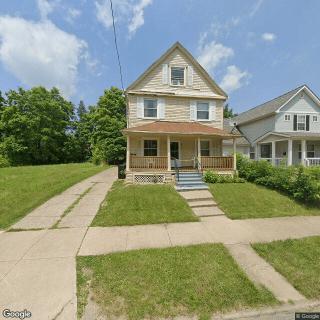
Hope House in Cleveland, Ohio, is best suited for seniors who want a compact, faith-forward living option where hospitality, personal welcome, and daily rhythms anchored in prayer shape everyday life. The strongest signal across the experience is a warm, inviting entry that makes residents feel they belong from day one. Visitors consistently encounter a soothing, welcoming tone, and the setting appears to emphasize spiritual support as a core element of daily life. For families prioritizing a homelike atmosphere and ongoing devotional opportunities, Hope House offers a compelling match that can help residents feel settled and cared for in a meaningful way.
That said, alternatives should be considered by anyone who needs highly proactive caregiving in a highly professional setting, or who prefers a secular, less faith-centered environment. A portion of the feedback flags uneven staff engagement, with at least one reviewer describing the atmosphere as intrusive rather than helpful. The presence of “nosey” behavior alongside glimpses of warmth suggests a wide variability in how assistance is delivered and how boundaries are maintained. For seniors who require consistently assertive assistance, rapid-response care, or a strictly private, low-traffic atmosphere, other communities with more structured protocols may deliver greater reassurance and predictability.
On balance, the positives center on atmosphere and community. The “beautiful welcoming experience” points to a home-like embrace that can dramatically ease transitions for residents who value connection and reassurance. The spiritual orientation, underscored by references to prayer and faith rituals, provides a framework for regular meaningful activities and conversations that can support emotional well-being and a sense of purpose. In a smaller setting, residents often find opportunities to know caregivers by name, build relationships, and participate in communal routines, factors that can lessen isolation and create a felt sense of belonging.
The principal drawbacks come through in inconsistent staff interactions. The strongest caution arises from feedback that care support may not always meet expectations, with at least one resident feeling that assistance was lacking and intrusiveness was a concern. The single low-rating review reinforces the notion that trust and confidence in daily help are not uniformly achieved. For families with tightening schedules, complex medical needs, or a strong preference for discreet, unobtrusive care, these tensions can compound, making it harder to feel confident in day-to-day safety and support.
Ultimately, the value of Hope House hinges on balancing the warmth and spiritual focus against the variability in staffing experience. For residents who prize companionship, a predictable routine, and regular devotional activities, the positive elements can offset occasional lapses in assistance. The intimate setting can foster accountability and quick access to compassionate attention when it is working well, yielding meaningful daily satisfaction for those who harmonize with the faith-centric culture. However, the same small-scale dynamics that nurture connection can amplify frustration when expectations for help and privacy clash with staff practices.
When evaluating Hope House, prospective families should target specific questions during tours and trial stays. Seek clarity on staff-to-resident ratios, typical response times for help with activities of daily living, and how privacy is protected in shared spaces. Inquire about available spiritual services, meal variety, transportation options, and the degree to which residents influence daily scheduling. Probe how staff handle concerns about overinvolvement or intrusiveness, and request examples of how care plans are personalized and updated. If a resident places high importance on a faith-based life and a tight-knit community, Hope House offers a promising match; if independence, clinical oversight, or secular programming drive the decision, better-aligned options exist in the region.
 Board and Care Home
 Cleveland-Hopkins International (12 miles away)





 Comprehensive Guide to Medicare Coverage for Hospice Care
 Caring for Those Who Care: Recognizing, Understanding, and Overcoming Caregiver Burnout
 Caregiver Exhaustion: Recognizing the Signs and Restoring Your Well-Being