Overall Review of The Christ Hospital
common
2 reviews mention this
Labor & Delivery nurses stand out
Labor & Delivery nurses are frequently described as calm, attentive, and supportive.
Some reviewers specifically praise Labor & Delivery nursing, describing nurses who help create a safer, more reassuring environment during induction and delivery. At least one review thanks named RNs for going above and beyond, and another highlights the importance of that team’s support during a complicated delivery.
caveat
6 reviews mention this
ER wait times draw complaints
Several reviewers describe long waits and slow movement through the ER.
Multiple reviews say they waited for hours in the ER or waiting area without timely follow-through. A few also connect the delays to disorganization, where patients feel they must keep waiting rather than getting clear next steps, even when they describe urgent symptoms.
caveat
6 reviews mention this
Cleanliness and facility upkeep vary
Reviews mention cleanliness concerns and outdated-feeling facilities.
A number of reviewers describe the space as old, not well maintained, or unpleasant, including complaints about odors and visible pests. Others mention rooms that felt dirty or cluttered, while one reviewer notes the room was clean, suggesting experiences may differ by unit or visit.
caveat
2 reviews mention this
Families say they lack updates
Some reviewers say communication and updates were missing when they needed them most.
A couple of reviews describe trouble getting check-ins or updates, including having to search for staff to get information. Another review from a family member describes repeated requests for a doctor to call back, with no call returned despite asking multiple times.
How we summarize
Counts show how many written reviews mention each theme; a review can touch several themes, and only frequently mentioned themes are displayed.
Nearby Places of Interest
This area of Cincinnati, Ohio is a bustling neighborhood with a variety of amenities and services conveniently located within close proximity. The presence of several hospitals, pharmacies, and physicians' offices ensures easy access to healthcare facilities. There are also numerous restaurants and cafes offering a diverse range of dining options. For those who enjoy spending time outdoors, there are several parks nearby where one can relax and enjoy nature. Transportation options are readily available, making it convenient to get around the area. Additionally, there is a place of worship for those seeking spiritual fulfillment. Overall, this neighborhood provides a well-rounded environment for senior living with ample resources and attractions to enhance quality of life.
Hospitals
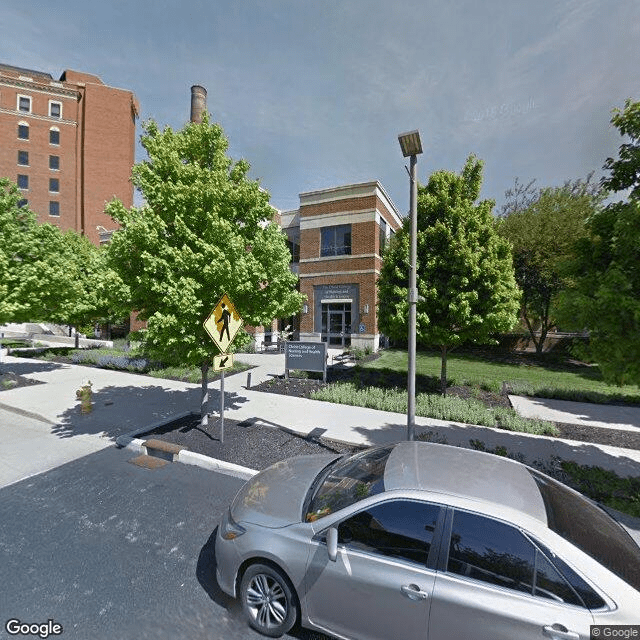
- The Christ Hospital (0.1 miles)
- University of Cincinnati Medical Center (1.1 miles)
- Veterans Hospital (1.2 miles)
- Good Samaritan Hospital (1.4 miles)
- Cincinnati Children's Hospital Medical Center (1.4 miles)
- St Elizabeth Fort Thomas (3.8 miles)
Pharmacies
- CVS Pharmacy (0.4 miles)
- Walgreens (0.5 miles)
- Walgreens (1.4 miles)
- CVS Pharmacy (1.7 miles)
- Walgreens (2.7 miles)
- Newport Drug Center (2.7 miles)
- Kroger Pharmacy (2.7 miles)
Restaurants
- Murphy's Pub (0.6 miles)
- Alabama Que (0.7 miles)
- Pepp & Dolores (0.8 miles)
- Lost & Found Otr (0.8 miles)
- Samuel Adams Cincinnati Taproom (0.8 miles)
- Taft's Ale House (0.8 miles)
- Homemakers Bar (0.9 miles)
Parks
- Ziegler Park (0.8 miles)
- Washington Park (1 miles)
- Washington Dog Park (1 miles)
- John G & Phyllis W Smale Riverfront Park (1.8 miles)
- Highland Hills Park (4.1 miles)
- Tower Park (5.1 miles)
Cafes
- The 86 Coffee Bar & Concert Venue (0.8 miles)
- Coffee Emporium (1 miles)
- Deeper Roots Coffee (1.6 miles)
- York Street Cafe (2.4 miles)
- Starbucks (2.8 miles)
- Starbucks (3.9 miles)
- Starbucks (4 miles)
Physicians
- Hand Surgery Specialists (0.9 miles)
- University Hospital Outpatient Building (1.2 miles)
- Beers, Ann, Md - St Elizabeth Healthcare Regl (3.3 miles)
- St. E Diabetes Center (3.5 miles)
- Certified Hearing Aid & Audiology Associates (3.8 miles)
- Bryan Jeffrey Krol (3.9 miles)
- ESD Pediatric Group (4 miles)
Transportation
- Government Square (1.4 miles)
- Metro Bond Hill Garage (3.9 miles)
Places of Worship

 Cincinnati Northern Kentucky International (10 miles away)
 Excellent access to nearby amenities (cafes, parks, pharmacies, doctors, restaurants, transit, worship, and hospitals).

 9 Stimulating Memory Activities for Seniors: Puzzles, Cards, and Much More
 Managing Nursing Home Expenses After Medicare Coverage Ends
 Is a Geriatric Care Manager the Right Choice for Your Family?