
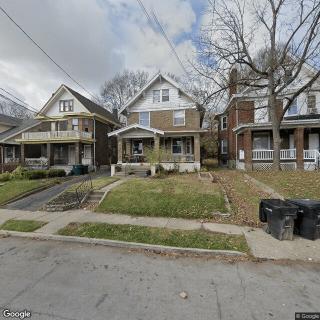
1615 Republic Street, Cincinnati, OH 45202
For more information about senior living options: (866) 208-4318
Overall Review of Center For Respite Care
Pros
 The staff's diligence and compassion helped a resident move from near homelessness and a terminal condition to living in a wonderful place.
- The center empowers individuals to become independent and self-sufficient.
- Kay, the medical director, and her team have the resources, techniques, and compassion to help those who otherwise would not have the opportunity to get back on their feet.
- The center is one of the most loving, caring, non-profit organizations in Ohio that directly impacts, saves, and values human lives.
- The organization provides valuable, life-saving care for the indigent and marginalized.
- The center found a resident a safe, clean place to live and a job after surgery, even after family had turned away; it is a great place to donate resources like food, toiletries, and blankets.
- The staff provide much-needed medical care and administration to the indigent; their work is a much-needed service performed well.
Cons
 They treat this place like a prison.
Review
Center For Respite Care in Cincinnati is best suited for residents who need medical rest, structured oversight, and practical support to regain independence after illness or hospitalization, particularly when financial resources are limited. The facility functions as a safety net for the indigent, delivering safe, clean housing and access to medical oversight under a mission-driven nonprofit umbrella. It shines for individuals who require hands-on care, a path back to self-sufficiency, and the possibility of meaningful post-acute recovery, including assistance with securing a job after a hospital stay. When a loved one cannot afford traditional private pay options, this center presents a credible, purpose-built option for stabilization and recovery.
Those who should consider alternatives are primarily seniors or families seeking more autonomy and a homier, less regulated living environment. If the priority is ongoing independence without the perception of confinement or heavy oversight, other providers, especially private, boutique, or upscale assisted living, may be a better fit. Individuals who value expansive social activities, greater privacy, or a less structured daily routine may find the center’s approach too restrictive. In short, for households prioritizing freedom of movement and a more turnkey luxury experience, alternatives with different pacing and amenities should be explored.
On the strength side, the core advantages are tangible and repeatedly affirmed: compassionate staff, a medical director distinctly identified as central to care, and practical outcomes that matter in a crisis. The personnel are described as resourceful, capable, and deeply committed to helping residents regain self-sufficiency. Residents report being guided toward safe housing, medical rest, and even employment opportunities after surgery, with a community ethos that emphasizes saving and valuing human lives. These elements, careful medical oversight, a supportive team, and a purpose-driven mission, create a powerful offset to the facility’s more austere or regimented aspects.
Where the experience can clash with expectations is the perception of rigidity, sometimes summarized by the term prison-like environment. That critique nods to routine, structure, and enforceable boundaries that, while protective, can feel stifling to someone seeking more personal control over daily life. The decisive counterbalance lies in the outcomes and the staff’s demonstrated commitment: for residents who need a strong, disciplined framework to recover, the structure can be precisely the mechanism that delivers safety and progress. Families weighing choices should quantify how much autonomy their loved one needs and whether the measurable gains in health, housing stability, and reentry to independence justify any sense of confinement.
Practically, this community’s nonprofit model targets a courageous, underserved niche: individuals who would otherwise fall through the cracks without coordinated medical rest and supportive housing. The positive reviews emphasize life-changing impact, with staff going beyond basic care to facilitate real, recoverable milestones. Yet the small review pool means outcomes may vary by shift, staff, or individual expectations. Prospective renters should ask direct questions about daily schedules, visiting freedoms, privacy, and the degree of resident choice in activities. Understanding these parameters helps determine whether the protective, outcomes-focused environment aligns with personal preferences.
In the end, Center For Respite Care is a compelling choice for families seeking a decisive, outcomes-driven pathway back to independence after serious illness or hospitalization, especially when resources are scarce. It excels where the need is for medical rest, dependable oversight, and a compassionate, mission-driven team that can unstick a sliding recovery and provide housing stability. However, if independence, privacy, and a looser daily cadence are non-negotiable, alternatives with lighter supervision and more homelike settings deserve serious consideration. A directed visit, conversations with the medical director and frontline staff, and a clear outline of daily routines will quickly reveal whether the center’s strengths align with the resident’s goals or if another option offers a closer fit.
 20 resident community capacity
 Assisted Living
 Beauty salon
 Cable or satellite TV
 Dining room
 Fully furnished
 Garden
 Housekeeping services
 Kitchenette
 Move-in coordination
 Outdoor space
 Telephone
 Wi-Fi/high-speed internet available
 Cincinnati Northern Kentucky International (9 miles away)
 24-hour call system
 Activities of daily living assistance
 Assistance with bathing
 Assistance with dressing
 Assistance with transfers
 Diabetes diet
 Meal preparation and service
 Medication management
 Mental wellness program
 Special dietary restrictions
 Transportation arrangement (medical)
 Transportation to doctors appointments







 Exploring the Contrasts Between Assisted Living and Skilled Nursing
 8 Key Indicators That Suggest It May Be Time to Transition from Assisted Living to Skilled Nursing Care
 Vibrant Senior Living: A Comprehensive Guide for Active Older Adults