For more information about senior living options: (866) 208-4318
4.6 from 43 reviews
5 stars
36
4 stars
4
3 stars
0
2 stars
0
1 stars
3
Overall Review of Home Instead - Cincinnati-East, OH
common31 reviews mention this
Caregivers are consistently compassionate
Caregivers are repeatedly described as kind, compassionate, and attentive.
Across the reviews, families and clients describe caregivers who show up ready to help and treat loved ones with respect and dignity. Many comments highlight companionship and emotional support, not just hands-on assistance. Several reviewers also call out specific care pros by name and say they became trusted and comforting members of the household.
common10 reviews mention this
Scheduling and communication stay responsive
Scheduling support and communication are often praised as timely and reliable.
Reviewers commonly mention dependable timing and good communication with the office or scheduler. Families describe staff who were attentive when needs changed and who kept appointments organized correctly. A few reviews specifically mention frequent or steady communication between the scheduler and the family, including when decisions were made close to the start of care.
common3 reviews mention this
Memory support with Alzheimer’s and dementia
Several residents received Alzheimer’s or dementia-focused help at home.
Some reviews describe support for Alzheimer’s or dementia, including how caregivers handled communication and companionship as conditions progressed. One reviewer also mentions help keeping a family member safe in the home. Another describes a caregiver’s approach for someone who could be difficult, emphasizing the caregiver knowing when to engage and when to give space.
common3 reviews mention this
Flexibility for changing care needs
Families describe flexibility when care requirements change.
Multiple reviewers note that the team could adjust as needs evolved rather than keeping the same plan no matter what. One review highlights accommodating a last-minute decision to have 24/7 care, and another mentions flexible scheduling to support dementia safety at home. Another reviewer also specifically praises the ability to be flexible as circumstances change.
How we summarize
Counts show how many written reviews mention each theme; a review can touch several themes, and only frequently mentioned themes are displayed.
Features
Transportation
Cincinnati Northern Kentucky International (8 miles away)
Nearby Places of Interest
Restaurants
White Castle (0 miles)
Frisch's Big Boy (0.3 miles)
Shanghai On Elm (0.6 miles)
Bar 901 (0.7 miles)
Butcher and Barrel (0.7 miles)
Copper & Flame (0.8 miles)
Taste of Belgium - Over The Rhine (0.8 miles)
Cafes
Deeper Roots Coffee (0.6 miles)
Coffee Emporium (0.9 miles)
York Street Cafe (2.1 miles)
The 86 Coffee Bar & Concert Venue (2.3 miles)
Starbucks (2.9 miles)
Starbucks (5 miles)
Starbucks (5.5 miles)
Parks
Washington Dog Park (0.7 miles)
Washington Park (0.7 miles)
John G & Phyllis W Smale Riverfront Park (1.1 miles)
Ziegler Park (1.1 miles)
Highland Hills Park (4.2 miles)
Tower Park (5.1 miles)
Pharmacies
Walgreens (0.7 miles)
Walgreens (1.9 miles)
CVS Pharmacy (1.9 miles)
Walgreens (2 miles)
Newport Drug Center (2.3 miles)
Walgreens (2.8 miles)
CVS Pharmacy (2.8 miles)
Transportation
Government Square (0.9 miles)
Metro Bond Hill Garage (5.5 miles)
Hospitals
The Christ Hospital (1.6 miles)
Good Samaritan Hospital (2.6 miles)
University of Cincinnati Medical Center (2.7 miles)
Veterans Hospital (2.7 miles)
Cincinnati Children's Hospital Medical Center (3 miles)
St Elizabeth Fort Thomas (3.7 miles)
Physicians
Beers, Ann, Md - St Elizabeth Healthcare Regl (2 miles)
St. E Diabetes Center (2.3 miles)
Hand Surgery Specialists (2.5 miles)
University Hospital Outpatient Building (2.8 miles)
Certified Hearing Aid & Audiology Associates (3.8 miles)
Weight training is vital for seniors to maintain muscle mass, bone density, and overall health, combating age-related declines through customized resistance exercises that enhance balance and well-being. Safe routines should start with realistic goals and proper form, while emphasizing gradual progress and consultations with healthcare providers to ensure safety and effectiveness.
The Sandwich Generation comprises adults managing the dual responsibilities of caring for aging parents and raising children, leading to significant emotional, logistical, and financial challenges. This situation is exacerbated by longer life expectancies and cultural expectations, necessitating effective coping strategies and support resources to alleviate caregiver stress and burnout.
The article highlights eight essential assistive devices that improve the independence and safety of older adults, addressing issues related to mobility, balance, vision, hearing, and dexterity. It emphasizes the importance of proper selection guided by healthcare professionals to enhance seniors' quality of life while allowing them to age in place.
Get PricingAsk A QuestionSchedule A TourContact Senior Advisor
By clicking submit, you agree to our Partner's Terms of Use. You
also consent to receive calls and texts, which may be autodialed, from our Partner. Your consent is not a condition to
using our Partner's service. Please visit our Partner's Privacy Policy for information about their privacy practices.

 Cincinnati Northern Kentucky International (8 miles away)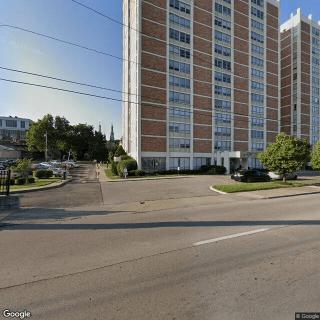
 Friendly staff, active social life, and affordable pricing.





 Weight Training for Seniors: Building Strength and Vitality
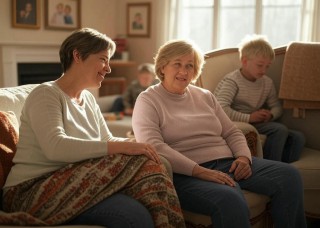 Understanding the Sandwich Generation: Stress and Responsibilities for Multigenerational Caregivers
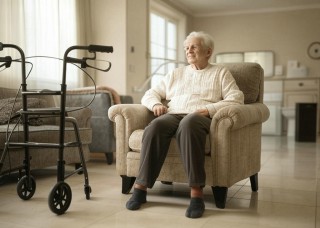 8 Essential Assistive Devices for Older Adults