Oak Pavilion
Save
510 Oak St, Cincinnati, OH 45219
For more information about senior living options: (844) 490-3973
What level of care are you interested in?

Assisted Living

Memory Care

Independent Living

Skilled Nursing Facility

Continuing Care Retirement Community (CCRC)CCRC

Other
What emerges from these varied reflections is a portrait of a care facility that many people feel is struggling on multiple fronts, while a smaller handful of voices describe improvements and a sense of renewed purpose. The range is wide: some readers hear stories of compassionate care and recent renovations that have brightened the environment; others encounter accounts of neglect, odor, overcrowding, and frustration with administration. Taken together, the comments paint a landscape of mixed experiences that leaves potential visitors and families weighing both hope and caution.
A central thread throughout the negative voices is concern about cleanliness and basic upkeep. Several reviewers describe rooms that feel dirty or crowded, with residents sometimes lingering in soiled conditions and showers described as nonfunctional. One account mentions the building smelling strongly of urine, with hallways and rooms left in a state that conveyed neglect. Another implies that outdated furniture and worn fixtures contribute to a sense of being in a place that has stalled in maintenance. The impression of care being compromised by environment - furnishings, bedding, and overall ambiance - appears repeatedly, with some reviewers calling for immediate improvements and even shut-downs if necessary.
Staff and administration form another major axis of complaint, though not uniformly. A number of comments condemn frontline workers for a perceived lack of attention, communication gaps, and slow or inconsistent responses to residents' needs. Anecdotes include nurses and aides who seem hard to reach, who are distracted by personal devices, or who fail to provide timely medications or basic assistance. Some reviewers describe staff as uncaring or rude, and one account specifically cites a discourteous interaction with a staff member who refused help or spoke harshly about a vulnerable person's family. The sense that management and frontline teams are not aligned or adequately supported by leadership also surfaces in several posts, with references to turnover in administrative ranks and a perception that "the books" and training could use a stronger, more professional approach.
Against these criticisms, there are voices that emphasize improvement and change. A subset of reviewers celebrates a refreshing shift in leadership and a visible investment in the facility's infrastructure. They describe a totally revamped administrative team and clinical management, along with a multi-million dollar renovation program, implying that the place is becoming more capable of handling higher levels of care. Some reviewers applaud a renewed therapy program, noting modern therapy modalities and a revitalized therapy gym, and they credit the changes with elevating the quality of care and patient outcomes. A few accounts even state that the facility feels like a family again, with staff who are attentive and residents who appear more engaged and supported. These commentators often urge readers to consider the rehab and short-term treatment potential, highlighting the improved environment as a reason to give the facility another chance.
Mixed among the praise and the critique are personal anecdotes that highlight both fear and hope. Several families speak of difficult experiences when trying to locate loved ones or verify their whereabouts, with one account describing a distressing interaction involving DNA-based verification and a staff member who appeared indifferent. Such stories underscore the emotional stakes involved in navigating long-term care and the stress of missing or hospitalized relatives. On the other hand, some comments focus on positive, concrete benefits: improved therapy services, rehabilitative focus for post-surgical recovery, and a sense that the latest renovations have created better spaces for residents to inhabit, including more spacious rooms and a more comfortable, home-like environment.
Another theme concerns the reality of the resident population and the daily grind of ensuring appropriate care. Several reviewers emphasize staffing shortages and the resulting pressure on the system: people in need of routine help, meals, and medical attention can be left waiting, and busy floors can feel impersonal despite good intentions from many workers. There are also remarks about the physical layout and capacity - some point to rooms that feel cramped or overcrowded, and others describe facilities that appear dated or in the midst of modernization, which can create a perception gap between the best-available services and the lived experience of residents and families. The tension between ongoing renovation efforts and the day-to-day demands of care demonstrates how difficult it is for any large facility to maintain consistently high standards across all shifts and departments.
Finally, the sentiment about whether this is the right place for a loved one is deeply polarized. A number of comments strongly discourage placement, citing neglect, unsafe conditions, and a lack of empathy that could harm a vulnerable person. In contrast, others insist that the facility has turned a corner, that the staff are caring, and that recent investments have yielded tangible improvements in patient care and the overall atmosphere. The truth, as these voices convey it, seems to hinge on timing, specific shifts or departments, and perhaps personal experience with particular staff members or administrators. It is clear that for many families, the decision about whether to entrust a loved one to this facility is not easy and depends on weighing stories of recent progress against a long history of concerns.
In sum, the tapestry of impressions here is rich and contradictory. Some describe a period of significant overhaul - renovations, strengthened leadership, and enhanced therapeutic services - that offers real reasons for optimism. Others recount ongoing struggles with cleanliness, staffing, responsiveness, and perceived indifference, painting a picture of a facility that still has serious work to do to meet basic expectations of safety, dignity, and reliable care. For anyone considering this facility, these voices suggest doing thorough on-site visits, speaking directly with multiple staff members at different shifts, and asking pointed questions about cleanliness protocols, staffing ratios, response times, and the specifics of any recent renovations or new care models before making a decision.
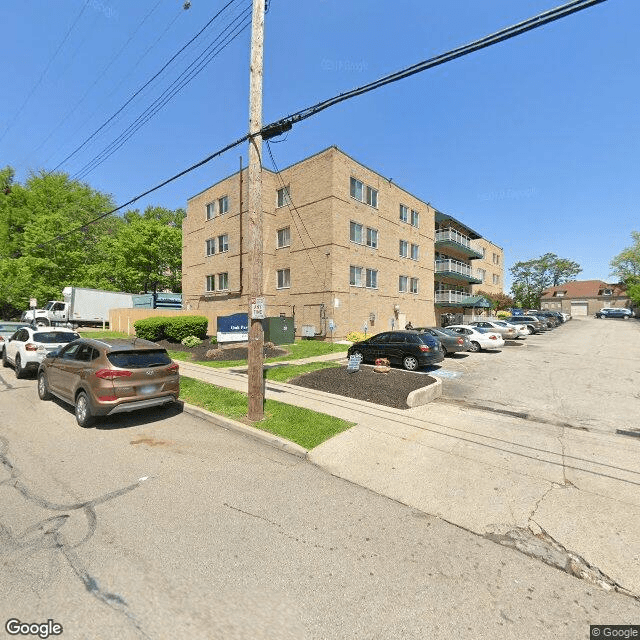
The Oak Pavilion in Cincinnati, OH is a skilled nursing facility that provides exceptional care for individuals in need of assistance. Our dedicated staff is trained to provide specialized care for those with diabetes, ensuring that their unique needs are met.
Residents of Oak Pavilion have access to a range of amenities aimed at enhancing their overall well-being. Devotional services are available off-site, providing residents with the opportunity to nurture their spiritual needs. Additionally, our indoor common areas offer spaces where residents can socialize and engage in various activities.
For those who enjoy exploring the local area, Oak Pavilion boasts an enviable location. With seven cafes, five parks, 12 pharmacies, nine physicians, 57 restaurants, two transportation options, and one place of worship all nearby, residents have plenty of opportunities to stay active and engaged within the community. Furthermore, having seven hospitals in close proximity ensures that residents have convenient access to medical facilities if needed.
At Oak Pavilion, we strive to create a warm and welcoming environment where residents feel supported and cared for. Our commitment to providing excellent care paired with our convenient location make us an ideal choice for individuals seeking a comprehensive assisted living community in Cincinnati.
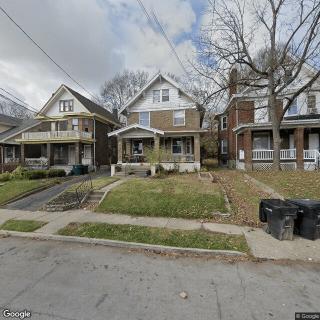
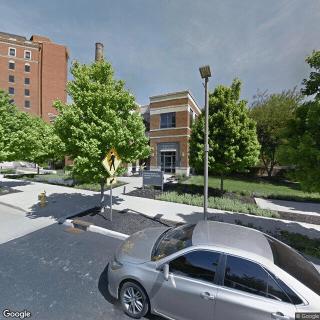
This part of Cincinnati, Ohio, offers a variety of amenities and services that may appeal to seniors looking for a convenient and vibrant community. With several hospitals and healthcare facilities in close proximity, including the University of Cincinnati Medical Center and Cincinnati Children's Hospital Medical Center, residents have access to top-notch medical care. Additionally, there are numerous pharmacies nearby for easy prescription pick-ups. The neighborhood also boasts a selection of restaurants and cafes for dining options, as well as parks like Ziegler Park and Washington Park for outdoor recreation. Public transportation options like Government Square make it easy to get around the area without needing a car. Overall, this part of Cincinnati provides a mix of healthcare resources, dining choices, recreational opportunities, and convenient transportation options for seniors looking to live in a lively and accessible neighborhood.
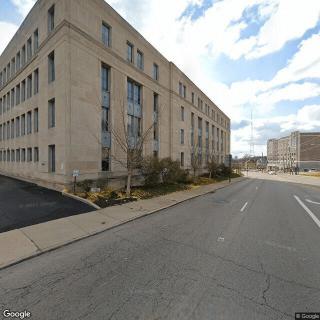
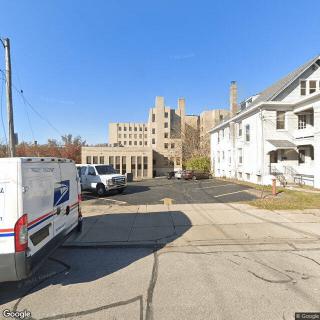
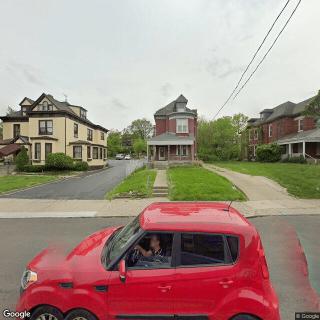
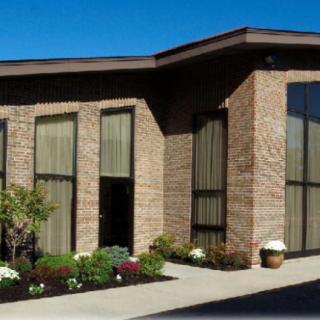
Oak Pavilion is located at 510 Oak St, Cincinnati, OH 45219 in Hamilton County, Ohio
Comprehensive Insights into Activities of Daily Living (ADLs) and Their Assessment

Activities of Daily Living (ADLs) are fundamental tasks vital for an individual's independence, particularly in older adults over 85, and include functions like bathing and dressing; assessing ADLs alongside Instrumental Activities of Daily Living (IADLs) helps determine the level of required assistance due to age-related health challenges. Tailored support plans, involving family and community resources, are essential for maintaining dignity and autonomy in assisted living environments.
Medicare Coverage for Assisted Living: An In-Depth Exploration
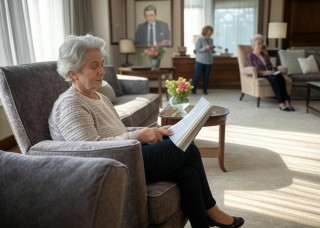
Medicare does not cover assisted living costs, as it focuses on acute medical needs and short-term care, with exceptions for certain medically necessary services like physical therapy. Individuals must explore other options such as Medicaid, veterans' benefits, or long-term care insurance to manage these expenses effectively.
Your Comprehensive Guide to Luxury Assisted Living: Elevated Facilities, Amenities, and Costs
Luxury assisted living offers high-quality senior care in a resort-like environment that combines essential medical support, gourmet dining, and personalized services to enhance residents' independence and well-being. These upscale facilities emphasize holistic health and community-building through customized care plans and social activities, catering to the growing demand for enriched senior living experiences despite higher costs.