Minnie Scott's Family Care Home in Cincinnati, OH
Save
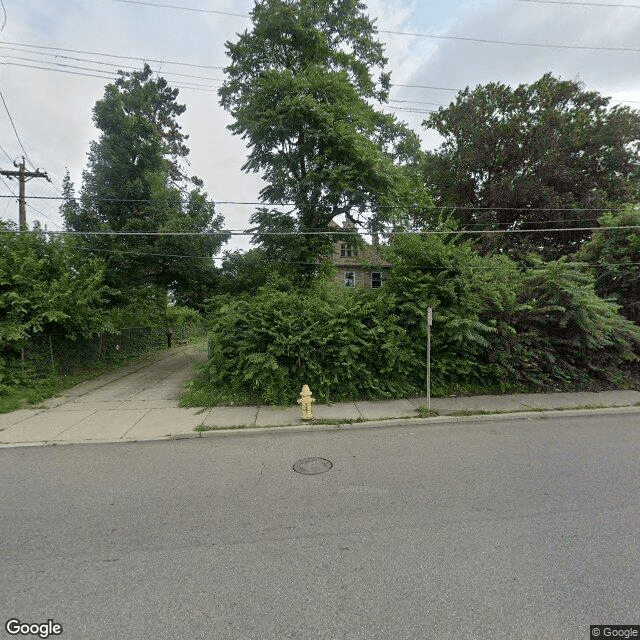
418 Forest Ave, Cincinnati, OH 45229
For more information about senior living options: (844) 490-3973
Minnie Scott's Family Care Home in Cincinnati is best suited for seniors who want a small, home‑like setting where staff know residents well, relationships matter, and daily life centers on personal attention and social engagement. This community works best for families that value hands‑on involvement, regular check‑ins, and a warm, family atmosphere over a large campus with a clinical feel. It is the right match for residents who thrive on routine, meaningful activities, and consistent, personable caregiving. Those needing intensive, round‑the‑clock medical oversight, complex wound care, or highly specialized therapy on a continuous basis should look elsewhere. In short: if the aim is a cozy, community‑oriented environment with engaged caregivers, Minnie Scott’s can be a strong fit; if the priority is seamless 24/7 skilled nursing and ironclad safety systems, alternatives deserve consideration.
The strongest points consistently favored in this landscape are compassionate, attentive staff and a culture that feels like “home.” When administrators are engaged and the clinical team is steady, residents tend to become more social, settle into daily routines, and form real bonds with caregivers and other residents. Clean, well‑kept spaces and a robust activity calendar further reinforce a sense of belonging and normalcy. Families report that when communication lines are open and staff take the time to advocate for the resident, the experience shifts from merely clinical care to a genuine, supportive community. In Minnie Scott’s, these elements become decisive: a warm staff‑resident rapport and an active social program can translate into improved mood, steadier days, and a smoother transition into daily life.
Yet the reviews reveal a pattern of significant cons that cannot be ignored. Chronic understaffing, delays in medication administration, and gaps in daily care emerge as recurring red flags. Families recount long waits for help, lapses in wound care or hygiene, and inconsistencies across shifts. Food quality and meal timing are flagged as issues in some facilities, along with reports of miscommunications between families and management, and even allegations of improper discharge practices or credentialing concerns. While not universal, these concerns highlight a real risk in environments where staffing is thin, procedures aren’t consistently followed, or leadership turnover creates unclear accountability. For Minnie Scott’s, the vigilance should be on ensuring reliable staffing coverage, precise med‑pass protocols, and transparent, timely communication with families.
These pros and cons do not exist in isolation; they offset one another in predictable ways. A small, intimate setting with a dedicated administrator can offset staffing gaps when turnover is low and care plans stay put. Residents who engage in daily activities, feel known by name, and experience steady nurse and aide involvement tend to show better engagement and quicker comfort with the routine of care. Conversely, if administration is inconsistent or if shifts are frequently covered by agency staff, the risk of medication errors, missed treatments, and disconnect with families rises sharply. The key for Minnie Scott’s is to demonstrate not only warmth and personality but also reliability in operations: predictable scheduling, clear med management, clean environments, and open channels for family updates.
Decision guidance for families begins at the first tour. Prioritize questions about staffing: exact ratios during days, evenings, and nights; how many full‑time, on‑site RNs or LPNs are present; what happens when a resident needs med changes or wound care adjustments after hours. Probe the wound care protocol, frequency of dressing changes, and response times for call lights. Request recent state inspection reports and ask how deficiencies were addressed, with concrete examples. Delve into meal quality and meal timing, menu options for dietary restrictions, and how residents’ preferences are incorporated. Finally, assess the culture of communication: who is the primary point of contact for families, how often are family conferences held, and what is the process when a transition to hospice, a different level of care, or a transfer becomes necessary.
In sum, Minnie Scott’s Family Care Home should be considered by families who prize a intimate, neighborly atmosphere, where staff know residents personally and stay engaged in daily life. It is less suited for those who cannot tolerate even intermittent gaps in staffing, med administration, or safety assurance, or for families needing high‑acuity medical management on a continuous basis. Alternatives should be explored for residents with significant medical complexity or for families who demand near‑perfect consistency in operations. With deliberate due diligence, onsite tours, candid conversations with caregivers, and solid visibility into staffing and care processes, families can determine whether Minnie Scott’s can deliver the trustworthy, affectionate home environment they seek, or whether another option in Cincinnati better aligns with the level of medical oversight and safety their loved one requires.
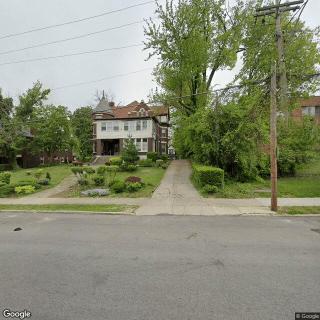
Minnie Scott's Family Care Home is a warm and inviting assisted living community located in the heart of Cincinnati, OH. Our home is thoughtfully designed to provide personalized care and support for residents, ensuring they feel comfortable and secure in their daily lives.
Residents enjoy the convenience of a vibrant local area, with 58 diverse restaurants just a stone's throw away, offering a variety of dining experiences to cater to all tastes. For those who appreciate the outdoors, there are four nearby parks where residents can relax or take leisurely strolls amidst nature.
Health and wellness are prioritized at Minnie Scott's, with access to 14 pharmacies ensuring easy procurement of medications and health necessities. Our community is also surrounded by 7 hospitals and 5 physicians within close proximity, providing peace of mind when it comes to medical care.
For spiritual wellness, there are two places of worship nearby, fostering a sense of community and belonging among residents. Transportation options in the area make it easy for residents to explore the surroundings or visit family and friends.
In addition to these conveniences, our nurturing staff is dedicated to providing compassionate care tailored to individual needs, creating an atmosphere where seniors can thrive socially and emotionally. Minnie Scott's Family Care Home is more than just a place to live; it's a supportive environment where every resident can truly feel at home.
Located in Cincinnati, Ohio, this area is ideal for seniors looking for convenient access to top-notch healthcare facilities such as Cincinnati Children's Hospital Medical Center, University of Cincinnati Medical Center, and Good Samaritan Hospital. With several pharmacies nearby like Walgreens and CVS Pharmacy, obtaining medications is hassle-free. For those who enjoy dining out or grabbing a quick bite to eat, there are various restaurants in the vicinity including McDonald's, Skyline Chili, and Alabama Que. Additionally, there are cafes like The 86 Coffee Bar & Concert Venue for a relaxing cup of coffee. Parks like Ziegler Park and Washington Park offer green spaces for leisurely walks or picnics. Transportation options such as Metro Bond Hill Garage make getting around the area convenient. Places of worship like St Mary Church and St Vivian's Catholic Church cater to spiritual needs. Overall, this neighborhood provides essential amenities and services for a comfortable senior living experience.
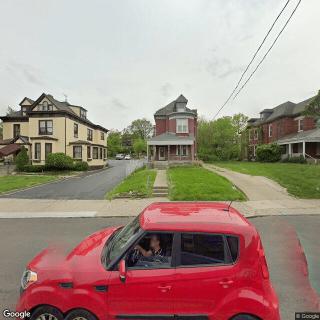
Minnie Scott's Family Care Home is located at 418 Forest Ave, Cincinnati, OH 45229 in Hamilton County, Ohio
Top Canine Companions for Older Adults
Dogs can greatly improve the lives of older adults by offering emotional support and encouraging physical activity, with factors such as size, temperament, and grooming needs being crucial in selecting a suitable breed. Senior dogs often make ideal companions for this demographic, promoting social connections and requiring care routines that align with seniors' capabilities.
The guide on blood pressure charts for older adults stresses the importance of understanding normal and high blood pressure readings influenced by age, genetics, and lifestyle, while emphasizing regular monitoring and lifestyle modifications to prevent serious health issues. It provides insights into blood pressure categories, dietary recommendations, medication considerations, and the role of caregivers in supporting healthy habits.
Financing Long-Term Nursing Home Care Through Social Security: A Thorough Exploration
The article explores the complexities of using Social Security to finance long-term nursing home care in the U.S., detailing eligibility requirements and misconceptions, while emphasizing that these benefits often do not cover full costs and highlighting the need for strategic financial planning and professional guidance.